

Challenges Logistics Companies face online
Homepages list every buzzword while hiding actual modes and facility footprints.RFQ forms ask for too little cargo detail, flooding sales with unfit…
Read more →Logistics & 3PL providers
Logistics buyers evaluate coverage, capabilities, and whether you can handle their freight profile—not generic "supply chain excellence" slogans. 66sites builds subscription websites for 3PLs…

Logistics buyers evaluate coverage, capabilities, and whether you can handle their freight profile—not generic "supply chain excellence" slogans. 66sites builds subscription websites for 3PLs, freight brokers, and logistics operators that present modes, value-added services, and inquiry paths designed for shipper diligence.
A strong logistics site separates warehousing, transportation management, and specialty services into clear journeys. We design for RFQ and consult conversions, develop capability pages that match how procurement searches, and maintain the site as lanes, facilities, and certifications change.
SEO is competitive and often national or industry-vertical. We pursue durable service and niche pages without promising top rankings against global brands.
Practical website, conversion and SEO work tailored to how your buyers actually decide.
Homepages list every buzzword while hiding actual modes and facility footprints.RFQ forms ask for too little cargo detail, flooding sales with unfit…
Read more →
Lead with capability truth: modes, geographies, facility types, and industries served. Let shippers self-qualify before sales calls.Design RFQ flows…
Read more →
Transportation / brokerage services. Core shipper intent for moving freight.Warehousing & fulfillment. Distinct from pure transportation buying…
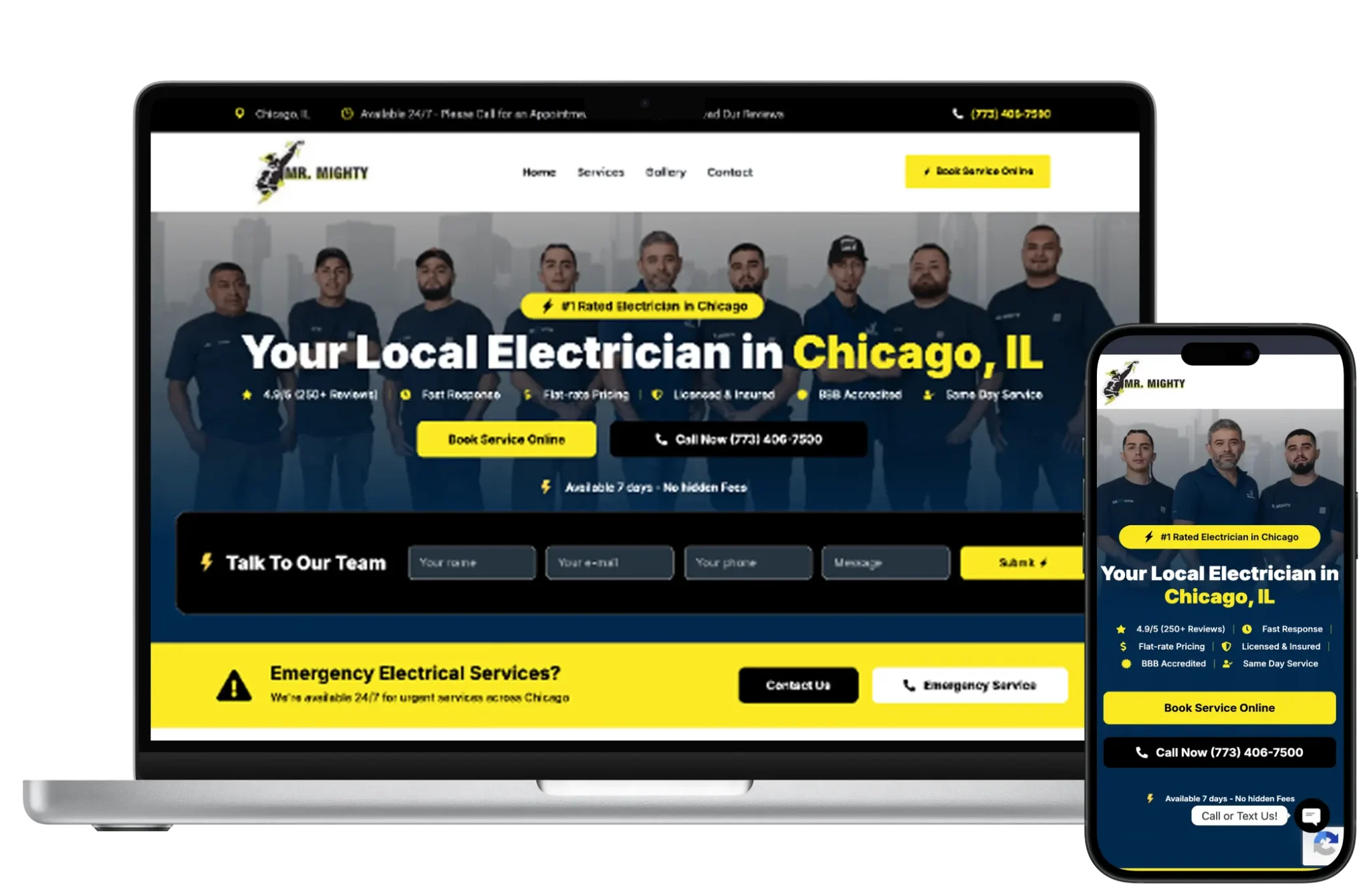
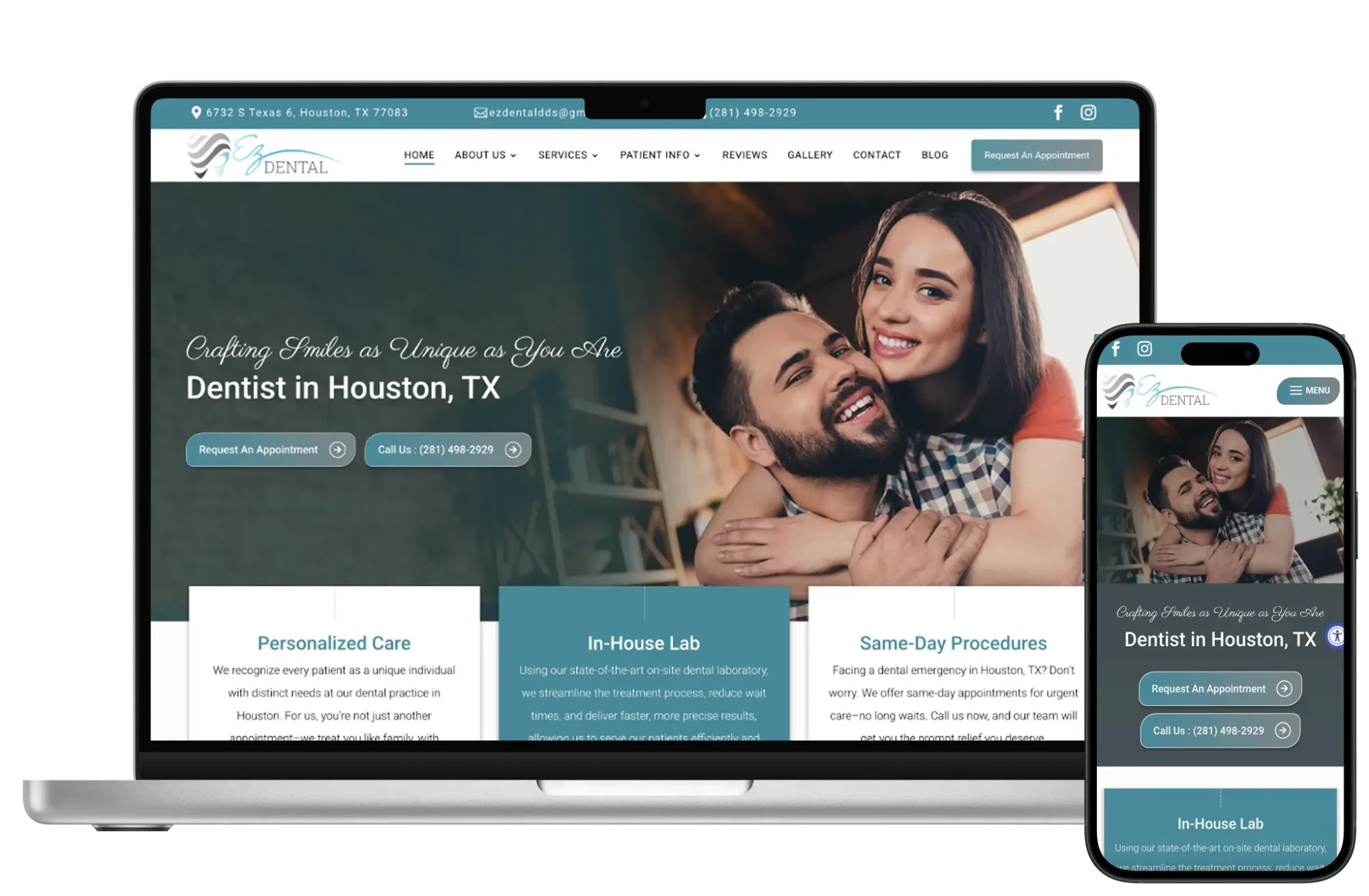
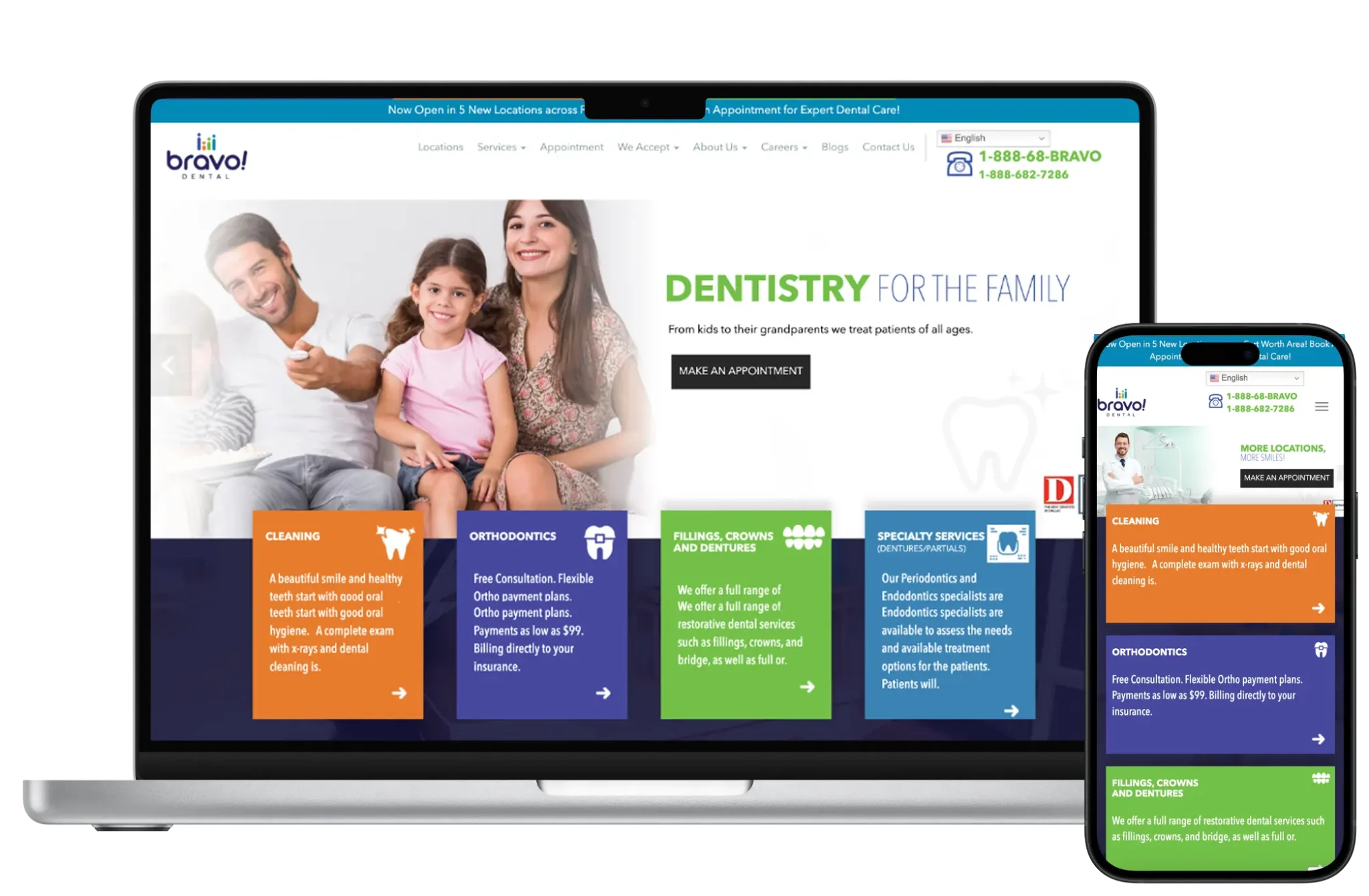
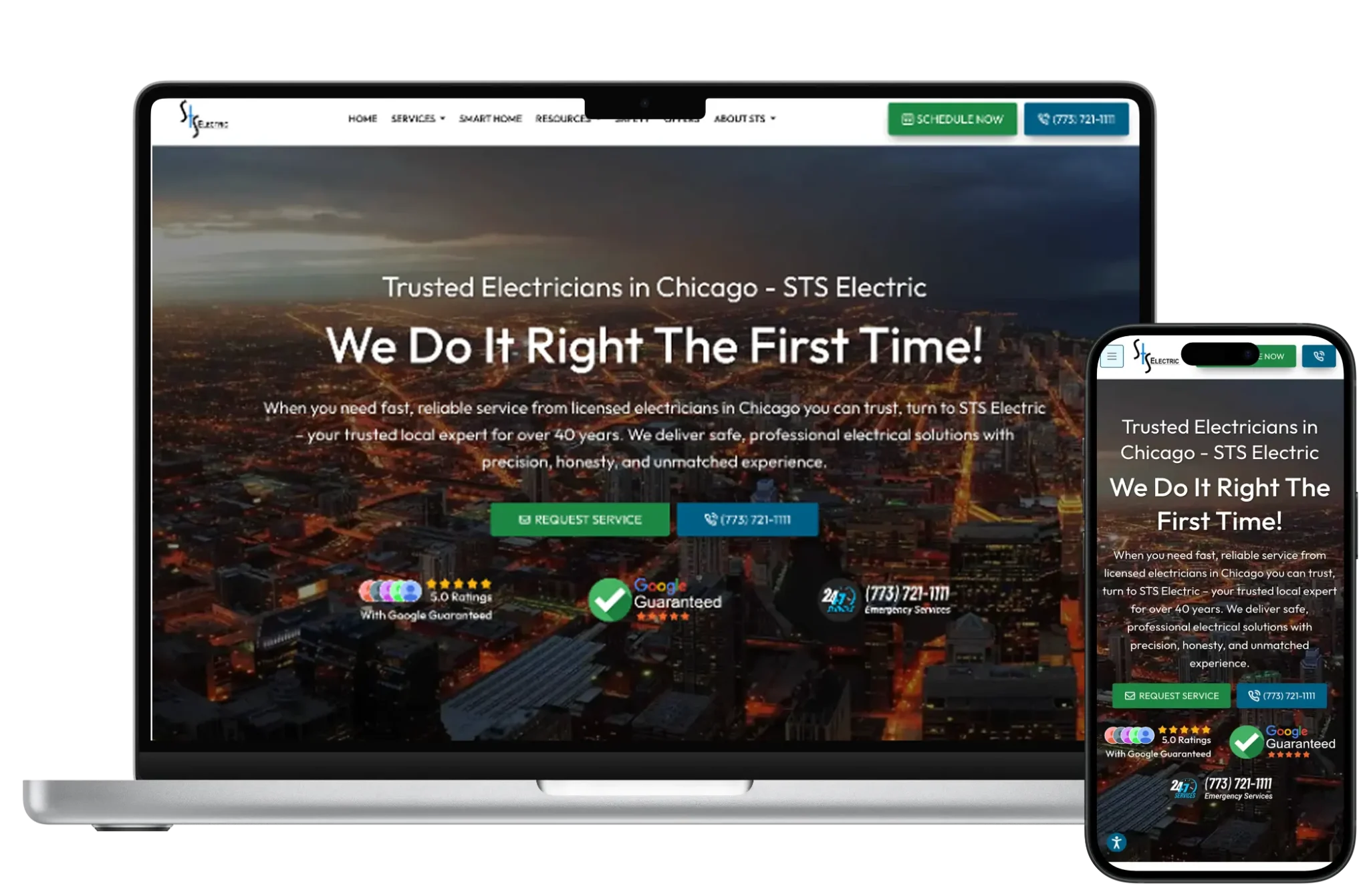
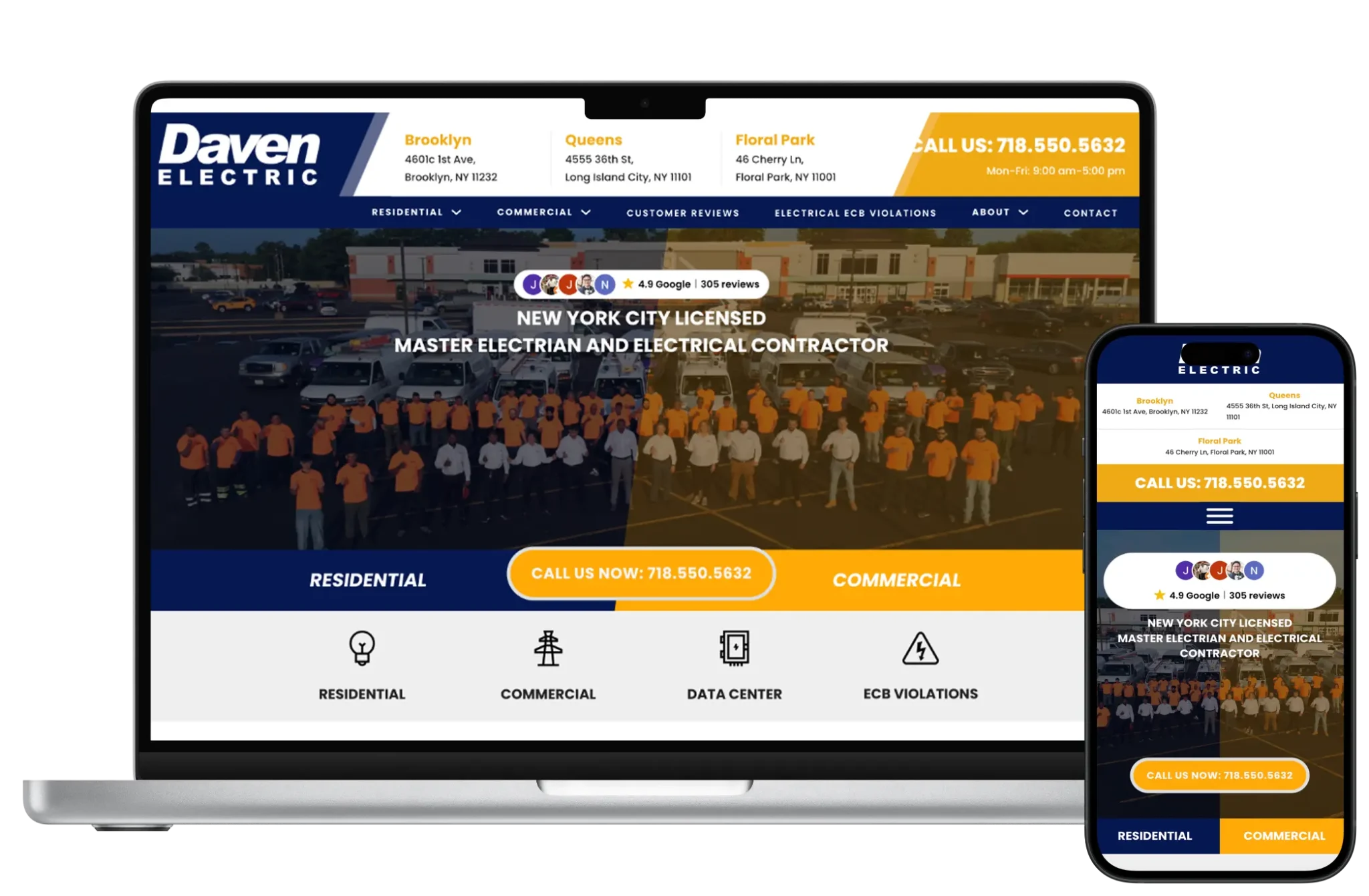
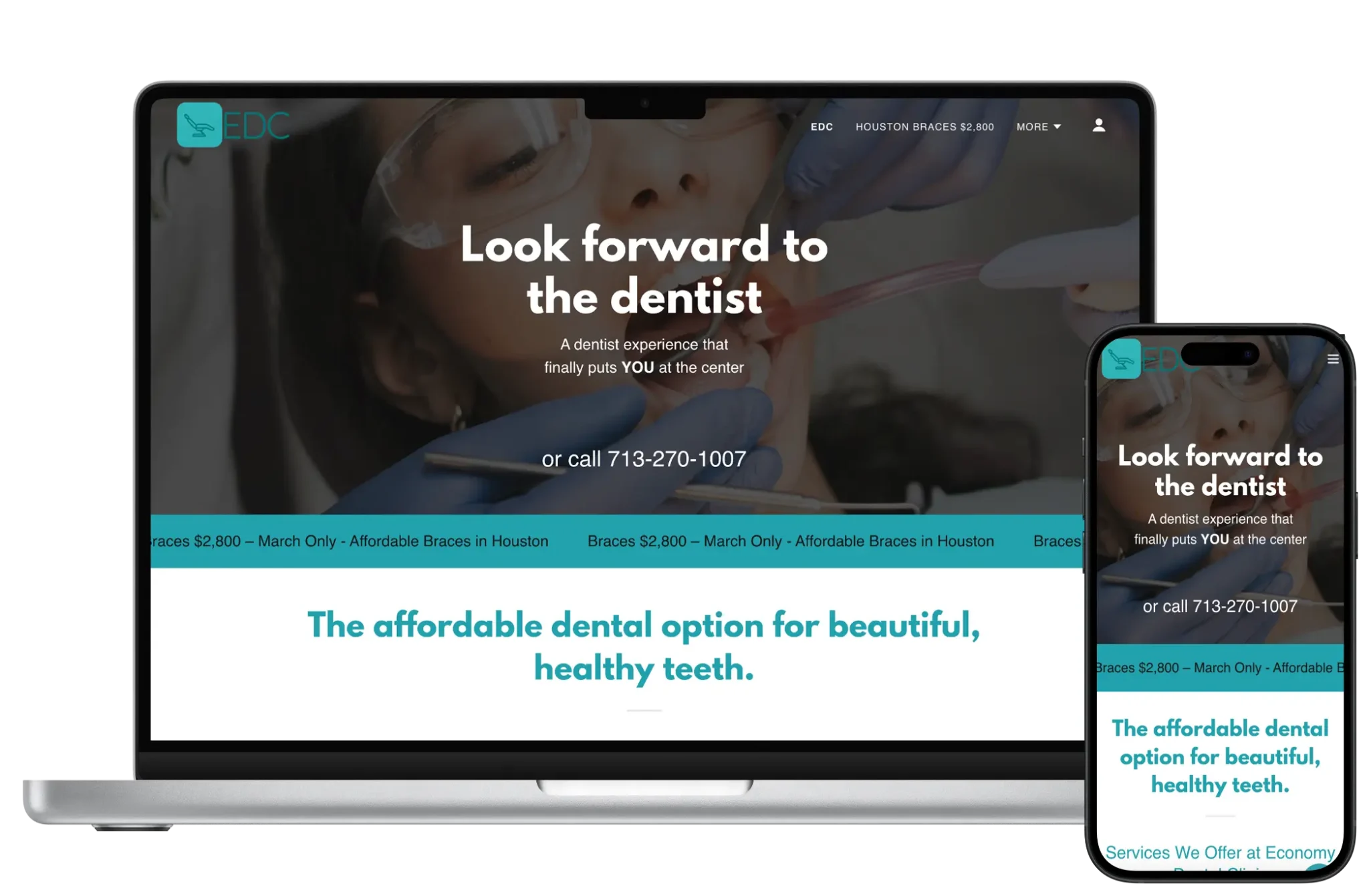
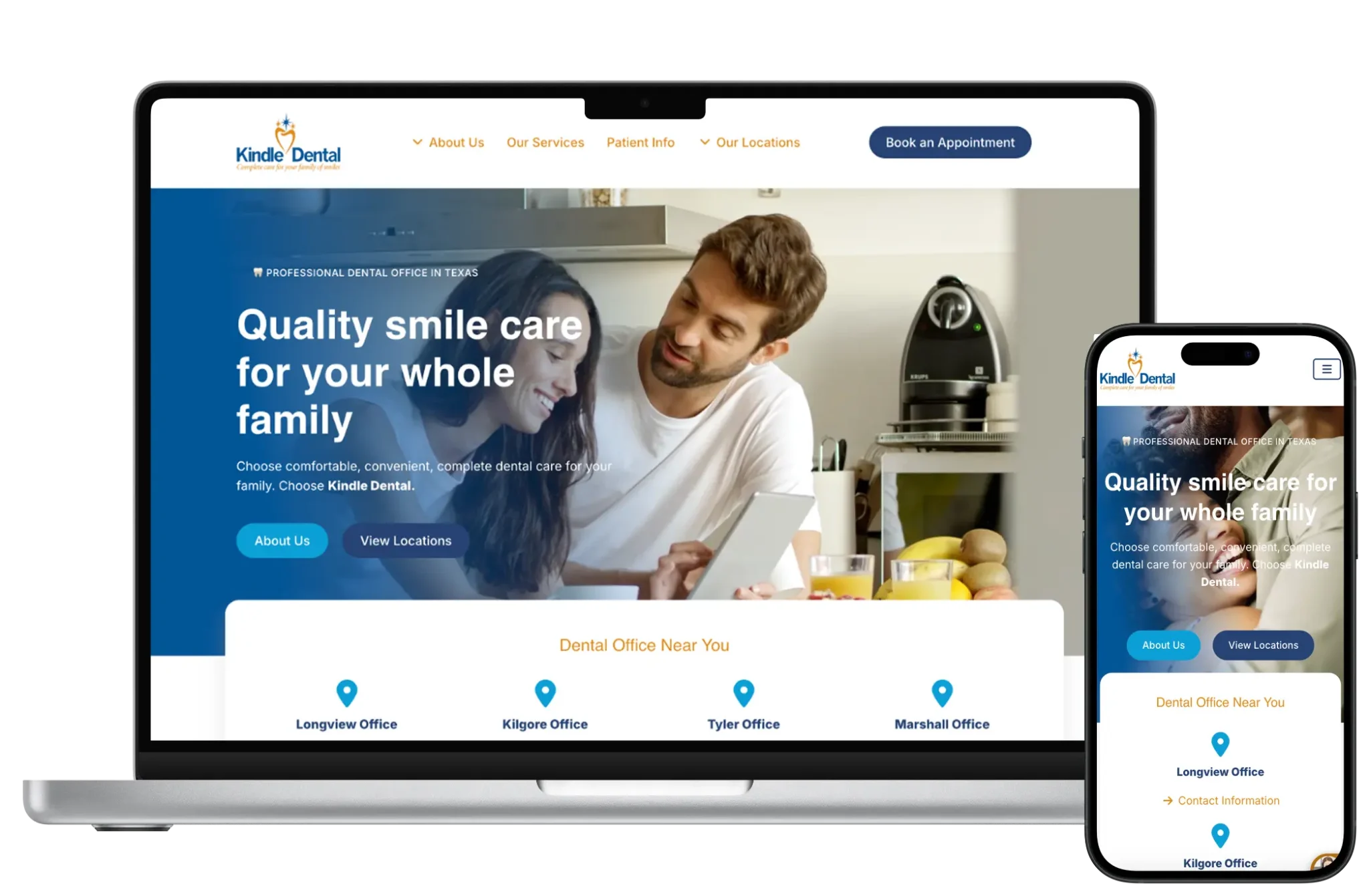
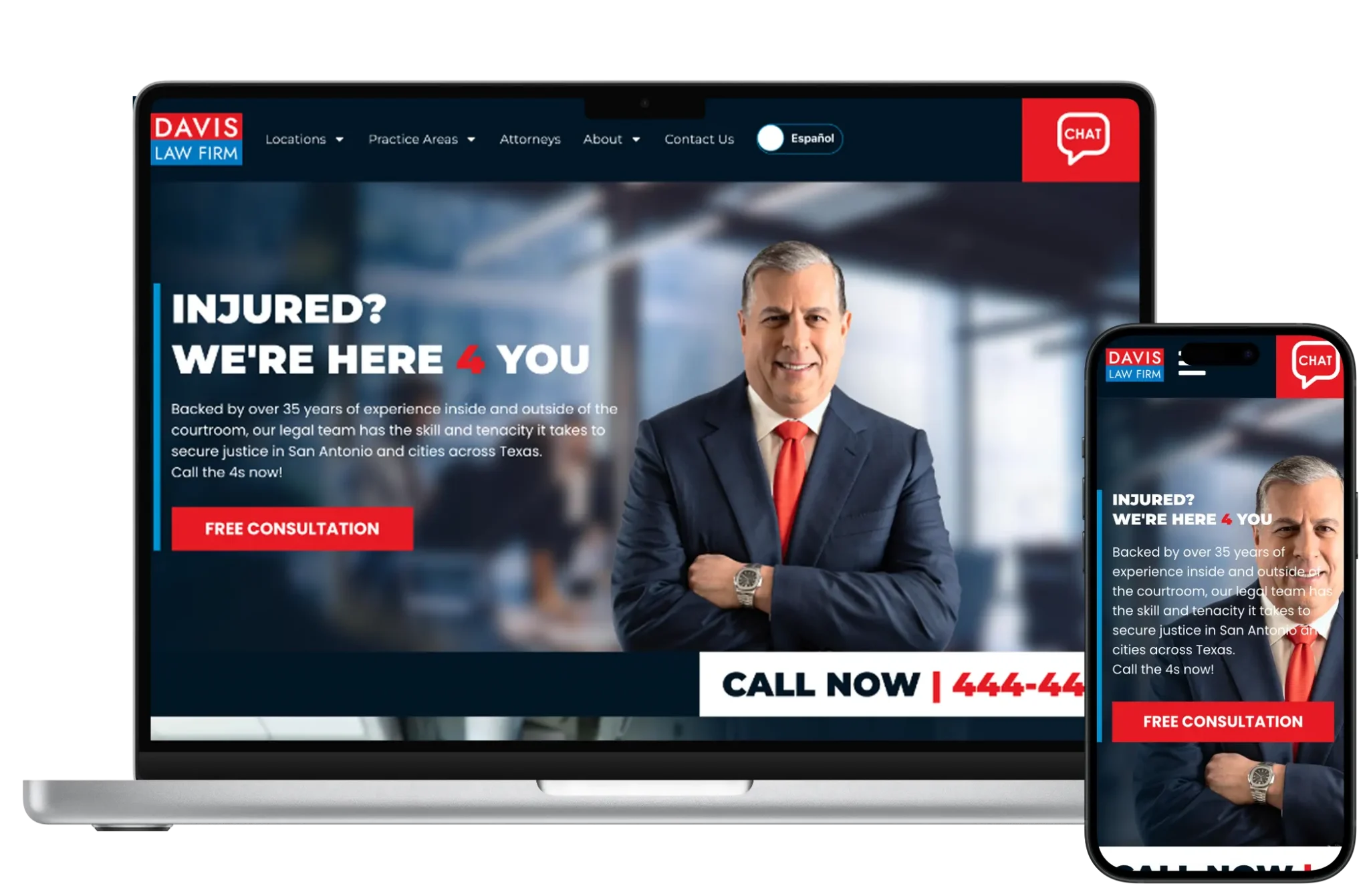
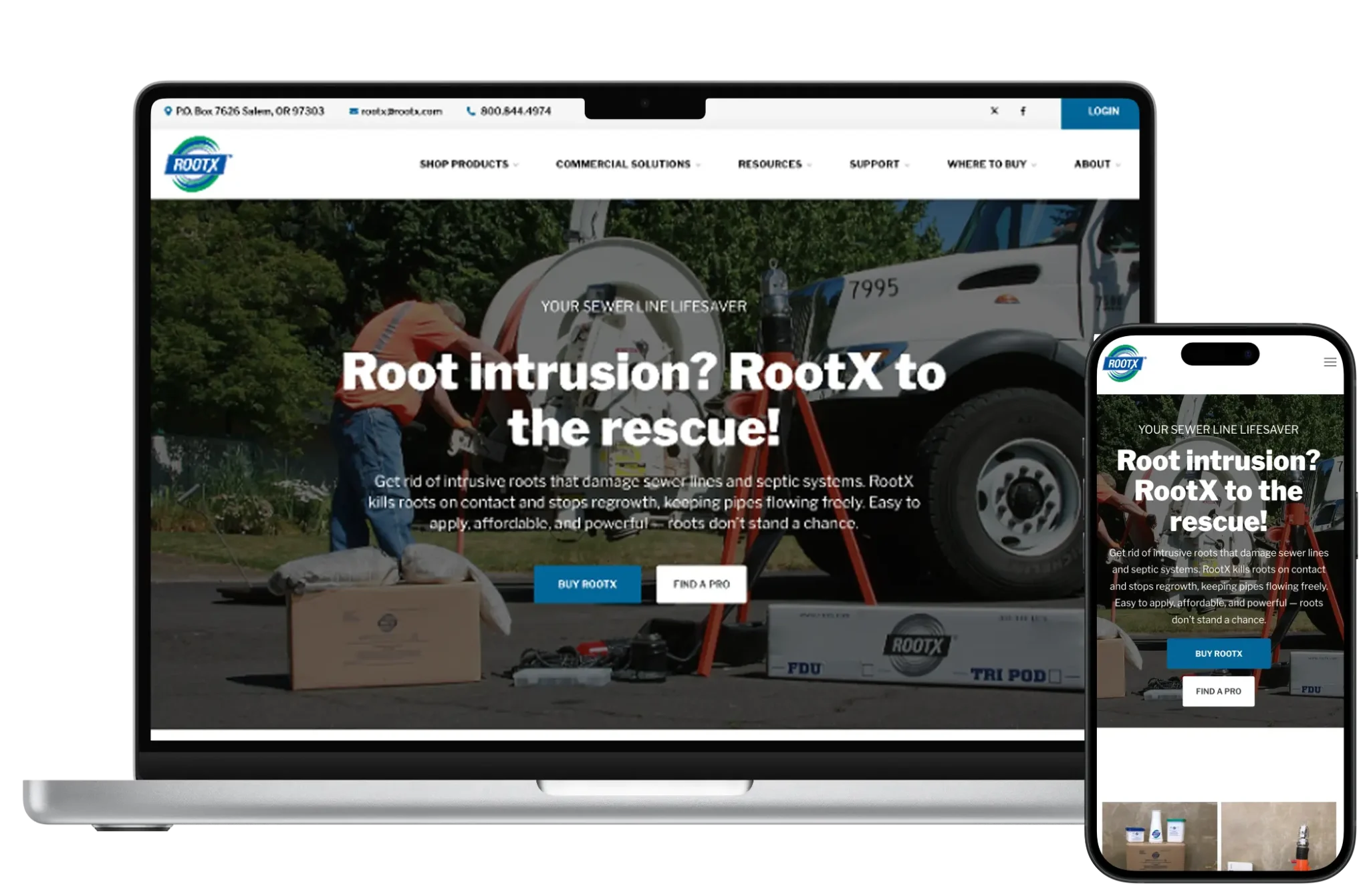
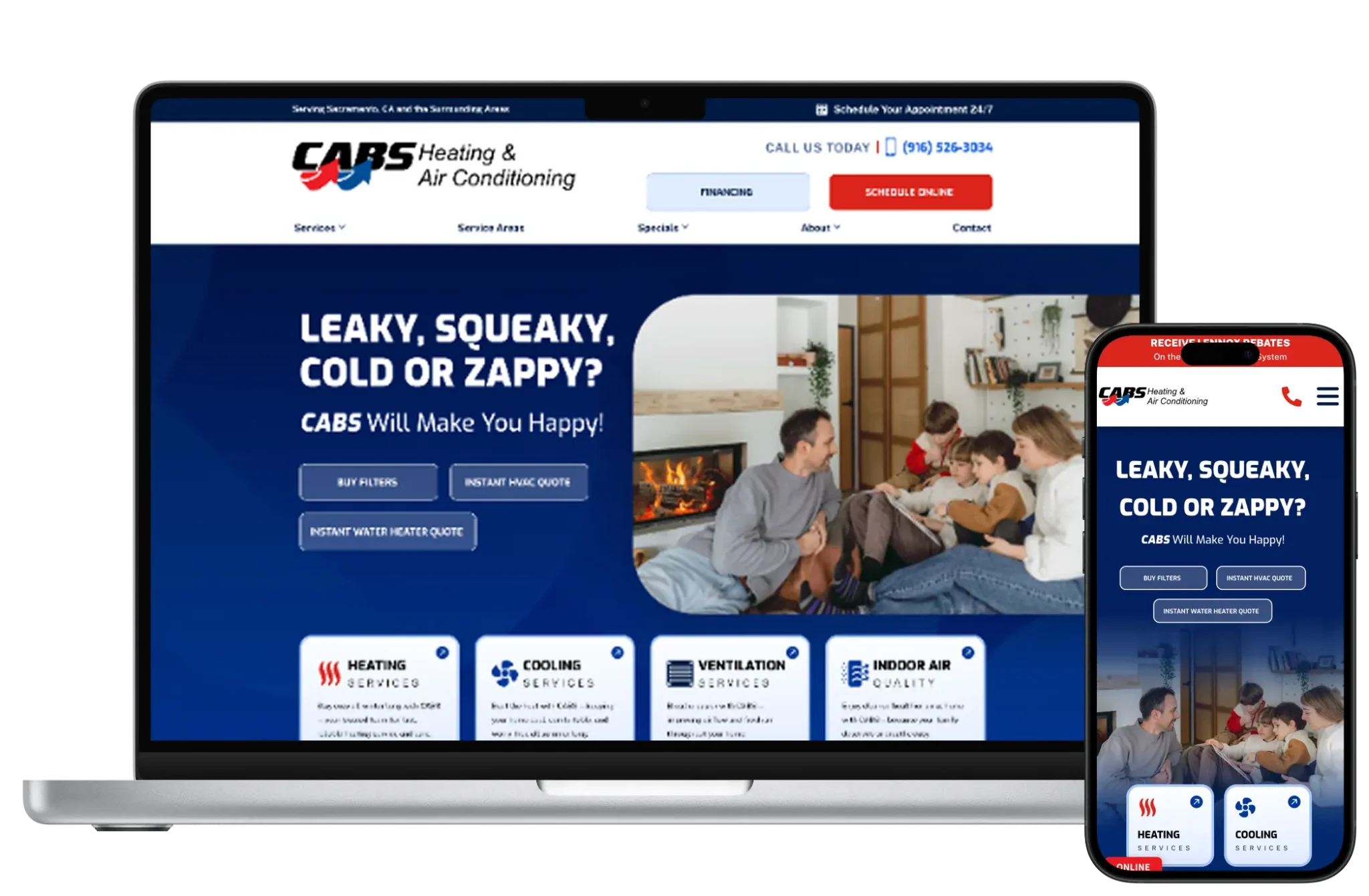
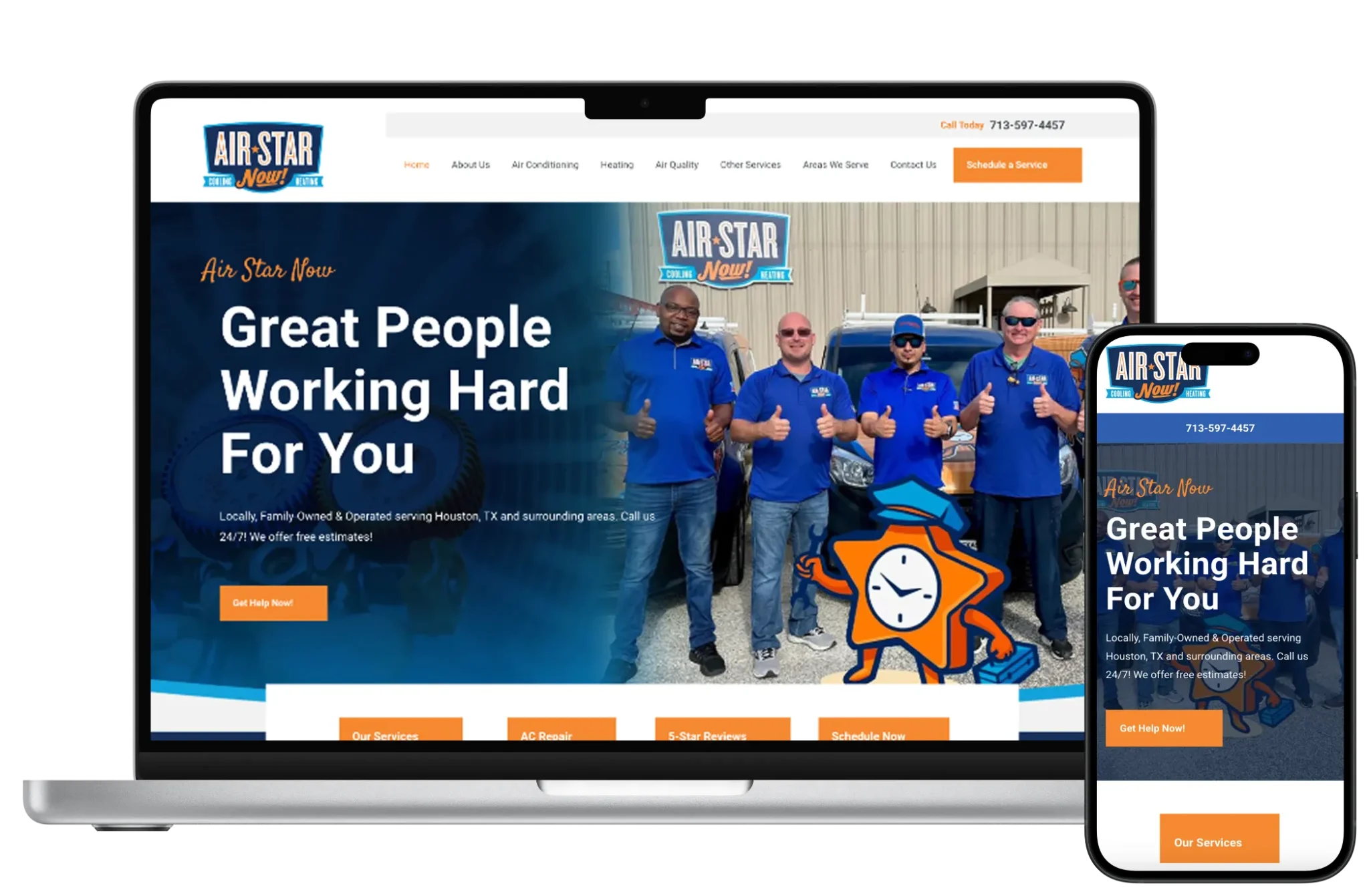
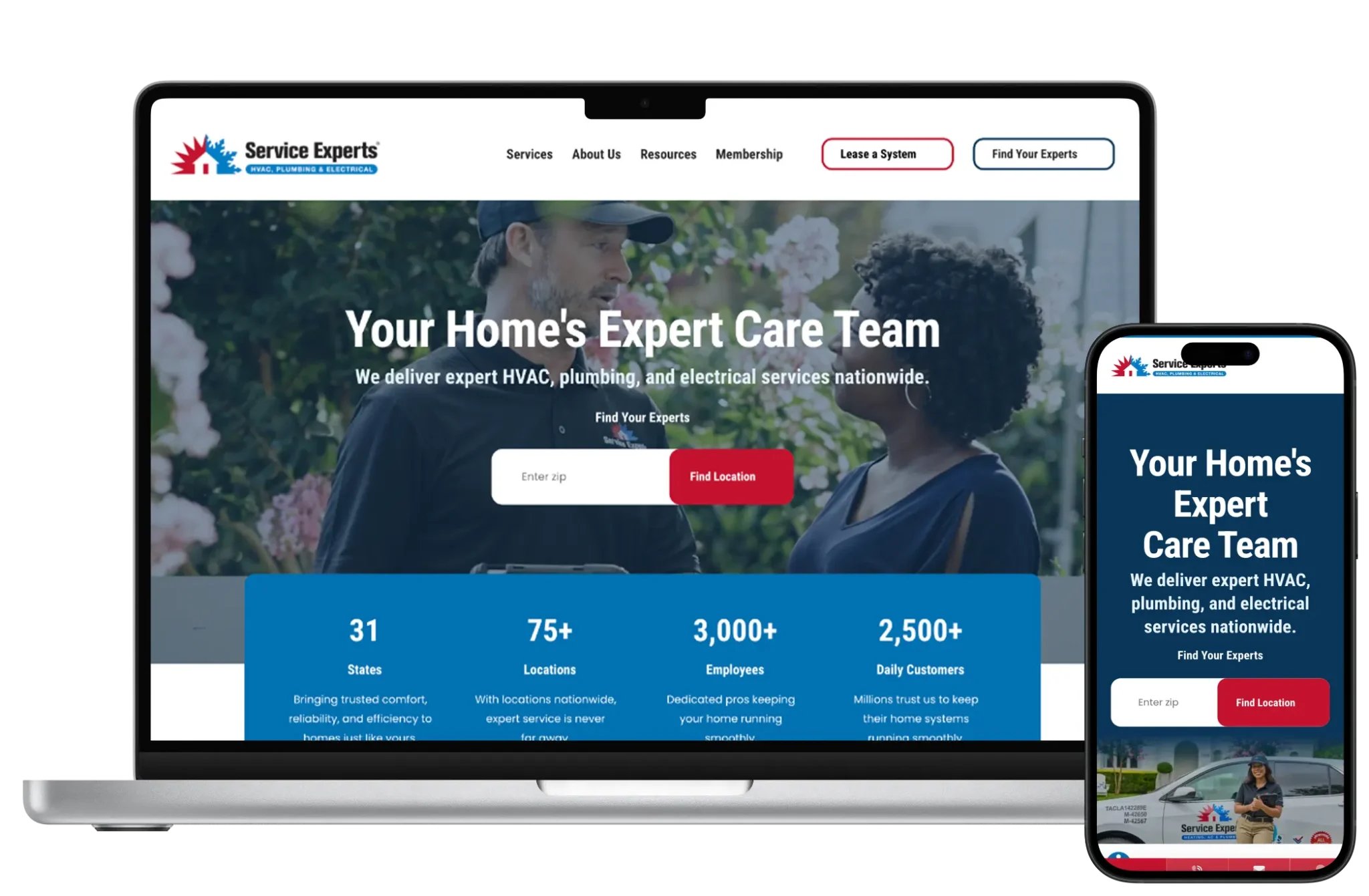
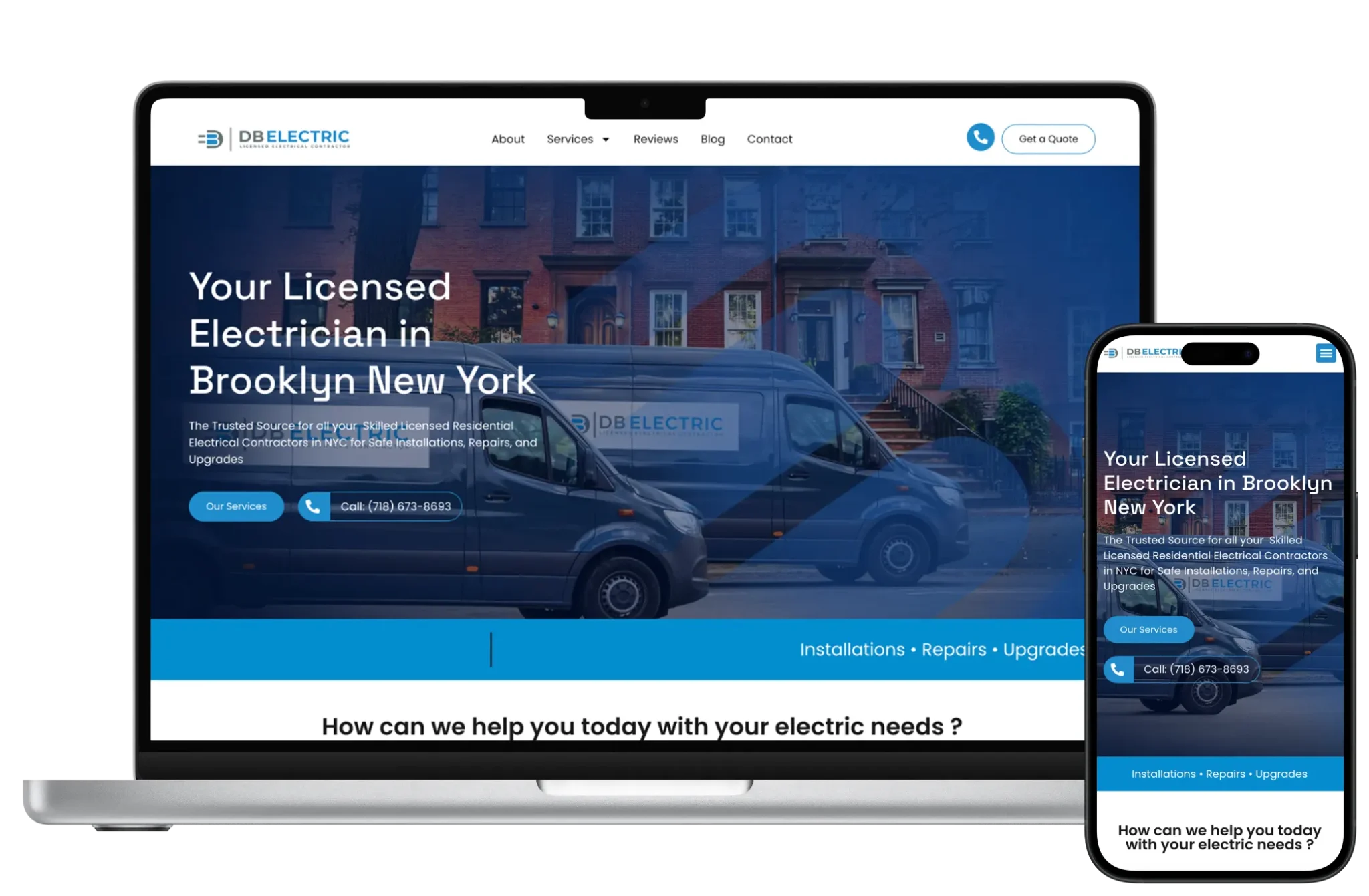
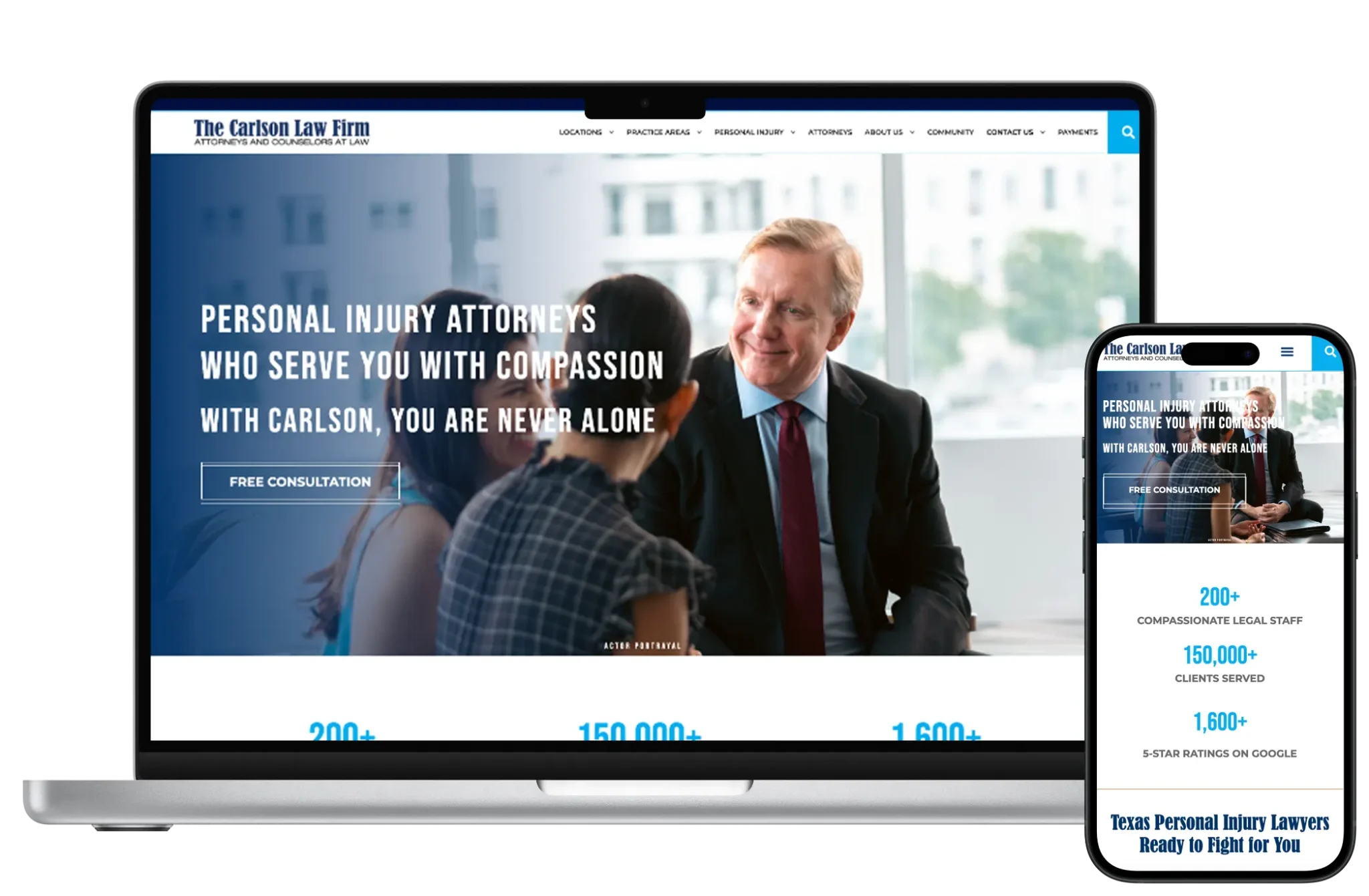
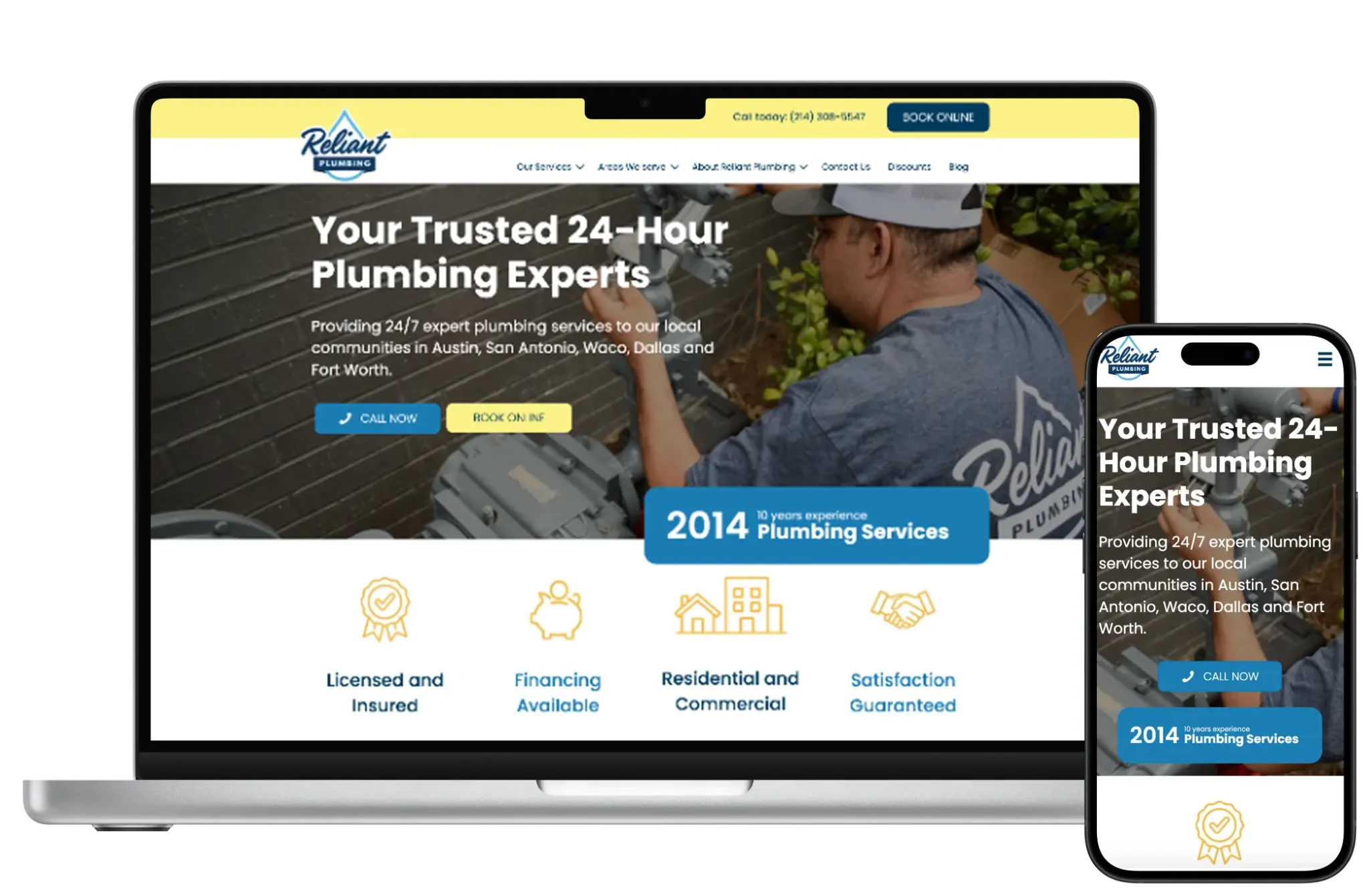
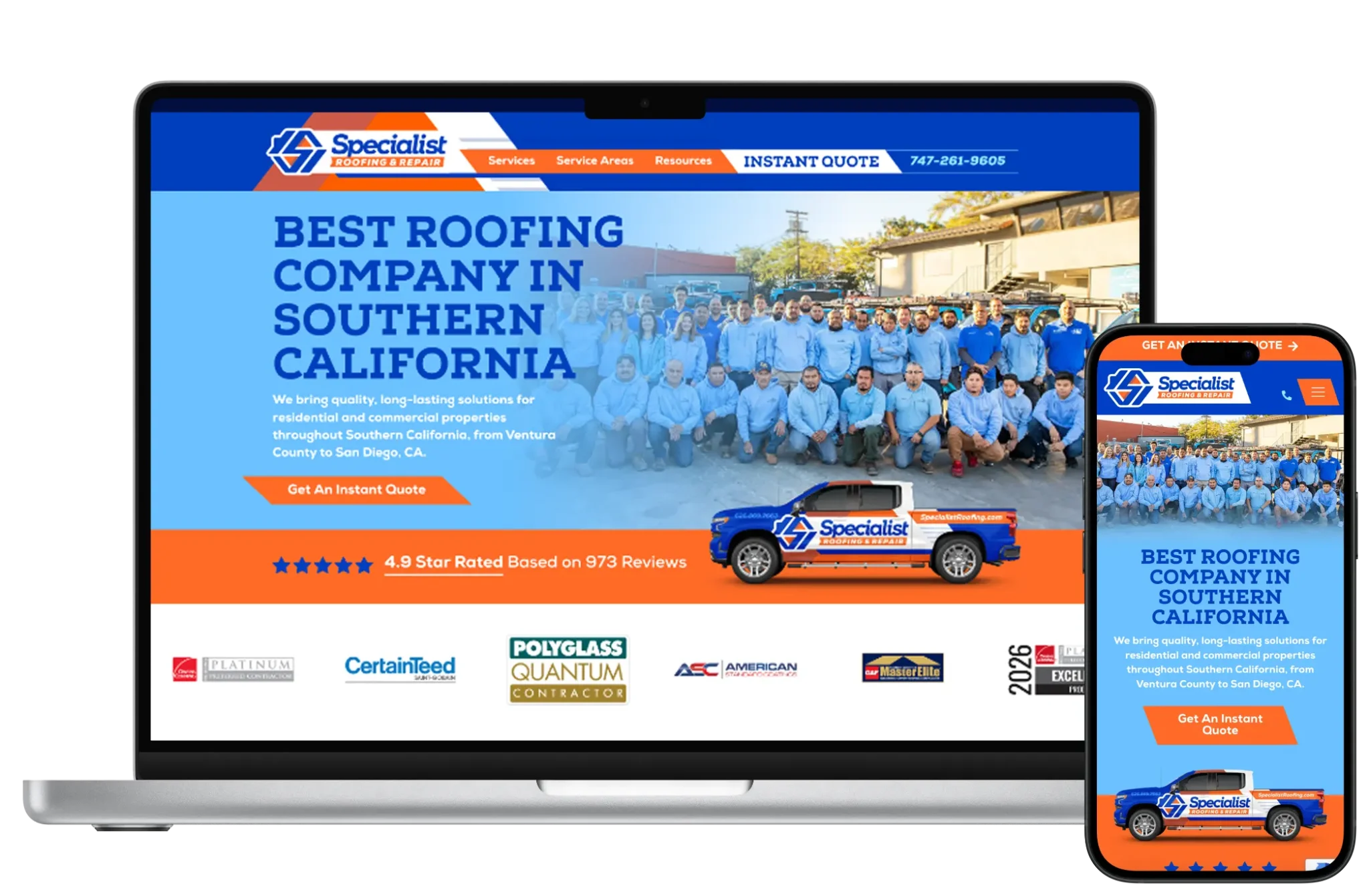
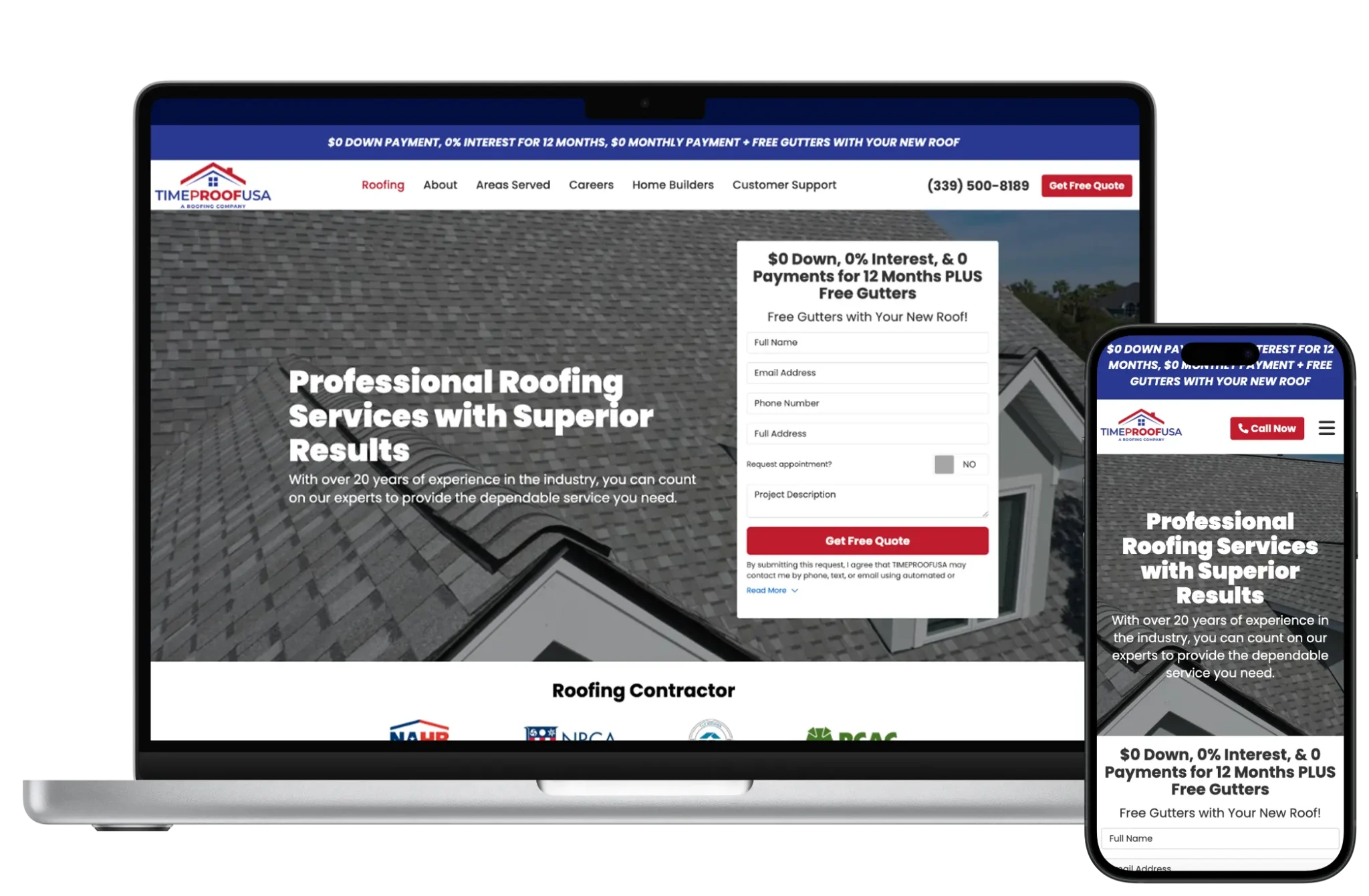
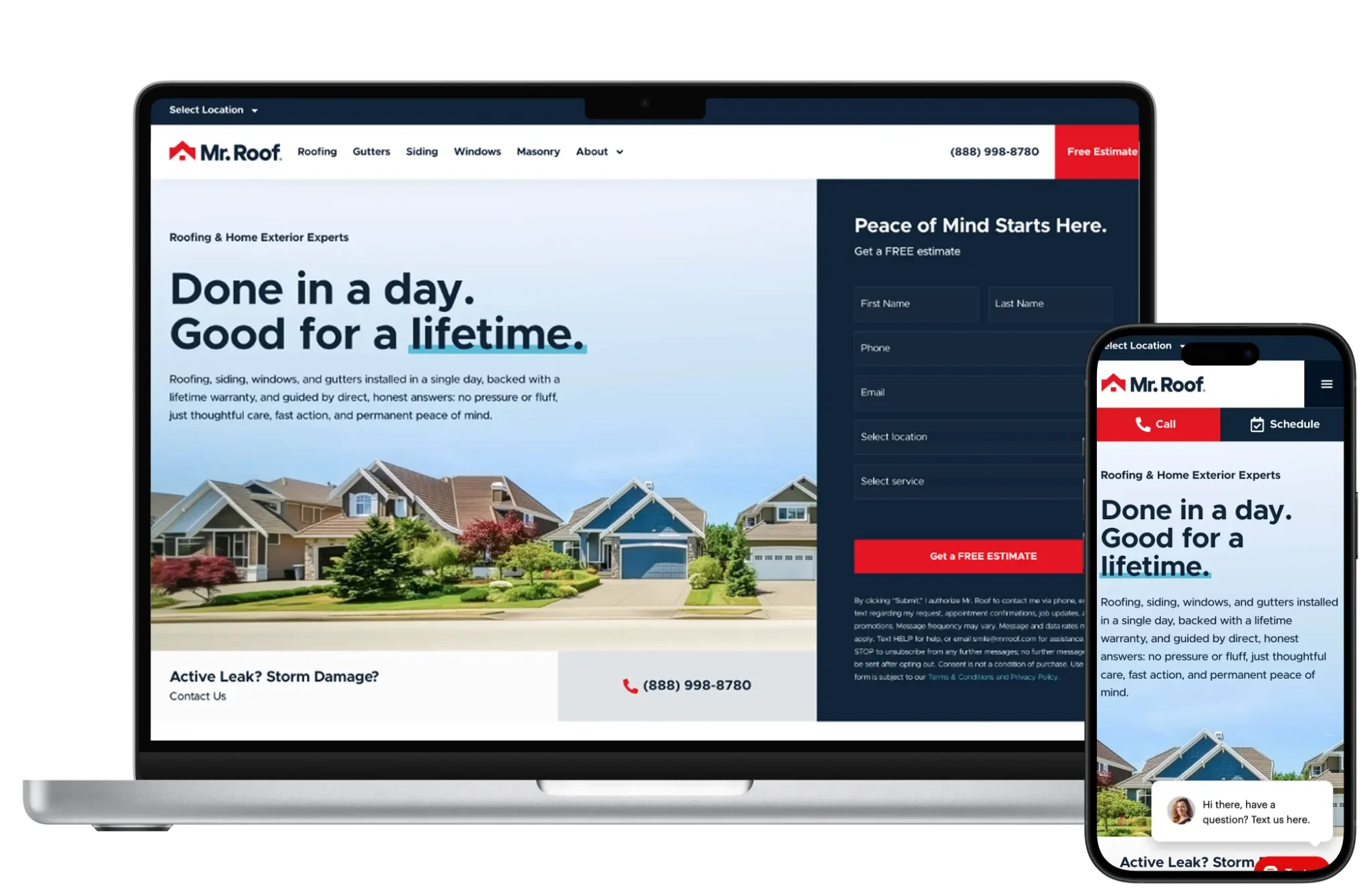
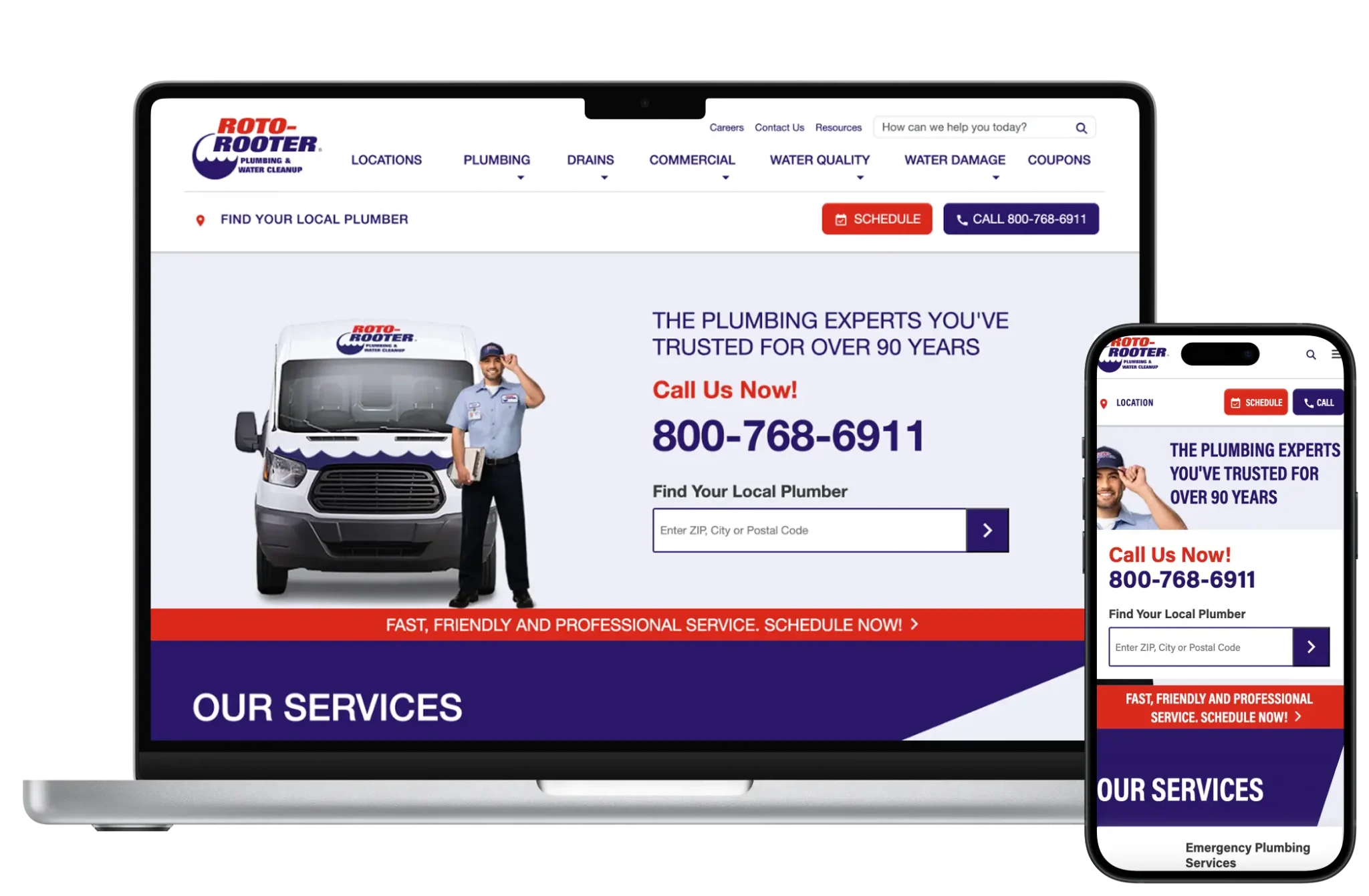
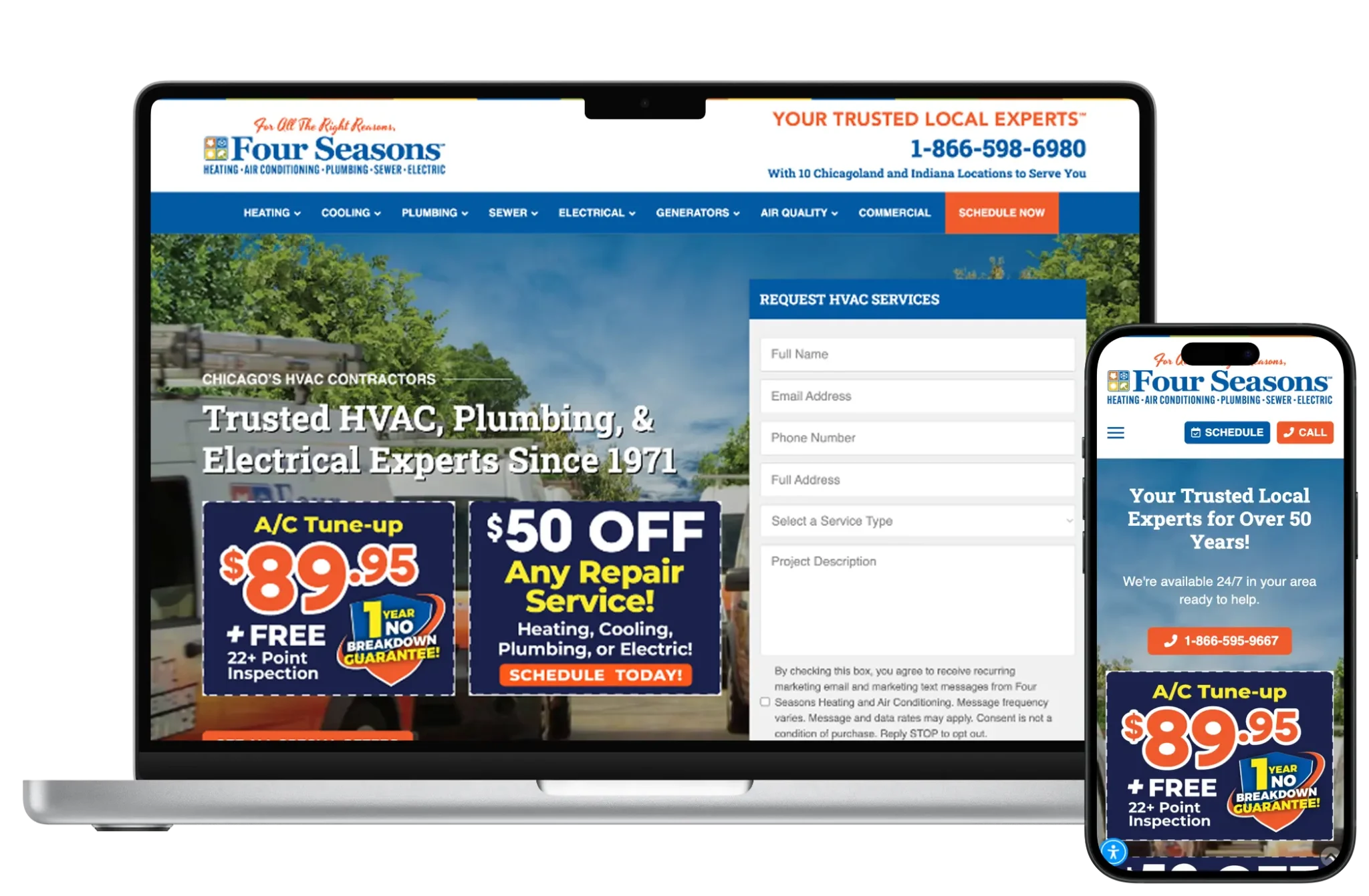
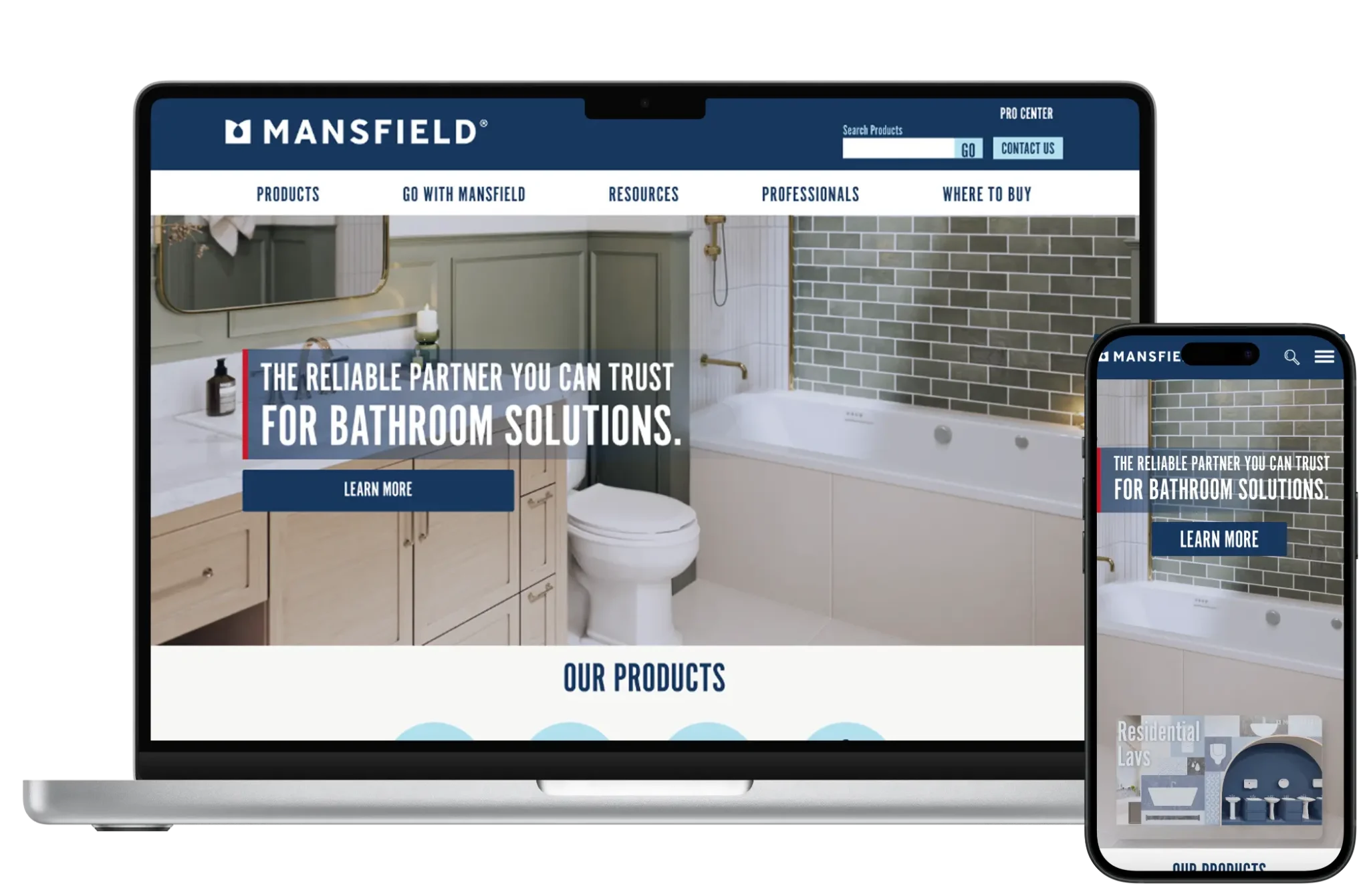
Read more →A look at website designs and layouts we build for service businesses — mockups and project types, not fabricated client claims.

Present modes, special handling, and value-added services without clutter.
Fields that help pricing teams respond intelligently.
Keep locations and square footage claims accurate and updateable.
Speak to vertical compliance and handling needs you actually support.
Recruitment paths that do not derail shipper UX.
Subscription maintenance as network and services evolve.

Primary conversion is an RFQ or sales consult. Secondary may be newsletter or guide downloads for early-stage researchers.
Provide alternate contact for enterprise procurement versus SMB shippers when sales motions differ.
Thank-you pages should set response-time expectations during peak seasons.

Target 3PL, warehousing, and specialty logistics queries with unique capability pages.
Technical SEO includes clear hub structures and avoiding duplicate location stubs.
Content about process, peak season planning, and integration topics can earn organic attention when substantive.
We connect SEO work to technical SEO, on-page SEO, and — when local demand matters — local SEO. We do not promise specific rankings.

Facility-level local SEO helps warehouse and cross-dock locations with genuine NAP and photos.
Corporate brand SEO may be national; local pages should reflect real sites only.
We only recommend location pages when you genuinely serve the area and can add unique value — not doorway-page city spam. See Google Business Profile optimization.

Yearly plans that include design, development, maintenance and SEO foundations — without a large upfront project fee.
For small businesses that need a professional site without a large upfront build.
Best for local and service businesses ready to generate more leads every month.
For growing brands that need ongoing development, SEO and conversion work.
Large sites, complex integrations, multi-location brands and custom applications.
Most lead-focused Logistics Companies engagements fit Growth ($299/year) when local/organic acquisition matters. Simpler brochure sites may fit Starter ($199/year). Multi-location, custom integrations, or heavier development fit Pro ($399/year) or Enterprise.
Setup fees may apply for redesigns, migrations, or large content builds — always disclosed before kickoff. See transparent subscription pricing and how website subscriptions work.
Full notes for challenges, strategy and supporting pages — so the sections above stay scannable.
Lead with capability truth: modes, geographies, facility types, and industries served. Let shippers self-qualify before sales calls.
Design RFQ flows that capture freight profile basics—commodity class, volume cadence, origin/destination patterns—without becoming a full tender document.
Use education on process and technology integrations to support SEO and sales enablement, citing only real systems you operate.
Typical tools and workflows we plan around for Logistics Companies:
Platform choice often lands on WordPress for service businesses, or Shopify / WooCommerce when commerce is central.
Digital diligence still happens. A clear site shortens RFQ cycles and supports inbound shippers you are not meeting at conferences.
Only with substantiation. We will not invent KPIs for marketing.
We pursue niches and capabilities where you can compete. Rankings against global brands are not guaranteed.
Straight answers about scope, pricing, ownership and what a subscription includes for this page.
Yes if they are one brand, with clear service separation so buyers find the right path quickly.
Yes. Portals usually stay on separate apps; the marketing site should deep-link cleanly.
Detailed enough to price conversations, short enough to complete. We tune fields with your sales team.
Yes, based on industries you truly serve—not invented specialties.
Yes. We design careers IA that supports hiring without confusing shipper navigation.
Only current, verifiable certifications. Expired badges hurt trust.
Operationally useful pieces outperform generic supply-chain thought leadership fluff.
Networks, services, and hiring needs change. Subscription updates keep capability claims accurate.
No. We improve discovery and RFQ conversion foundations without guarantees.
3PL and logistics websites with honest footprint pages, RFQ intake, and ongoing SEO.