

Challenges Law Firms face online
Practice-area pages are thin clones that do not reflect how matters actually begin.Attorney bios list bar admissions but omit languages, focus…
Read more →Law firm websites
Law firm websites operate under heightened trust expectations. Visitors evaluating counsel are making YMYL-adjacent decisions: they need practice-area clarity, attorney credentials, and a…

Law firm websites operate under heightened trust expectations. Visitors evaluating counsel are making YMYL-adjacent decisions: they need practice-area clarity, attorney credentials, and a confidential path to talk—without flashy guarantees or fabricated verdict tallies. 66sites builds subscription websites designed for that reality, combining design, development, maintenance, and SEO in a monthly operating model. Intake quality is a growth lever: matter type, urgency, and basic conflict cues without over-collecting sensitive facts.
Multi-practice firms often fail online when navigation dumps every practice into undifferentiated blocks. Someone seeking employment counsel should not wade through personal injury slogans to find the right intake path. We structure information architecture around practice areas, jurisdictions you actually cover, and how consultations begin. Practice expansion should dictate which pages earn depth first—monthly prioritization beats spreading SEO effort evenly across legacy pages you no longer staff.
Compliance-minded content and ethical conversion patterns matter as much as visuals. Disclaimers, advertising-rule sensitivity by jurisdiction, and honest process descriptions protect the firm while still helping qualified prospects take the next step. We iterate monthly as practices expand and pages need refinement. After-hours expectations for certain practices must be explicit to protect both conversion and ethics perception.
Practical website, conversion and SEO work tailored to how your buyers actually decide.
Practice-area pages are thin clones that do not reflect how matters actually begin.Attorney bios list bar admissions but omit languages, focus…
Read more →
Legal buyers typically move from problem recognition to practice-area research, attorney evaluation, then consultation request. The site should…
Read more →
Practice areas hub. Organizes the firm’s real offerings so visitors self-route before intake. This page earns its place because searchers and sales…
Read more →A look at website designs and layouts we build for service businesses — mockups and project types, not fabricated client claims.
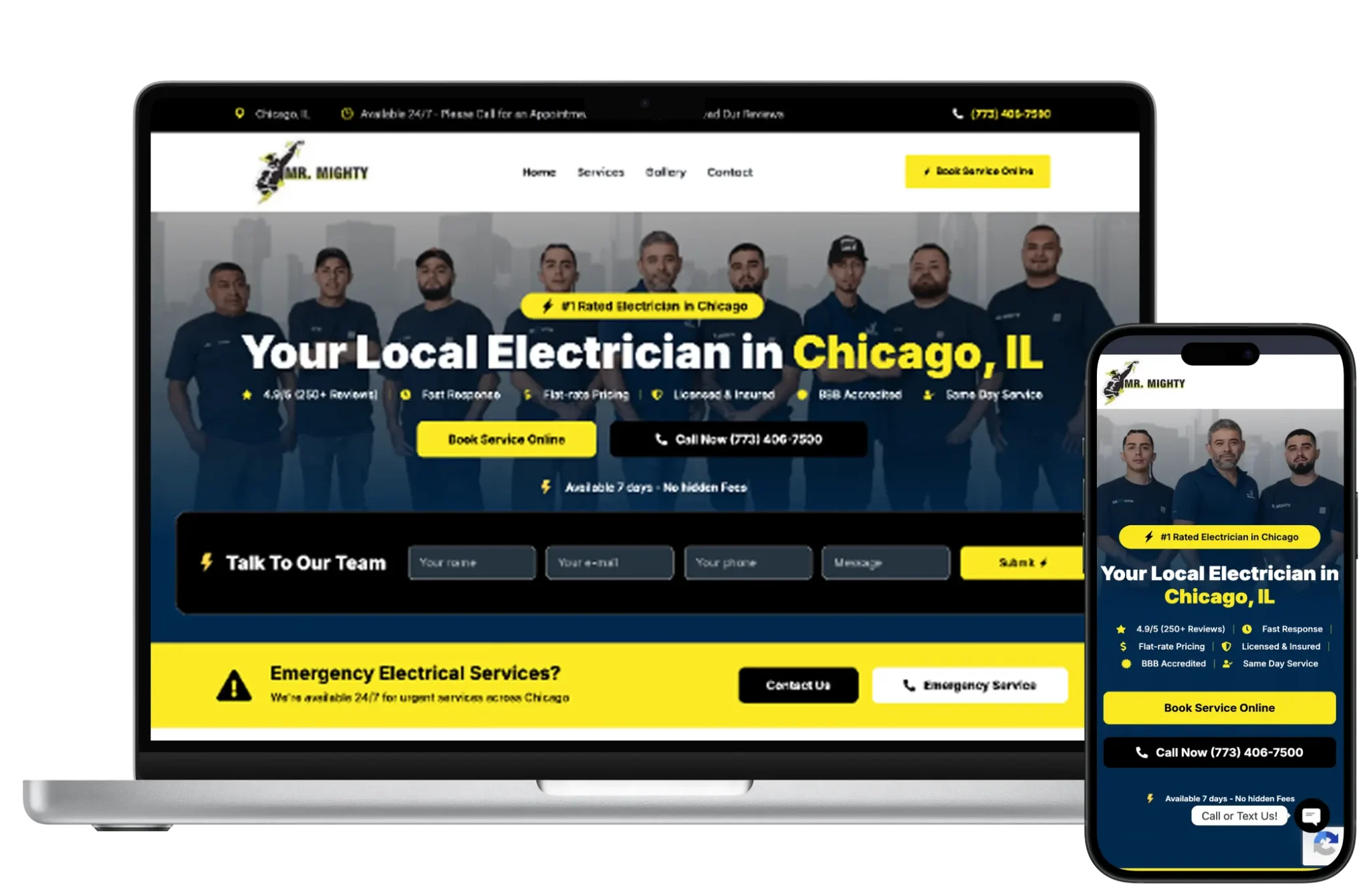
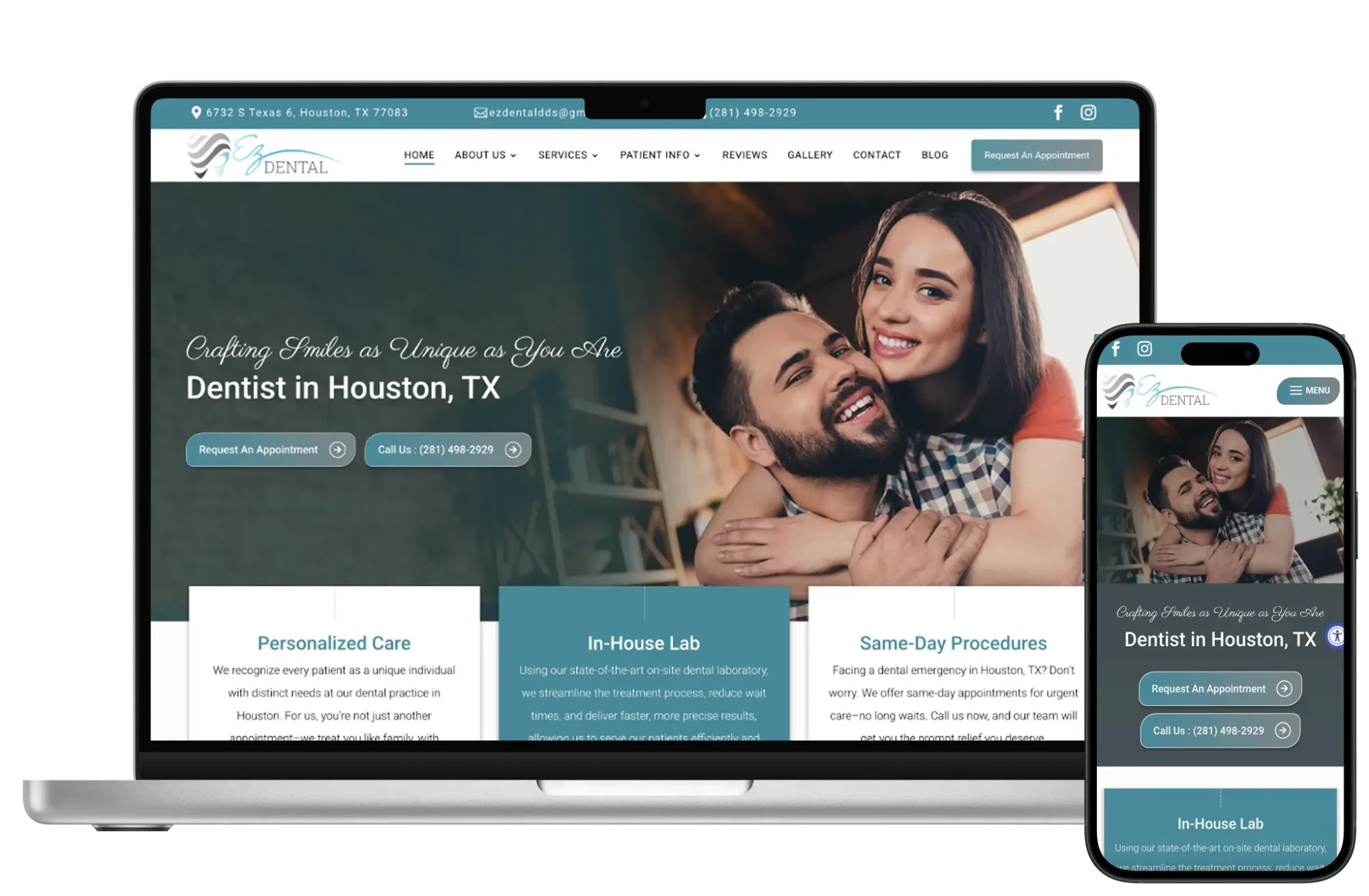
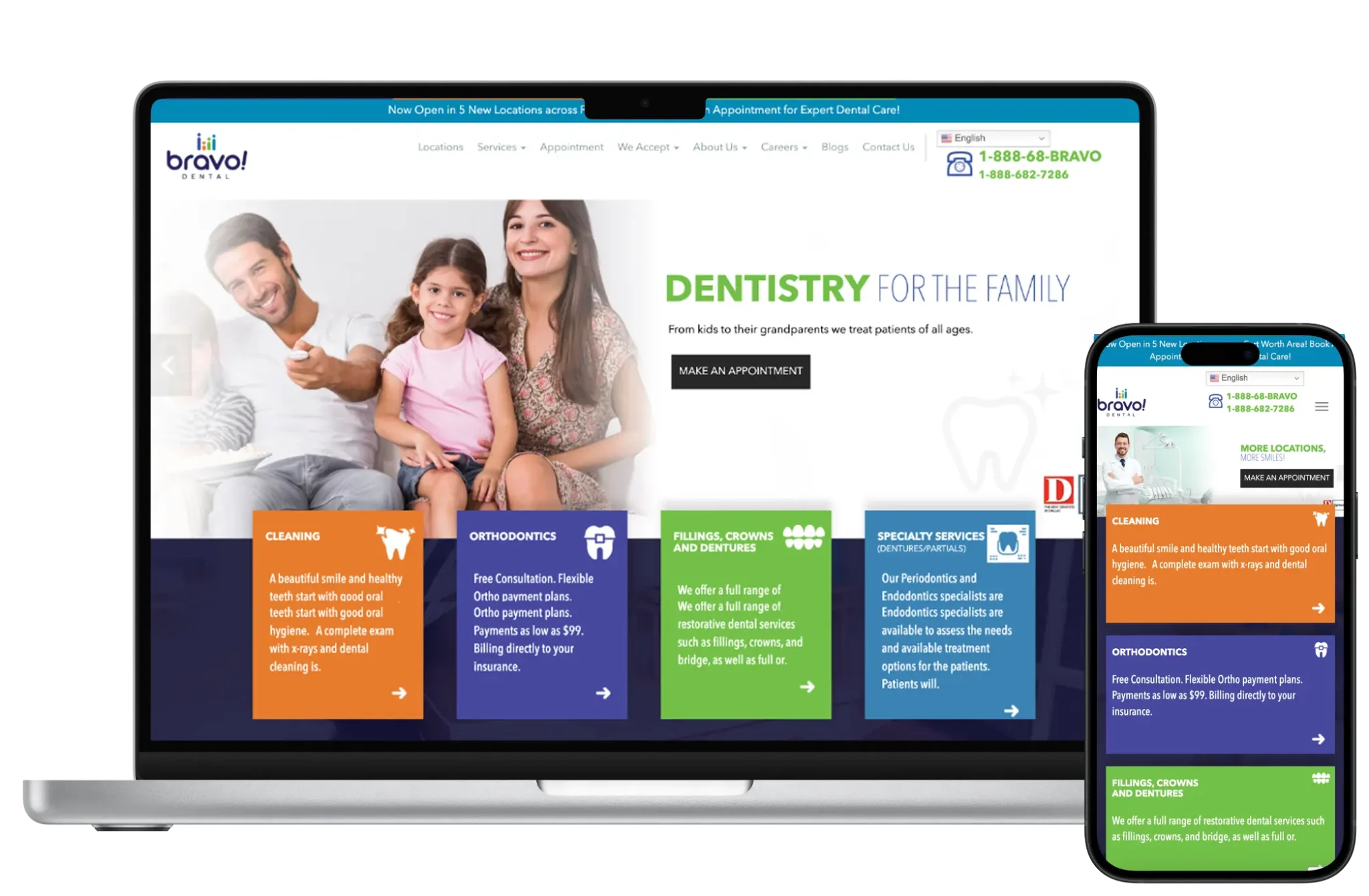
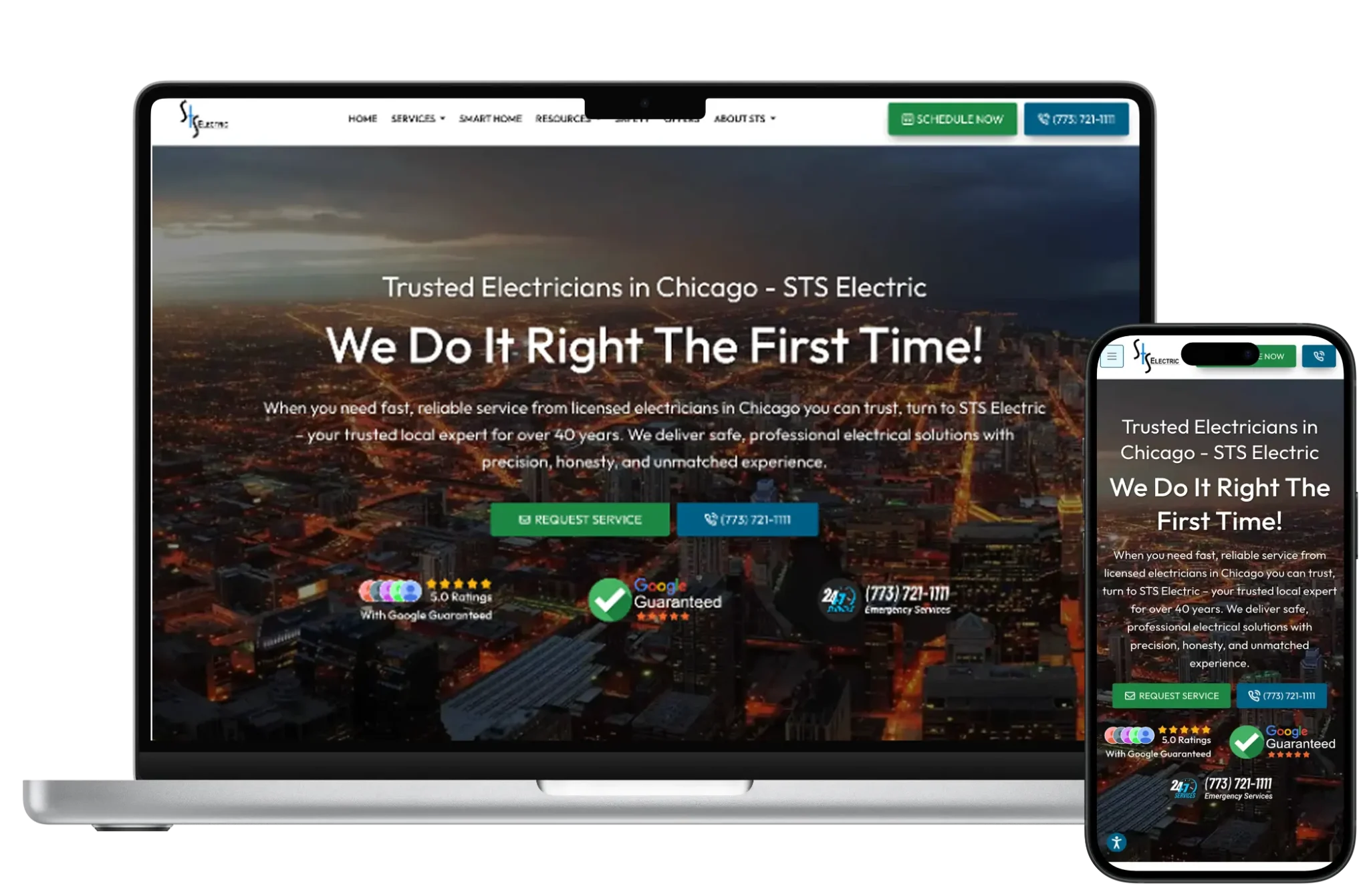
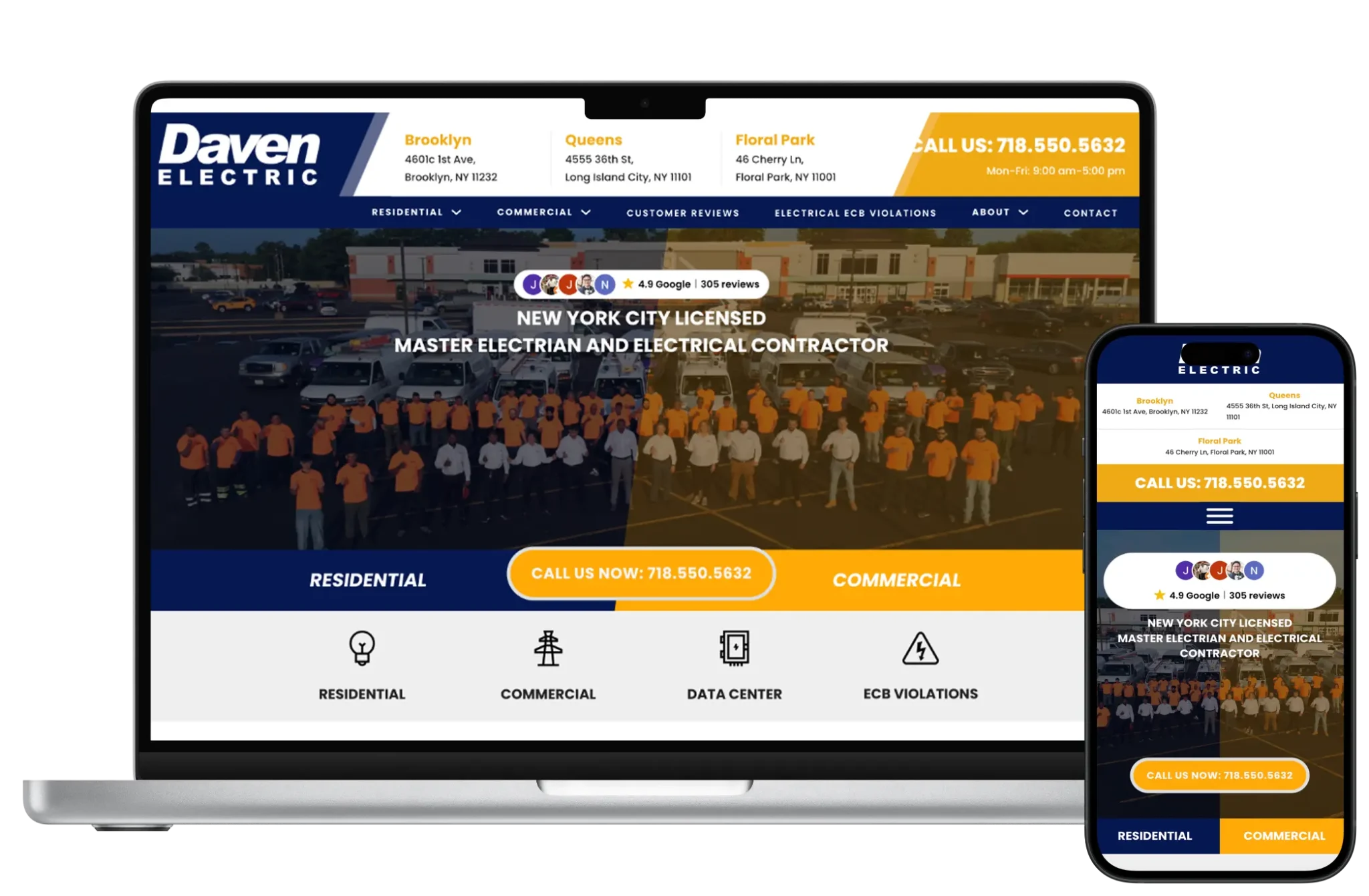
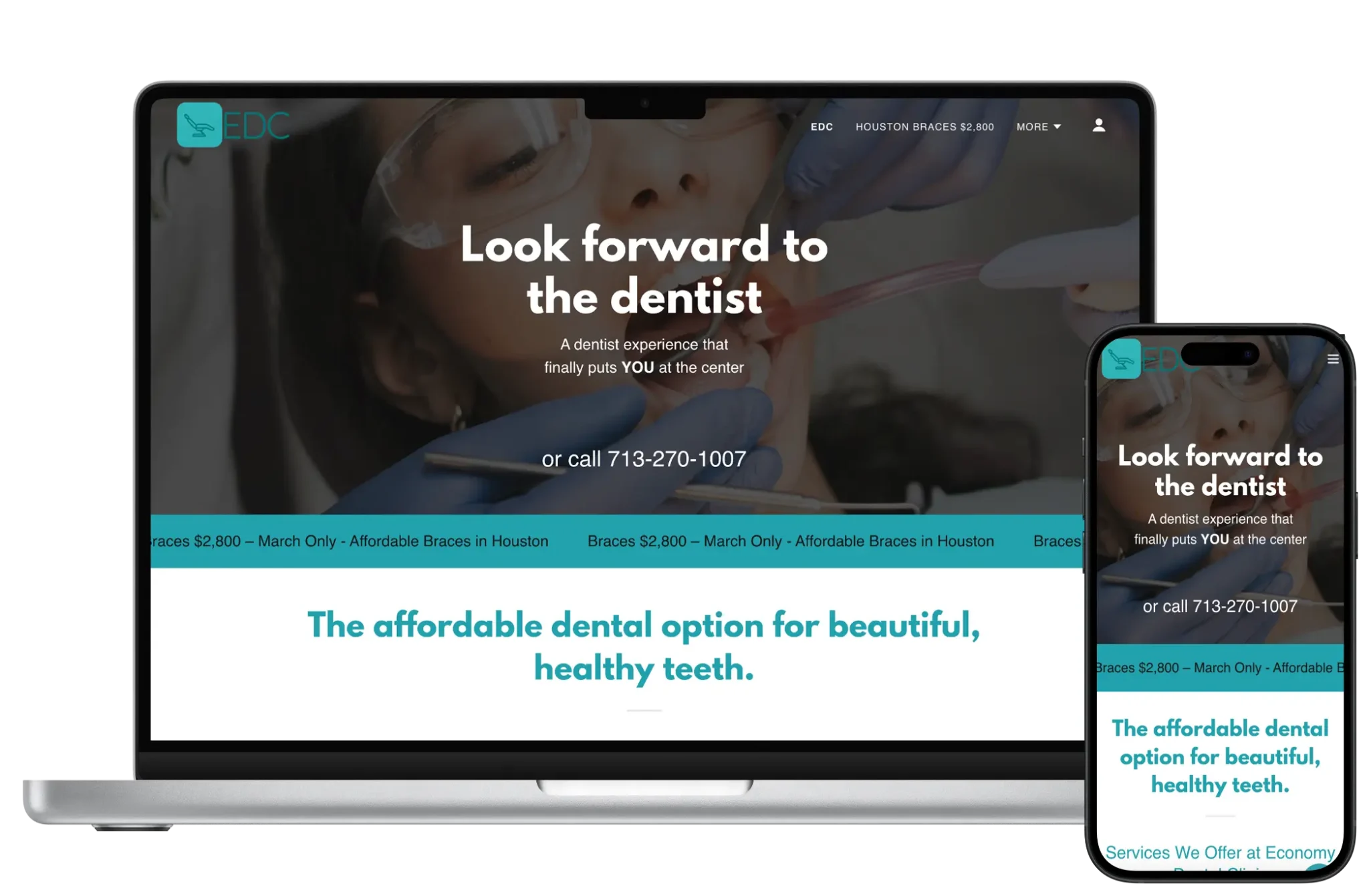
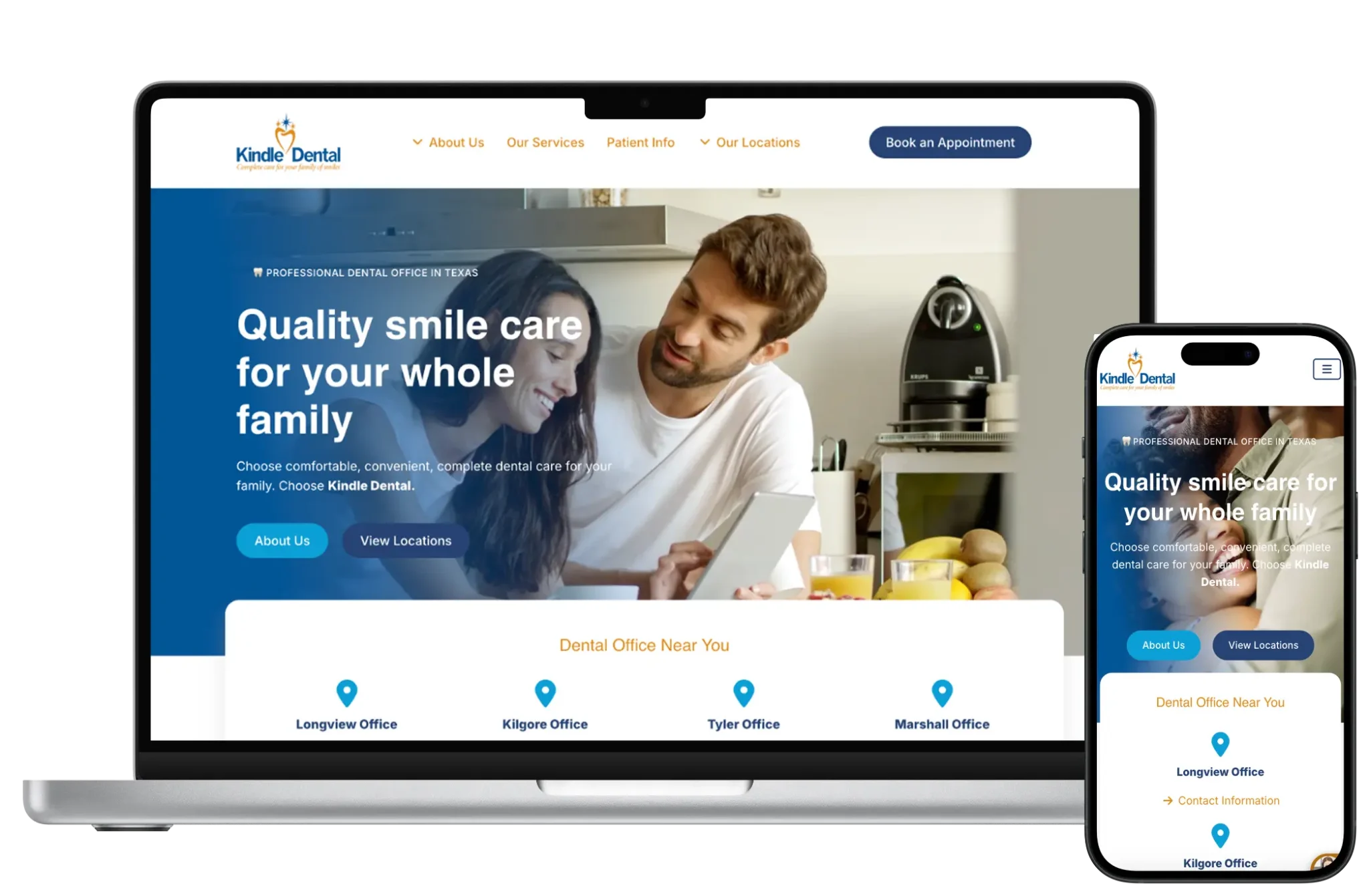
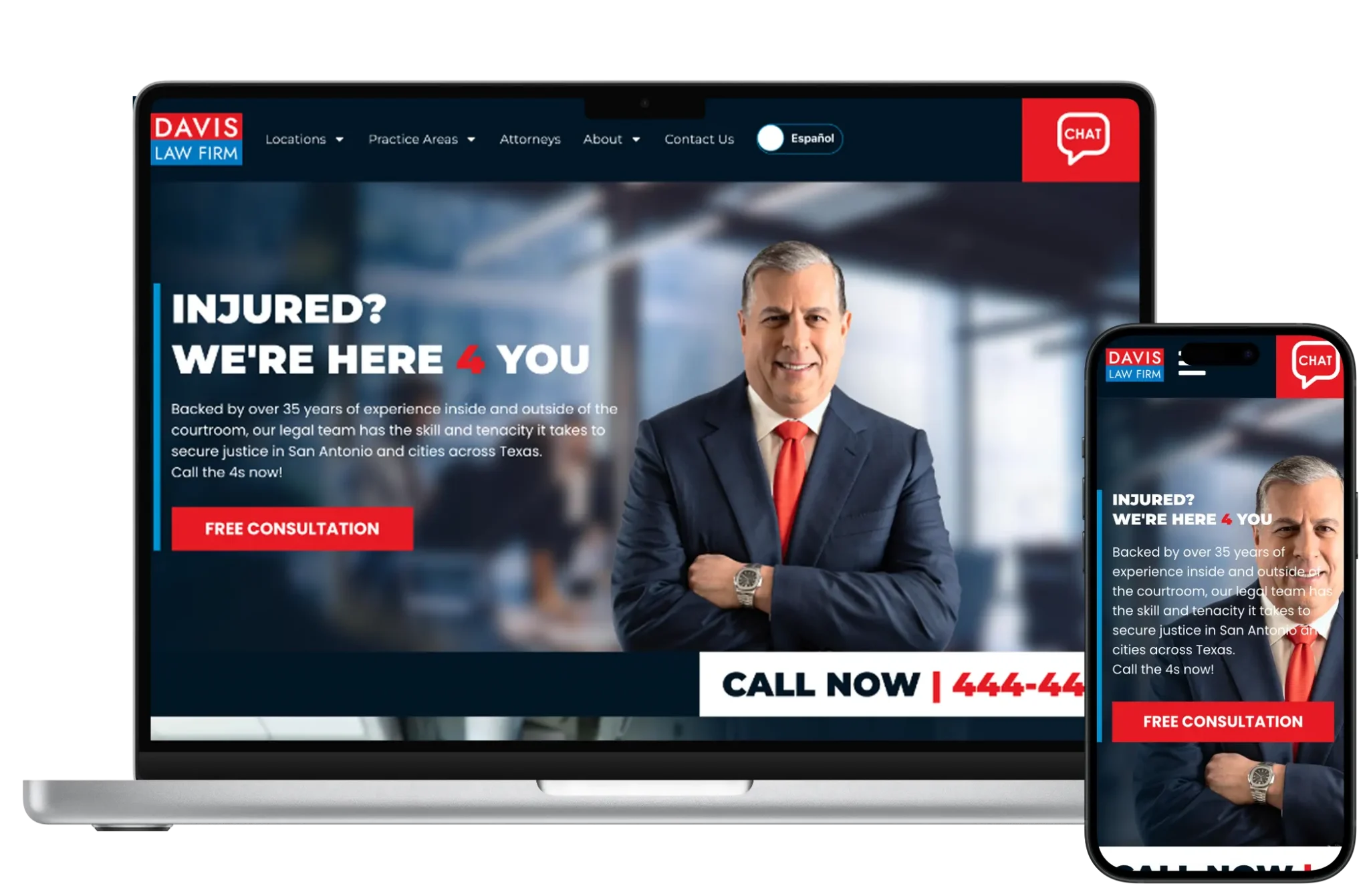
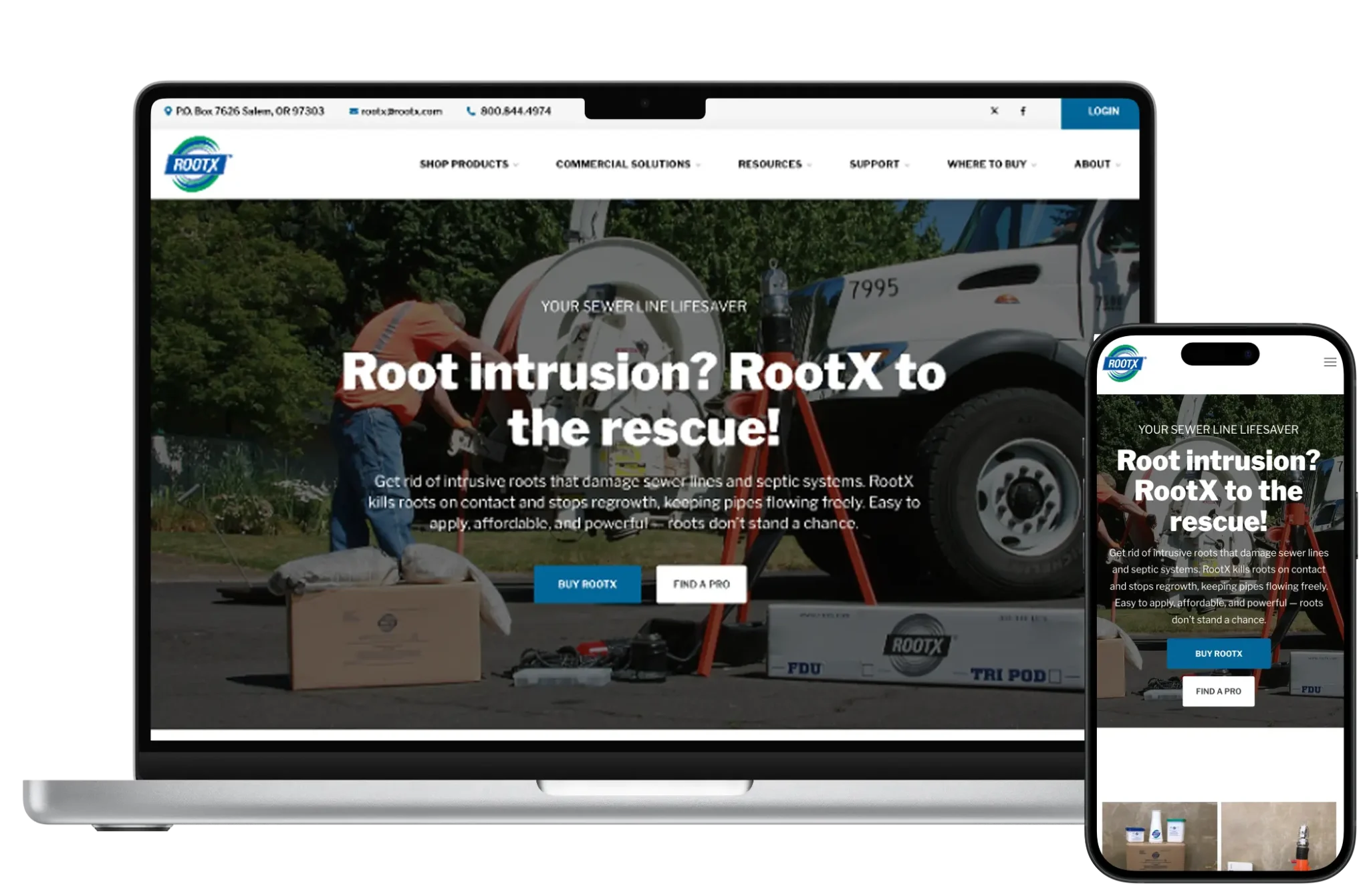
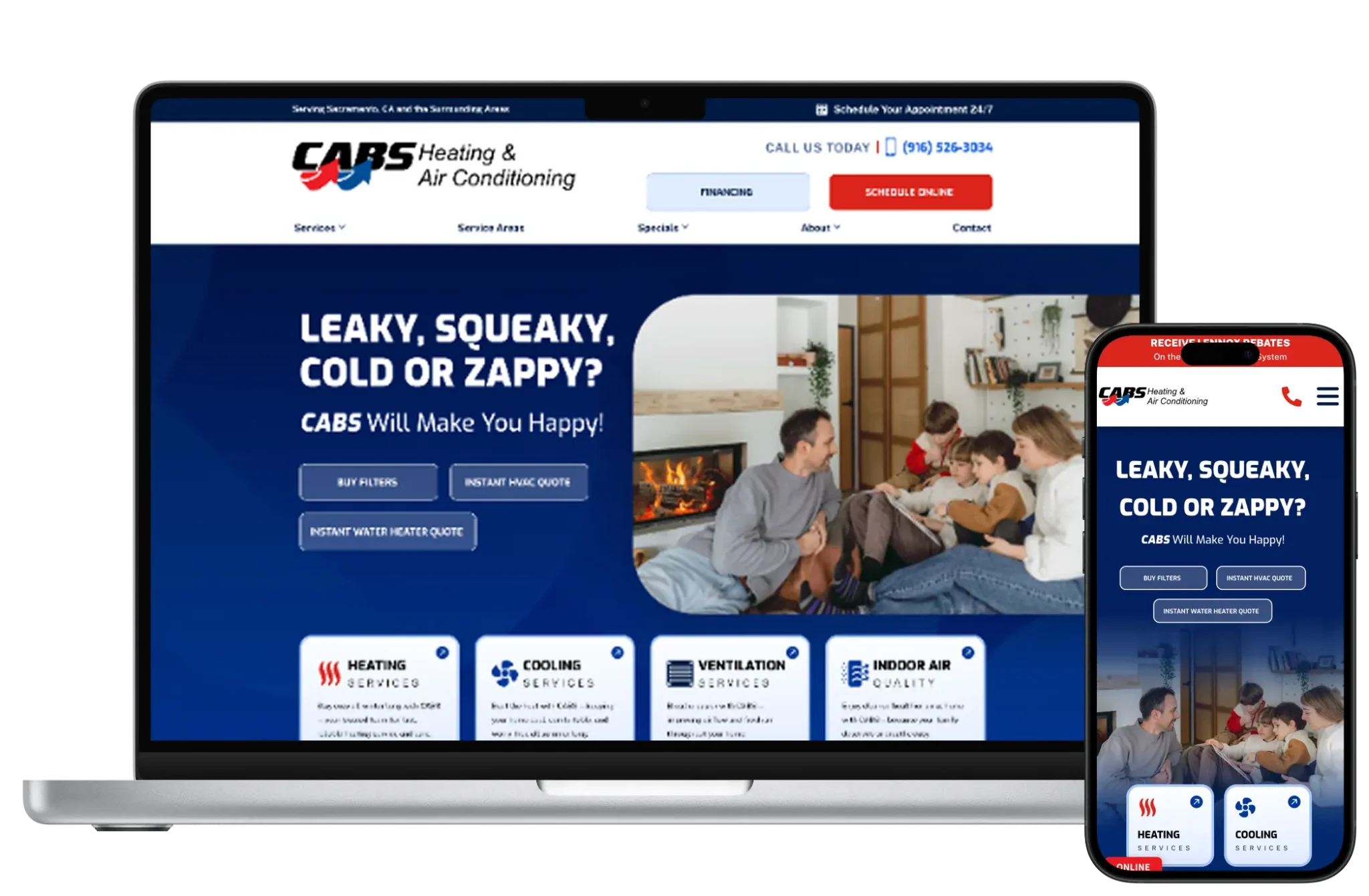
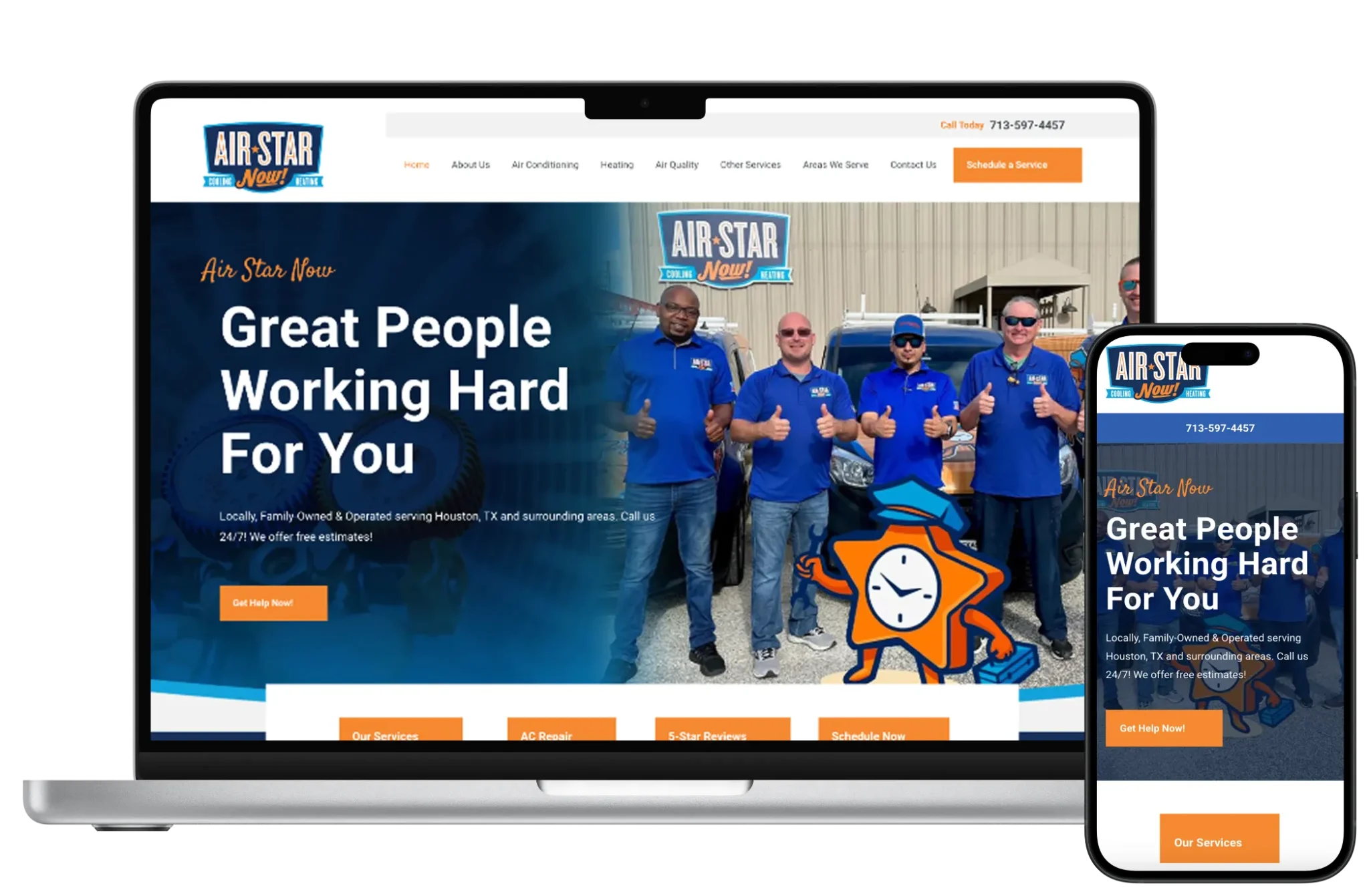
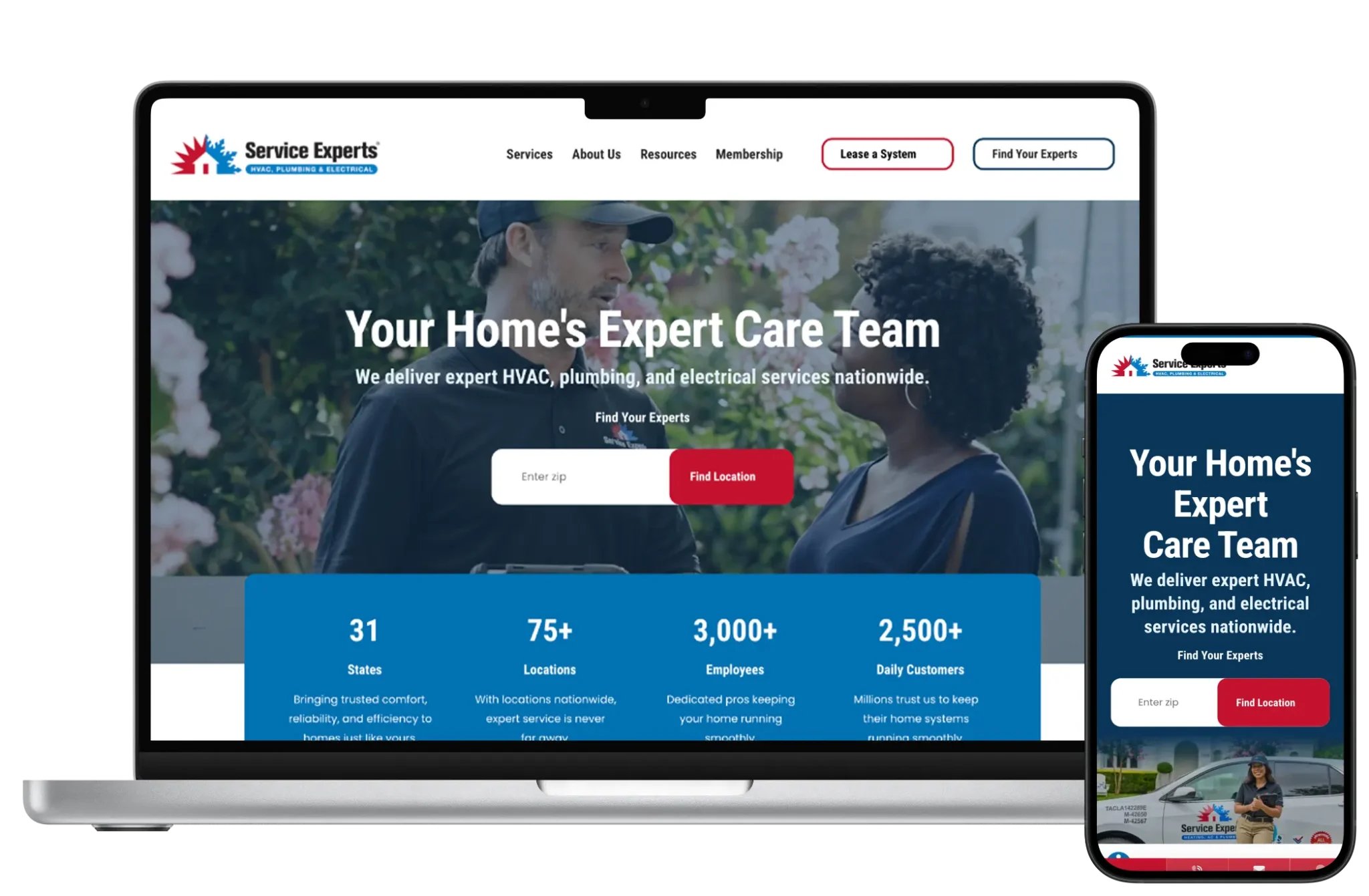
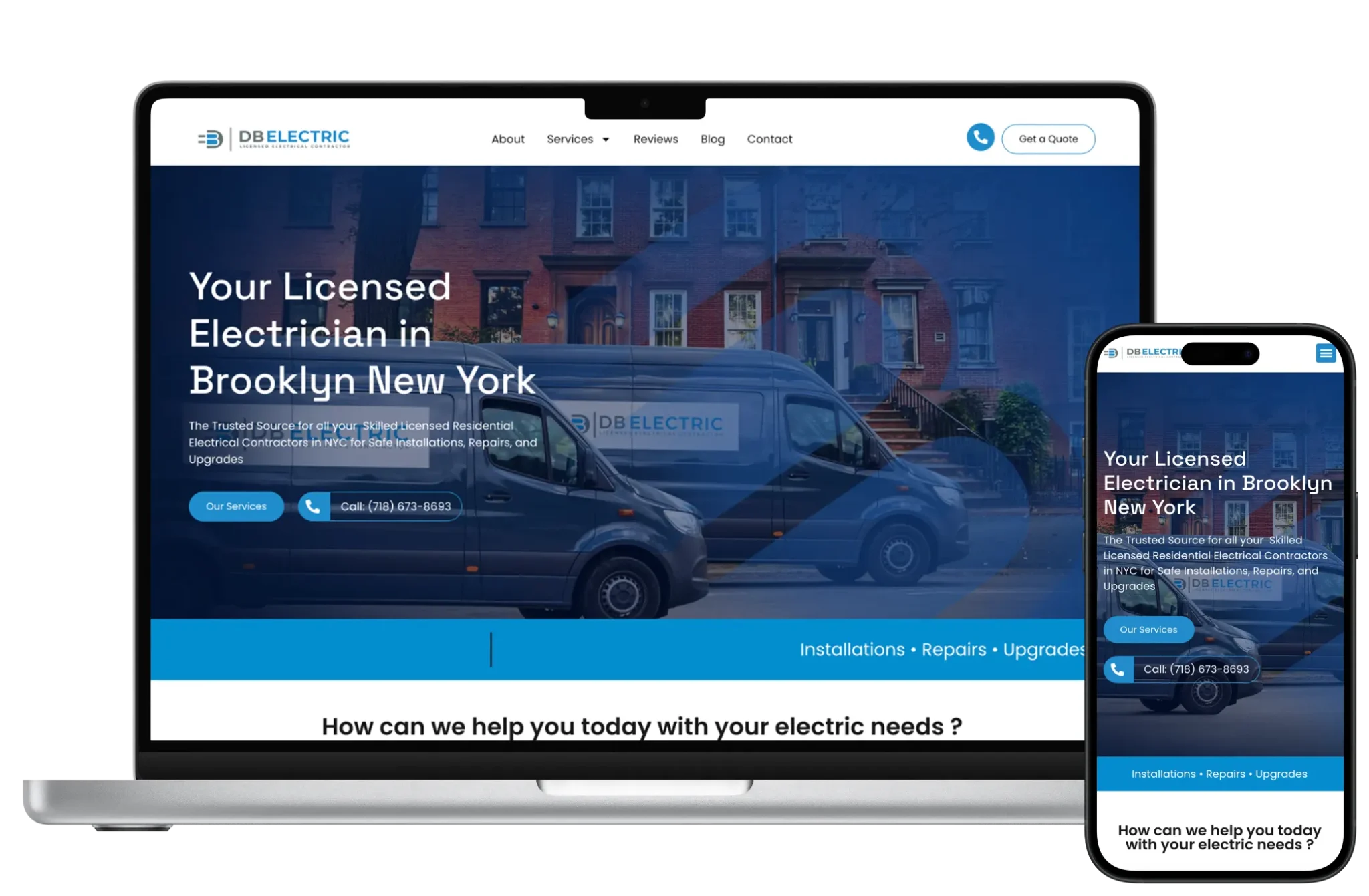
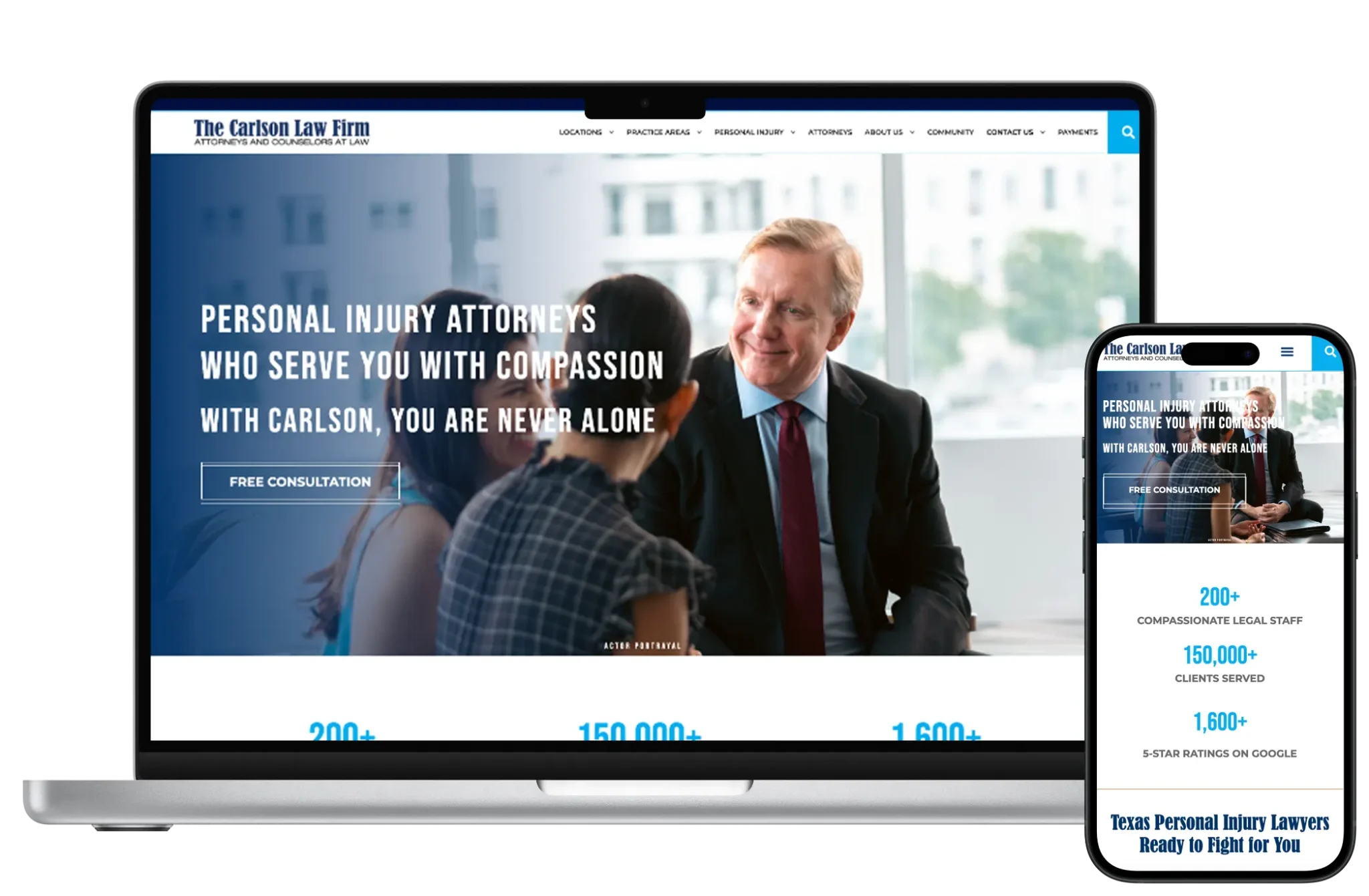
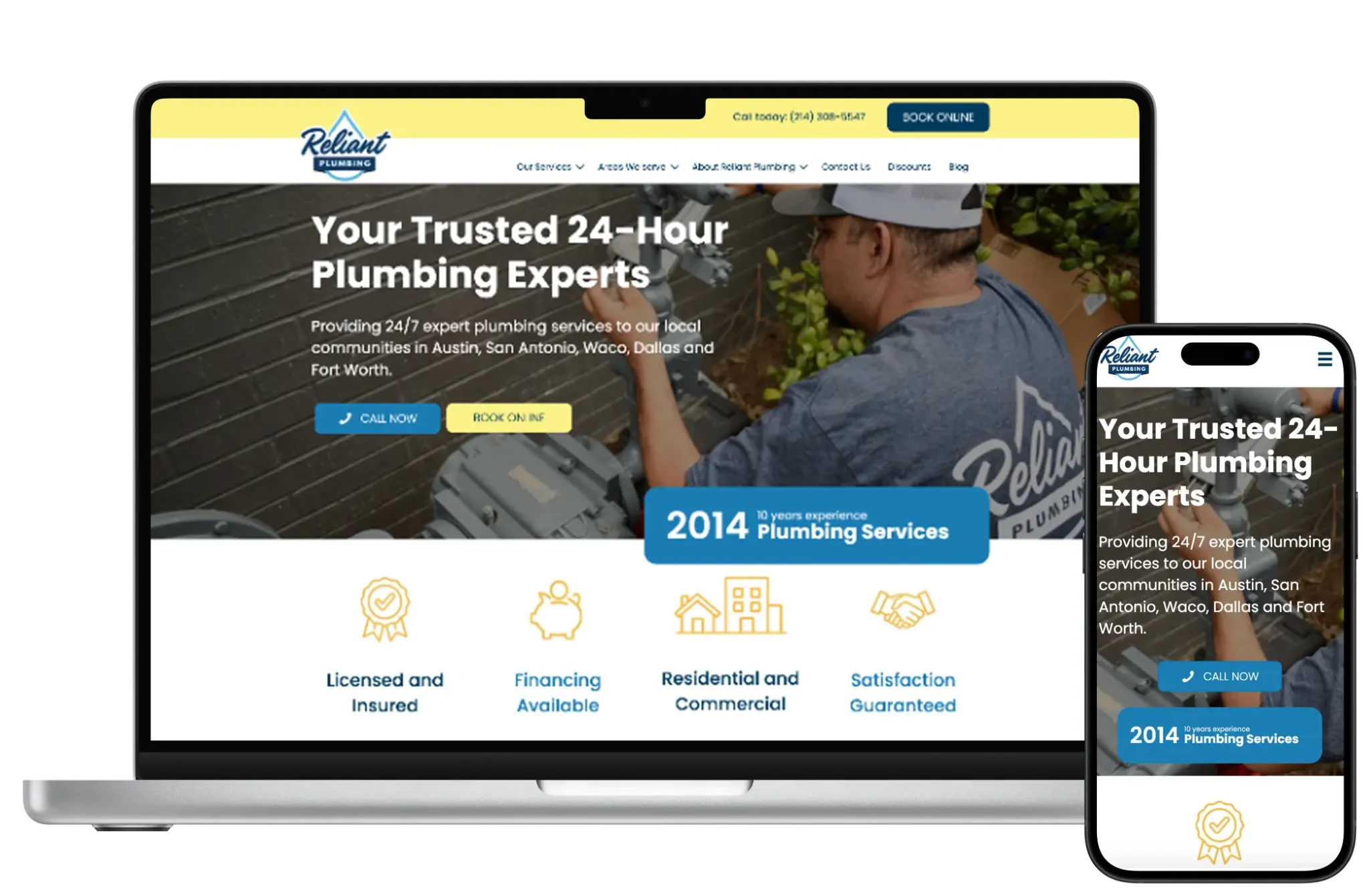
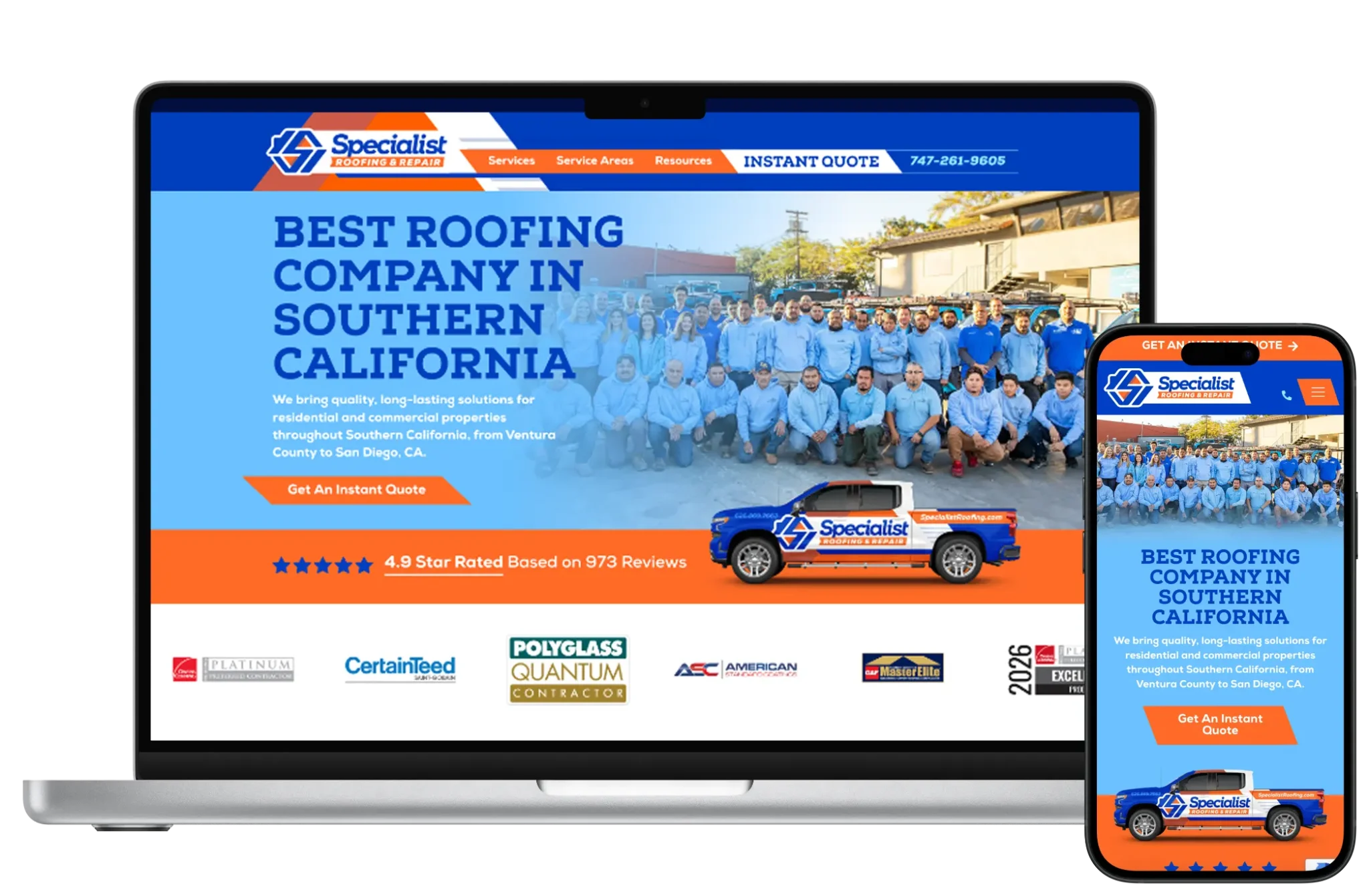
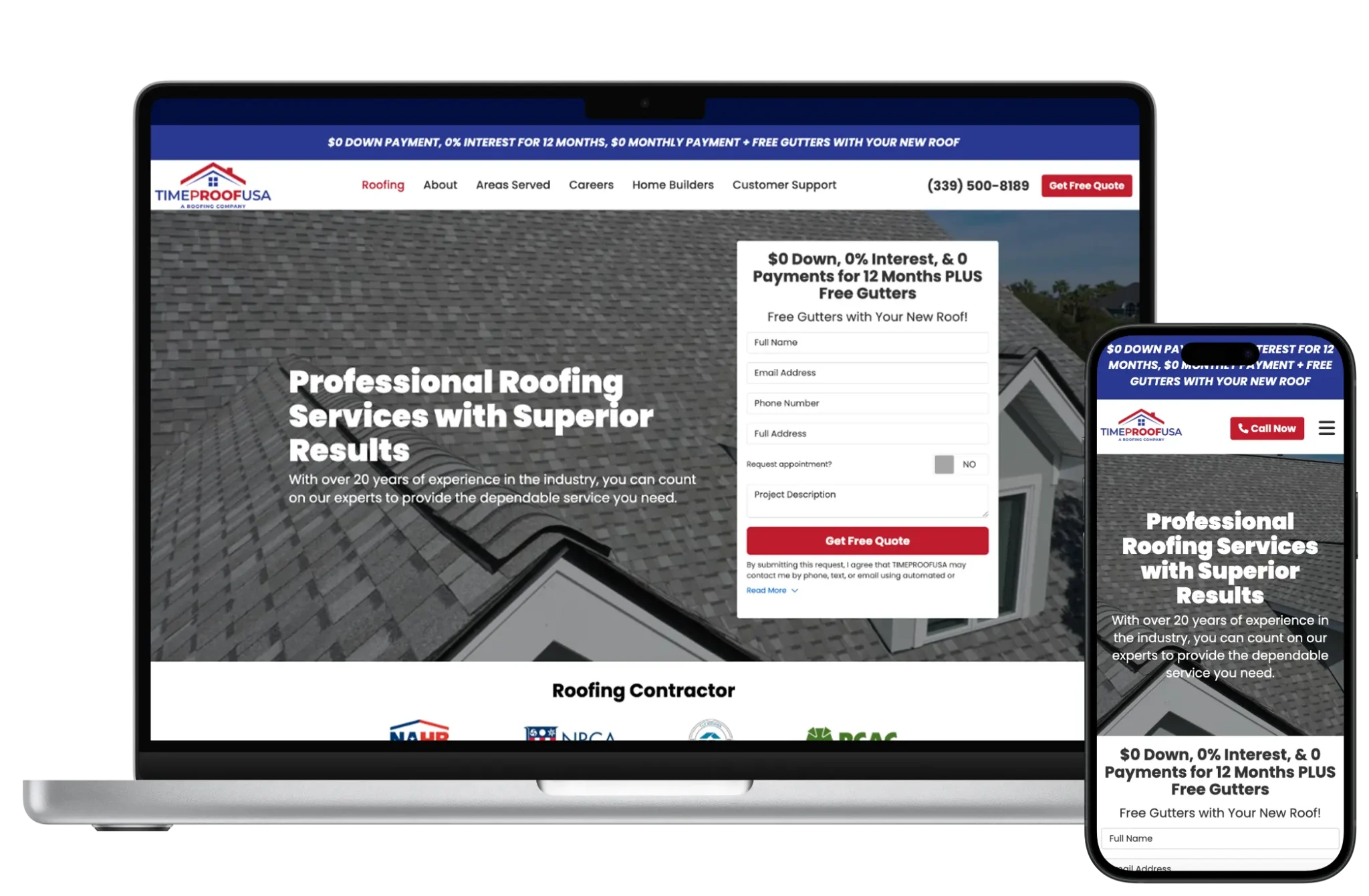
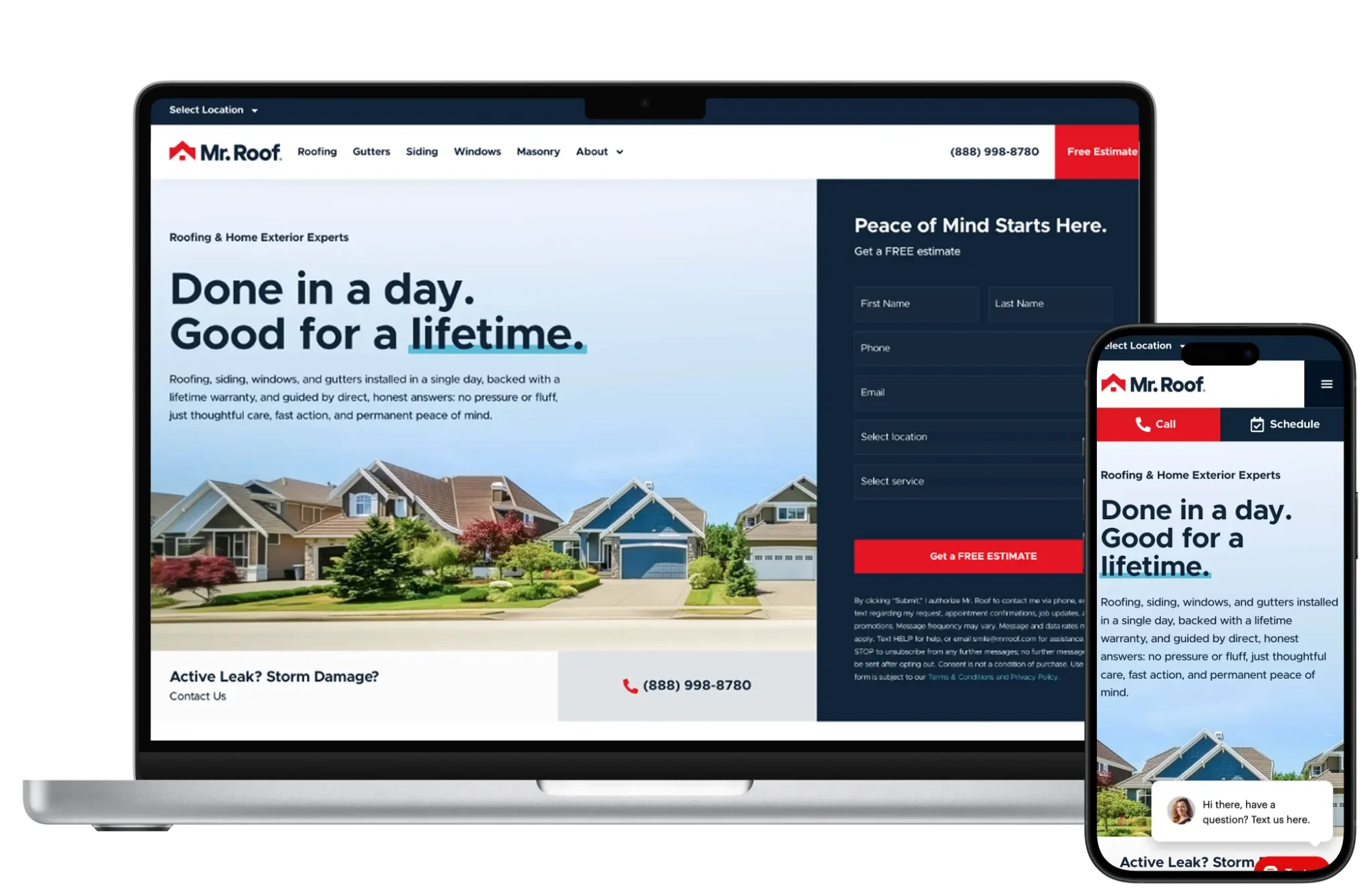
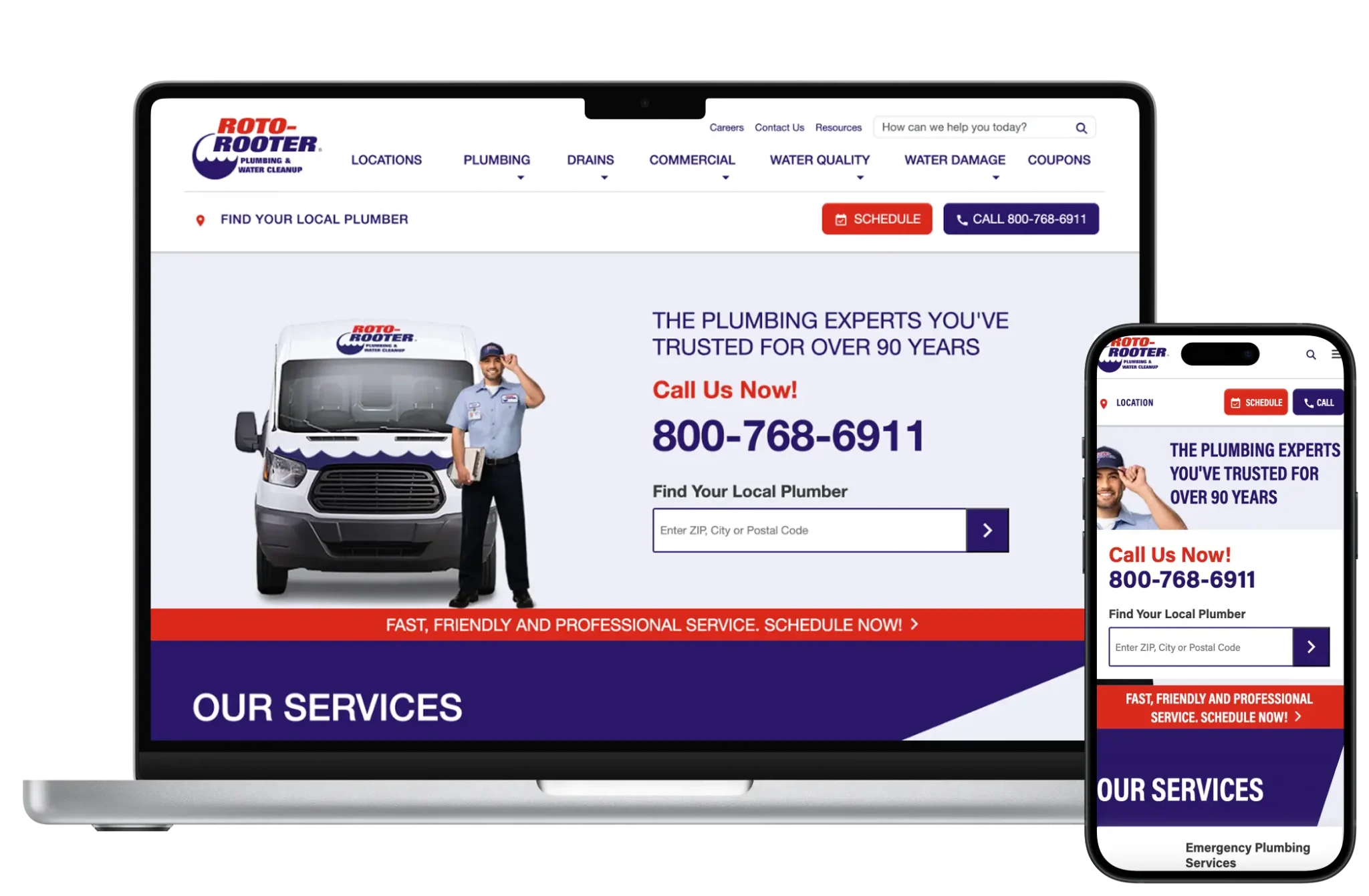
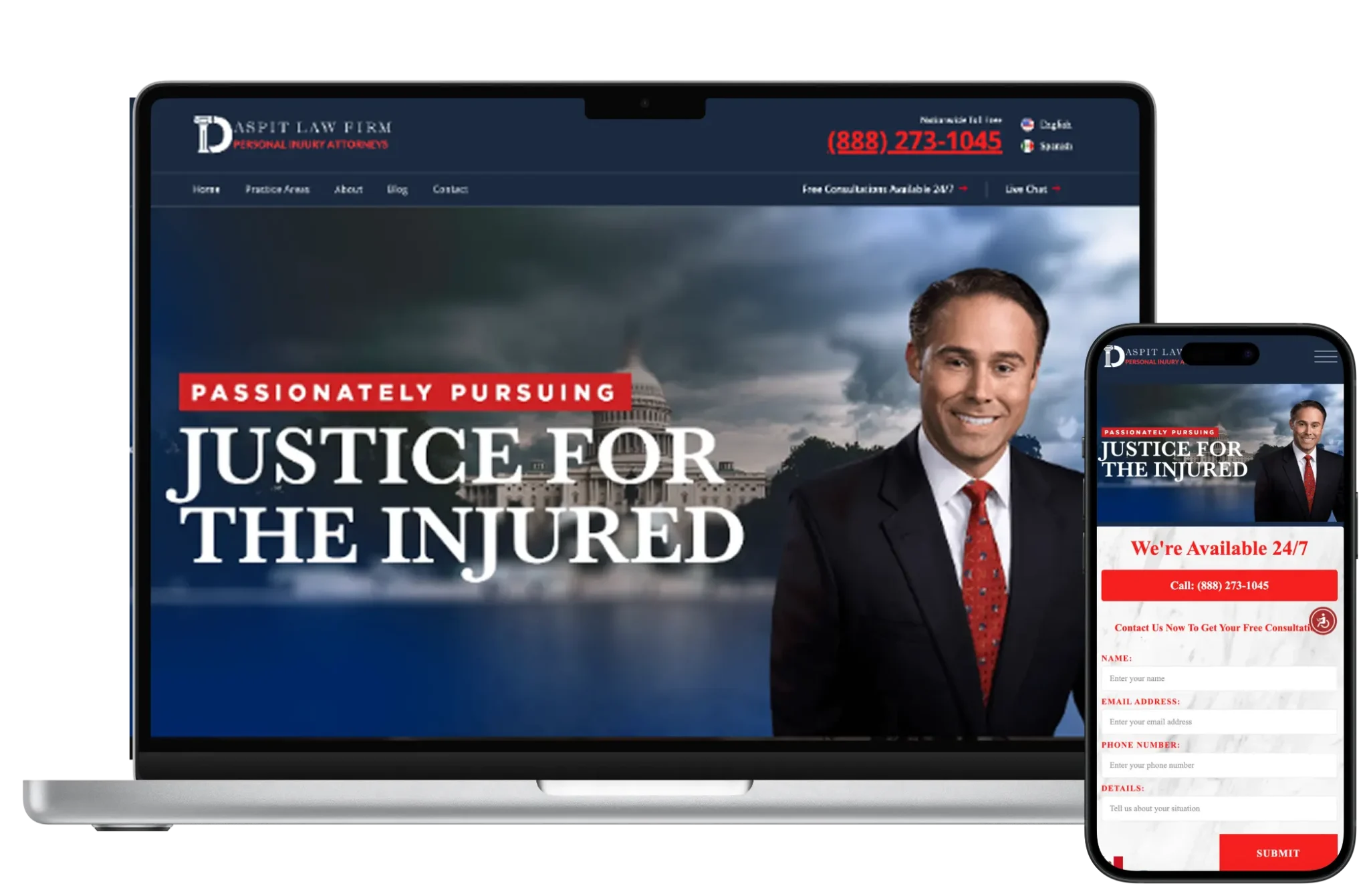
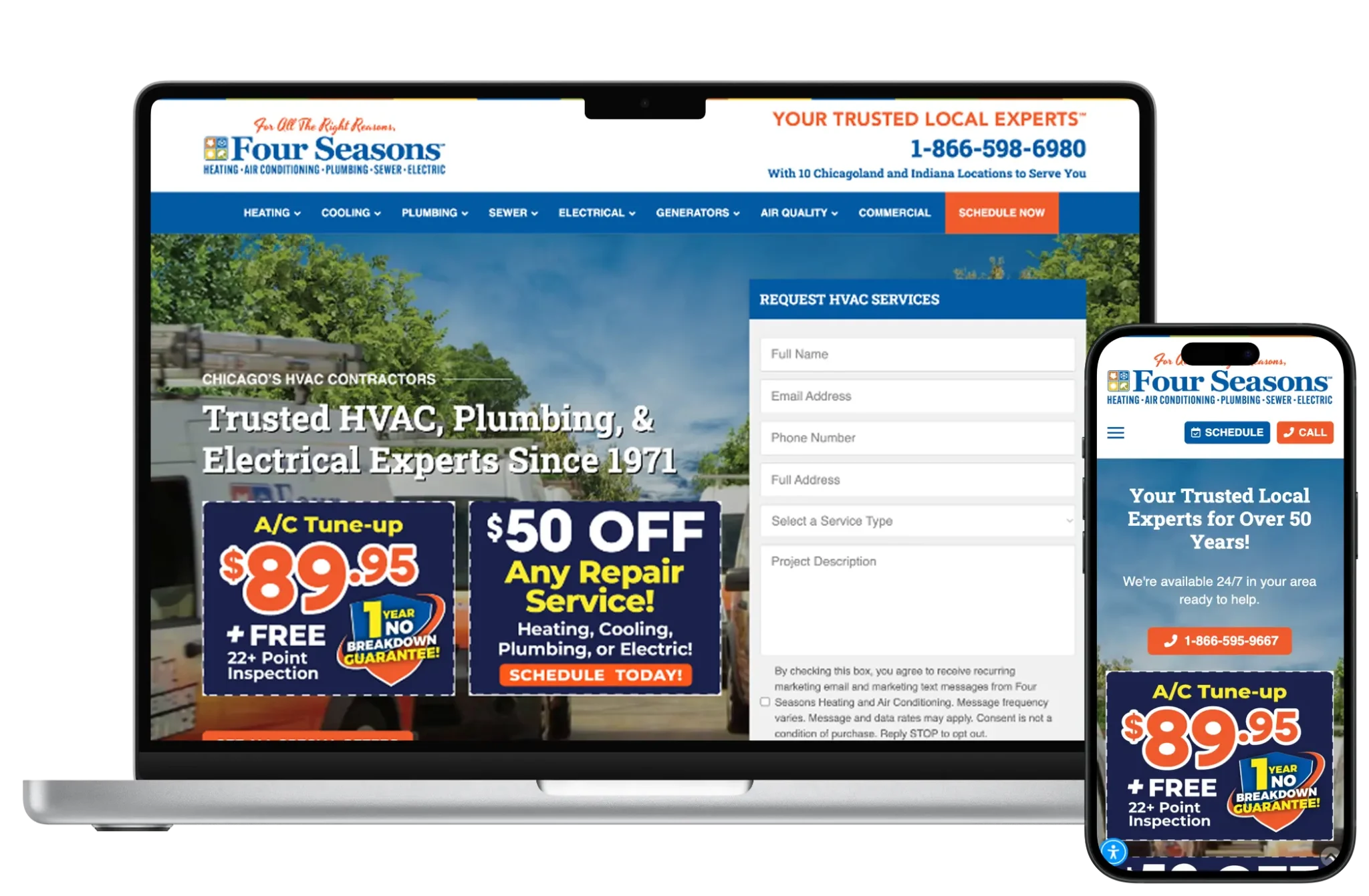
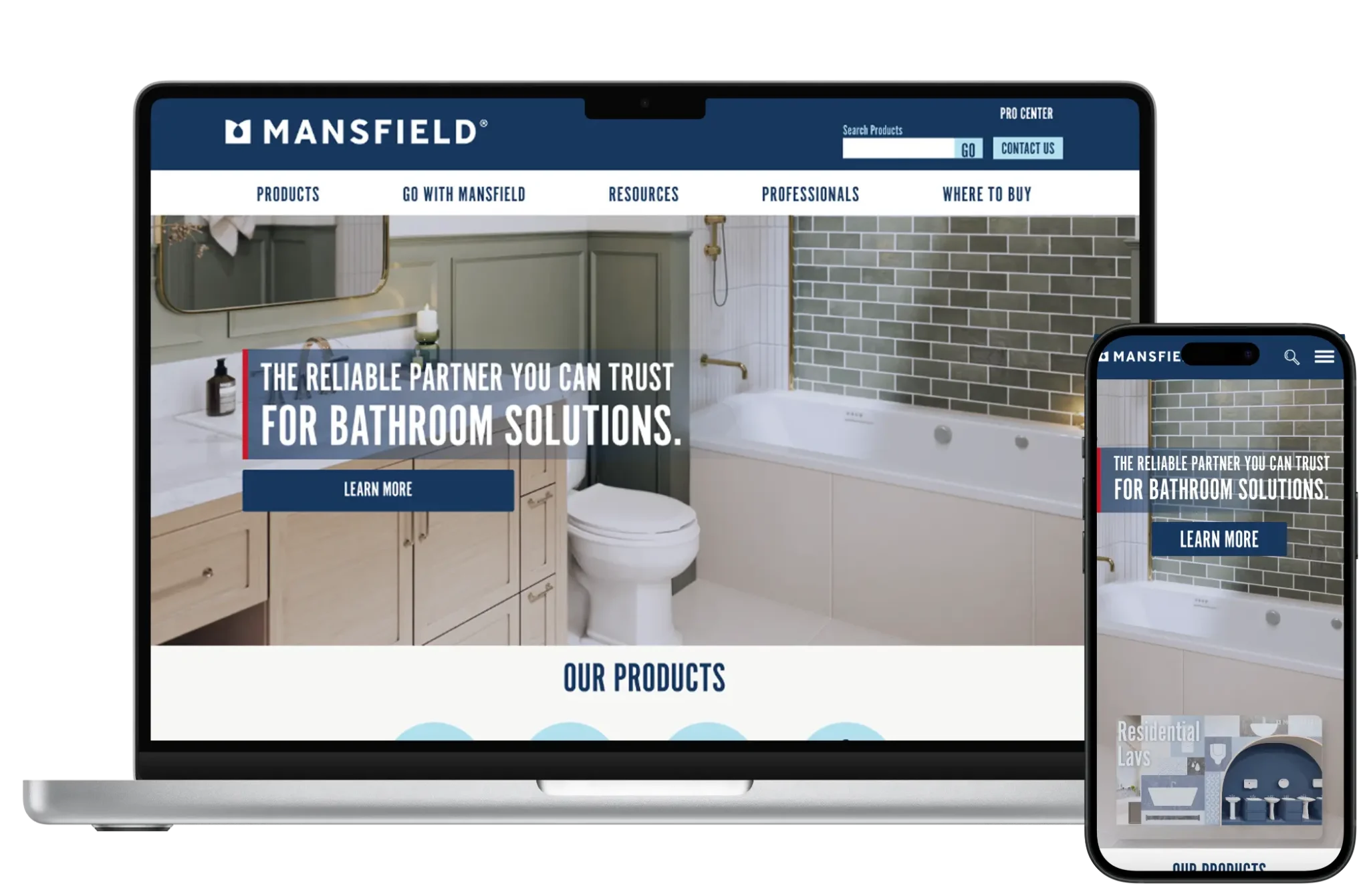
Structured layouts for issue overview, process, FAQs, and consult CTAs unique to each practice. Built to stay editable under monthly subscription care as offers and staffing change.
Bio components for education, admissions, publications, and languages—easy to update monthly. Built to stay editable under monthly subscription care as offers and staffing change.
Consultation language designed to avoid outcome guarantees while remaining persuasive. Built to stay editable under monthly subscription care as offers and staffing change.
Forms and privacy notes that set expectations before sensitive details are shared. Built to stay editable under monthly subscription care as offers and staffing change.
Accurate maps, hours, and routing for firms with more than one physical presence. Built to stay editable under monthly subscription care as offers and staffing change.
Ongoing maintenance plus iterative on-page and technical improvements. Built to stay editable under monthly subscription care as offers and staffing change.

Law firm conversion is usually a consultation request or phone call. We prioritize accessible click-to-call, short intake forms with matter-type routing, and clear statements about response timing. Chat widgets, if used, need strict routing rules so staff are not improvising legal advice in a widget. Chat, if used, needs approved routing scripts; unsupervised legal Q&A in a widget creates risk.
Secondary conversions include newsletter or resource downloads for longer-cycle practices. Everywhere, we keep claims modest: designed to help people understand options and connect with counsel—not promises of case outcomes. Thank-you states should explain conflict checks and typical follow-up timing in plain language.
On-page SEO centers on practice entities and related questions—wrongful termination, residential closings, estate administration—written with jurisdictional humility and internal links to the right attorneys. Fewer rigorous practice pages outperform large volumes of thin statute rewrites.
Technical SEO emphasizes crawlable practice architecture, fast biography pages, and clean pagination for large attorney directories. Schema for attorneys and local businesses can be implemented carefully where accurate. Schema and bio markup stay limited to accurate, maintainable facts.
Content programs should be reviewed for accuracy. We favor fewer rigorous pieces over mass-produced legal blog spam. Subscription SEO time can be spent improving practice pages that already attract qualified intent. Consolidation of outdated blogs often helps more than publishing another generic post.
We connect SEO work to technical SEO, on-page SEO, and — when local demand matters — local SEO. We do not promise specific rankings.

Local SEO for law firms includes Google Business Profile optimization per real office, consistent NAP, and practice categories that match services offered. Each real office deserves matching NAP and profile categories—not a single phone number pretending to be three markets.
City or neighborhood pages are only warranted when the firm genuinely markets and staffs that geography. Thin city clones create risk and rarely help long term.
We only recommend location pages when you genuinely serve the area and can add unique value — not doorway-page city spam. See Google Business Profile optimization.

Yearly plans that include design, development, maintenance and SEO foundations — without a large upfront project fee.
For small businesses that need a professional site without a large upfront build.
Best for local and service businesses ready to generate more leads every month.
For growing brands that need ongoing development, SEO and conversion work.
Large sites, complex integrations, multi-location brands and custom applications.
Most lead-focused Law Firms engagements fit Growth ($299/year) when local/organic acquisition matters. Simpler brochure sites may fit Starter ($199/year). Multi-location, custom integrations, or heavier development fit Pro ($399/year) or Enterprise.
Setup fees may apply for redesigns, migrations, or large content builds — always disclosed before kickoff. See transparent subscription pricing and how website subscriptions work.
Full notes for challenges, strategy and supporting pages — so the sections above stay scannable.
Legal buyers typically move from problem recognition to practice-area research, attorney evaluation, then consultation request. The site should support each stage: educational practice pages, biography depth, FAQs that set expectations, and intake that feels confidential and organized. We map CTAs so urgent matters emphasize call options while planned matters emphasize scheduled consults. Attorney bios and practice pages should interlink so expertise is never orphaned from the matters you want to attract.
Strategy also separates marketing content from anything that could be read as legal advice. Clear labeling, dated articles, and jurisdiction notes help. Monthly SEO and content work then deepen the practice clusters that match how the firm actually grows. Webinars and insights can support longer-cycle practices without displacing consult CTAs on practice templates.
Law firm stakeholders often underestimate how much internal alignment a website forces—practice priorities, intake ownership, and claim standards become visible choices. That clarity is useful beyond marketing. When partners agree on which matters the firm wants, navigation and SEO stop being political compromises and start supporting growth that operations can fulfill.
Typical tools and workflows we plan around for Law Firms:
Platform choice often lands on WordPress for service businesses, or Shopify / WooCommerce when commerce is central.
We design within conservative claim standards: process, credentials, and education first. Outcome guarantees and fabricated rankings are excluded by default. We document decisions during discovery so the site reflects how your team actually works day to day.
Discovery workshops align on primary practice priorities and audience segments so the homepage has one clear job instead of listing every partner equally. We document decisions during discovery so the site reflects how your team actually works day to day.
We can audit, consolidate, and redirect where helpful, then invest SEO effort into stronger practice pages rather than adding more thin content. We document decisions during discovery so the site reflects how your team actually works day to day.
Yes—monthly capacity is designed for iterative page builds, bio updates, and SEO tasks as the firm evolves. We document decisions during discovery so the site reflects how your team actually works day to day.
Straight answers about scope, pricing, ownership and what a subscription includes for this page.
Each page should reflect distinct matter types, timelines, parties involved, and FAQs. Replacing only the practice name in a template creates thin content that helps neither users nor search engines. Practical details are finalized during onboarding so the live site matches how your team works.
Bar admissions, education, focus areas, languages, publications, and how they approach client communication. Avoid unverifiable superlatives; favor specific, checkable facts. Practical details are finalized during onboarding so the live site matches how your team works.
Only when your jurisdiction and firm policy allow, with required disclaimers and without implying similar results are guaranteed. Process-focused stories are often safer and still useful. Practical details are finalized during onboarding so the live site matches how your team works.
Explain what information is needed initially, how it is used, and when a human follows up. Avoid asking for unnecessary sensitive detail before an attorney relationship exists. Practical details are finalized during onboarding so the live site matches how your team works.
Usually no. One well-structured site with accurate location pages and local profiles is easier to maintain and stronger for brand searches. Practical details are finalized during onboarding so the live site matches how your team works.
Your Money or Your Life topics get extra scrutiny for trustworthiness. Legal content should be accurate, attributed, and careful about advice vs. information labeling. Practical details are finalized during onboarding so the live site matches how your team works.
No. We implement sound technical, on-page, and content practices and report honestly. Rankings depend on competition, authority, and many factors outside any vendor’s control. Practical details are finalized during onboarding so the live site matches how your team works.
We collaborate on IA, copy structure, and integrations, while your team owns legal accuracy review. Monthly workflows keep updates moving without surprise redesign cycles. Practical details are finalized during onboarding so the live site matches how your team works.
Yes—with separate navigation paths and tone. Mixing B2C urgency and B2B RFP language on one undifferentiated homepage usually weakens both journeys. Practical details are finalized during onboarding so the live site matches how your team works.
Use human-reviewed translations for priority pages. Machine-only legal translation is risky for YMYL topics. Practical details are finalized during onboarding so the live site matches how your team works.
Subscription design, development, maintenance, and SEO—built for ethical intake and clear attorney credibility.