

Who Webflow is for
Webflow fits startups and agencies that iterate design often, brands with strong visual identity, CMS-driven marketing sites (case studies…
Read more →Webflow platform
Webflow is a visual development platform for marketing sites that need designer-grade layout control without handing every spacing decision to a traditional front-end sprint. 66sites builds Webflow…
Webflow is a visual development platform for marketing sites that need designer-grade layout control without handing every spacing decision to a traditional front-end sprint. 66sites builds Webflow sites when interactions, CMS collections, and polished marketing pages are the product — then maintains and expands them under subscription care.
Webflow feels different from WordPress because the canvas is the build environment: designers shape structure visually, then CMS collections power blogs, case studies, and resource libraries. It feels different from Shopify because commerce is not the center of gravity. It feels different from Next.js because you are not primarily shipping a React application — you are shipping a hosted marketing experience with platform hosting included.
Limits exist: complex membership logic, deep application workflows, and certain integration patterns push you toward WordPress plugins, custom apps, or a Next/Laravel stack. We recommend Webflow when marketing site craft is the job — not when you need a full product backend.
Practical website, conversion and SEO work tailored to how your buyers actually decide.
Webflow fits startups and agencies that iterate design often, brands with strong visual identity, CMS-driven marketing sites (case studies…
Read more →
Visual control for layout, typography, and interactions without writing every line of CSS by hand.CMS collections for scalable marketing content with…
Read more →
Complex logic, memberships, and app-like workflows can hit platform ceilings.You are coupled to Webflow’s pricing, hosting, and editor model — export…
Read more →A look at website designs and layouts we build for service businesses — mockups and project types, not fabricated client claims.

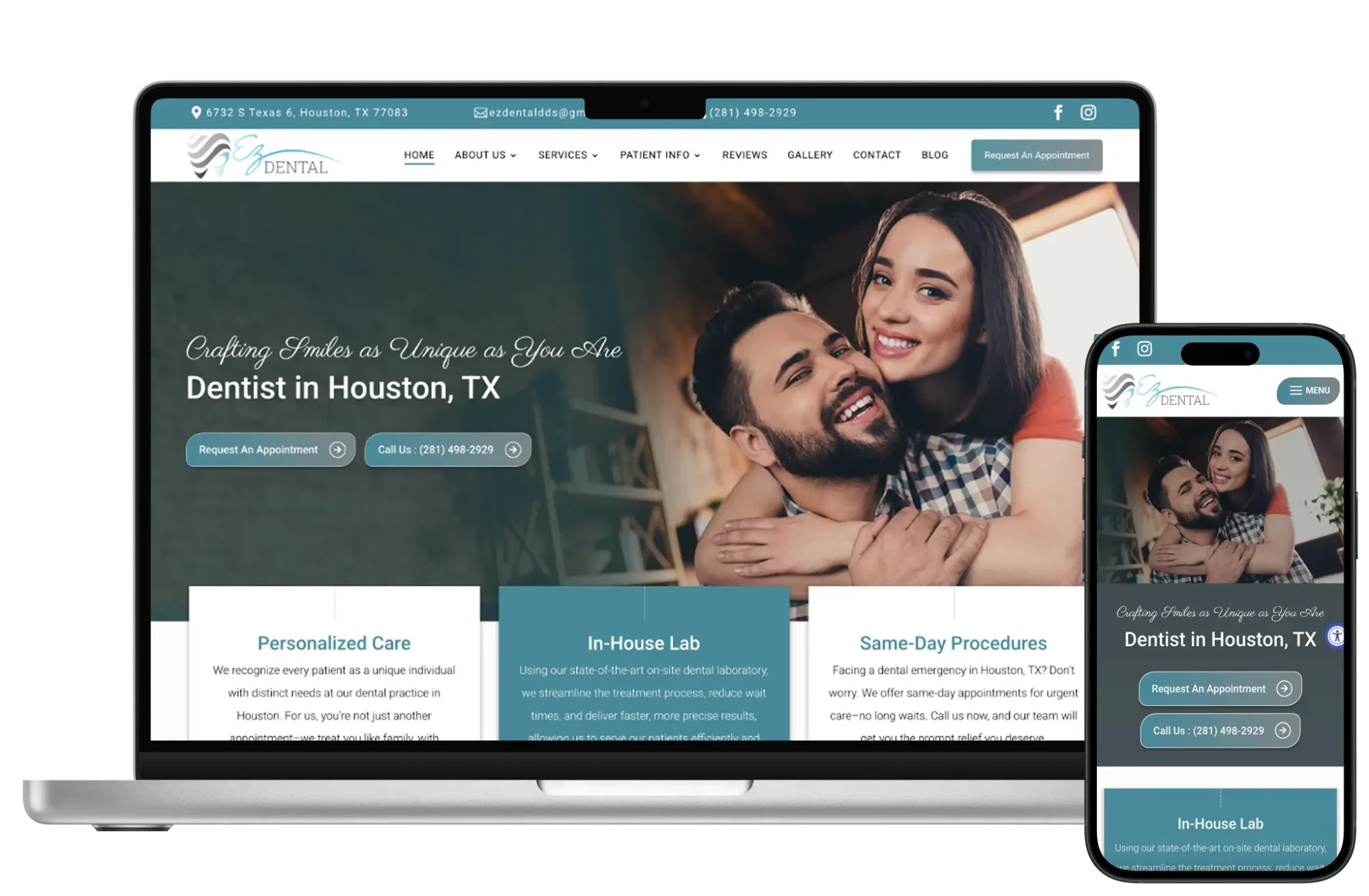
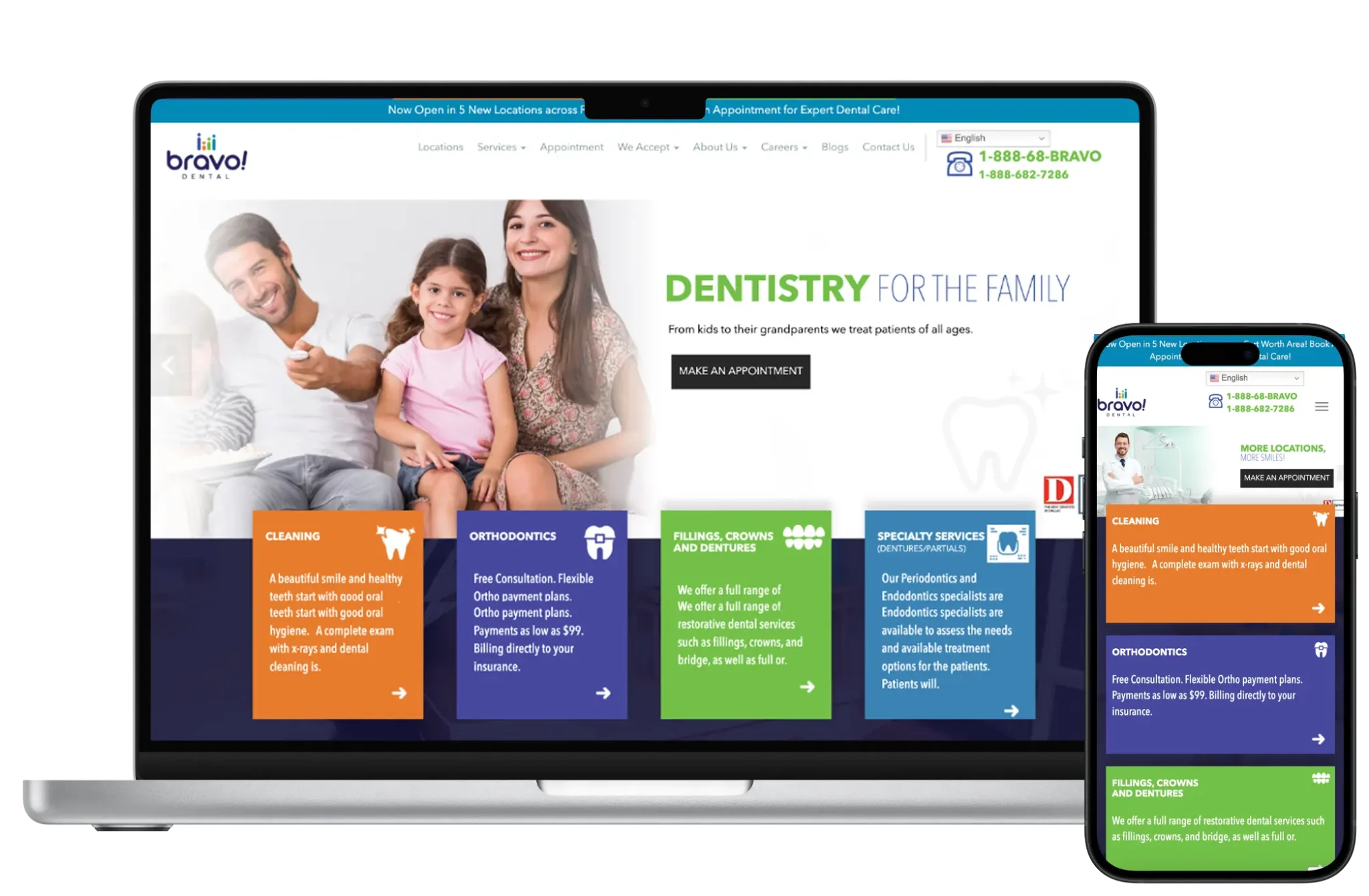
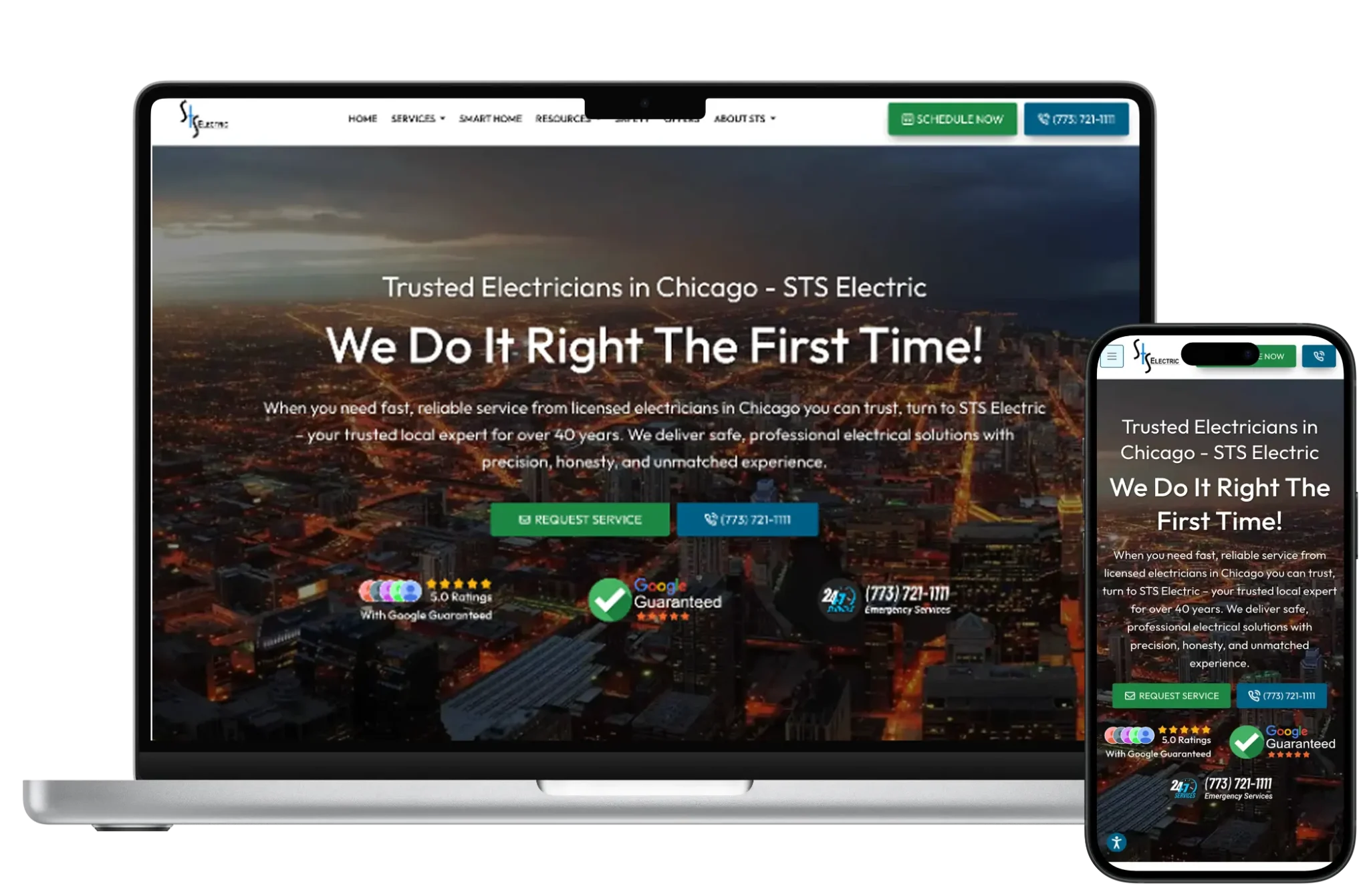

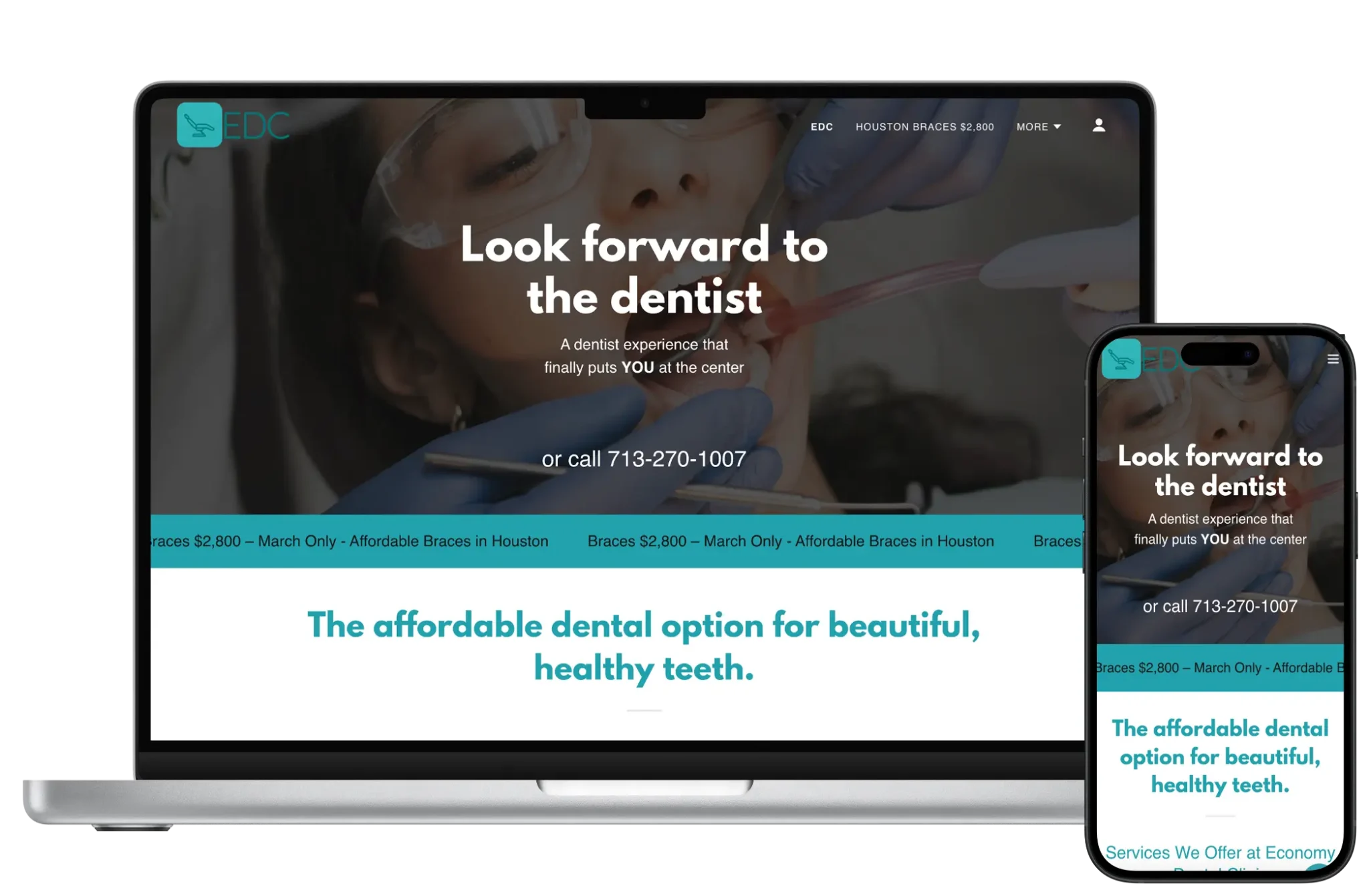
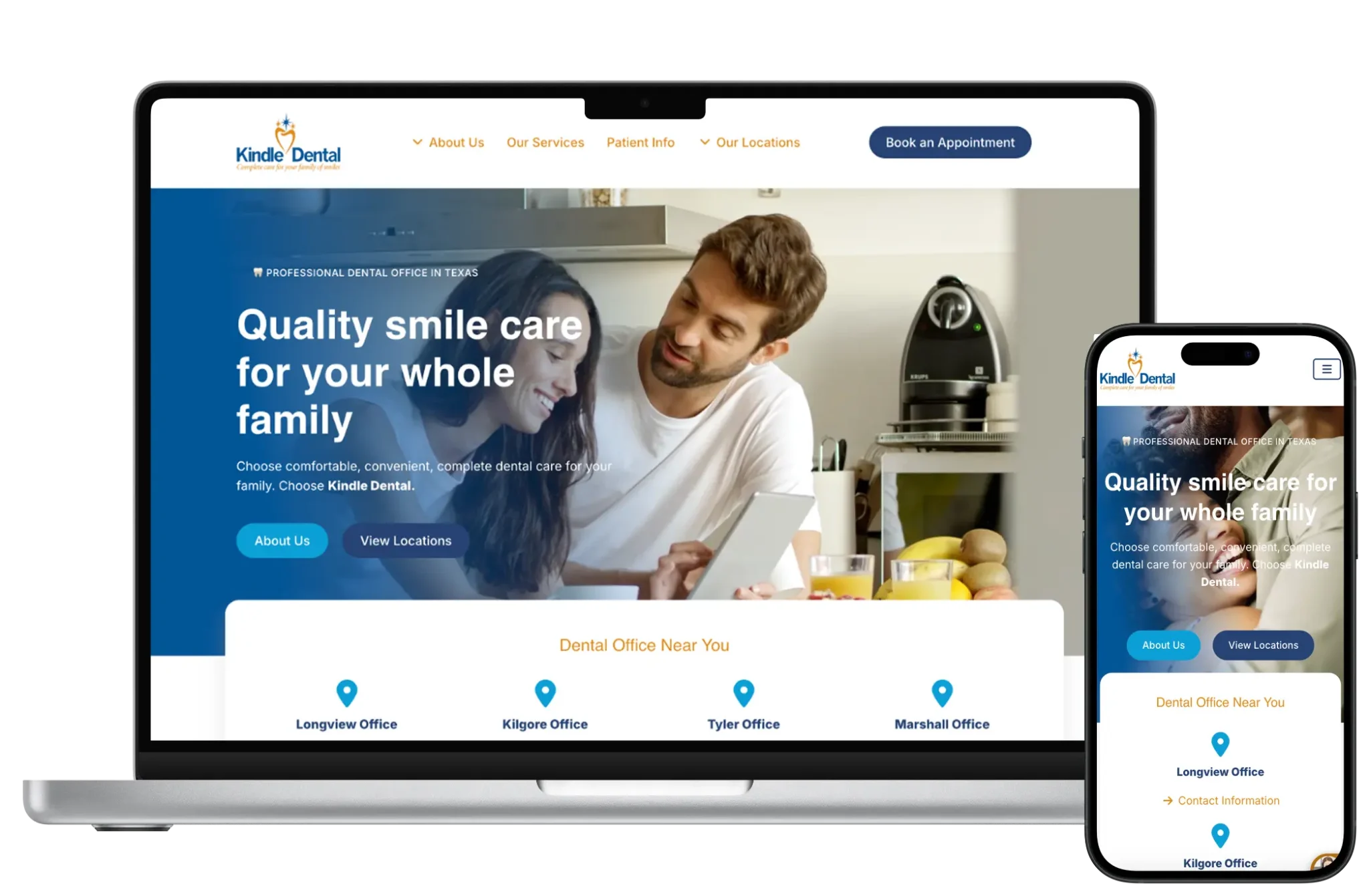

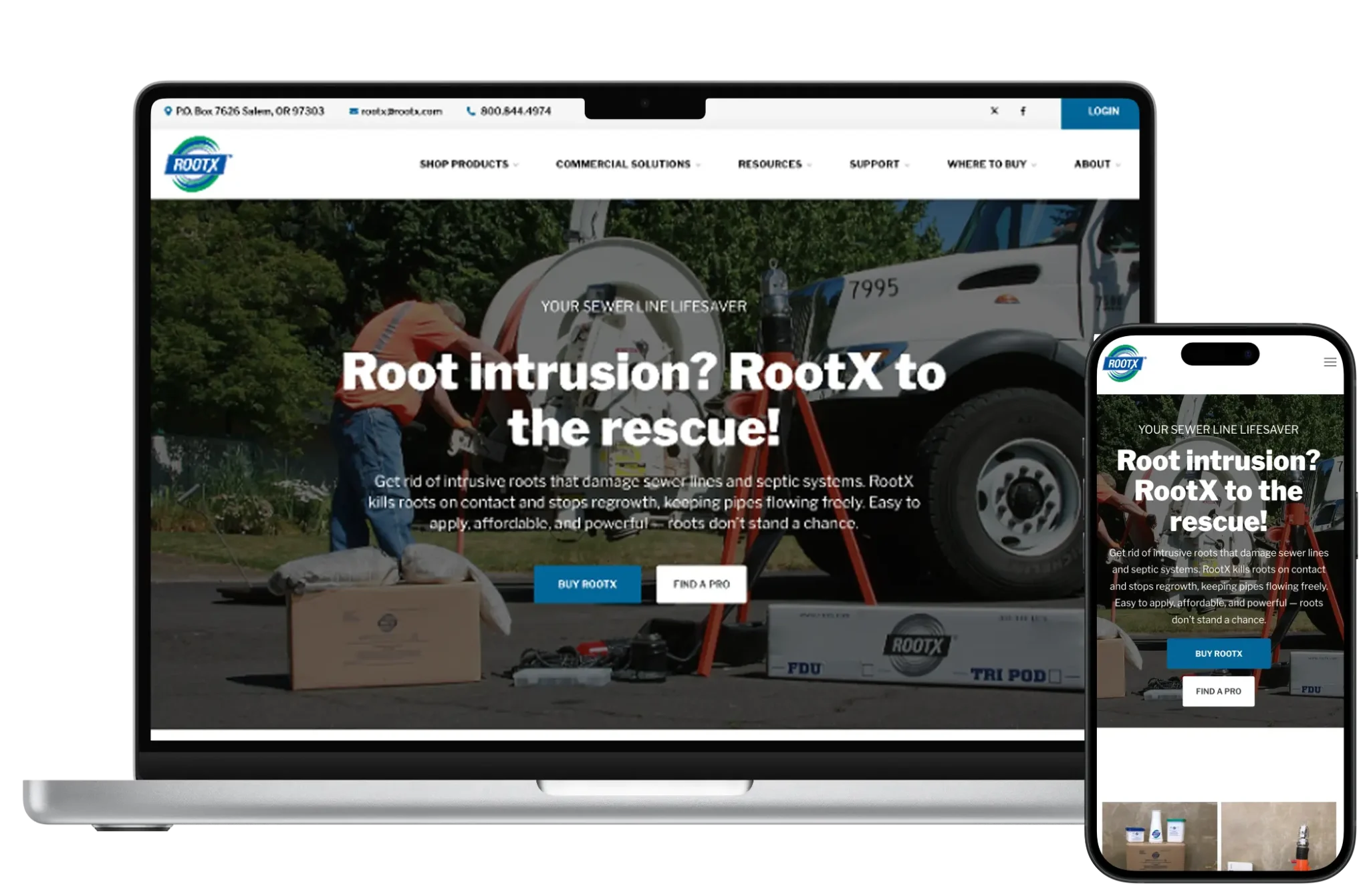


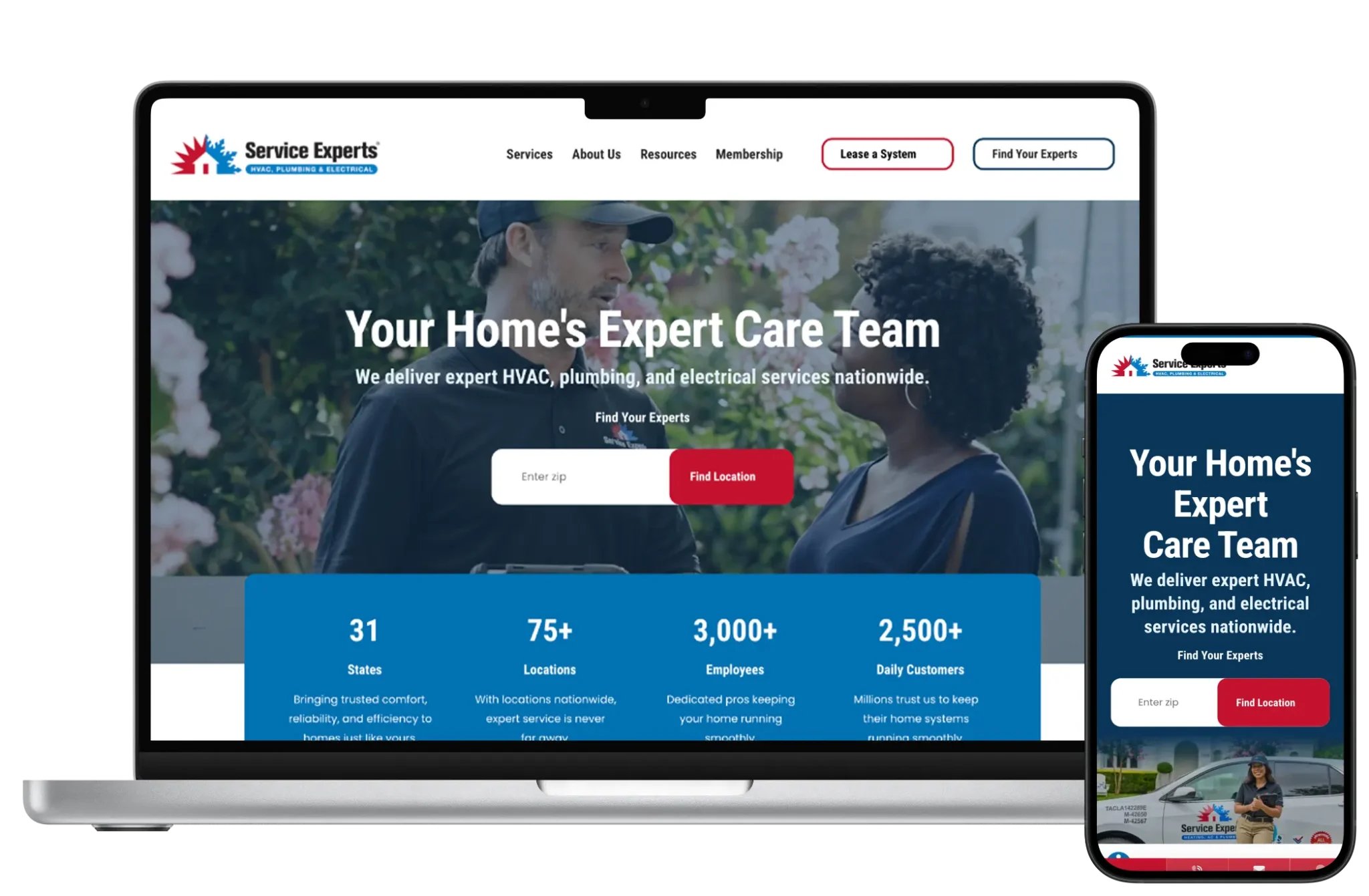
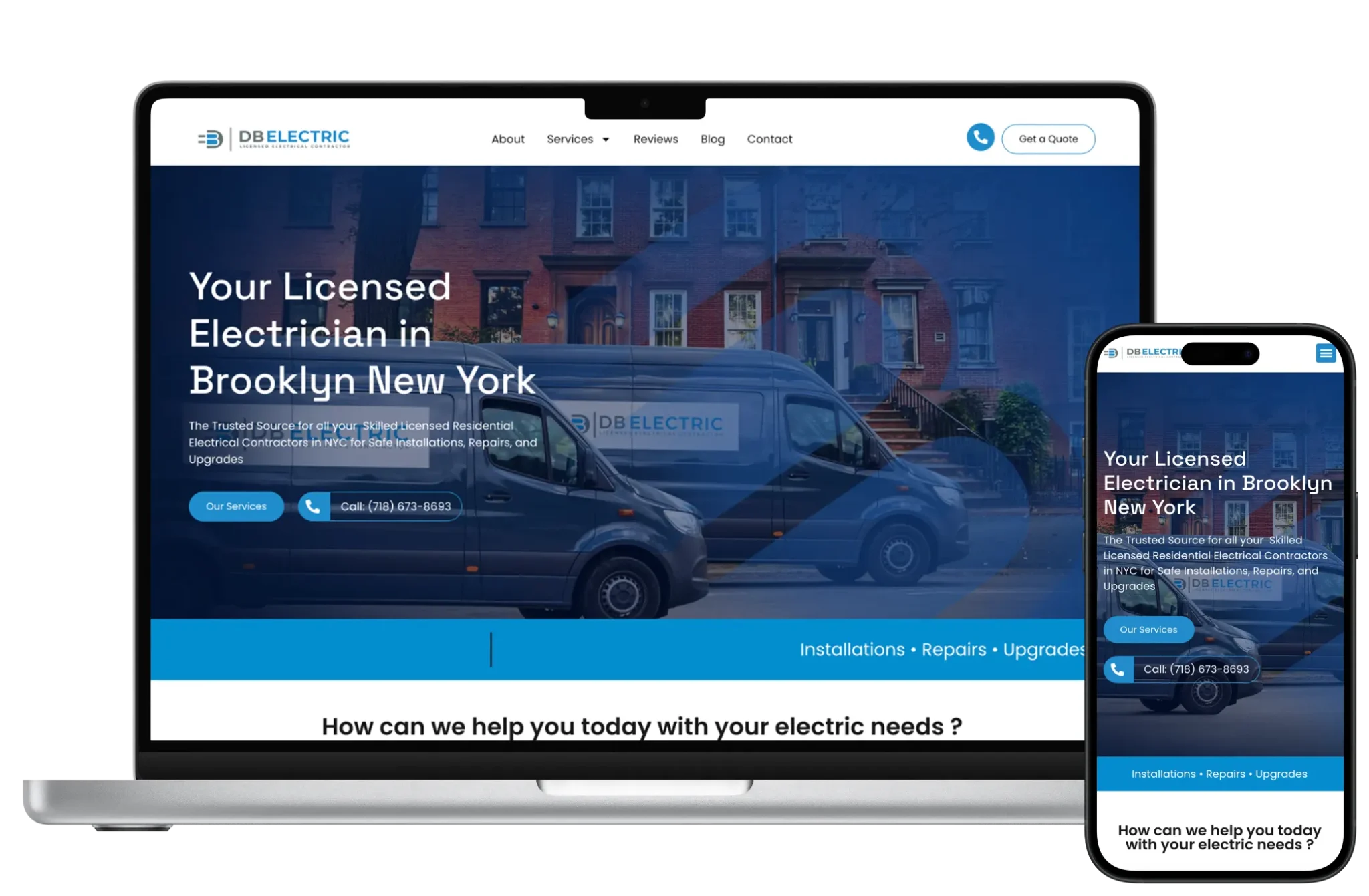

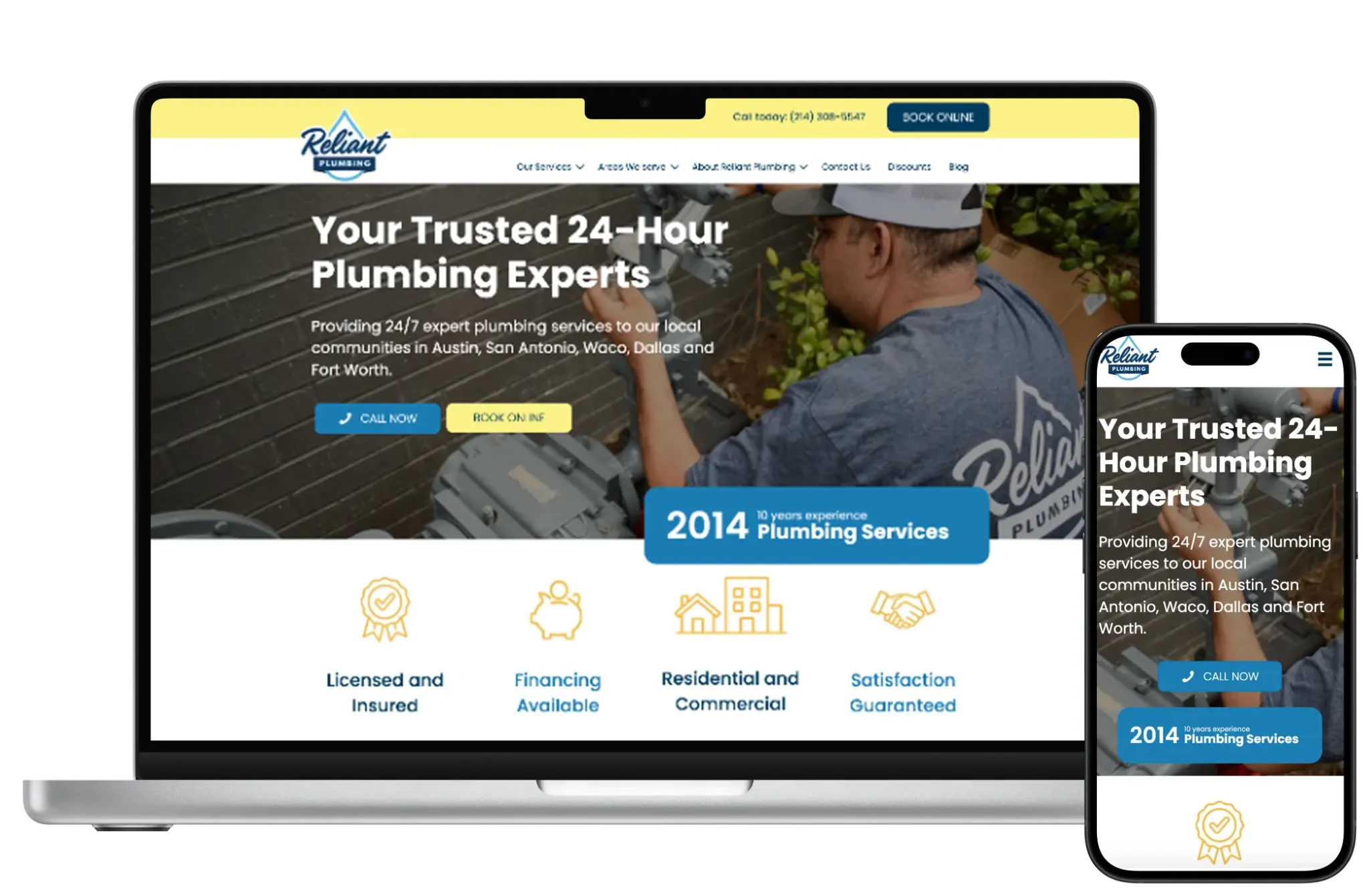
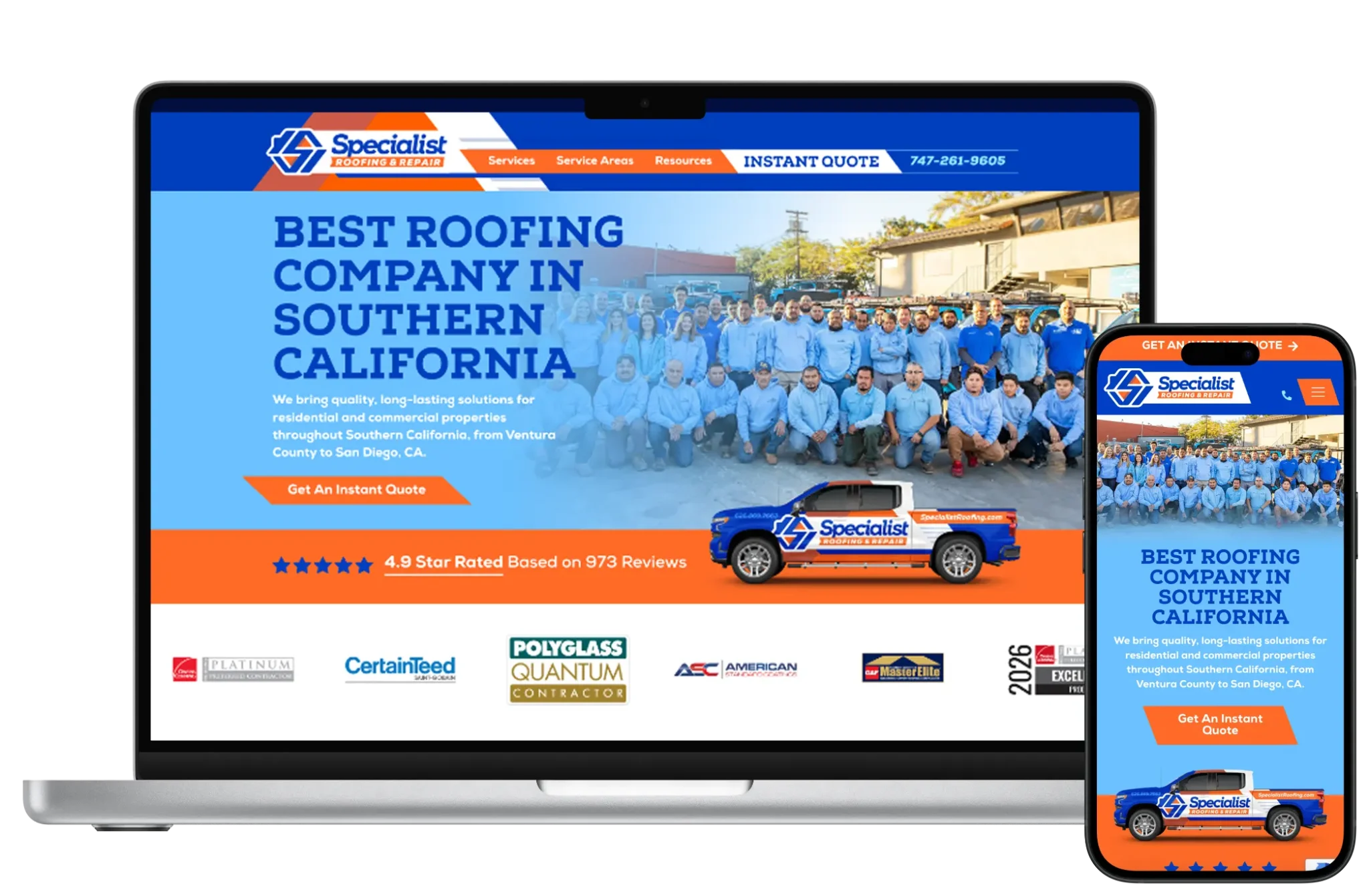
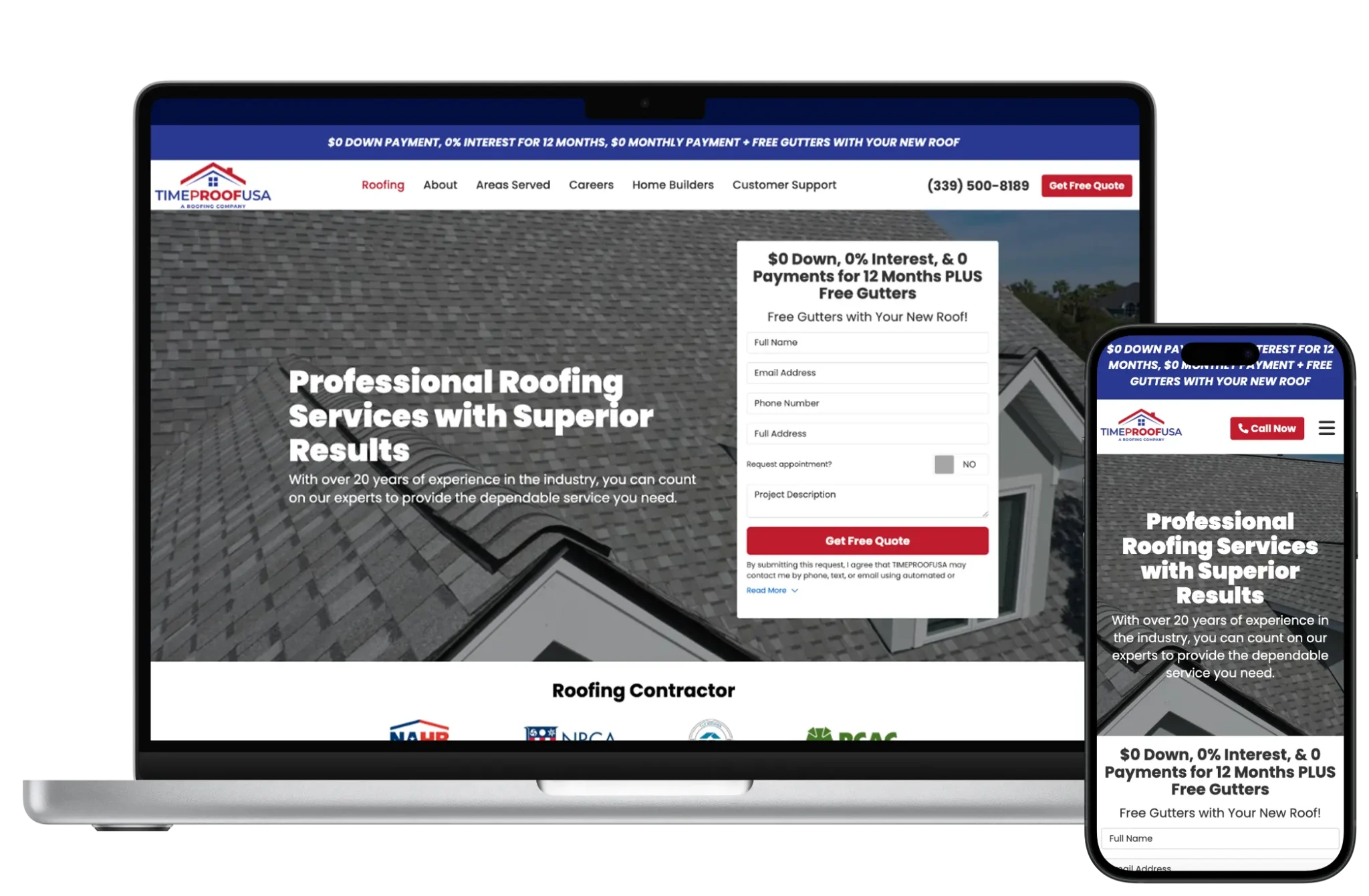
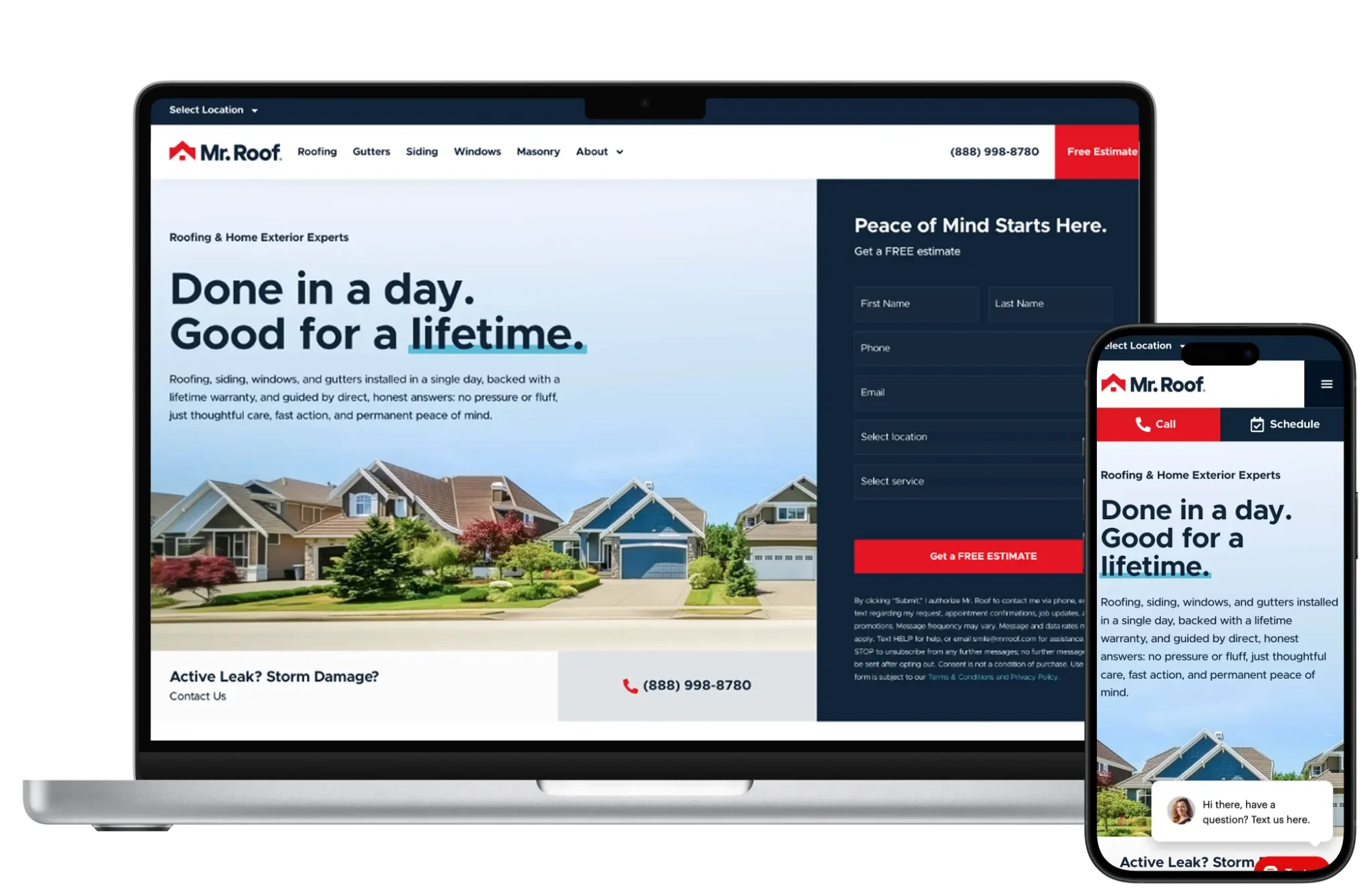




Webflow design thrives on systems: symbols/components, type scales, and interaction patterns that reuse across templates. We build marketing compositions that feel intentional — brand-first heroes, clear CTAs — without turning the site into a dashboard of widgets.
Compared with WordPress theme constraints, Webflow lets us push visual craft further. Compared with Next.js, we ship design changes without a full engineering deploy cycle for many marketing needs.
“Development” in Webflow is structured build craft: CMS schema, collection templates, form handling, and selective custom code. We keep embeds minimal and document what clients can edit safely.
Integrations (CRM, analytics, scheduling) are wired carefully. When logic exceeds Webflow, we recommend companion tools or a different stack rather than fragile workarounds.

Webflow SEO succeeds with clear collection architecture, unique meta fields, and crawlable content — not animations alone. We set title/meta patterns and internal links between services, case studies, and resources.
Technical basics include clean URLs, sitemap generation, and avoiding content hidden behind non-crawlable interactions. Performance still matters for UX even when hosting is managed.
Ongoing SEO is content expansion and IA refinement inside the subscription — without ranking promises.
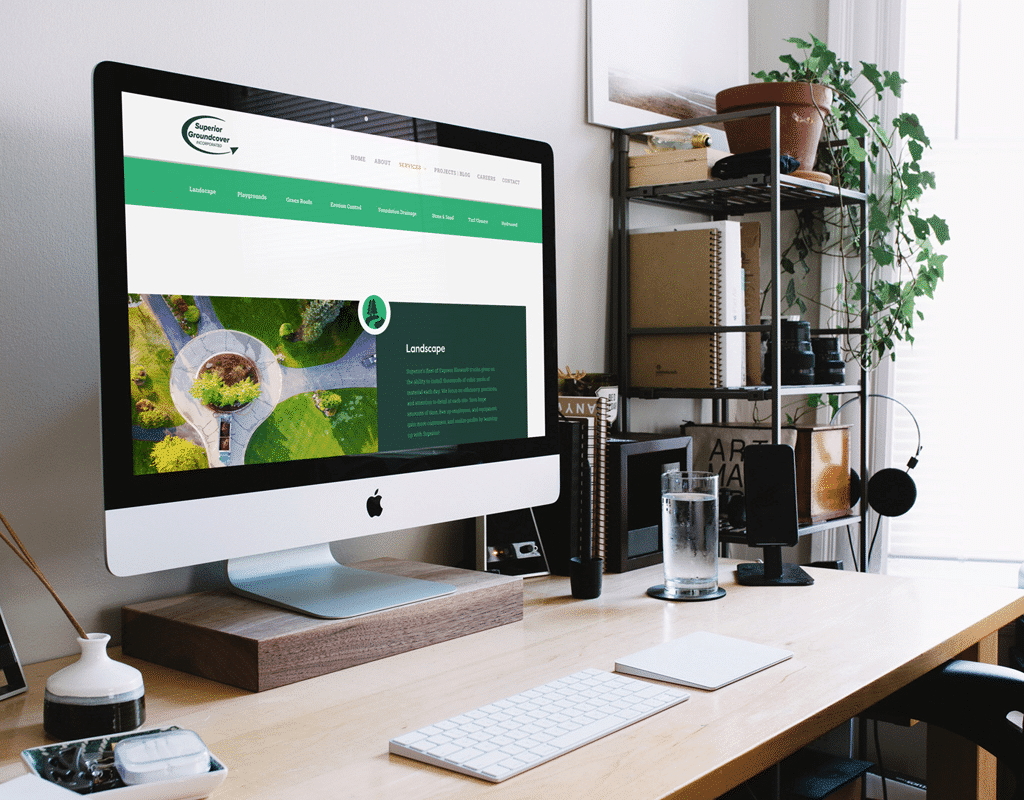
Maintenance includes CMS item updates, new landing pages within the system, interaction fixes, and form/CRM checks. Platform hosting reduces server patching, but design systems still need care as campaigns change.
We keep a change log of components so marketing does not invent one-off pages that break the system.

Yearly plans that include design, development, maintenance and SEO foundations — without a large upfront project fee.
For small businesses that need a professional site without a large upfront build.
Best for local and service businesses ready to generate more leads every month.
For growing brands that need ongoing development, SEO and conversion work.
Large sites, complex integrations, multi-location brands and custom applications.
Webflow Site and Workspace plans, CMS item limits, and hosting are billed by Webflow. Those fees sit outside the 66sites subscription.
66sites covers design/build craft, CMS architecture, maintenance, and SEO on our yearly plans ($199–$399/year). Setup fees apply for net-new builds and migrations; Growth or Pro is common for multi-template marketing sites.
Webflow rewards teams who understand both design systems and CMS modeling. Without that, sites become beautiful one-offs that marketing cannot scale.
66sites provides that craft plus monthly iteration so campaigns get new pages inside the system — not random freelancers reinventing spacing every quarter.
Full notes for challenges, strategy and supporting pages — so the sections above stay scannable.
Webflow fits startups and agencies that iterate design often, brands with strong visual identity, CMS-driven marketing sites (case studies, changelog, resources), and teams that want hosting and SSL handled inside the platform.
Skip Webflow as the core when you need heavy ecommerce (Shopify), deep plugin ecosystems (WordPress), or custom application UIs (React/Next/Laravel). Client Editor helps non-technical edits, but complex governance still needs training and component rules.
Webflow hosts the site; security focus shifts to workspace access, form spam controls, and careful custom code. We manage roles and avoid risky embeds.
Sensitive application data should not live in a marketing CMS — use proper backends when needed.
Lottie overload, unoptimized images, and third-party scripts are the usual Webflow performance killers. We budget motion and assets deliberately.
Clean structure helps; it does not automatically mean perfect Core Web Vitals if marketing piles on tags.
Moving onto Webflow usually means redesigning templates while migrating content into collections — not a pixel-perfect export from WordPress. Redirect maps remain essential.
Leaving Webflow for WordPress or Next.js is possible when requirements outgrow marketing-site constraints; we plan content and URL continuity carefully.
Straight answers about scope, pricing, ownership and what a subscription includes for this page.
Neither is universally better. Webflow excels at design-led marketing sites; WordPress excels at deep editorial ecosystems and plugin-driven workflows. Fit depends on your roadmap.
Yes within Client Editor and CMS item rules we define. Freeform layout edits still need training — structure protects the brand.
For light catalogs, sometimes. Serious product businesses usually fare better on Shopify, possibly with Webflow for brand marketing pages.
Some membership patterns exist, but complex auth and app logic often need other tools. We recommend based on real requirements.
No. Motion can support brand and UX when used sparingly. SEO depends on content, architecture, and technical health.
Yes when Webflow is the right destination. Expect template redesign, CMS modeling, content migration, and redirects.
You should own the Webflow workspace/site. We work inside clear access and handoff terms — no hostage builds.
Plan-scoped page builds, CMS updates, fixes, performance care, and SEO iteration. Webflow platform fees remain separate.
Webflow builds with CMS structure, performance discipline, and monthly iteration — not a static brochure.