

Challenges Real Estate Agents & Teams face online
IDX is installed but neighborhood and seller content is thin, so the site cannot compete for non-listing queries.Team sites feature every agent…
Read more →Real estate marketing websites
Real estate websites fail when they are only a logo on a generic theme with a buried IDX search. Serious buyers and sellers evaluate neighborhood knowledge, process clarity, and whether you look like…

Real estate websites fail when they are only a logo on a generic theme with a buried IDX search. Serious buyers and sellers evaluate neighborhood knowledge, process clarity, and whether you look like a true local advisor—not a lead form farm. 66sites builds subscription websites for agents, teams, and brokerages that balance listing search, geographic authority, and conversion paths designed for both sides of the transaction.
The modern real estate journey splits early: buyers want search, maps, and neighborhood context; sellers want comparative positioning, preparation guidance, and a confidential valuation path. We design information architecture that serves both without turning the homepage into noise. Development covers IDX or listing-search integrations where your MLS rules allow, plus landing pages for communities, condo buildings, and property types you actually know.
SEO in real estate is crowded with portals and national brands. We do not promise to outrank Zillow. We build owned-media assets—neighborhood guides, agent expertise pages, and technical foundations—that compound over time under a maintenance and SEO subscription, with honest reporting and no fabricated lead counts.
Practical website, conversion and SEO work tailored to how your buyers actually decide.
IDX is installed but neighborhood and seller content is thin, so the site cannot compete for non-listing queries.Team sites feature every agent…
Read more →
Treat the site as a local authority layer on top of search: help people understand where to live and how you work, then provide listing search as a…
Read more →
Home with dual buyer/seller paths. Splits intent immediately so neither audience lands in the wrong funnel.IDX / listing search. Utility for active…
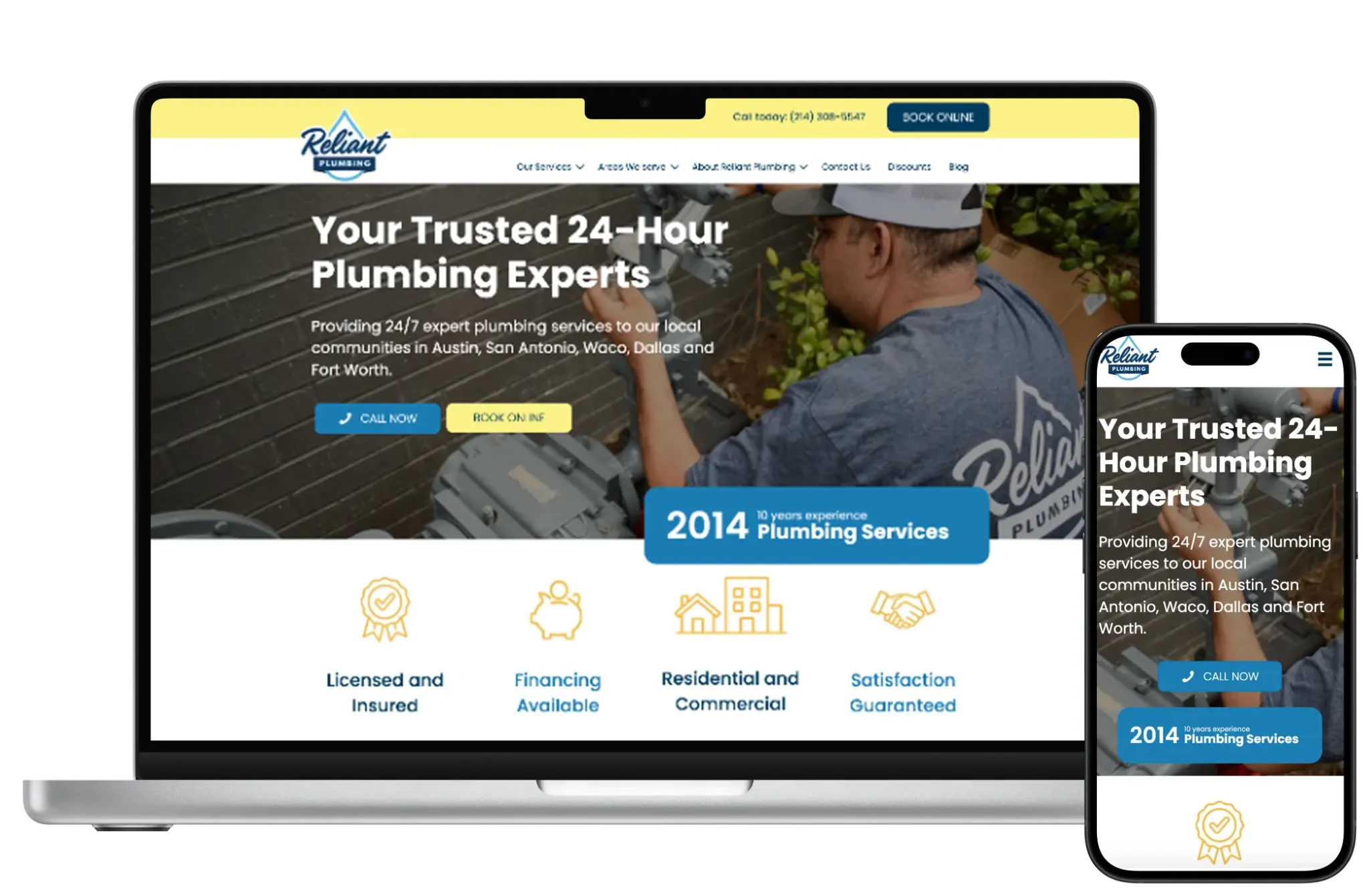
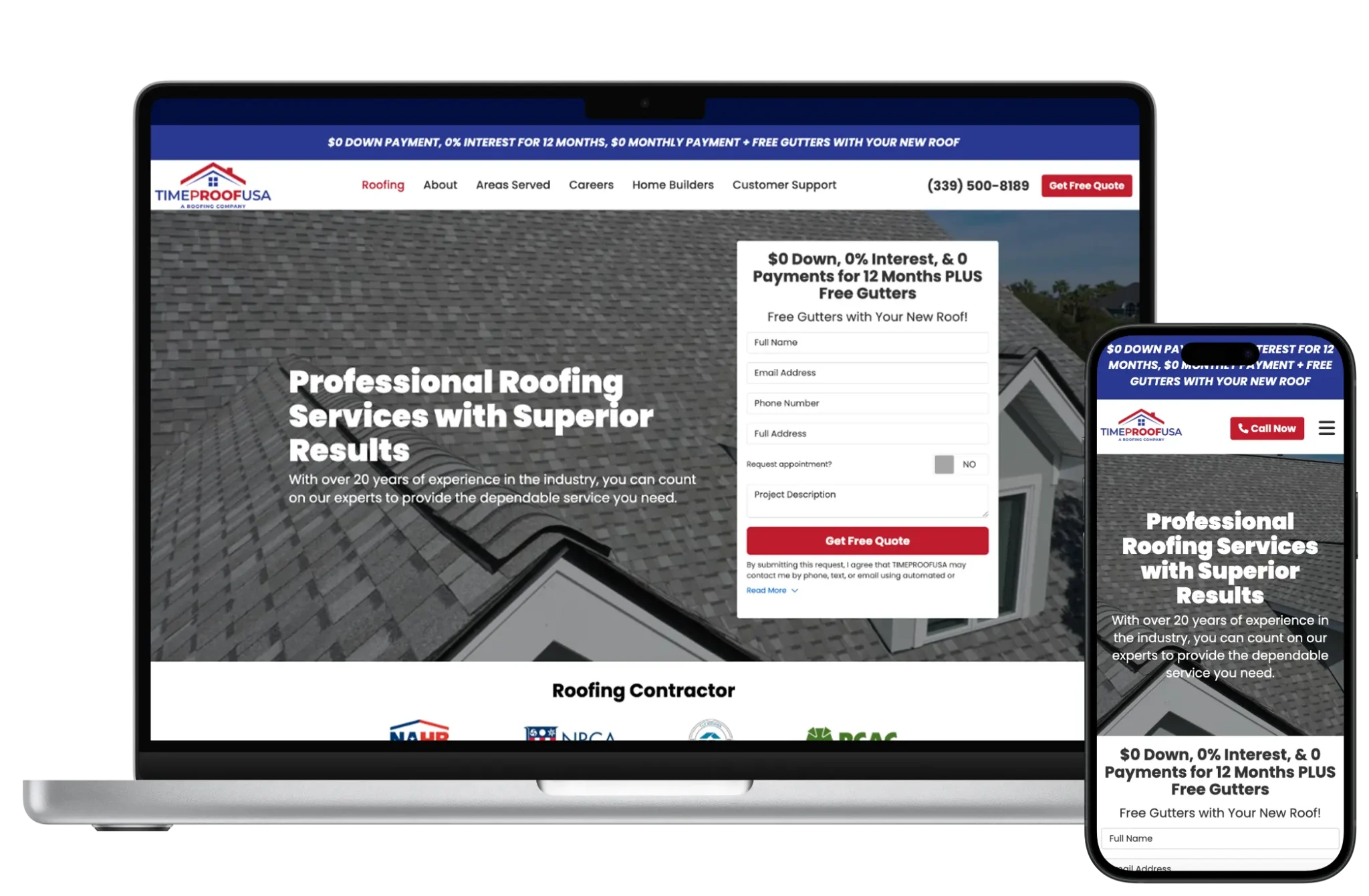
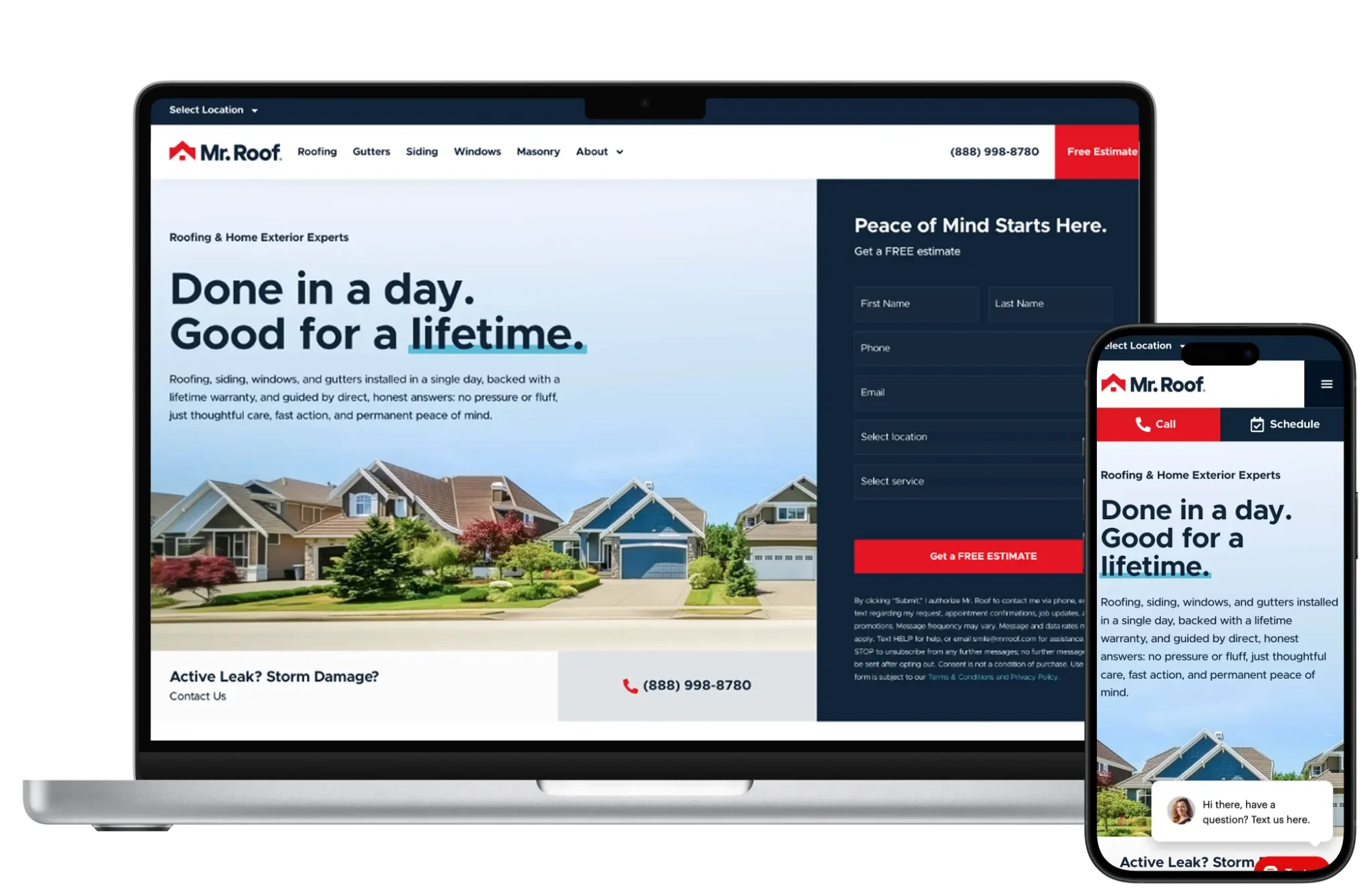
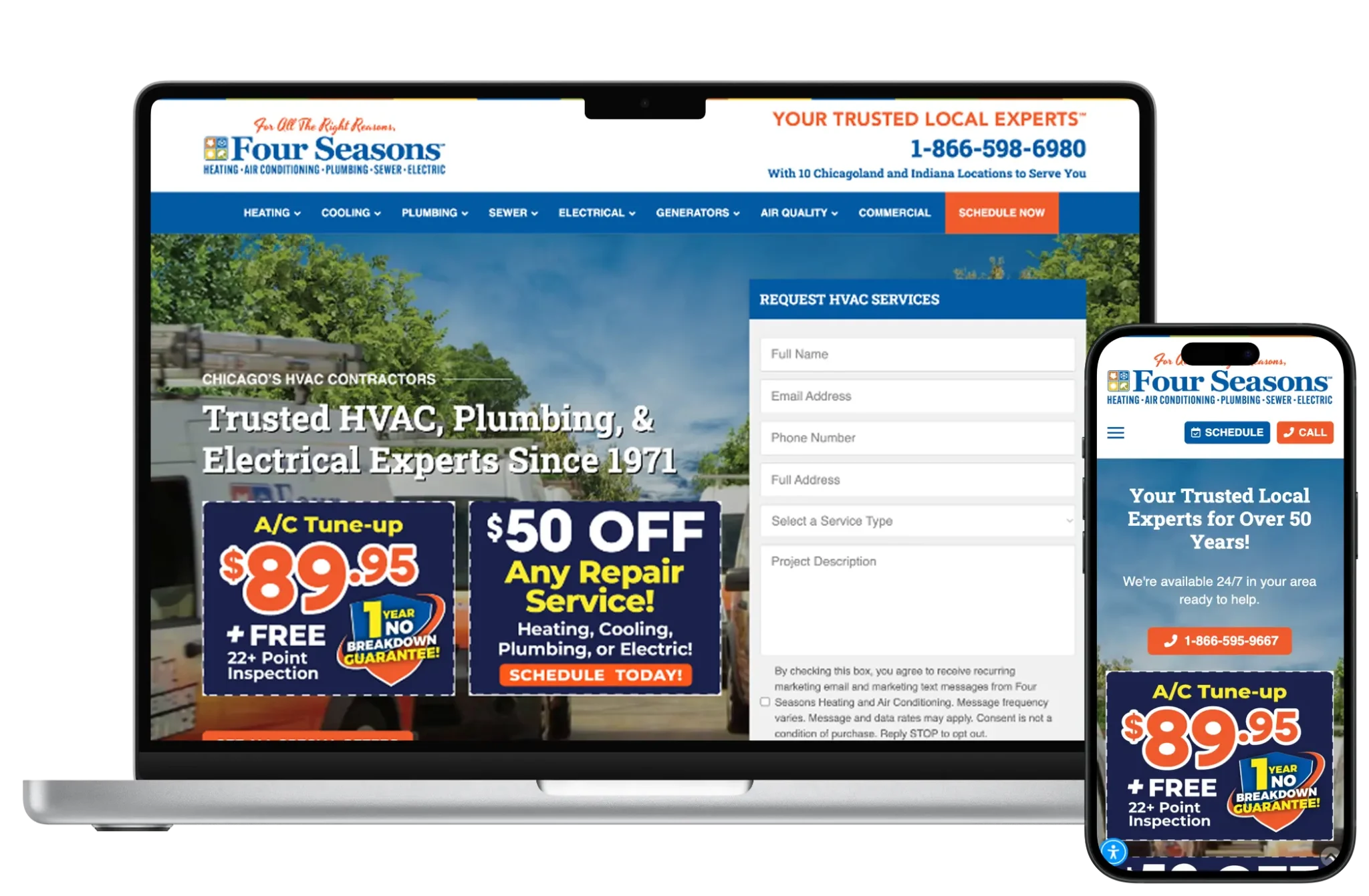
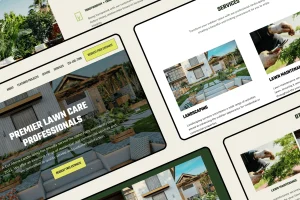
Read more →A look at website designs and layouts we build for service businesses — mockups and project types, not fabricated client claims.
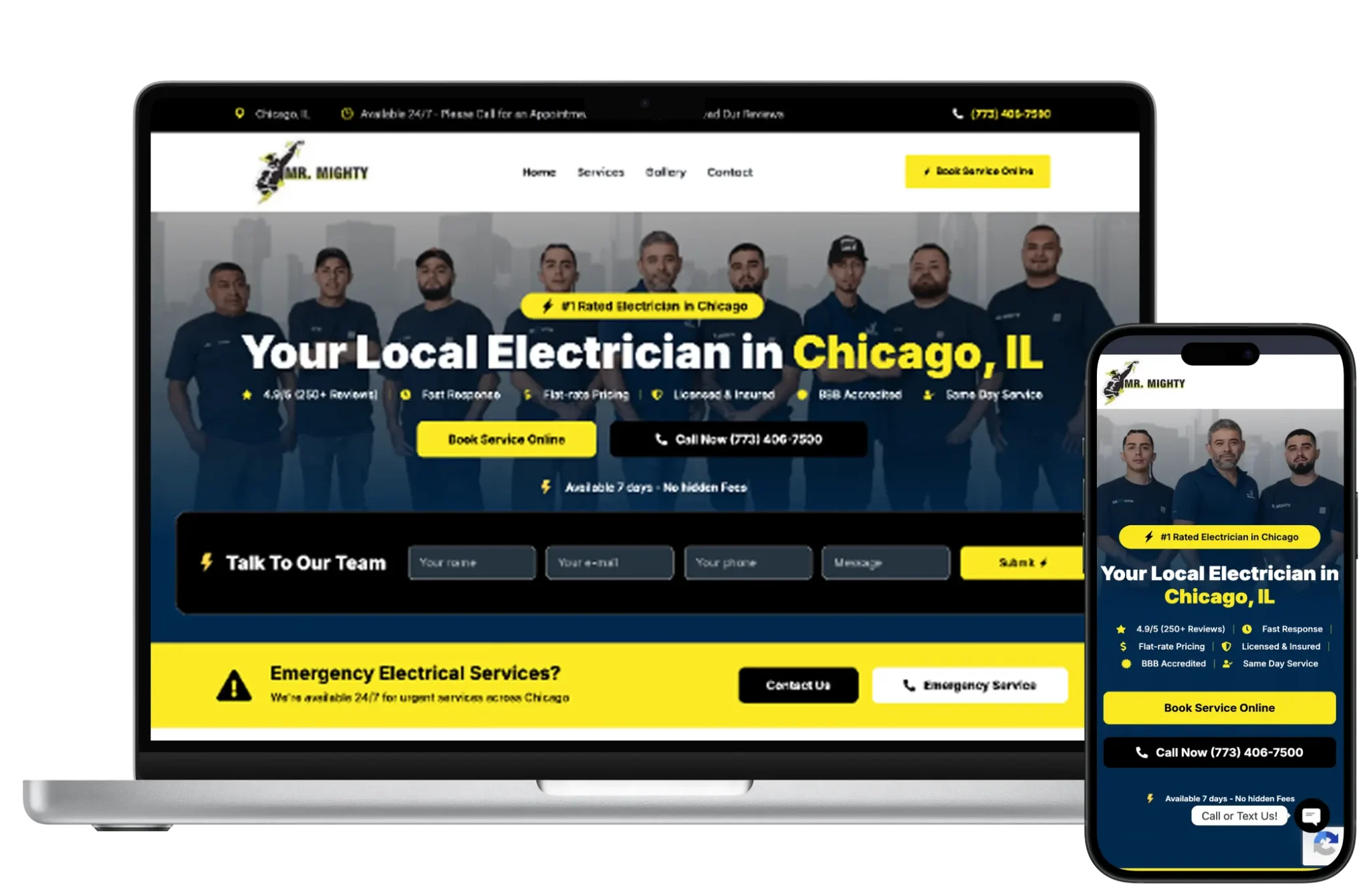
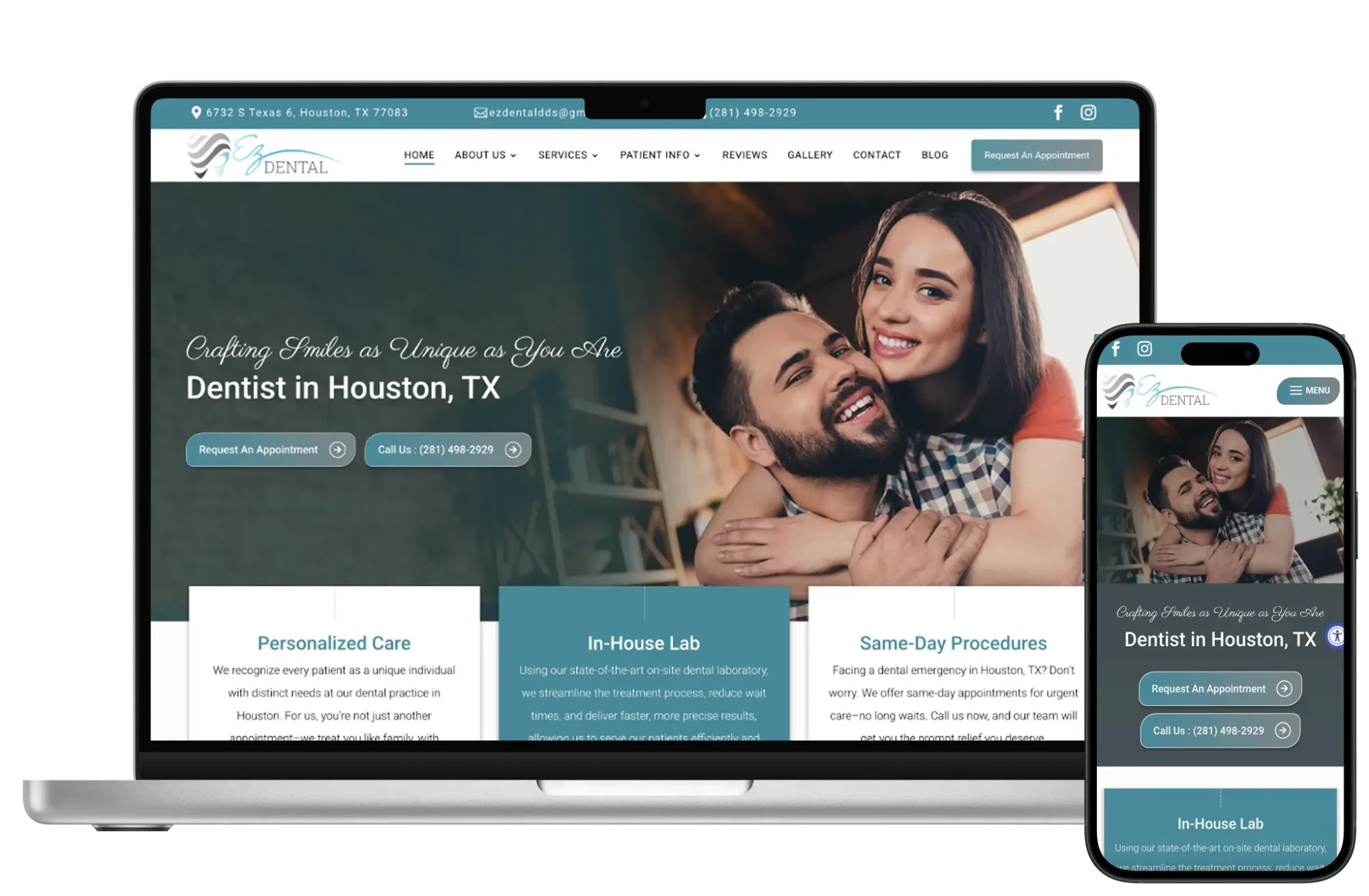
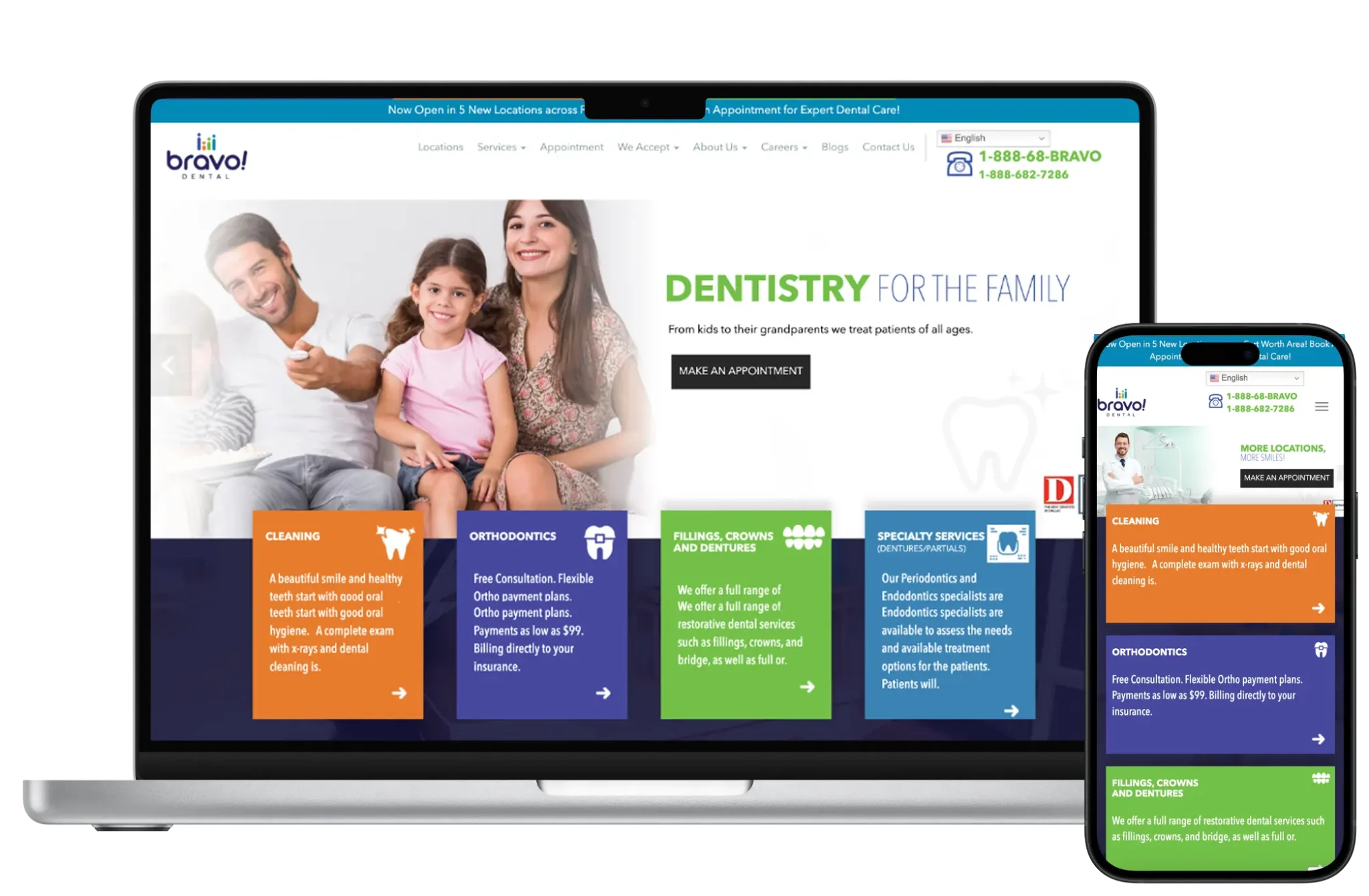
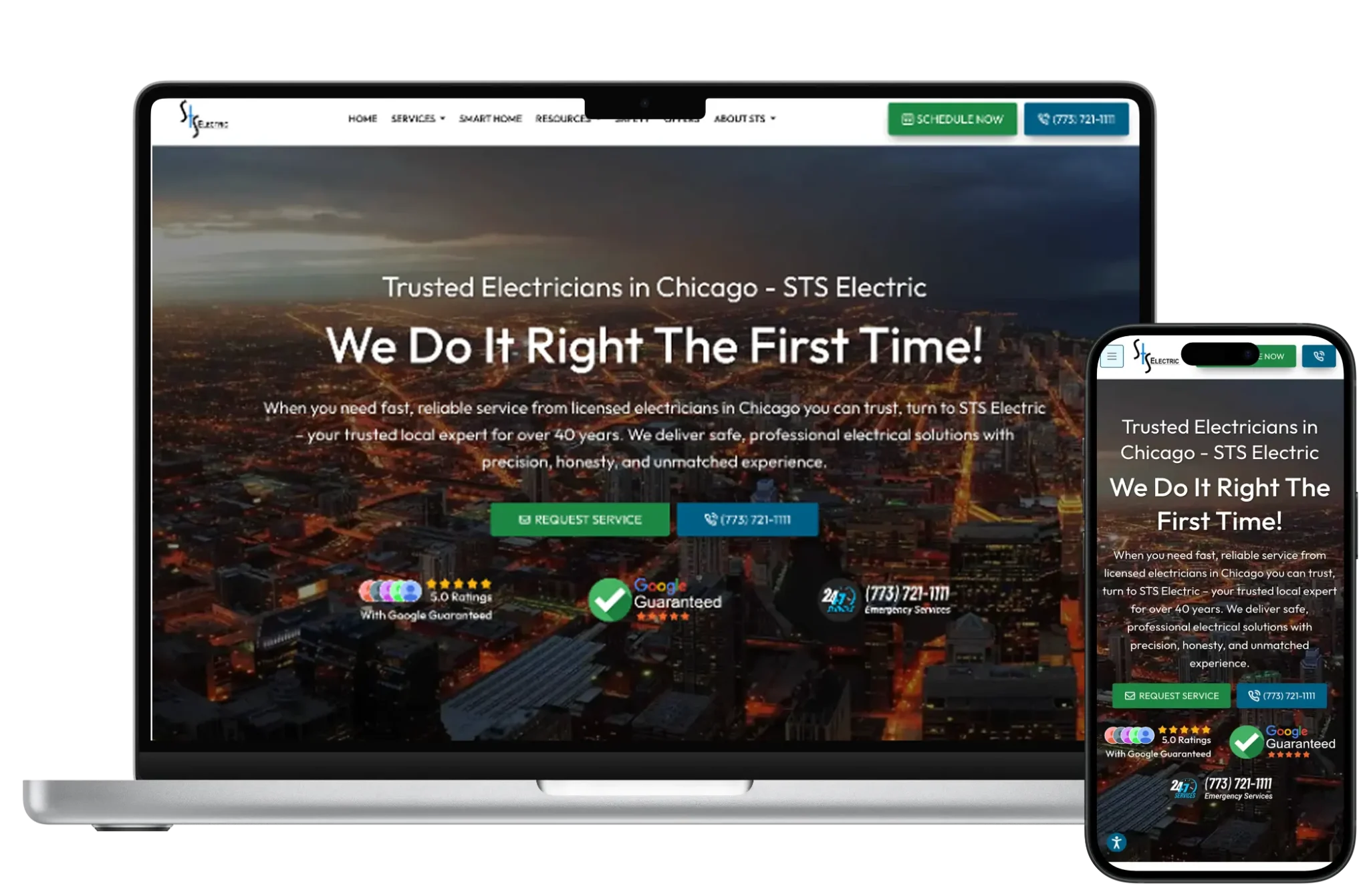
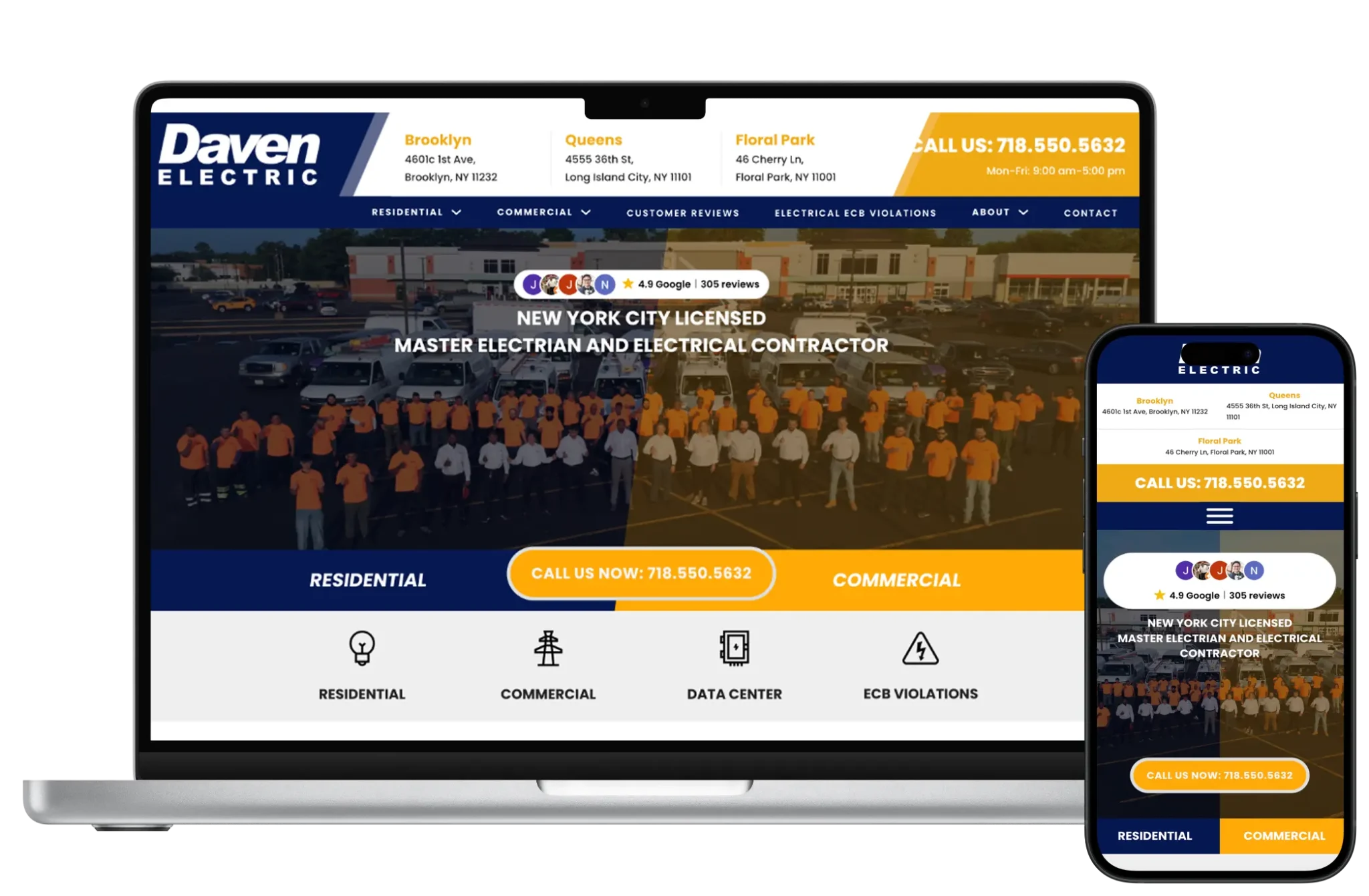
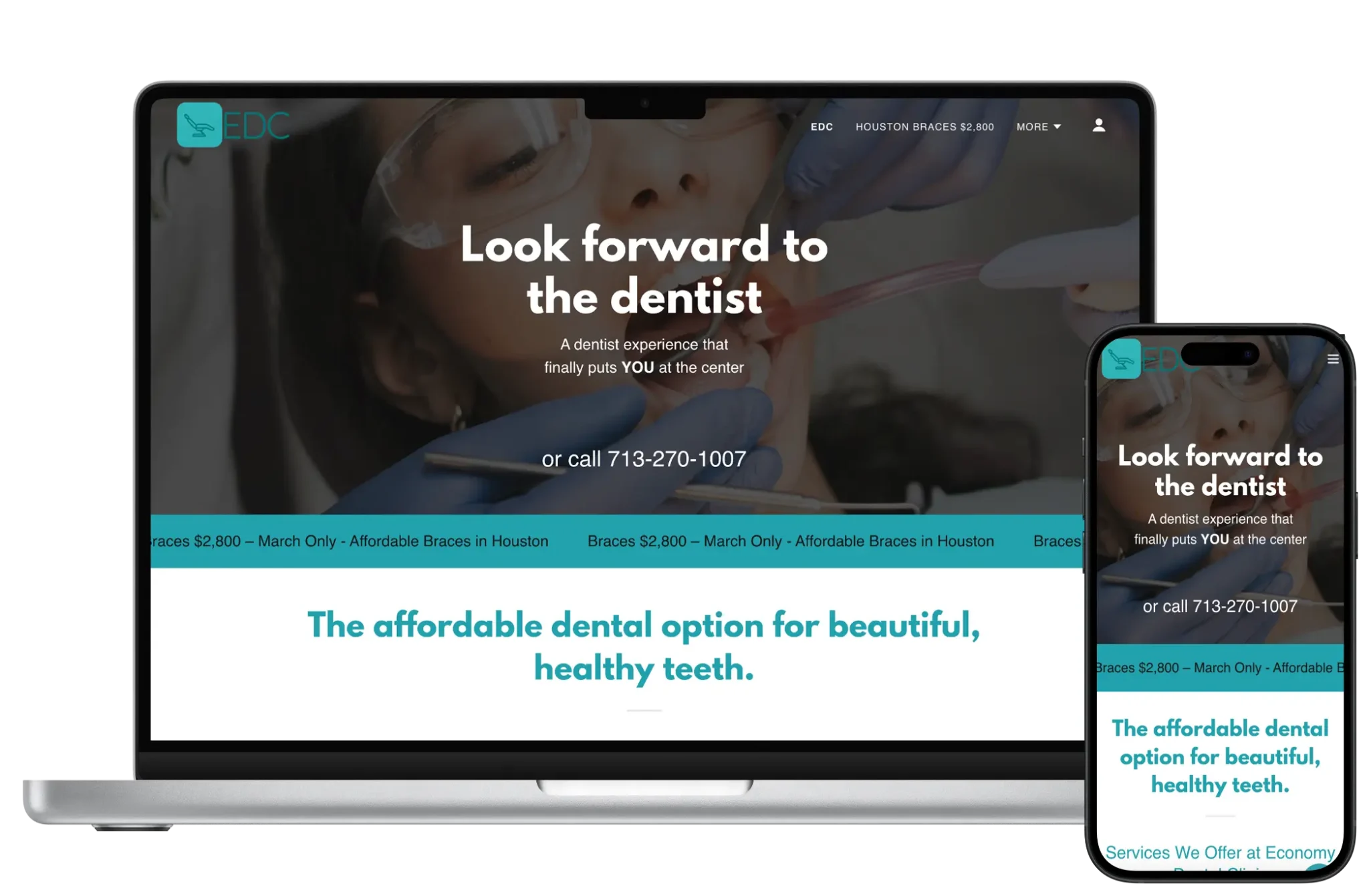
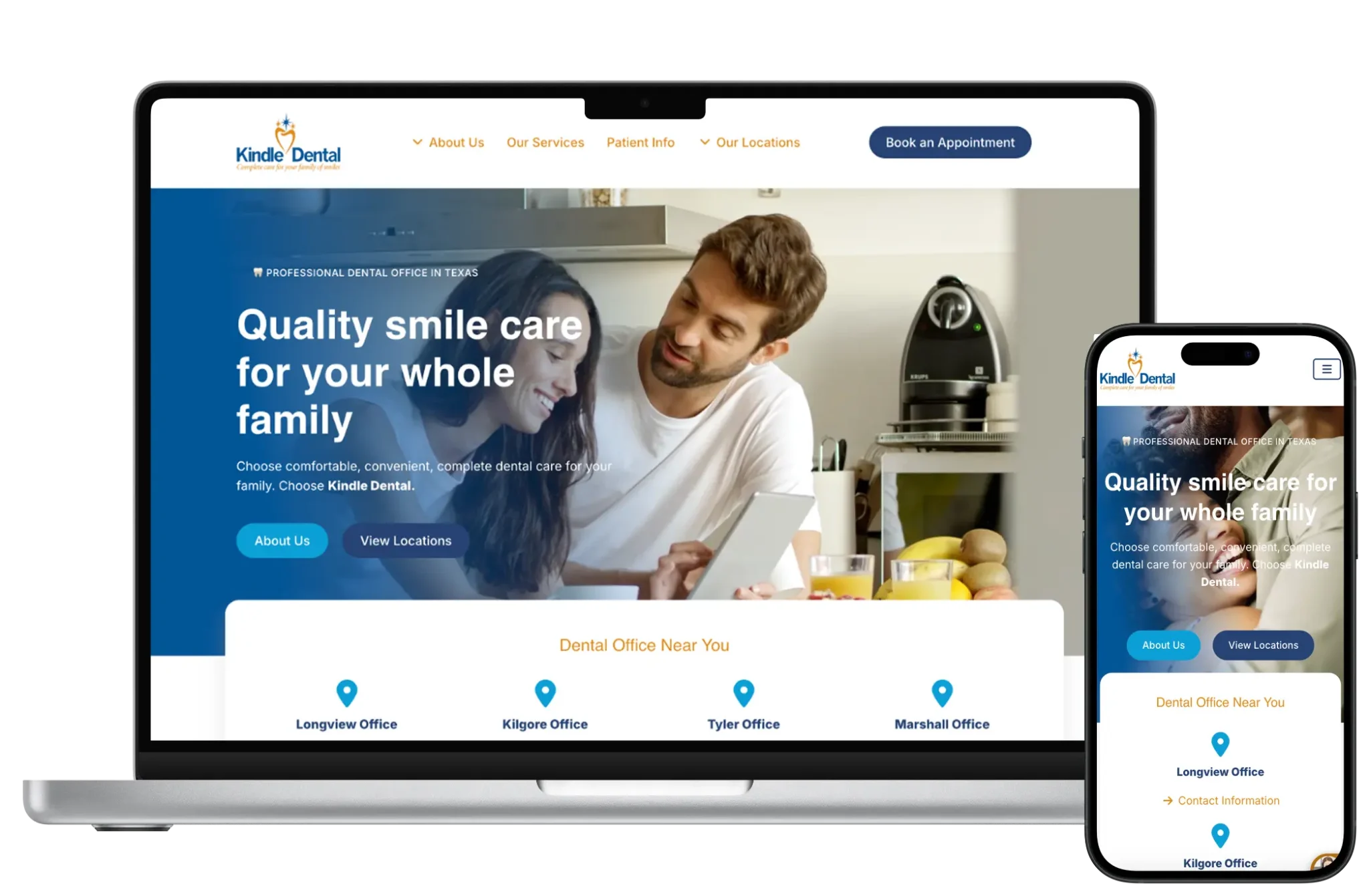

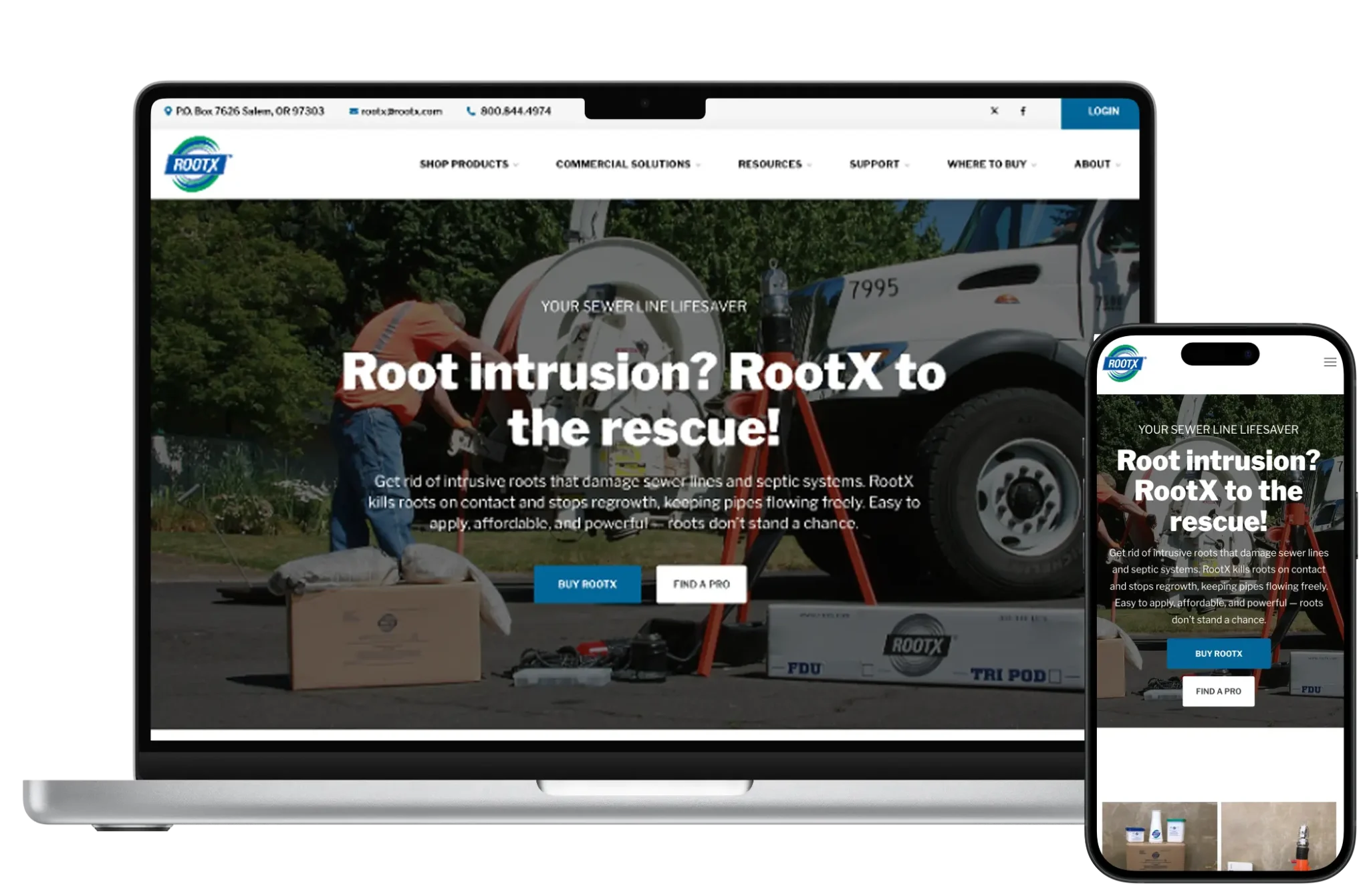
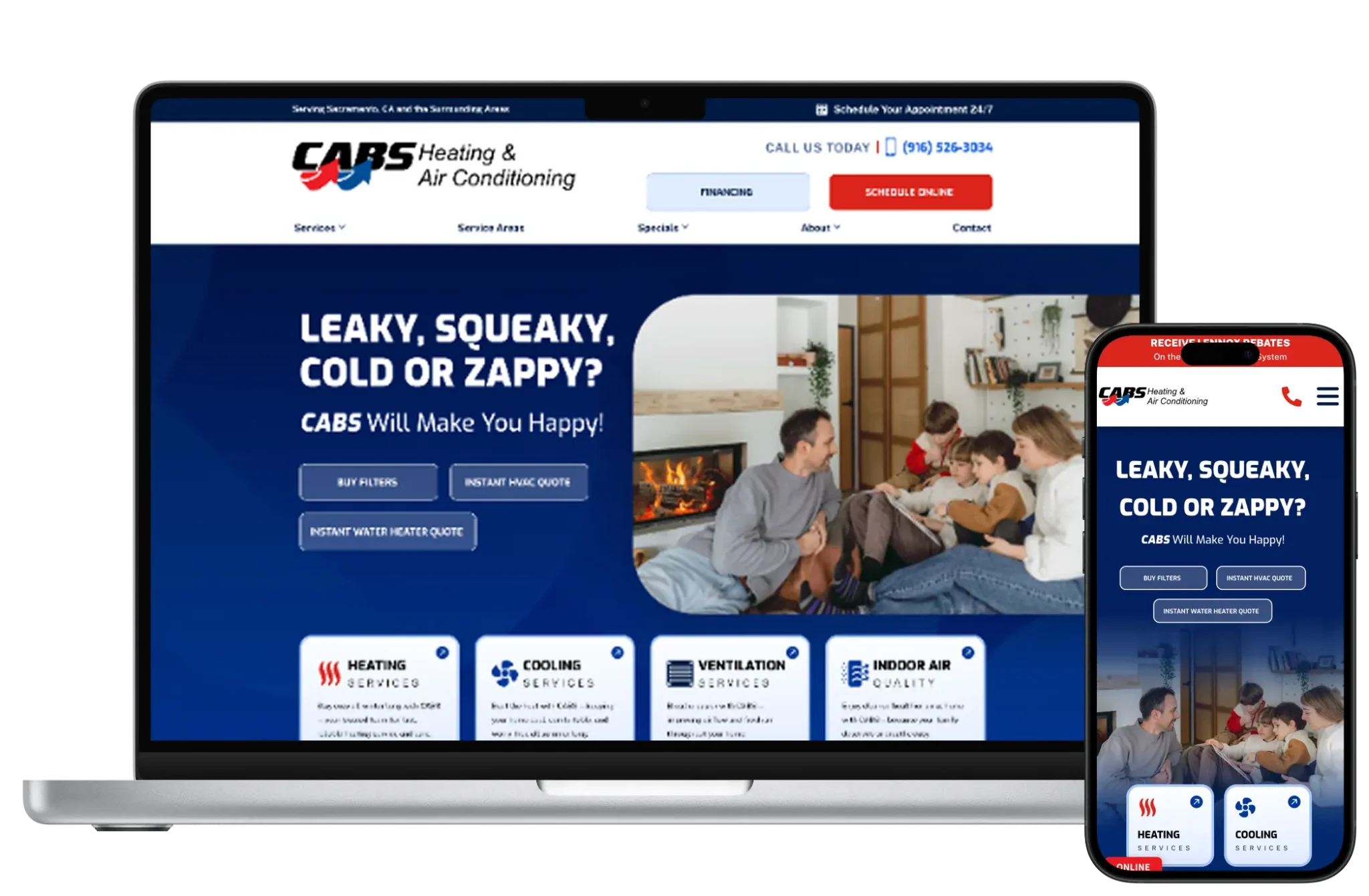
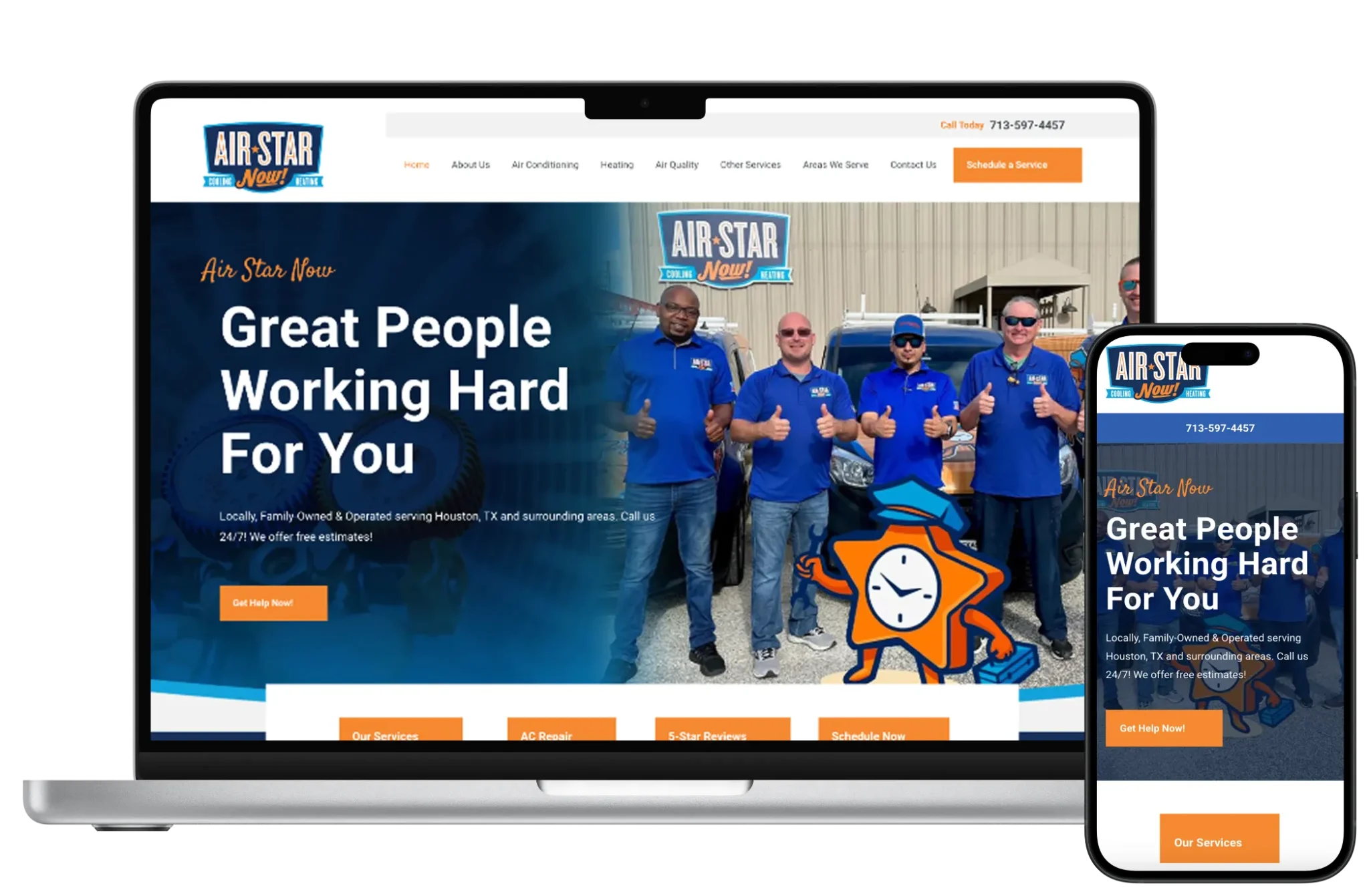
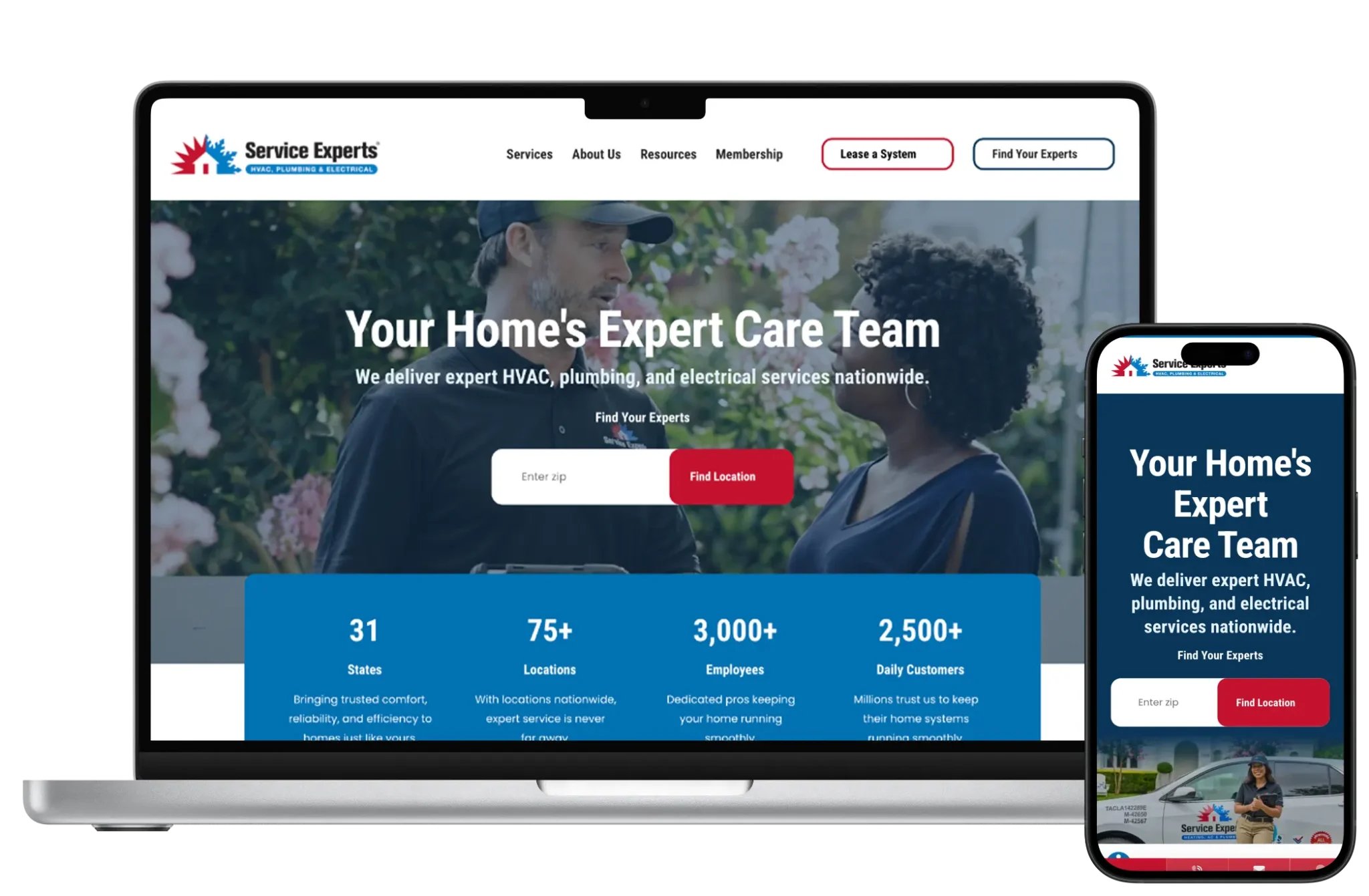
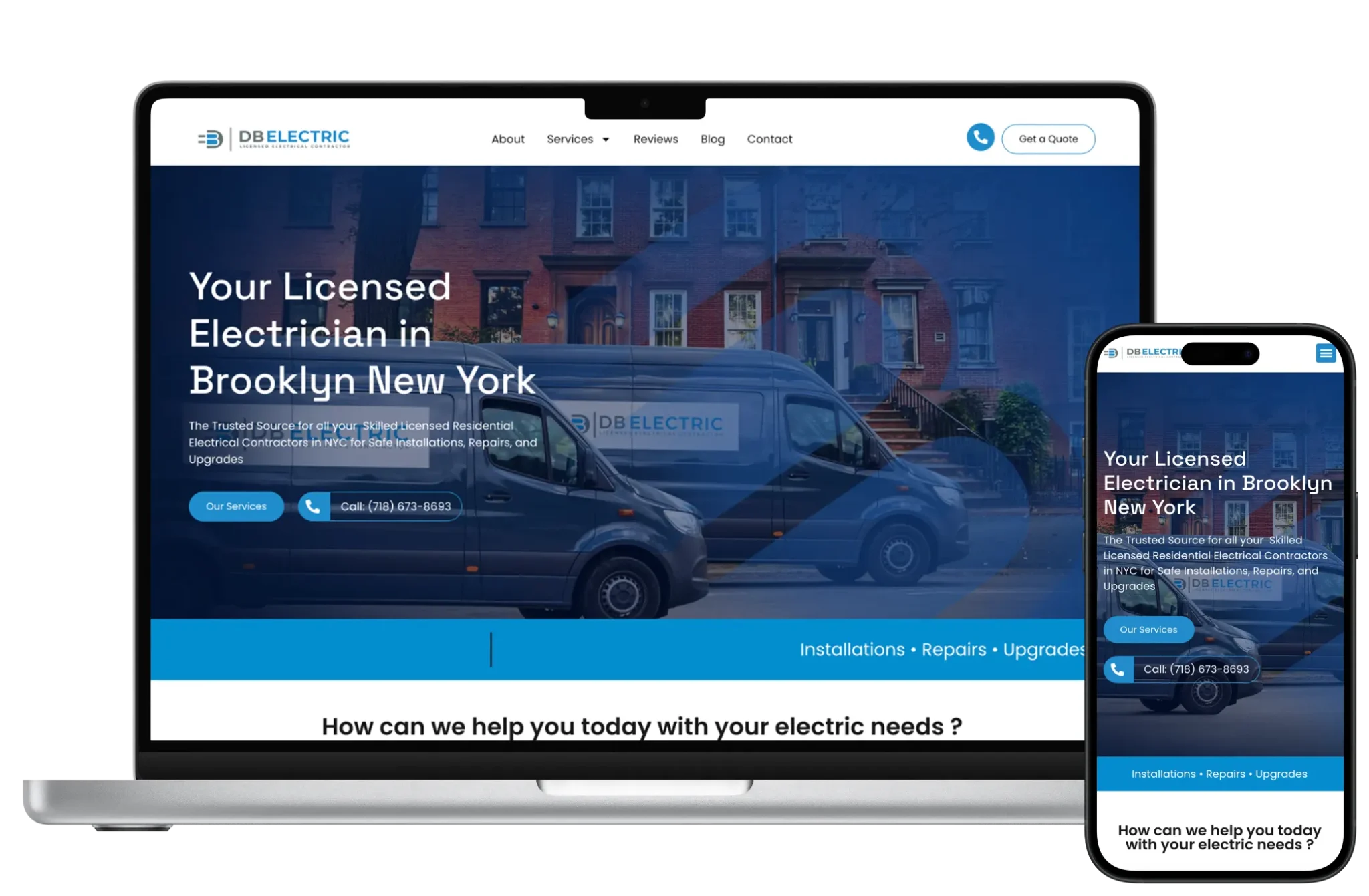





Listing search placed logically without letting IDX widgets destroy page speed or crawl clarity.
Reusable templates for communities you know, with unique copy requirements—no doorway spam.
Quiet, professional forms and landing pages designed for high-stakes conversations.
Structured bios, specialties, and languages that support both UX and entity signals.
Send buyer, seller, and rental inquiries to the right inbox or CRM stages.
Monthly updates so the site reflects inventory seasons and neighborhood changes.

Buyer conversion often means saved searches, showing requests, or buyer consults. Seller conversion means valuation conversations. Keep CTAs labeled clearly so analytics stay meaningful.
Reduce friction on mobile IDX: prominent search, filters that matter locally, and click-to-call for high-intent listing viewers who want a human.
Use progressive profiling—start with neighborhood interest or timeline—rather than forcing mortgage-ready qualification on first touch.

Win queries portals under-serve: neighborhood lifestyle, building-specific pages, and advisory content tied to your real geography. Listing pages alone rarely build durable organic moats.
Technical SEO includes IDX duplicate management, canonical strategies agreed with your provider, fast listing templates, and clean internal linking from guides to search.
Content SEO should emphasize local entities—schools discourse carefully and factually, commute patterns, housing stock—without copying MLS remarks or fabricating market statistics.
We connect SEO work to technical SEO, on-page SEO, and — when local demand matters — local SEO. We do not promise specific rankings.
Agent and team Google Business Profiles should match website NAP and service areas. Photo and post cadence support local discovery for brand searches and near-me agent queries.
Hyperlocal pages work when grounded in genuine expertise. We avoid mass-produced subdivision doorway pages.
We only recommend location pages when you genuinely serve the area and can add unique value — not doorway-page city spam. See Google Business Profile optimization.

Yearly plans that include design, development, maintenance and SEO foundations — without a large upfront project fee.
For small businesses that need a professional site without a large upfront build.
Best for local and service businesses ready to generate more leads every month.
For growing brands that need ongoing development, SEO and conversion work.
Large sites, complex integrations, multi-location brands and custom applications.
Most lead-focused Real Estate Agents & Teams engagements fit Growth ($299/year) when local/organic acquisition matters. Simpler brochure sites may fit Starter ($199/year). Multi-location, custom integrations, or heavier development fit Pro ($399/year) or Enterprise.
Setup fees may apply for redesigns, migrations, or large content builds — always disclosed before kickoff. See transparent subscription pricing and how website subscriptions work.
Full notes for challenges, strategy and supporting pages — so the sections above stay scannable.
Treat the site as a local authority layer on top of search: help people understand where to live and how you work, then provide listing search as a utility—not the only page that matters.
Build distinct buyer and seller journeys from the first navigation choice. Seller pages should emphasize preparation, pricing strategy conversations, and discreet consultation CTAs. Buyer pages should emphasize neighborhoods, property types, and saved-search onboarding.
Publish neighborhood and building content only where the team has real experience. Depth in fewer geographies beats thin coverage of an entire metro. Monthly subscription work keeps market notes, sold highlights, and community pages current.
Typical tools and workflows we plan around for Real Estate Agents & Teams:
Platform choice often lands on WordPress for service businesses, or Shopify / WooCommerce when commerce is central.
Portals own much listing search. Owned sites still win brand, neighborhood advisory, and seller consult demand—and improve conversion from portal leads you already buy.
Franchise sites are often generic. A dedicated site can emphasize your team’s geography and process while still linking to brokerage compliance requirements.
No. Real estate SERPs are dominated by major portals. We build durable local authority assets without ranking guarantees.
IDX helps listings; it does not automatically create neighborhood authority or seller funnels. We complement search utilities with marketing architecture.
Straight answers about scope, pricing, ownership and what a subscription includes for this page.
Yes. We implement IDX or listing search through providers compatible with your MLS rules, with attention to speed and duplicate-content controls.
Only if you are comfortable with the data source and messaging. We prefer consultation-led valuation paths when instant tools create false precision.
As many as you can support with unique, experience-based content. A handful of excellent guides beats fifty thin stubs.
Yes. We plan redirects, IDX reintegration, and content mapping so you are not starting from zero.
We can structure and publish market updates from data you provide or publicly cite. We do not invent statistics.
Forms can route by intent, geography, or price band into your CRM. We configure what your operations define.
It is worth it for branded, neighborhood, and seller-intent queries—not as a promise to displace national portals for every address search.
Yes. We can plan language versions carefully to avoid duplicate-content issues and weak machine translations.
Maintenance, technical upkeep, and agreed SEO/content tasks such as neighborhood expansions, sold stories, and on-page improvements.
Visual design, discretion in CTAs, and property-type storytelling change. The subscription model and honest SEO principles stay the same.
IDX-aware design, neighborhood authority, and monthly SEO—without fake lead metrics or ranking guarantees.