

Challenges Ecommerce Brands face online
Theme customization debt makes merchandising experiments slow and fragile.Faceted navigation creates duplicate index URLs that dilute SEO.PDPs lack…
Read more →Ecommerce storefronts & catalogs
Ecommerce sites win when merchandising, speed, and trust work together: shoppers must find the right products, understand variants, and check out without friction—while search engines must crawl…

Ecommerce sites win when merchandising, speed, and trust work together: shoppers must find the right products, understand variants, and check out without friction—while search engines must crawl clean category and product architecture. 66sites builds and maintains subscription ecommerce experiences on platforms like Shopify and WooCommerce, pairing design and development with ongoing SEO rather than a launch-and-leave theme install.
Whether you run a focused DTC brand, a growing catalog, or a B2B-leaning wholesale storefront, the site has to reflect how people shop: collection storytelling, filters that match real attributes, PDPs with proof and shipping clarity, and content that captures non-brand demand. We design conversion paths around add-to-cart and high-intent research, then keep improving category templates, internal linking, and technical hygiene monthly.
We do not invent revenue screenshots, "#1 store" badges, or guaranteed first-page rankings for competitive head terms. Honest ecommerce SEO means fixing index bloat, strengthening collection relevance, and earning visibility with useful content—measured with real Search Console and analytics data.
Practical website, conversion and SEO work tailored to how your buyers actually decide.
Theme customization debt makes merchandising experiments slow and fragile.Faceted navigation creates duplicate index URLs that dilute SEO.PDPs lack…
Read more →
Architect catalogs around how customers shop—use cases, categories, and attributes—not only internal SKU logic. Collection pages should earn…
Read more →
Homepage merchandising. Routes shoppers into priority collections and campaigns without chaos.Collection / category templates. Primary SEO and browse…
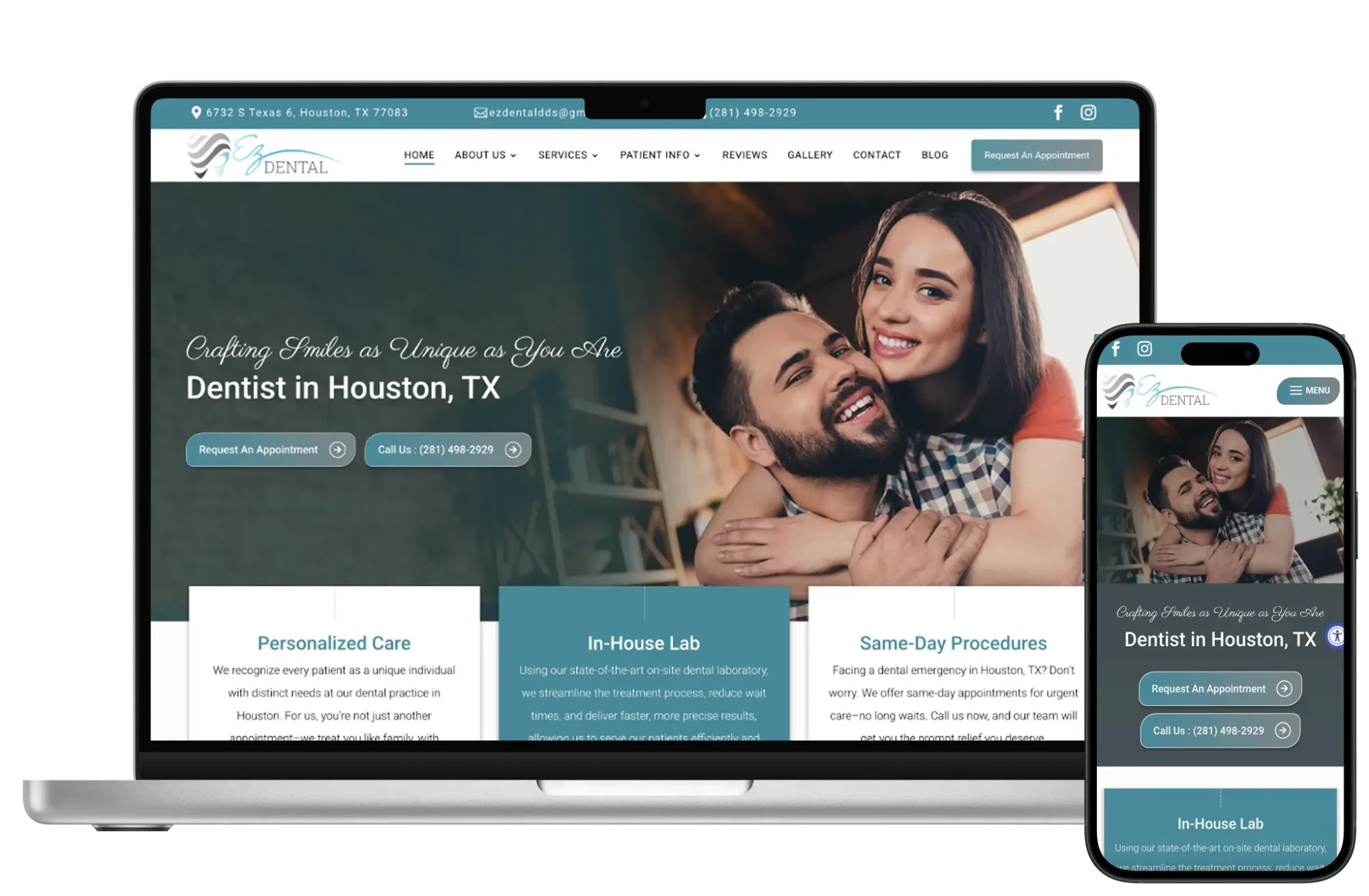
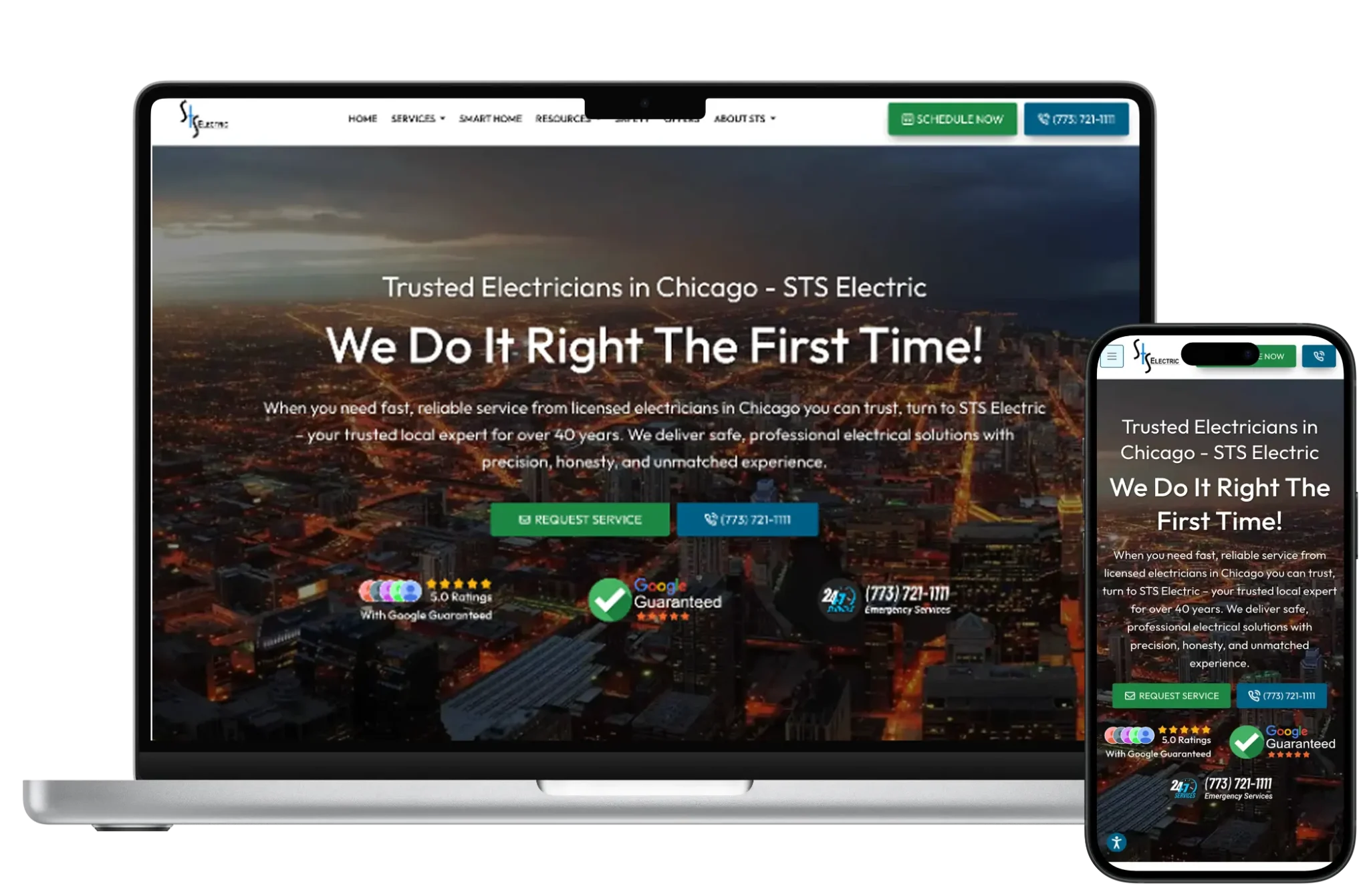
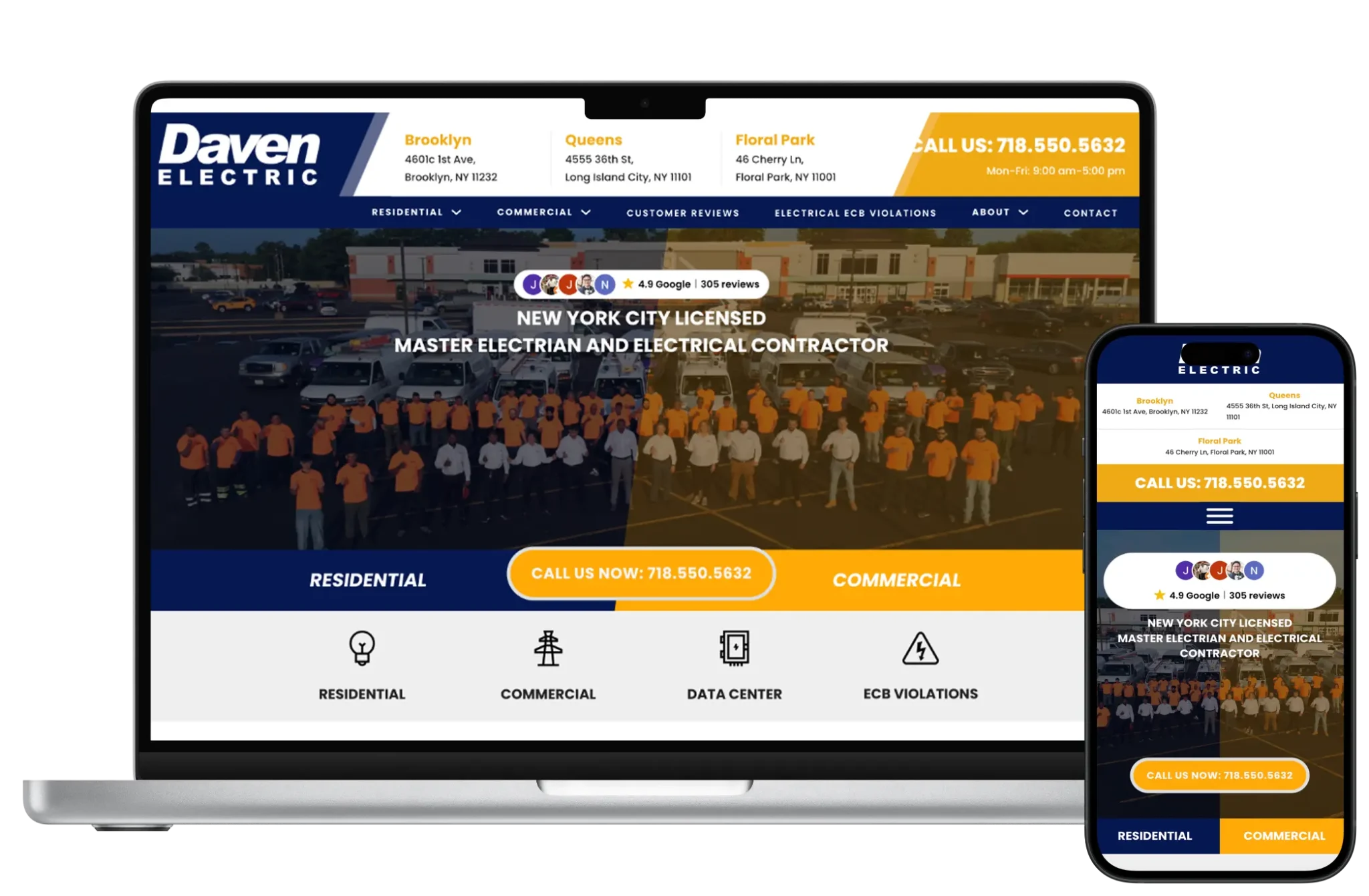
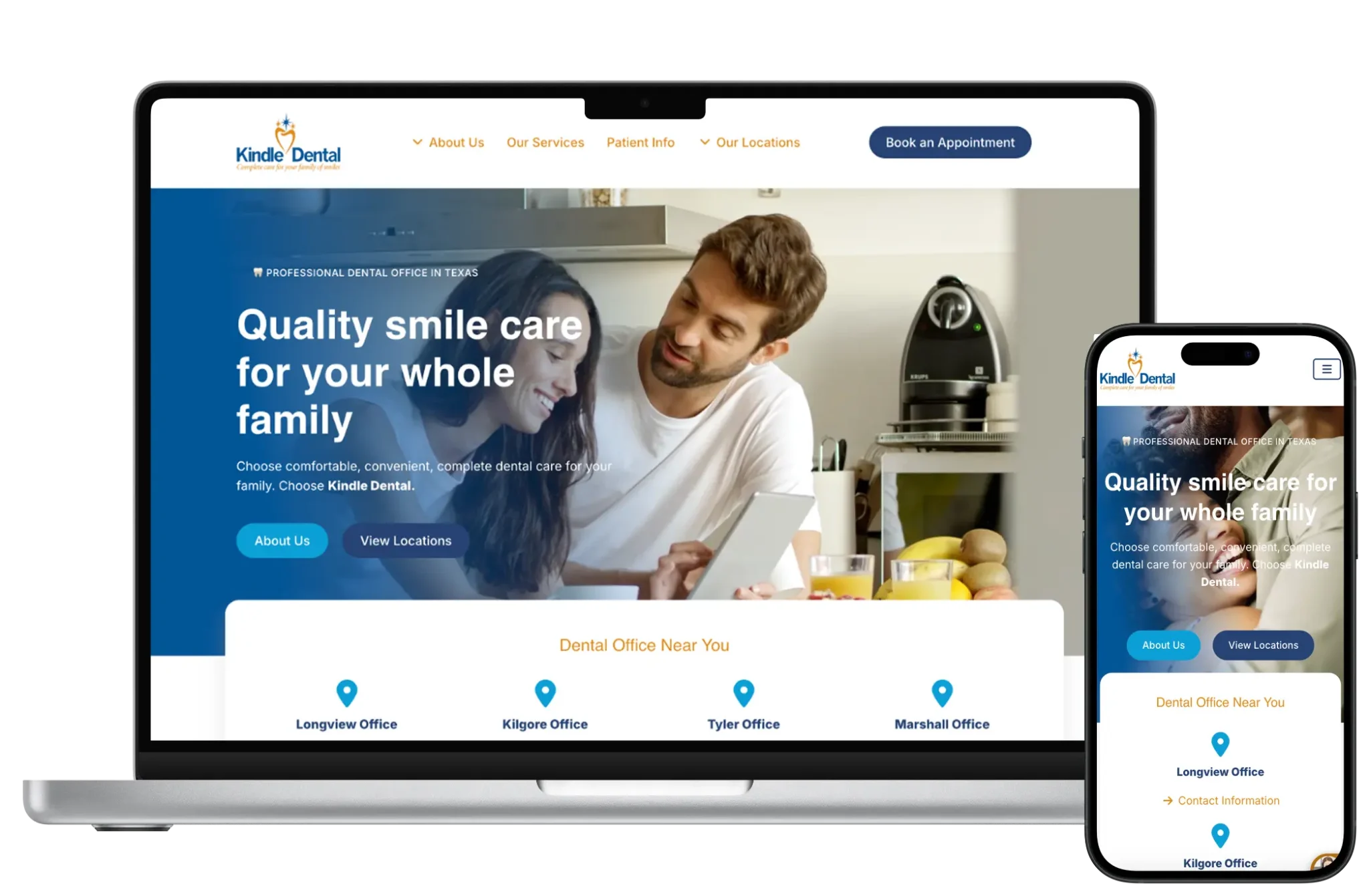
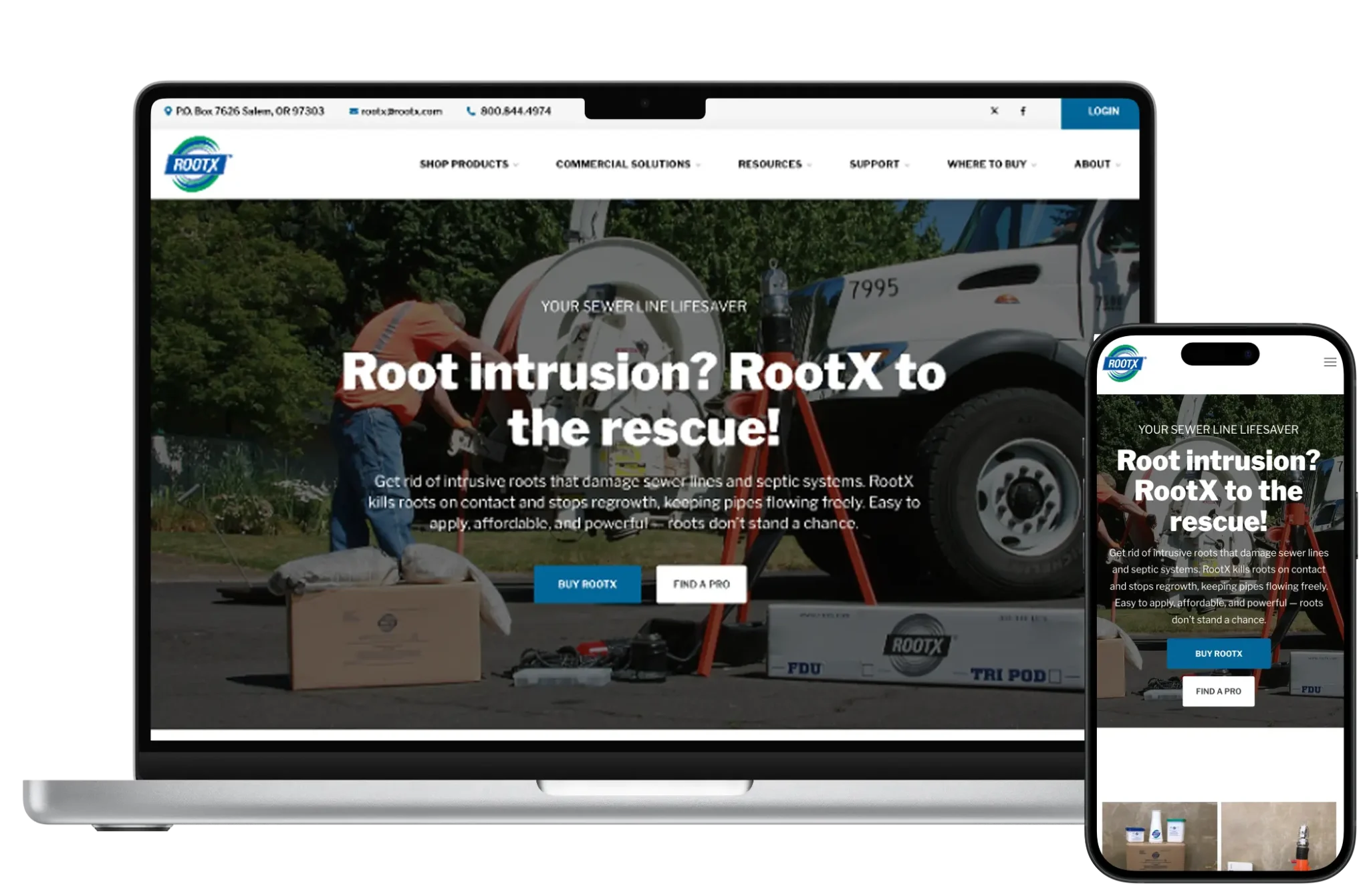
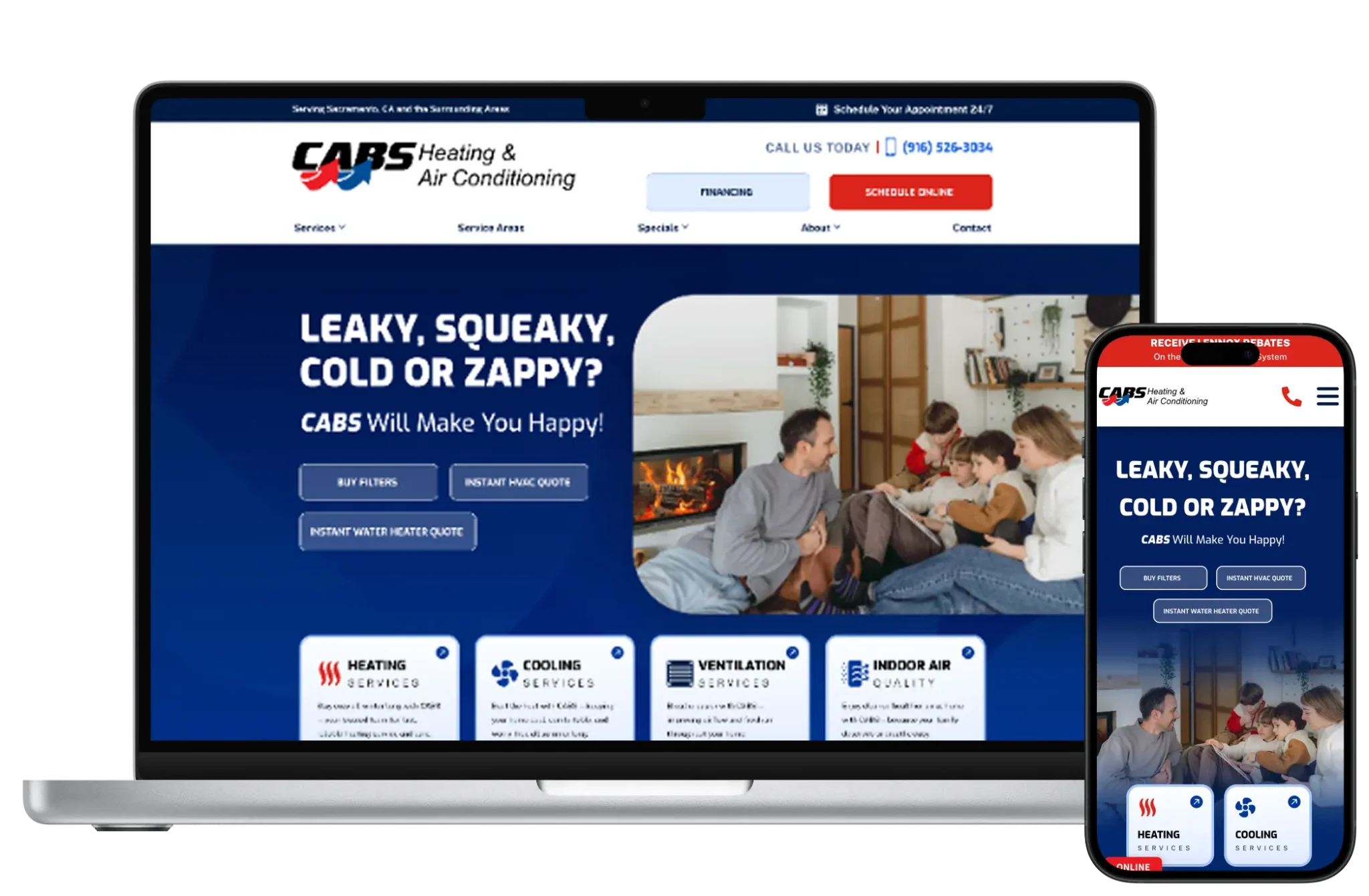
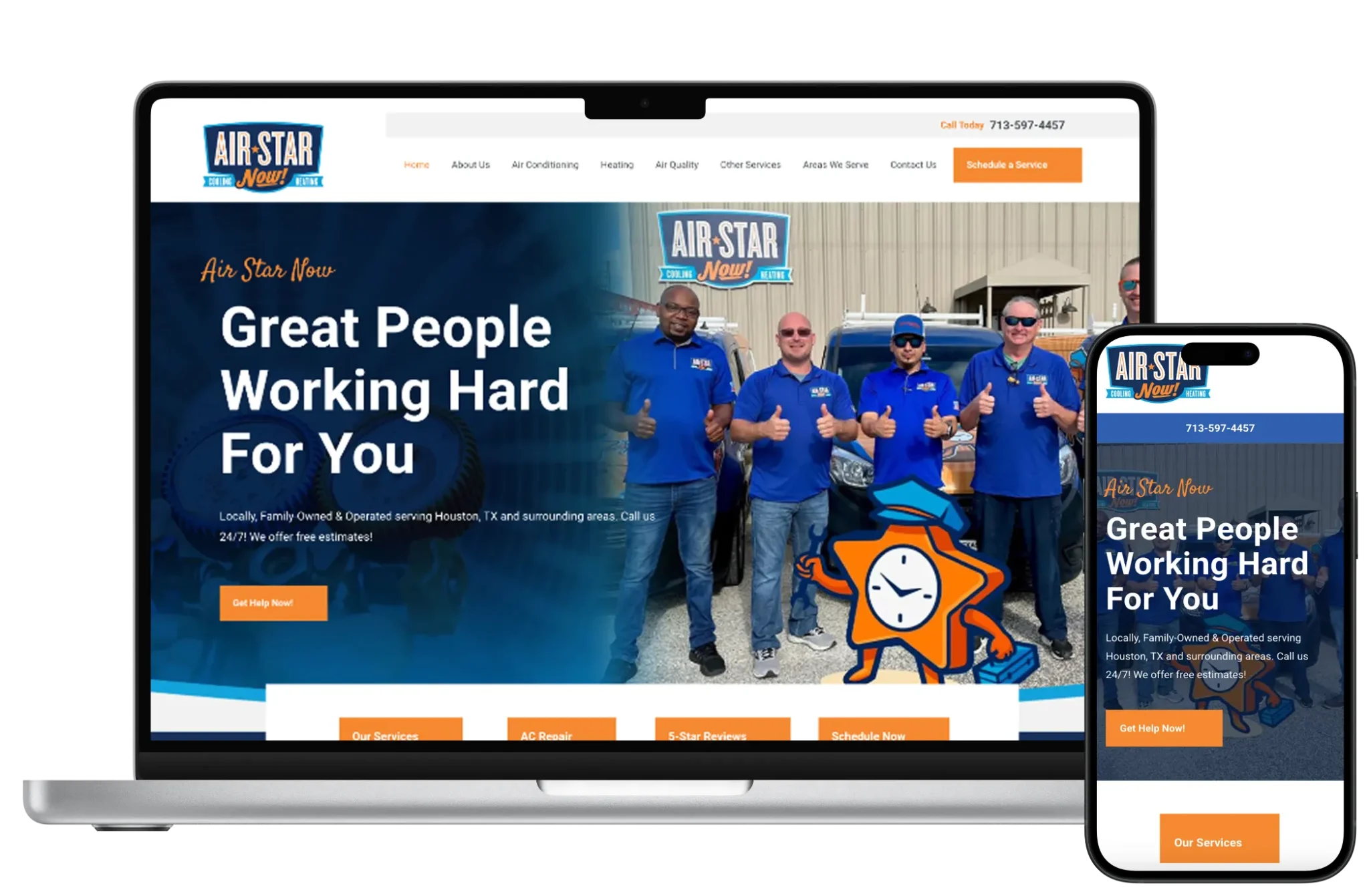
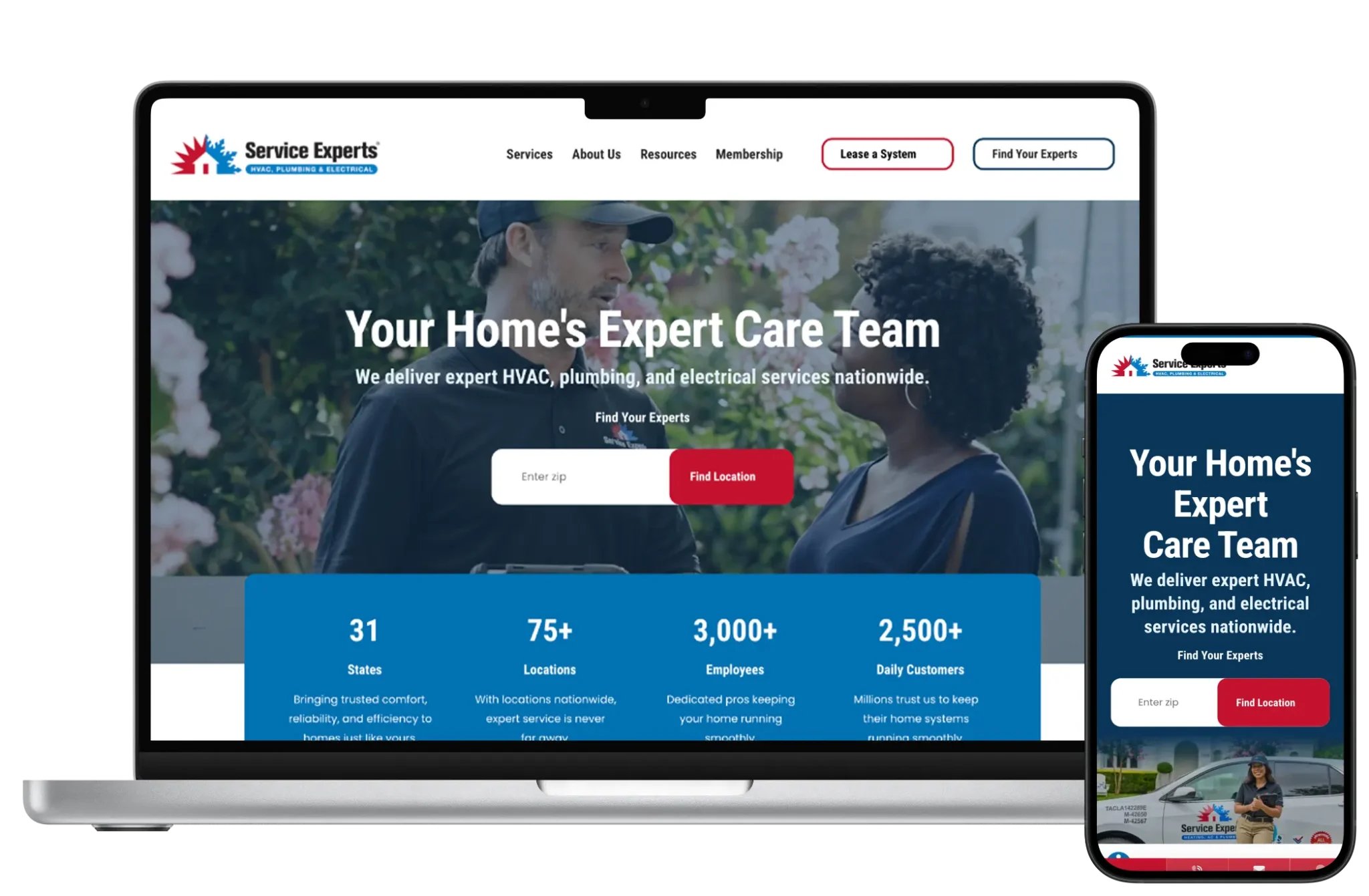
Read more →A look at website designs and layouts we build for service businesses — mockups and project types, not fabricated client claims.




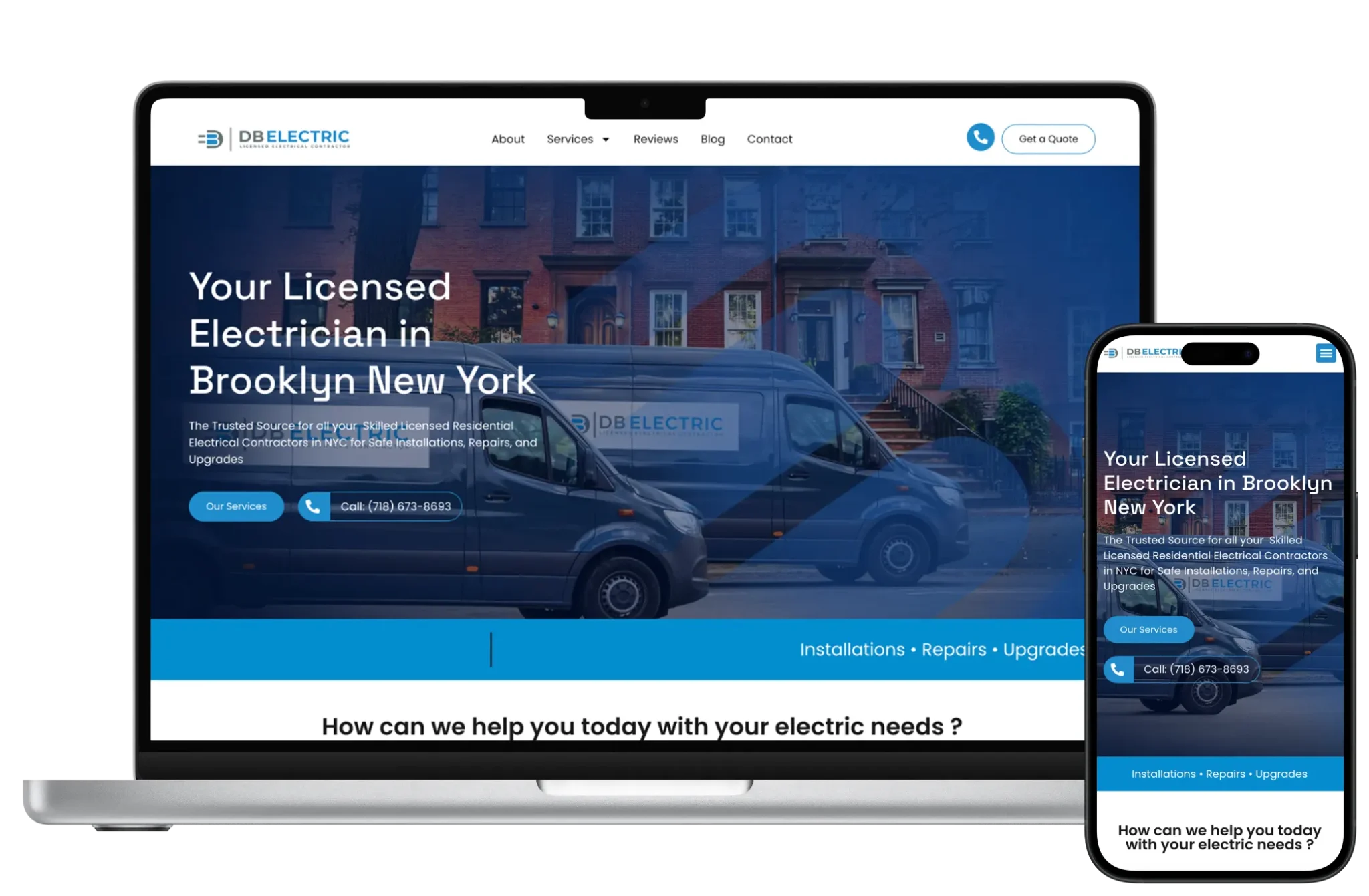
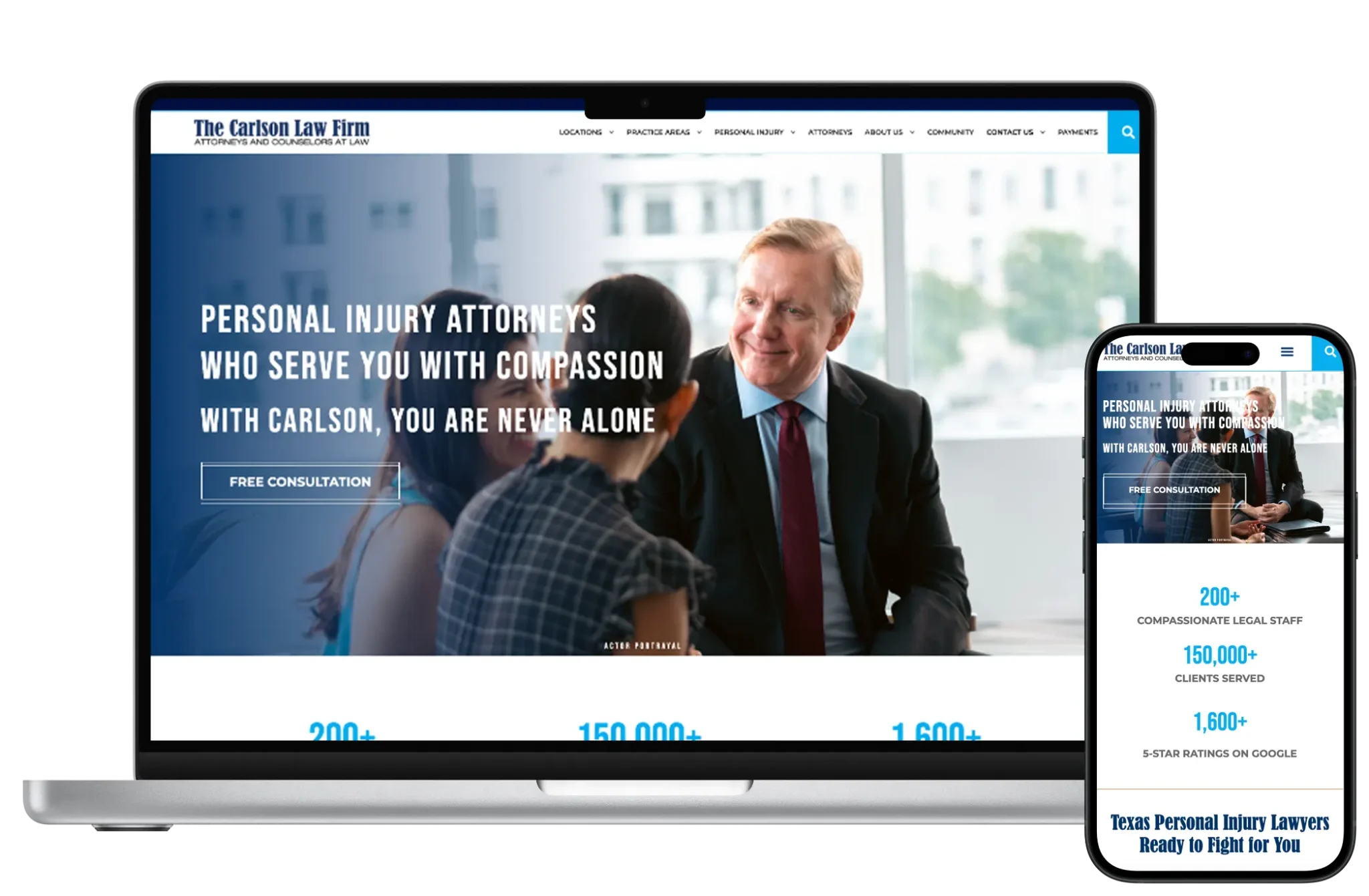
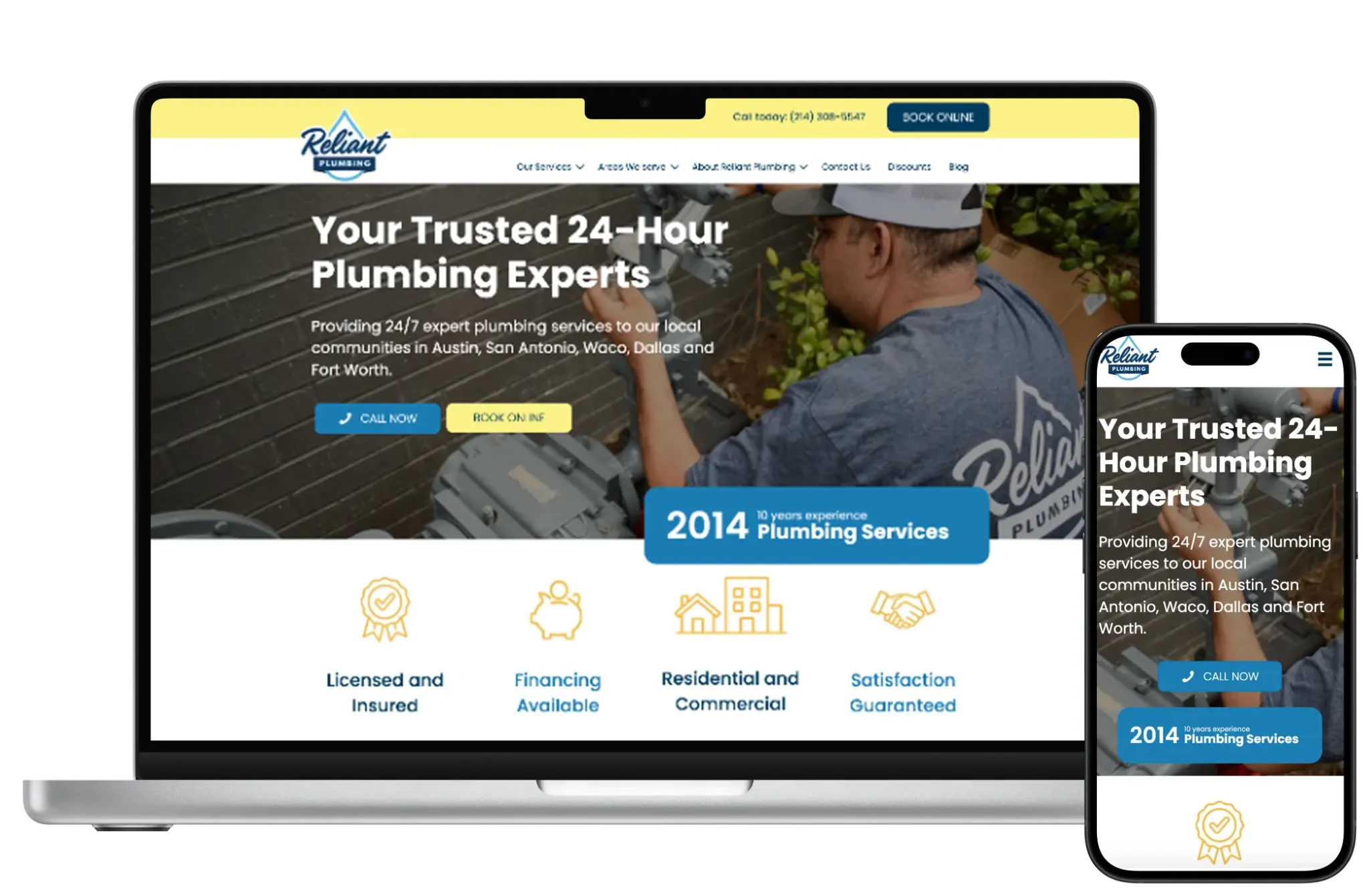
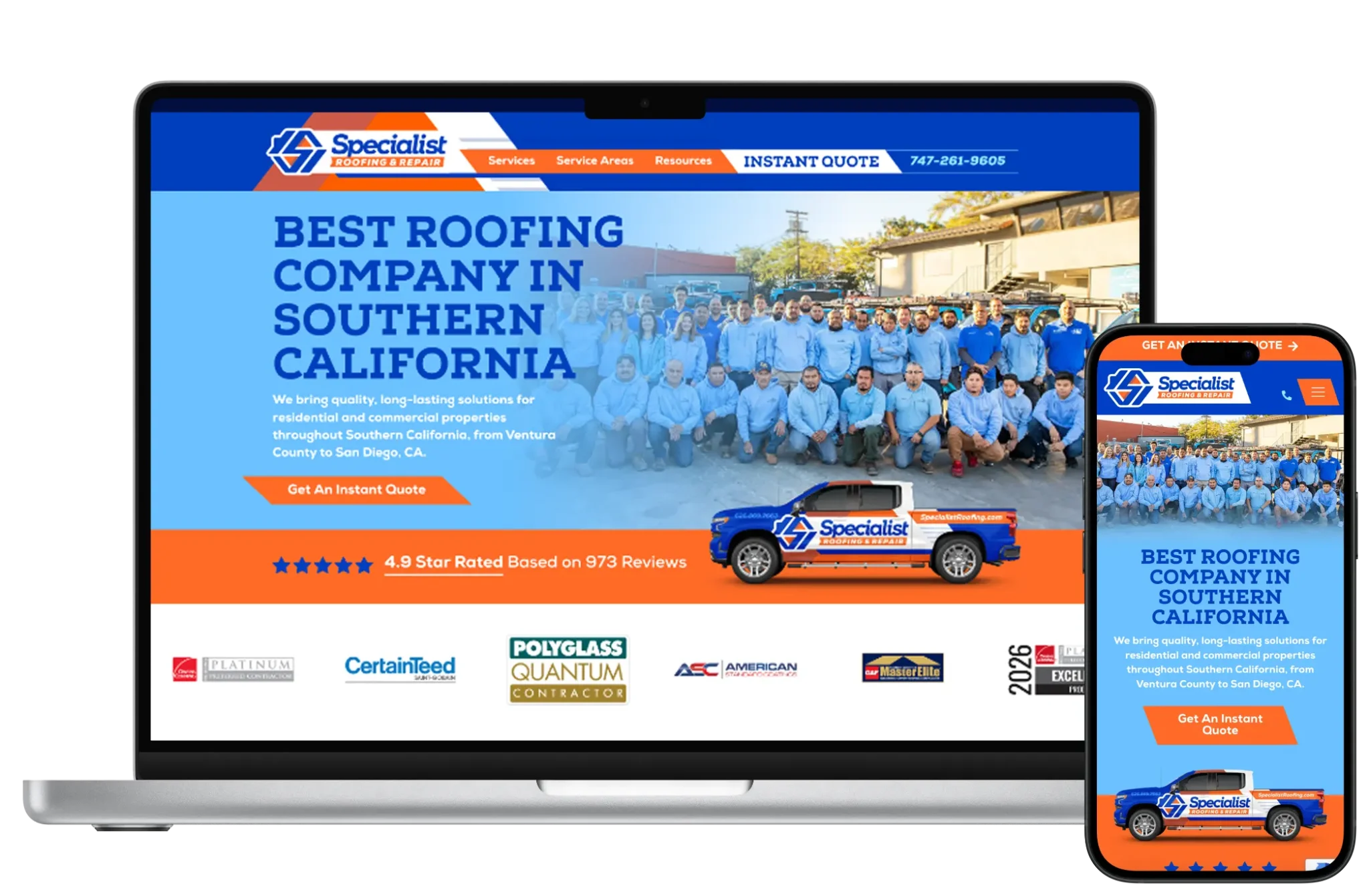
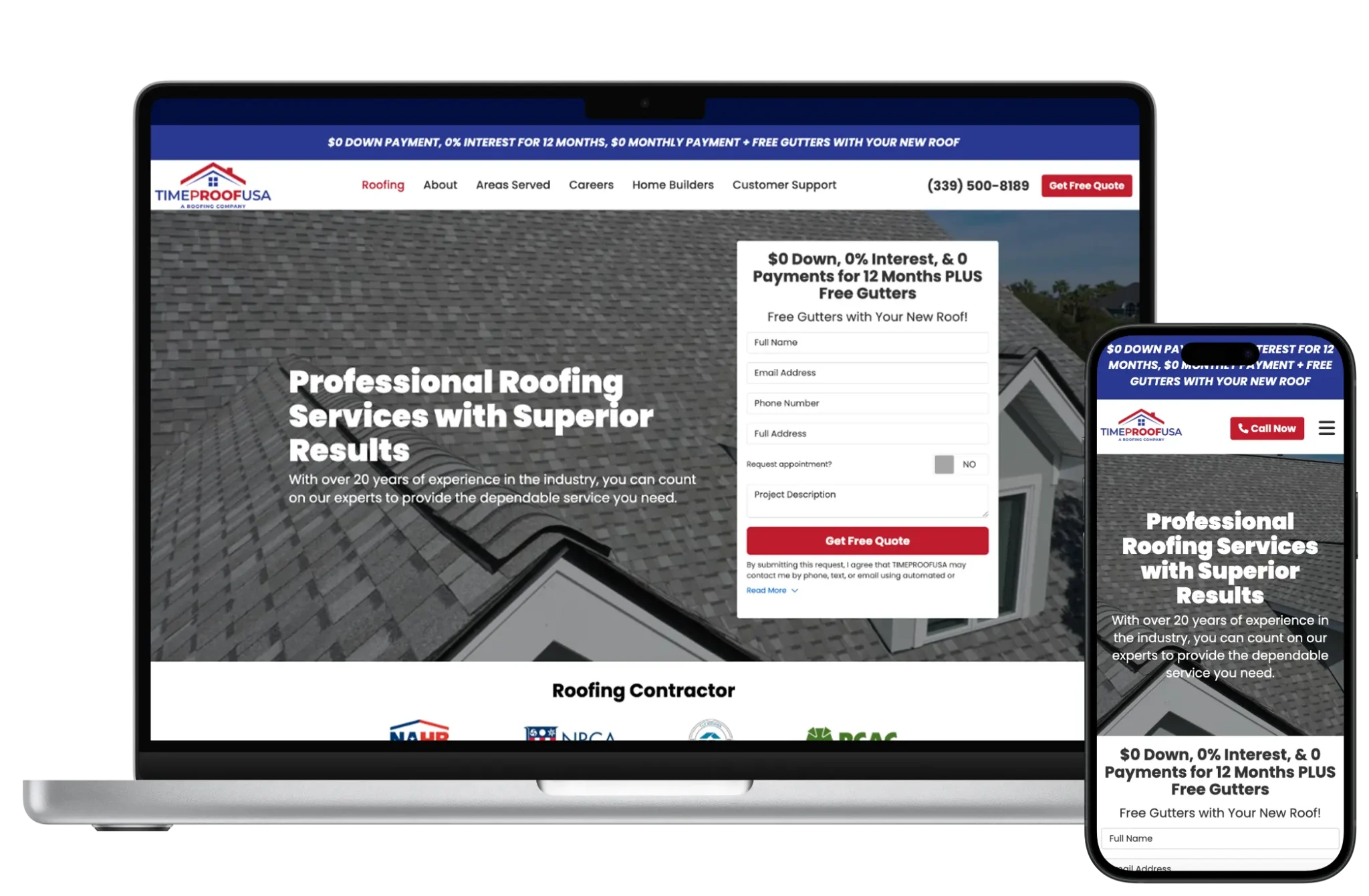
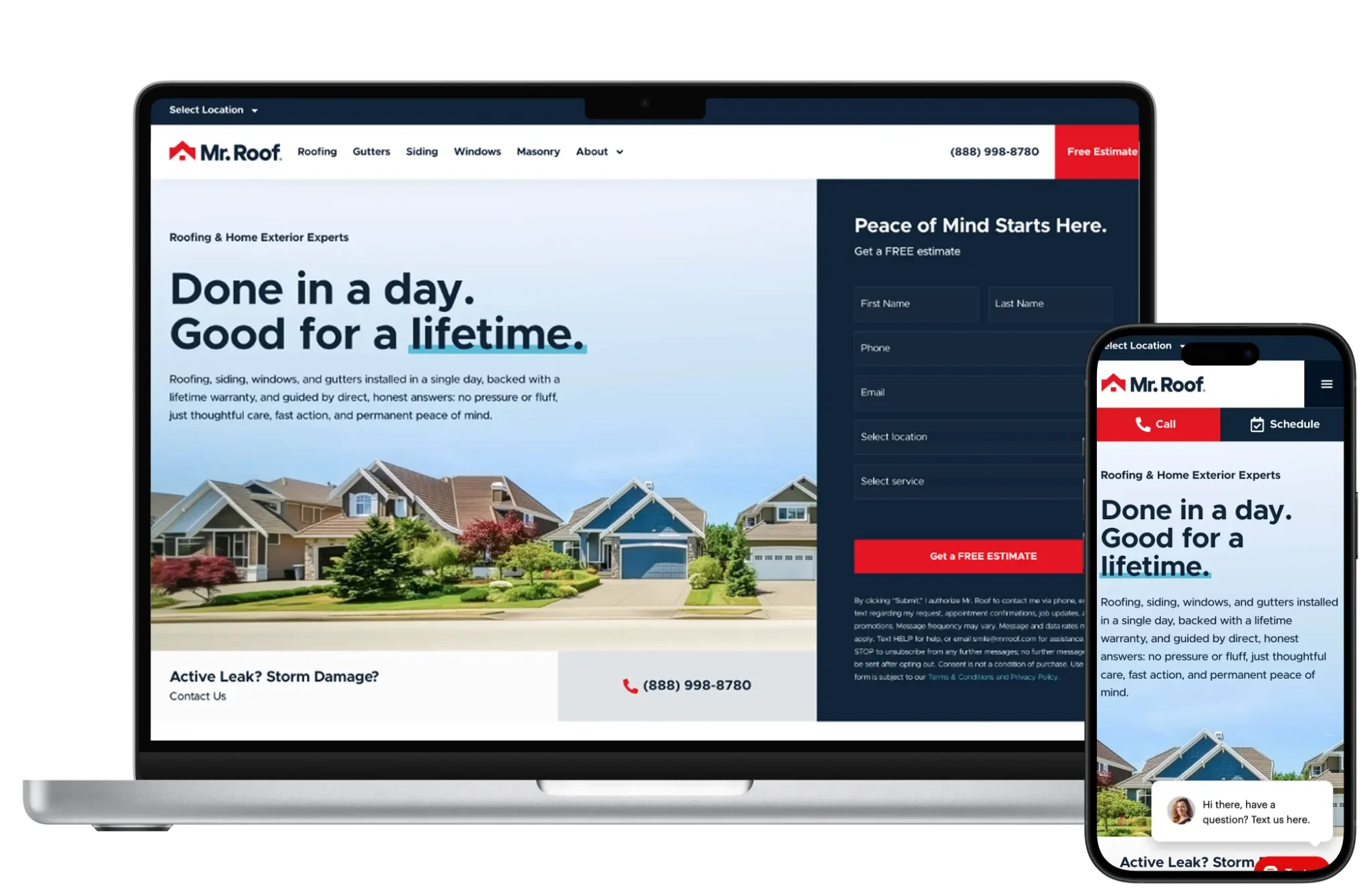




PDP and collection patterns built for clarity on mobile first.
Shopify or WooCommerce implementation matched to catalog and ops complexity.
Reduce index bloat while keeping useful filters for shoppers.
Campaign blocks, bundles, and editorial collection intros you can update.
Image, script, and app discipline so speed supports both SEO and conversion.
Monthly technical and content improvements tied to real catalog priorities.

Primary conversion is purchase; secondary may be email capture for out-of-stock or wholesale inquiry. Keep CTAs honest to the journey.
Surface shipping timelines, returns, and payment trust near add-to-cart. Hidden policy friction shows up as abandonment, not as a "design preference."
Use merchandising to guide next product, not only discounts. Overuse of urgency badges trains blindness and damages trust.

Win collection and problem-led queries with unique category content and clean internal links. Head terms may be competitive; supporting collections often produce earlier traction.
Technical ecommerce SEO includes crawl management for filters, XML sitemaps for products/collections, structured data implemented carefully, and page speed work.
Content SEO should help people choose—size guides, comparisons, care instructions—then route to relevant products. No fake bestseller claims.
We connect SEO work to technical SEO, on-page SEO, and — when local demand matters — local SEO. We do not promise specific rankings.
If you have retail pickup locations or pop-ups, local pages and GBP can support omnichannel discovery.
Pure online brands may skip local SEO; we only build location assets when they reflect real places.
We only recommend location pages when you genuinely serve the area and can add unique value — not doorway-page city spam. See Google Business Profile optimization.
Yearly plans that include design, development, maintenance and SEO foundations — without a large upfront project fee.
For small businesses that need a professional site without a large upfront build.
Best for local and service businesses ready to generate more leads every month.
For growing brands that need ongoing development, SEO and conversion work.
Large sites, complex integrations, multi-location brands and custom applications.
Most lead-focused Ecommerce Brands engagements fit Growth ($299/year) when local/organic acquisition matters. Simpler brochure sites may fit Starter ($199/year). Multi-location, custom integrations, or heavier development fit Pro ($399/year) or Enterprise.
Setup fees may apply for redesigns, migrations, or large content builds — always disclosed before kickoff. See transparent subscription pricing and how website subscriptions work.
Full notes for challenges, strategy and supporting pages — so the sections above stay scannable.
Architect catalogs around how customers shop—use cases, categories, and attributes—not only internal SKU logic. Collection pages should earn relevance with unique guidance, not only filters.
Treat PDP quality as both conversion and SEO: differentiate variants, answer objections, show real photography, and clarify shipping/returns. Avoid doorway-thin products that exist only to capture long-tail spam.
Plan SEO as a system: canonical and facet rules, internal links from guides to collections, and technical performance budgets. Monthly subscription work ships improvements while merchandising continues.
Typical tools and workflows we plan around for Ecommerce Brands:
Platform choice often lands on WordPress for service businesses, or Shopify / WooCommerce when commerce is central.
Themes are starting points. Merchandising UX, speed, and SEO architecture usually need deliberate design and ongoing care to compete.
Owned stores improve margin and brand control. SEO and conversion work make direct channels less dependent on rented traffic.
No. Ecommerce SERPs are competitive. We improve technical and content foundations without ranking guarantees.
No. We improve UX and clarity; conversion depends on offer, traffic quality, and operations.
Straight answers about scope, pricing, ownership and what a subscription includes for this page.
Both. We recommend based on catalog complexity, checkout needs, and your team’s workflow—not hype.
We plan URL mapping, redirects, and merchandising parity carefully. Migrations preserve equity when executed well—they are not risk-free, and we will not pretend otherwise.
Through scalable templates, attribute strategy, and crawl controls so thin or duplicate URLs do not explode.
We can improve templates and priority PDPs. Mass unique copy for thousands of SKUs needs a realistic content plan.
We audit script weight and help prioritize apps that earn their performance cost.
Yes when it supports shopping decisions and links to collections—not when it is disconnected lifestyle filler.
Yes via established platform apps and UX patterns that explain recurring orders clearly.
We implement relevant structured data carefully and validate it—no spammy markup schemes.
Platform/care updates as applicable, merchandising template improvements, and agreed SEO tasks so the store does not stagnate after launch.
No. Reviews must come from real customers through legitimate systems.
Design, development, maintenance, and SEO for Shopify and WooCommerce—without ranking or revenue guarantees.