

Challenges Medical Clinics face online
Urgent care and scheduled clinic visits share one ambiguous call button — and the website should confront that friction directly rather than hiding…
Read more →Medical clinic websites
Medical clinics succeed online when patients can determine where to go, whom they will see, and whether their need is routine or urgent. Overloaded megamenus and PDF-only service lists create…

Medical clinics succeed online when patients can determine where to go, whom they will see, and whether their need is routine or urgent. Overloaded megamenus and PDF-only service lists create abandoned visits and misdirected phone calls. 66sites designs subscription websites structured around clinic operations—departments, providers, locations, and appointment pathways—with maintenance and SEO included. Interpreter, sliding-fee, or transportation resources should surface for patients who need them without cluttering every department page.
Multi-service clinics must balance brand unity with department clarity. Primary care, specialty pods, diagnostics, and ancillary services each need findable entry points without turning the homepage into a directory dump. We plan information architecture so tasks come first: book, find a provider, prepare for a visit, or get directions. Seasonal campaign pages should reuse templates and retire cleanly to avoid microsite sprawl.
Compliance-aware UX—privacy notices, accessible design, careful health claims—protects patients and the organization. We do not fabricate quality rankings or outcome statistics. Monthly subscription work keeps hours, providers, and insurance details synchronized with reality. Self-scheduling rules must block referral-required specialties with plain-language explanations.
Practical website, conversion and SEO work tailored to how your buyers actually decide.
Urgent care and scheduled clinic visits share one ambiguous call button — and the website should confront that friction directly rather than hiding…
Read more →
We map primary patient jobs and design navigation around them. Department pages explain scope, typical visit reasons, and booking rules. A distinct…
Read more →
Departments / services. Lets patients enter via clinical need rather than organizational chart jargon. This page earns its place because searchers…
Read more →A look at website designs and layouts we build for service businesses — mockups and project types, not fabricated client claims.
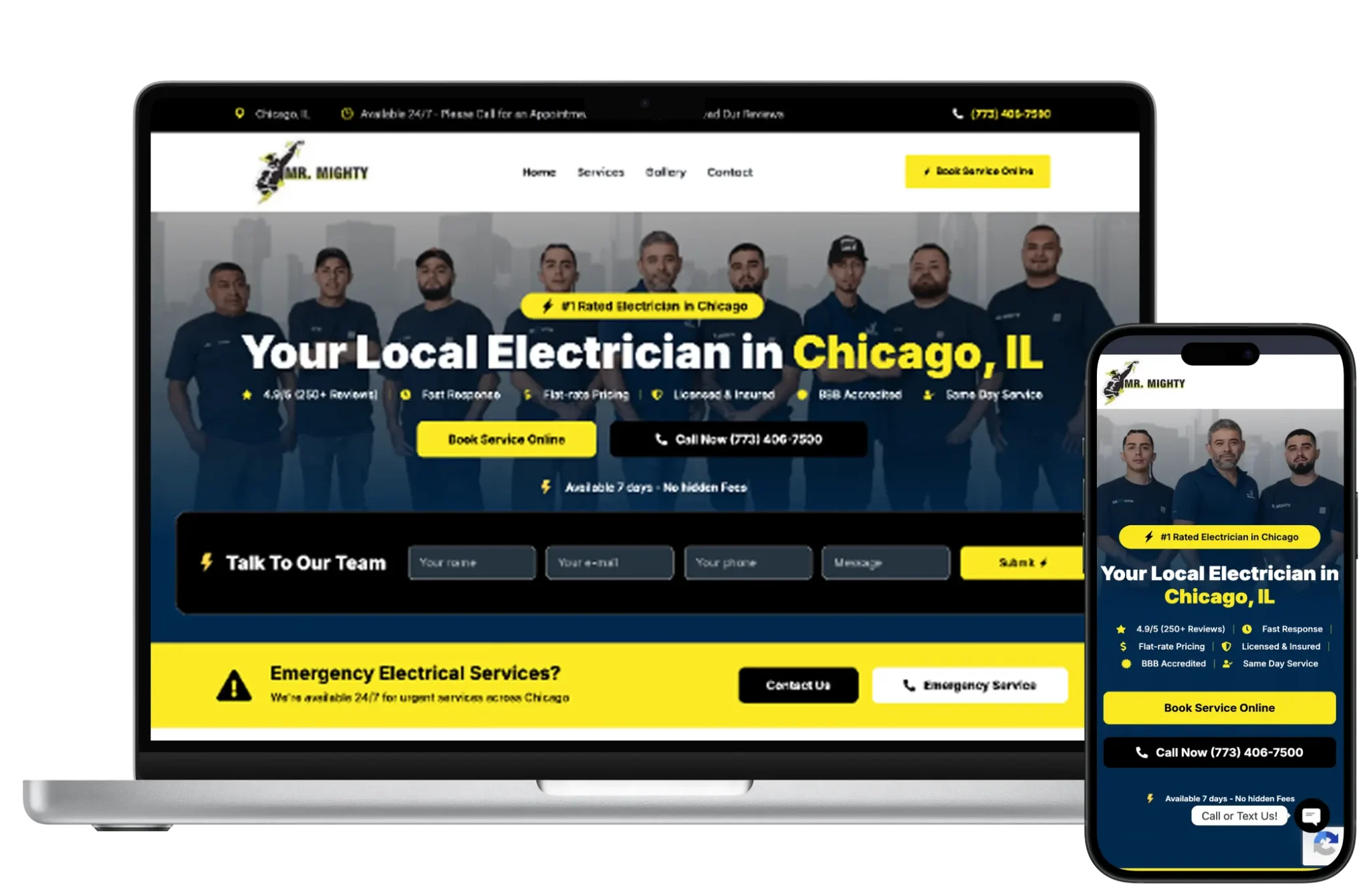
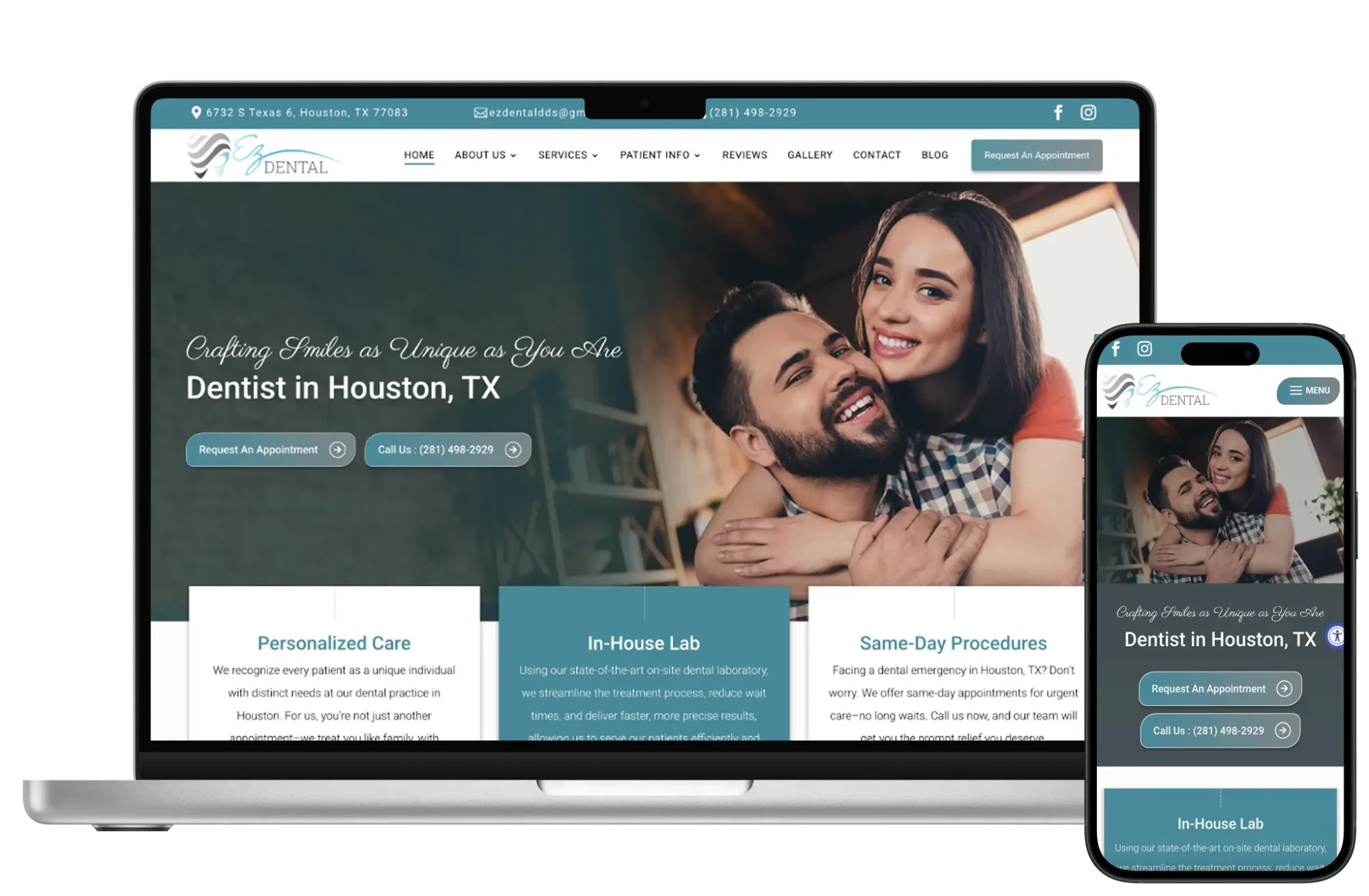
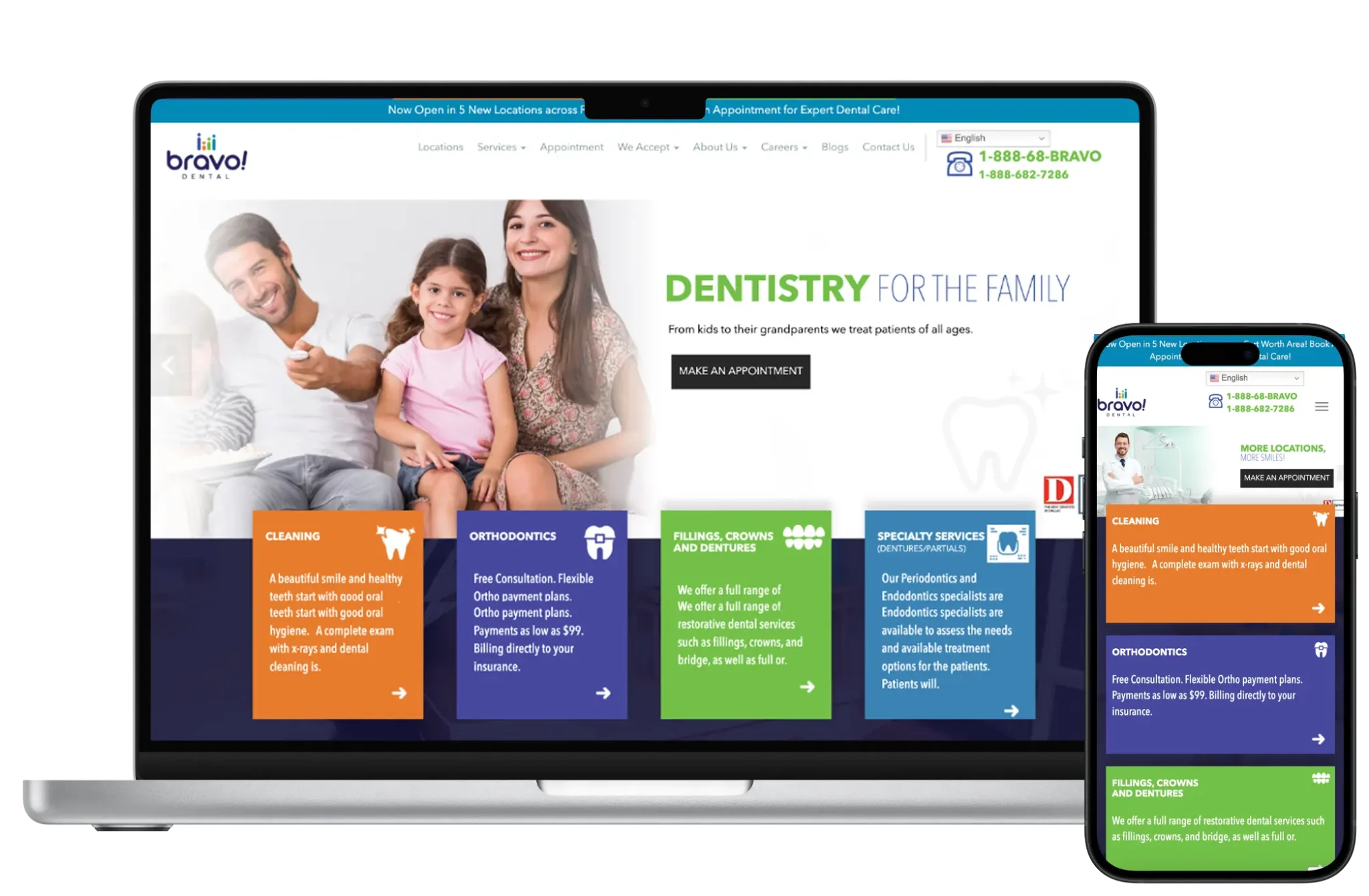
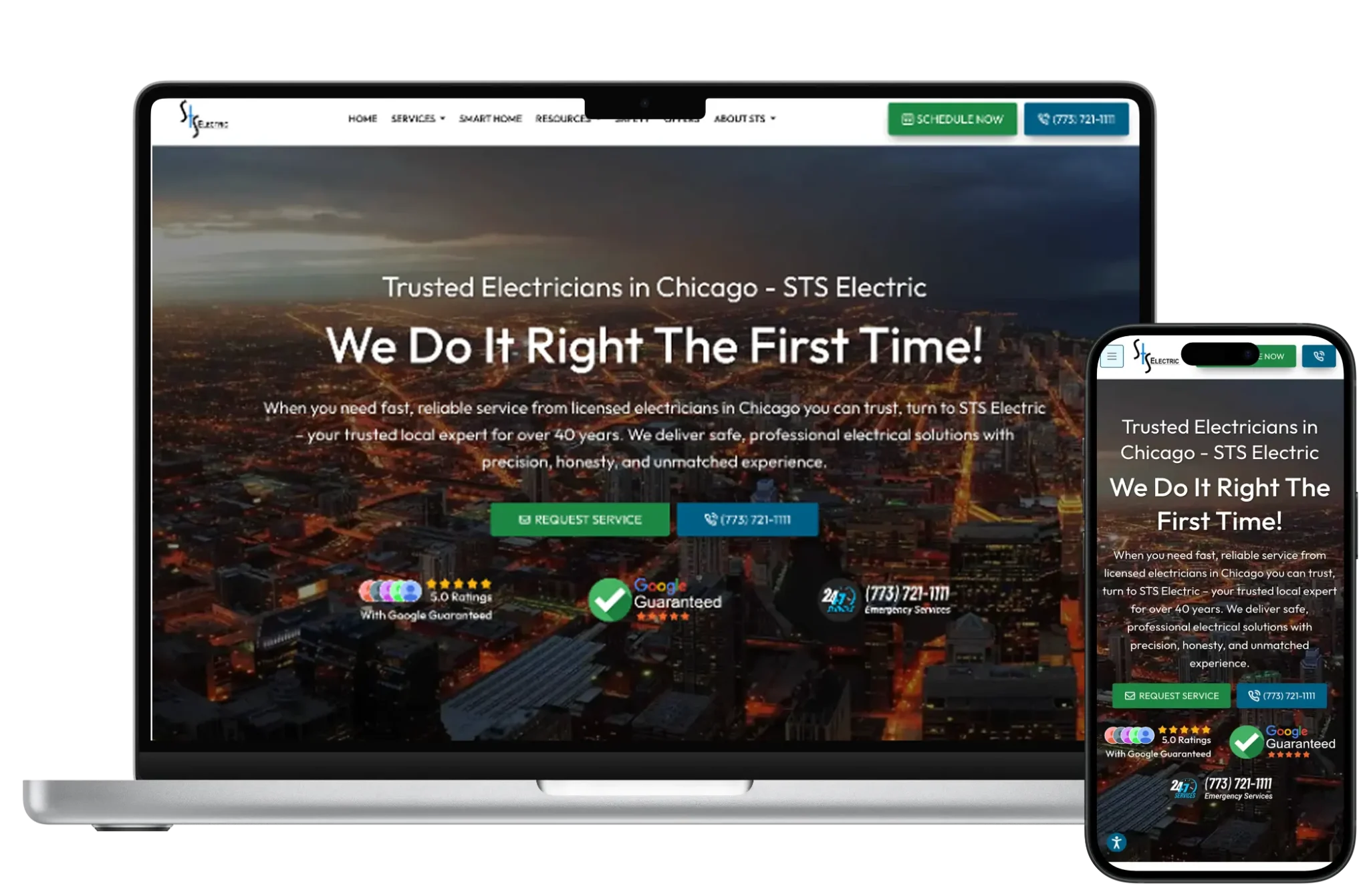
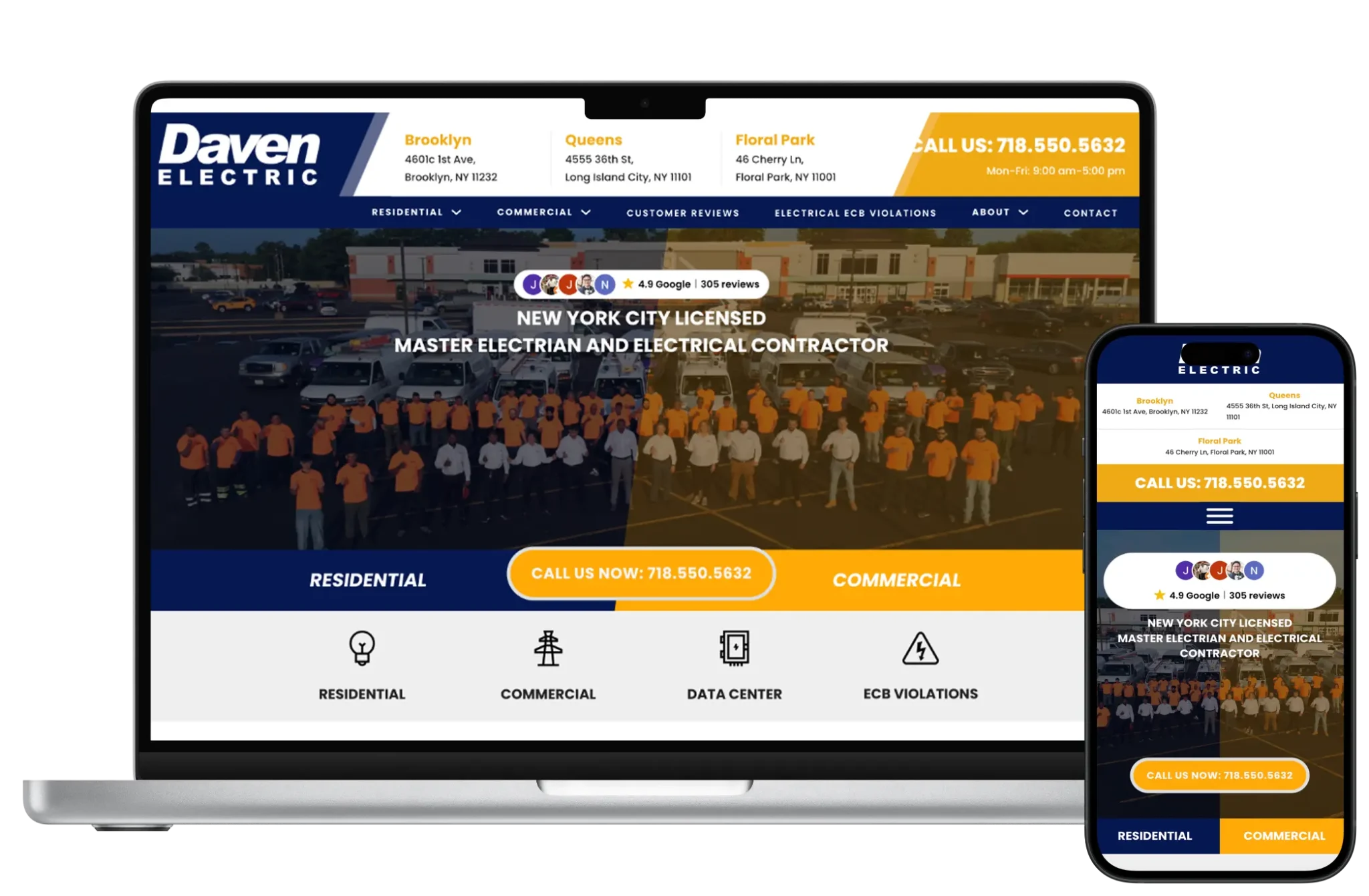
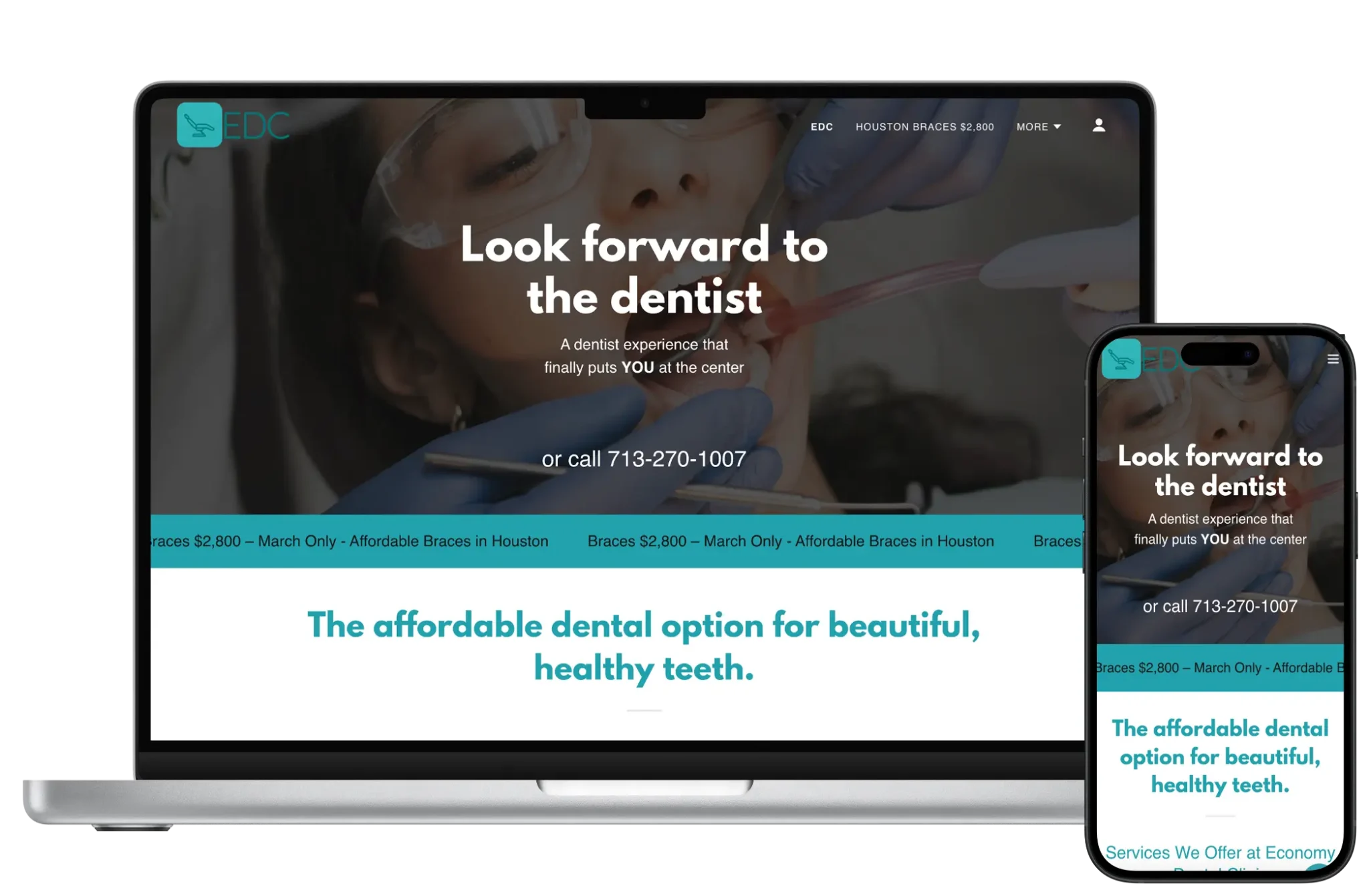
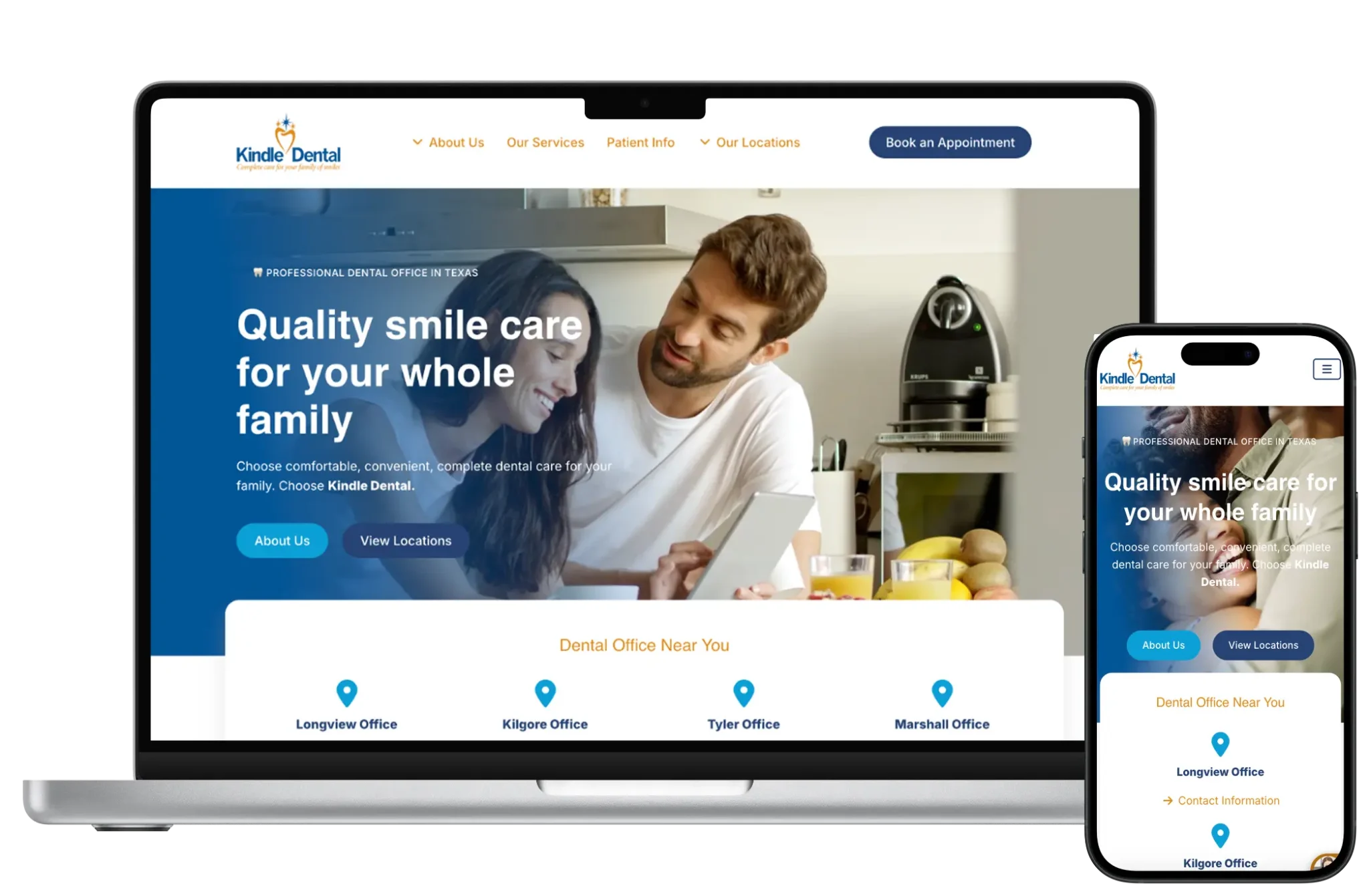
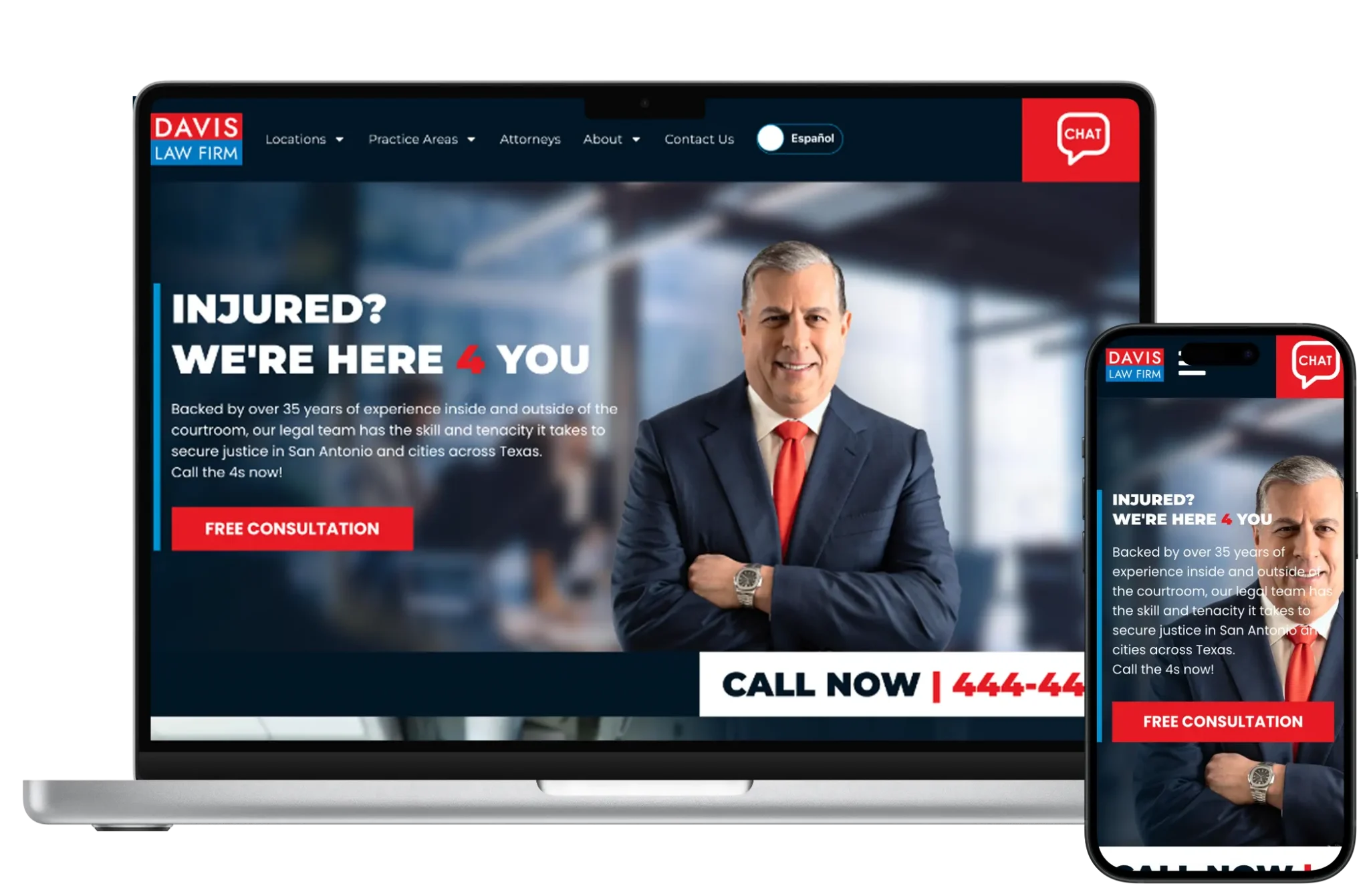
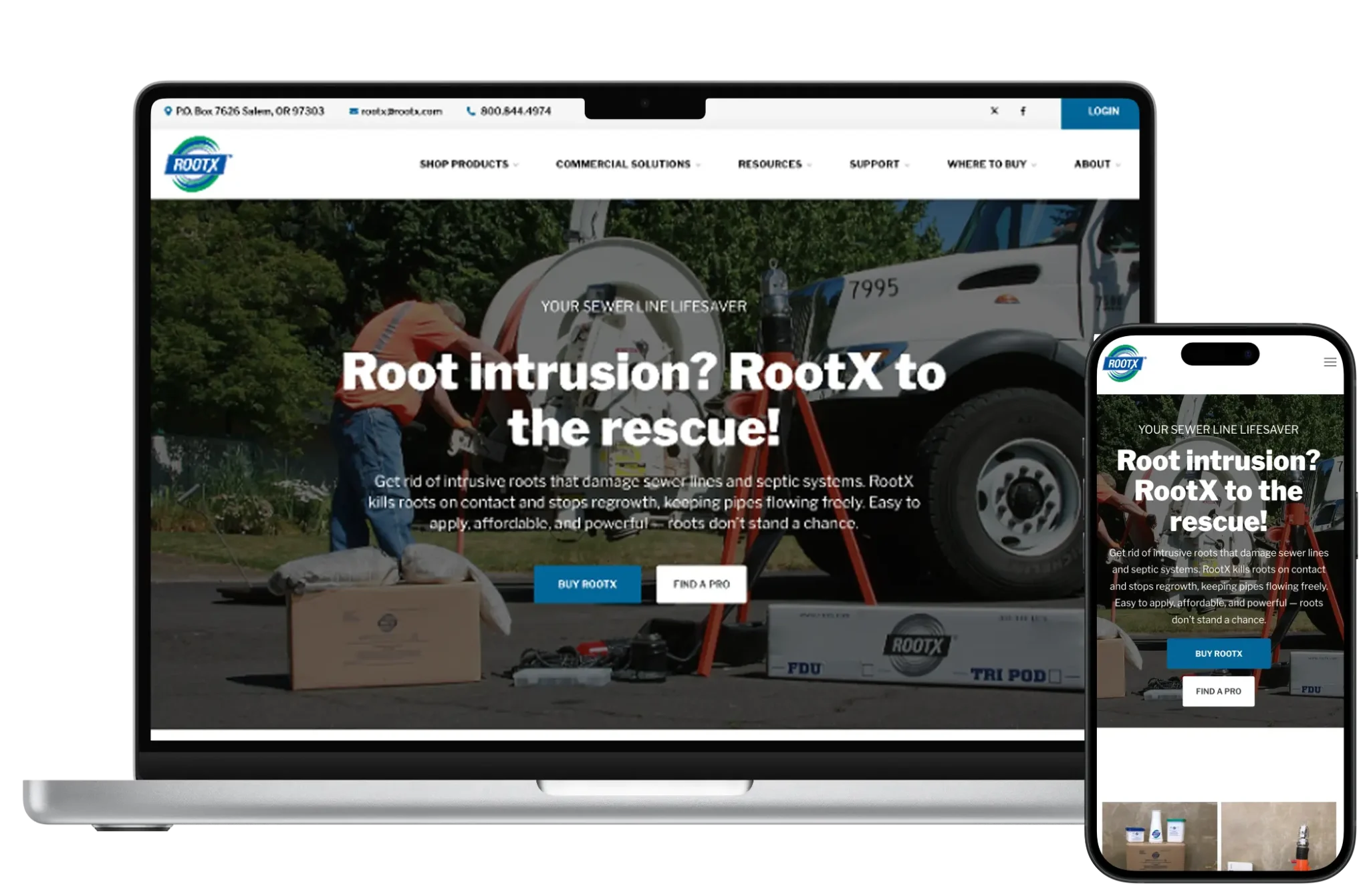
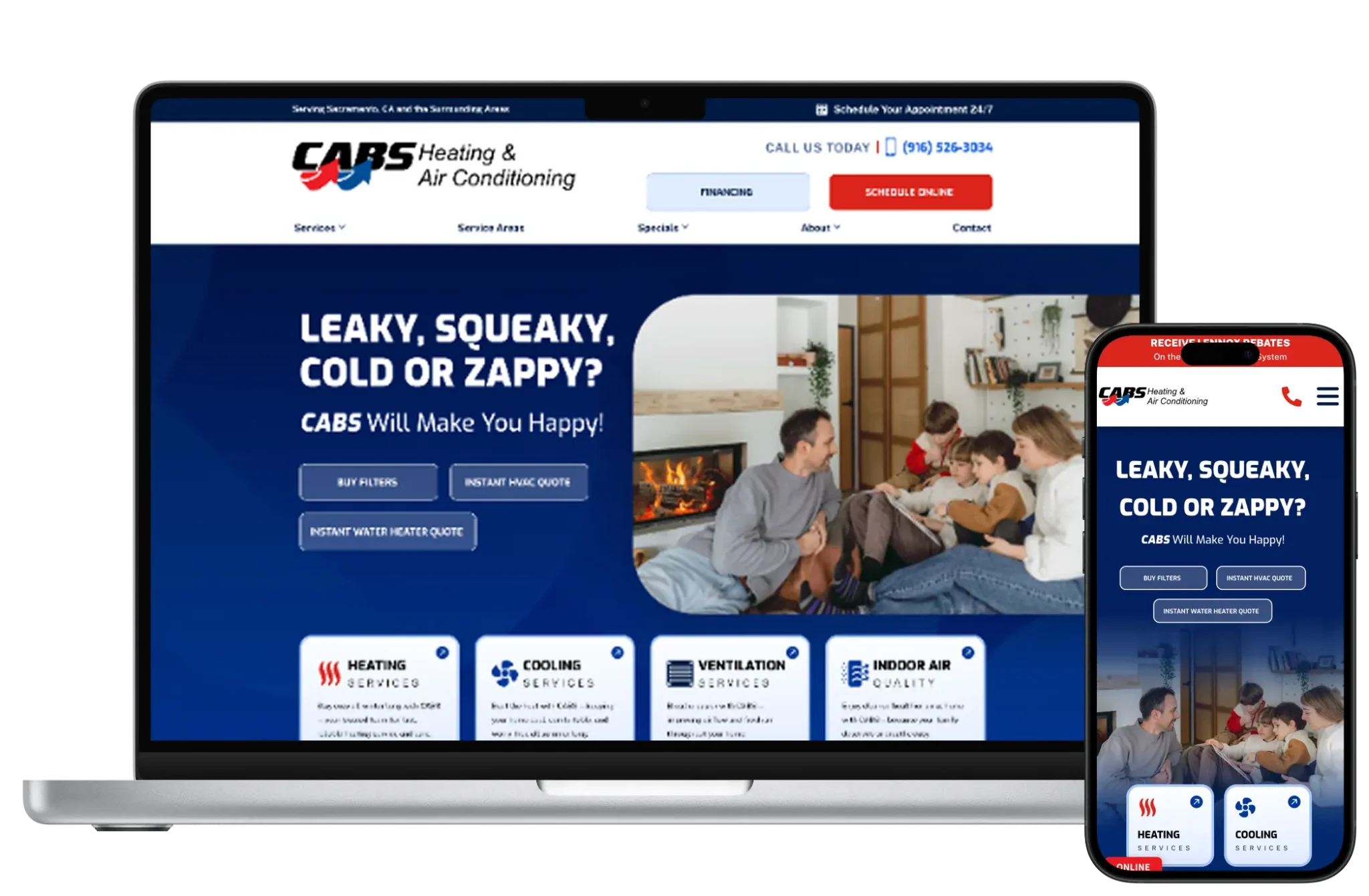
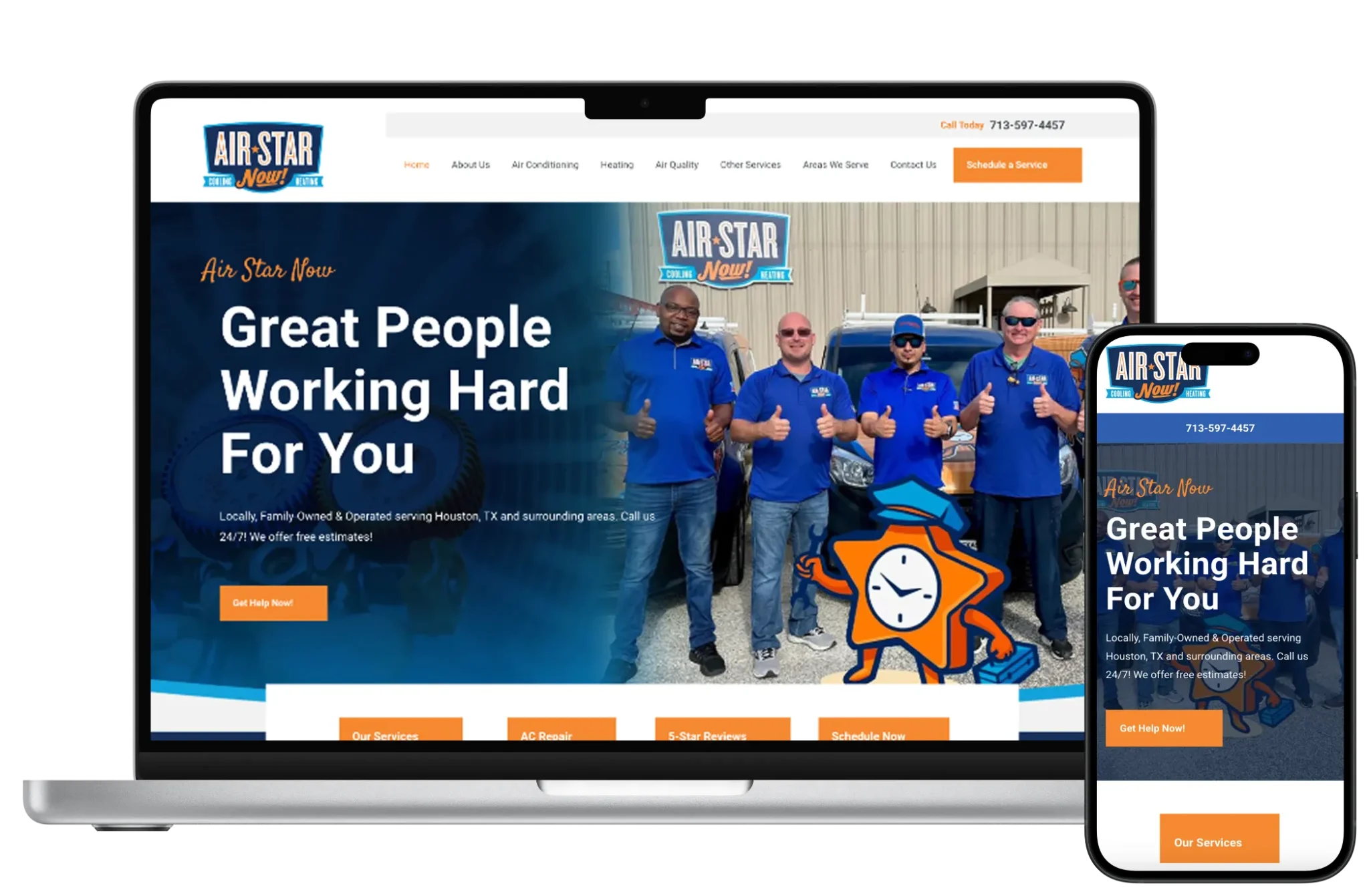
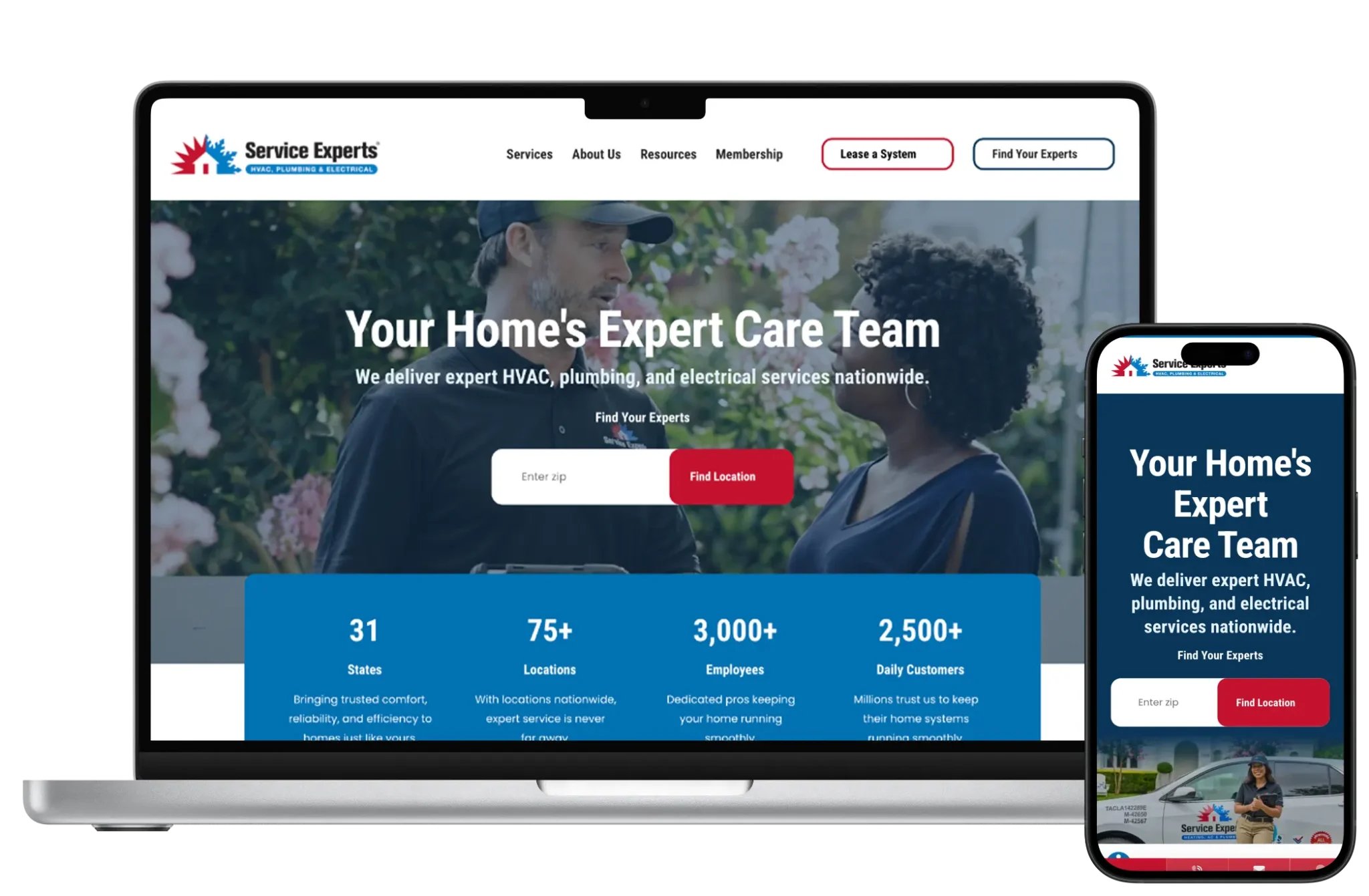
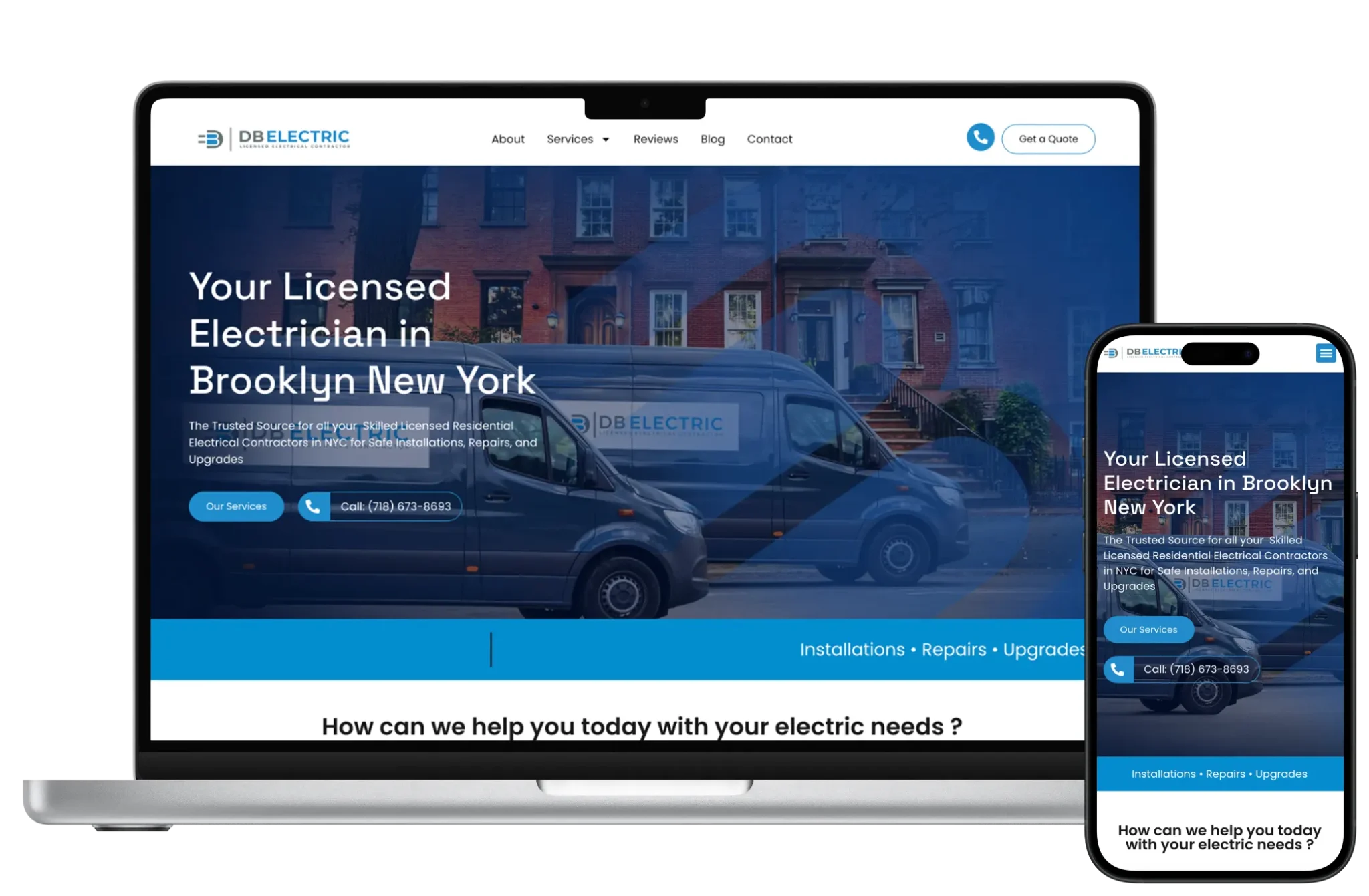
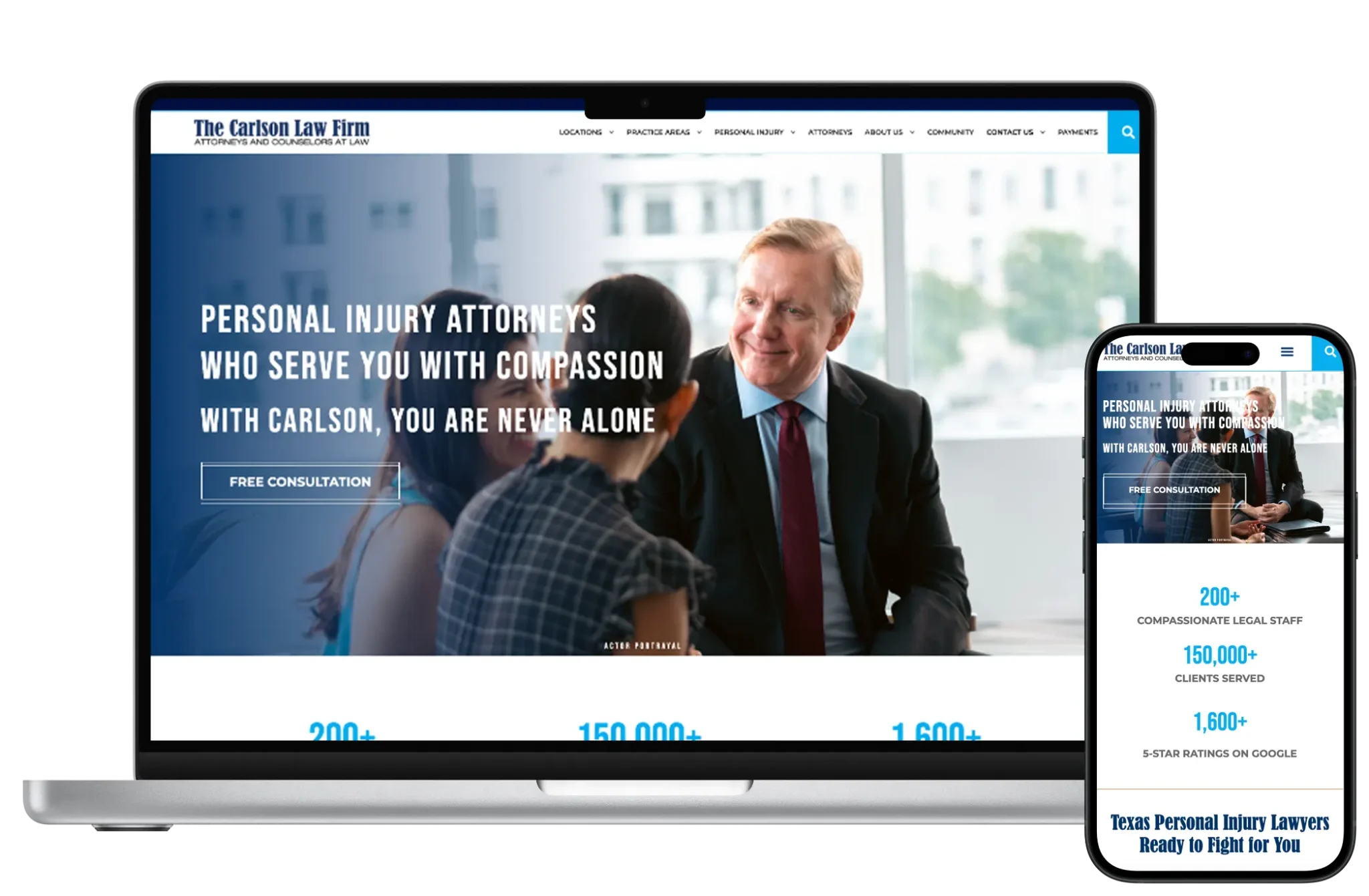
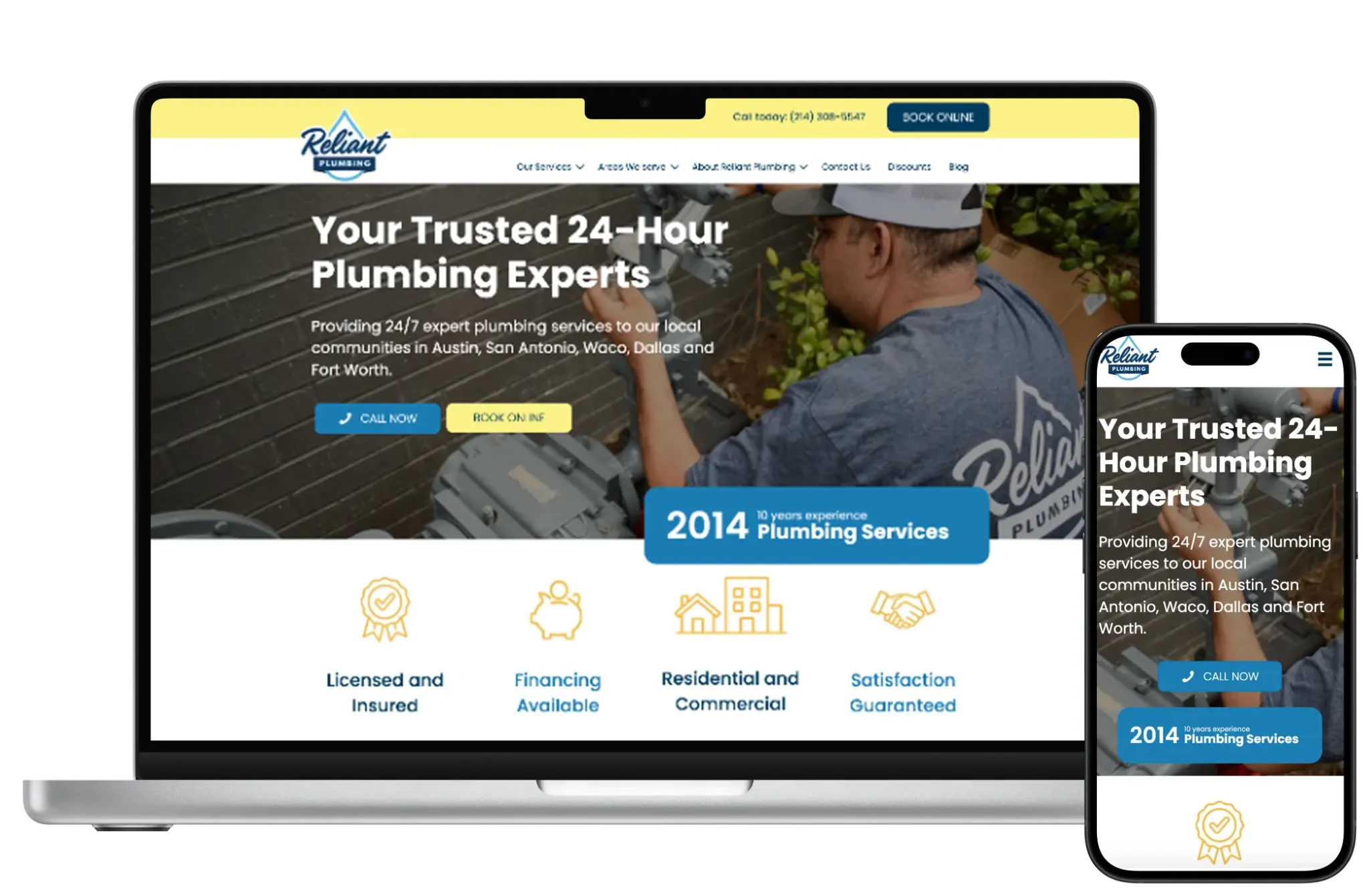

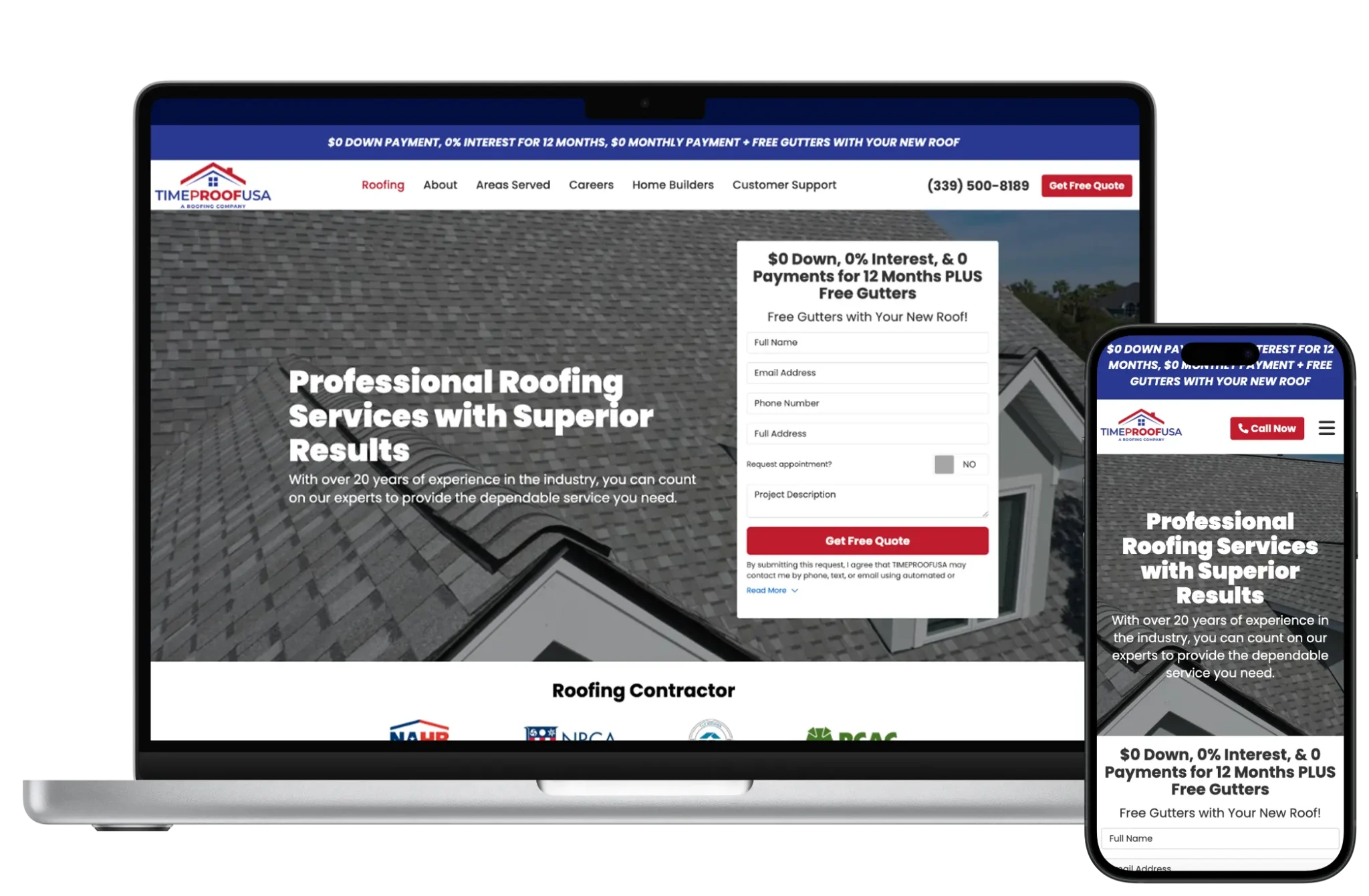
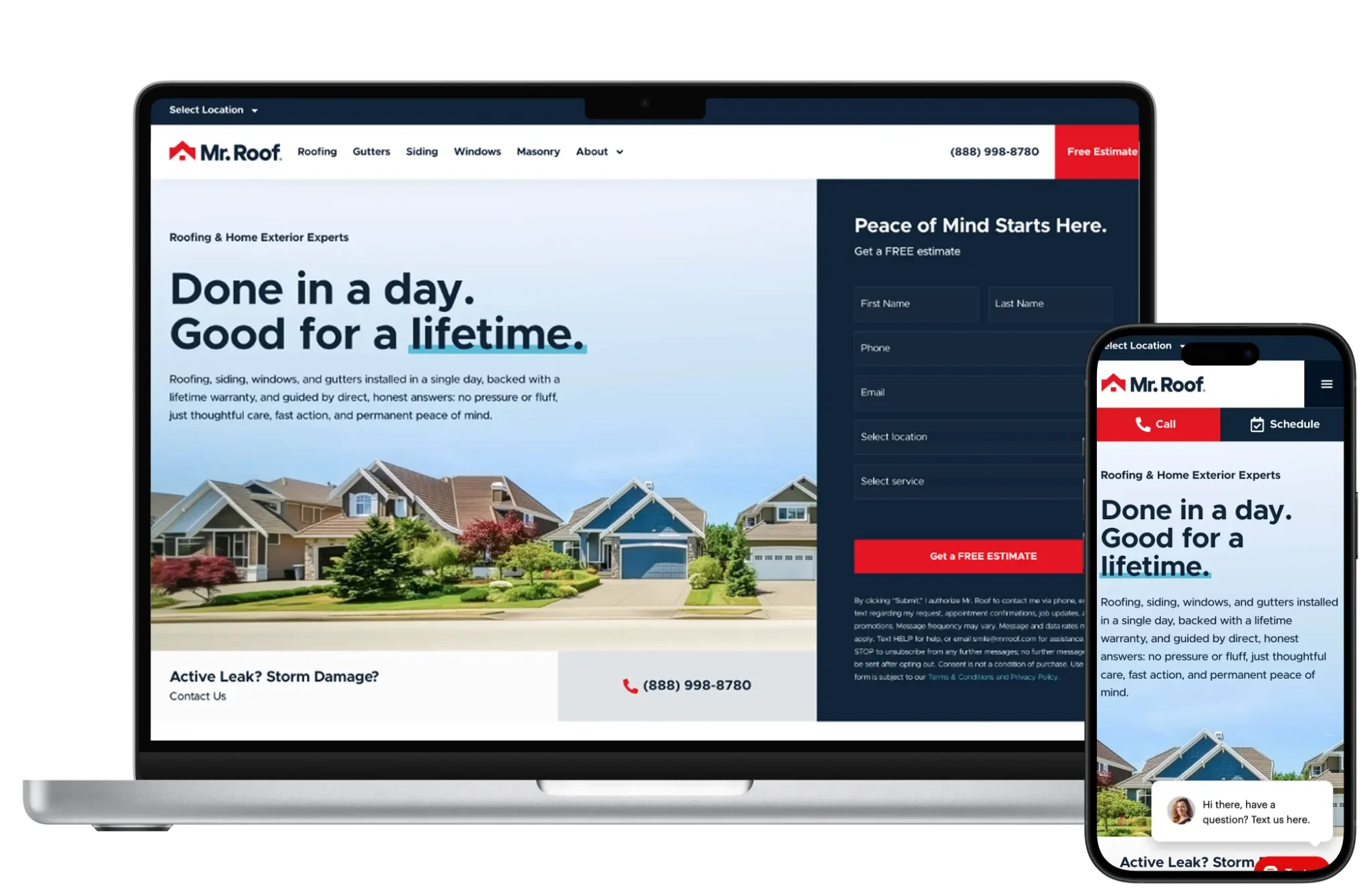
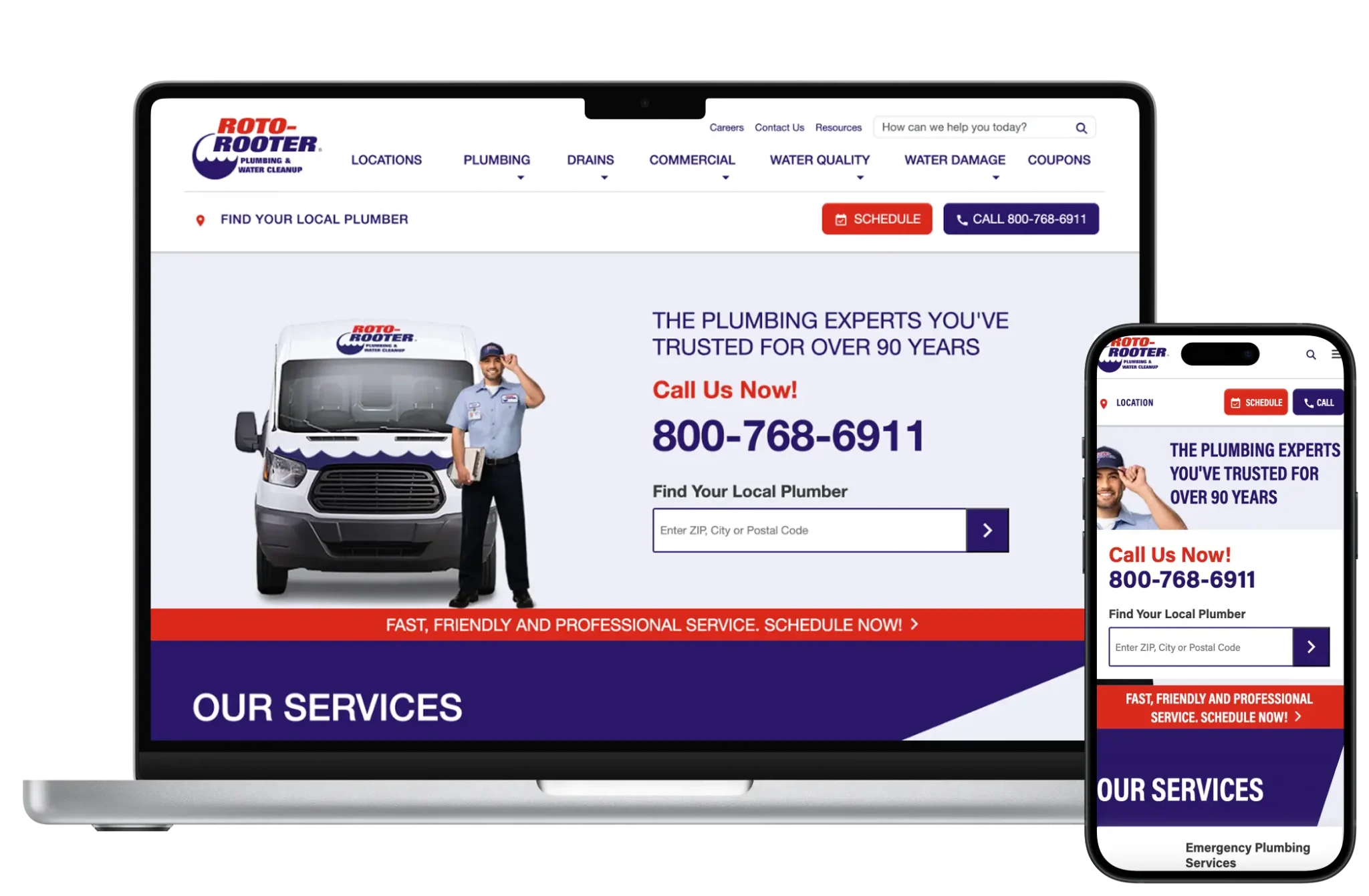
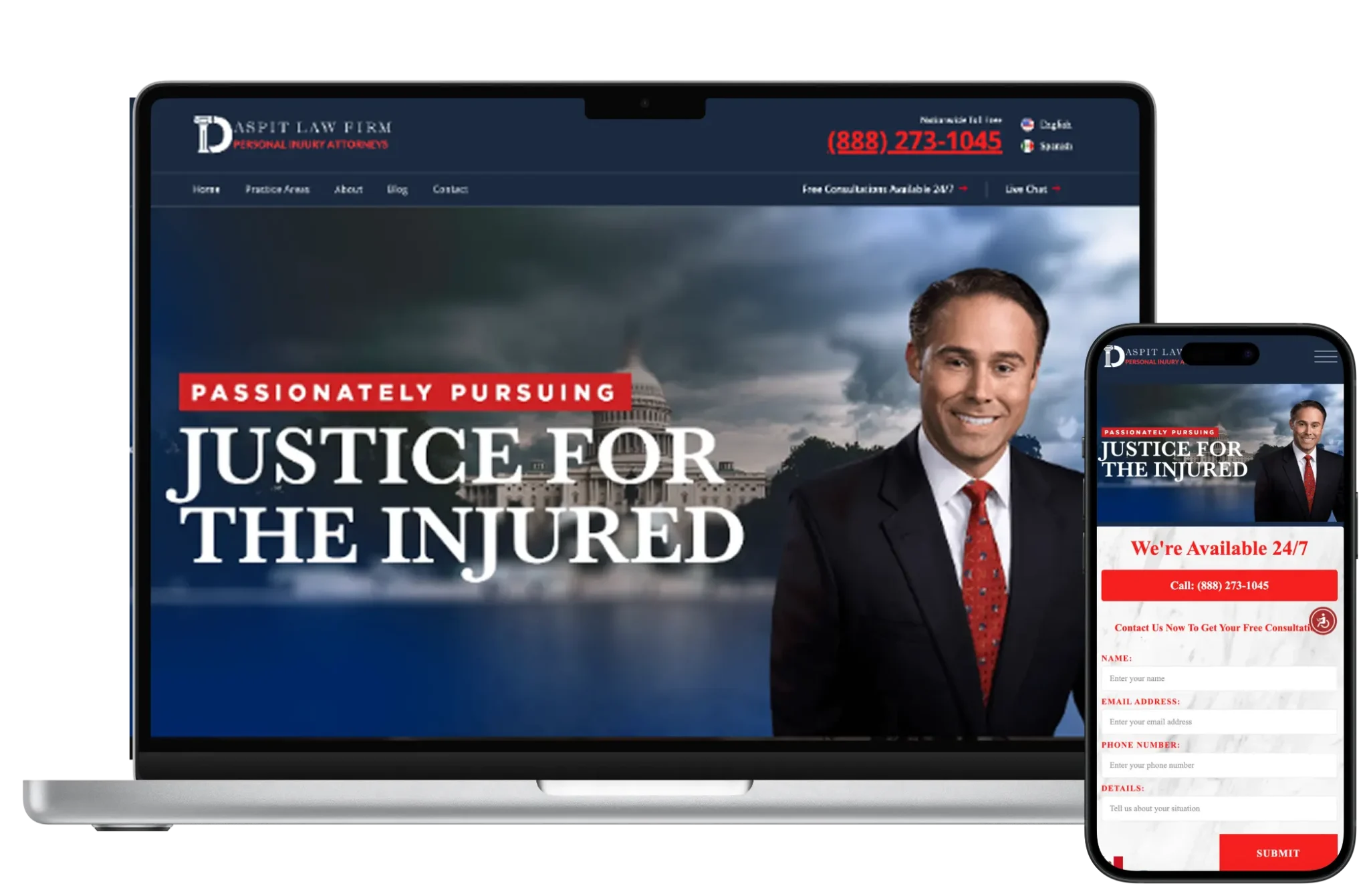
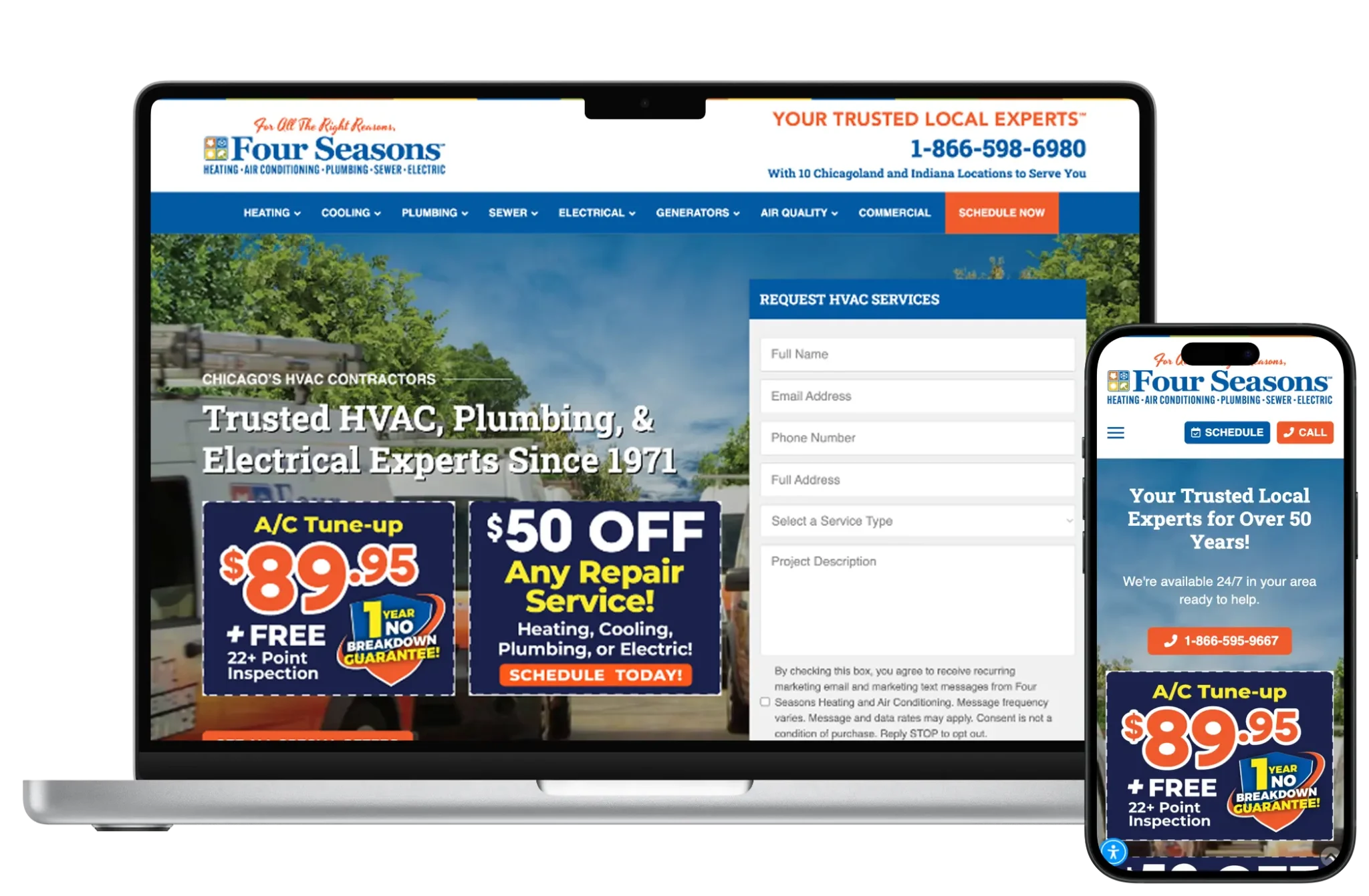
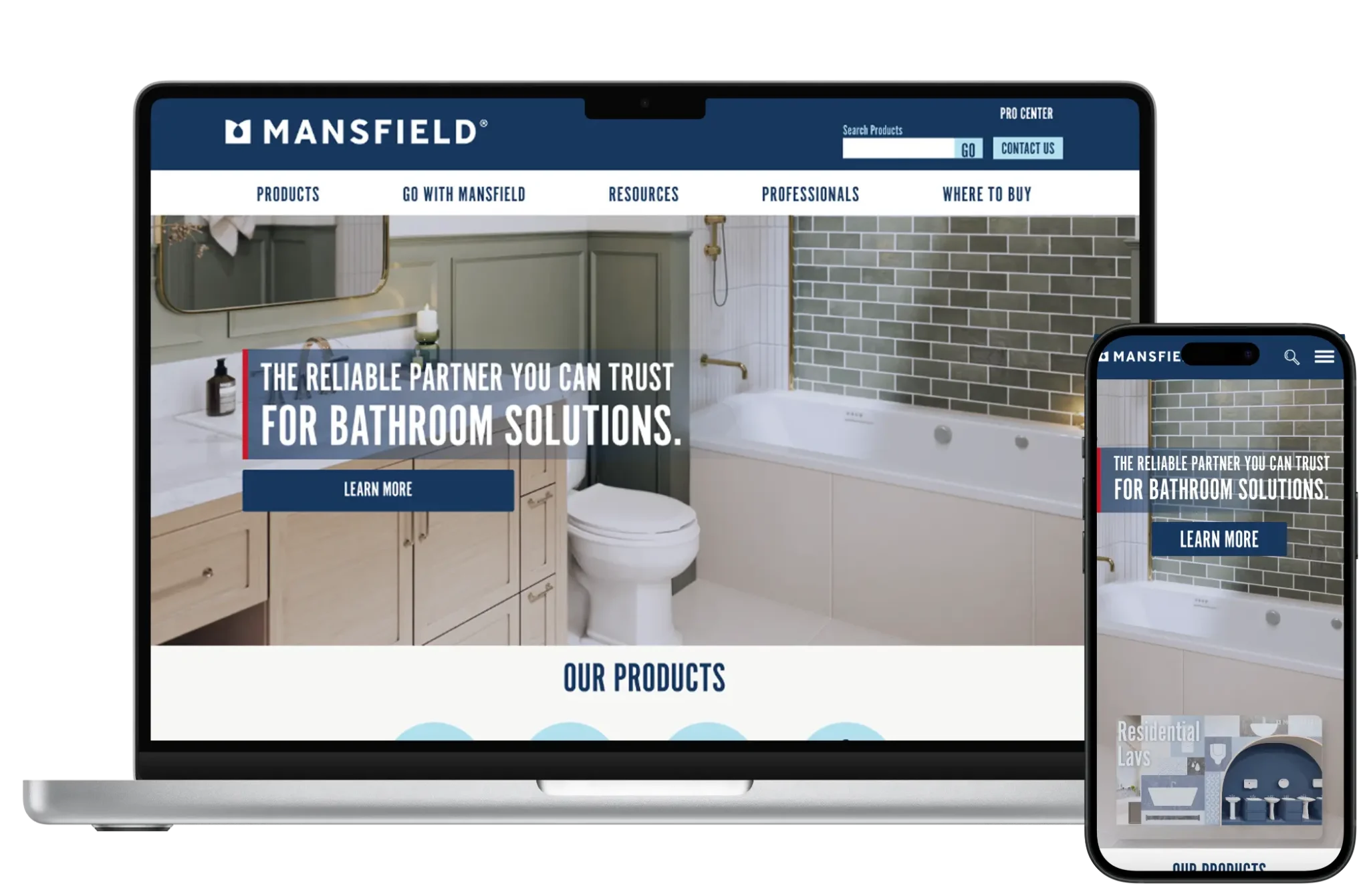
Consistent yet unique pages for each service line with prep and CTA blocks. Built to stay editable under monthly subscription care as offers and staffing change.
Directory UX for specialty, location, language, and accepting-new status. Built to stay editable under monthly subscription care as offers and staffing change.
Design patterns that separate urgent pathways from scheduled care. Built to stay editable under monthly subscription care as offers and staffing change.
Structured hours and services fields built for frequent updates. Built to stay editable under monthly subscription care as offers and staffing change.
Readable typography, focus states, and practical accessibility information. Built to stay editable under monthly subscription care as offers and staffing change.
Ongoing care as clinics add providers and change workflows. Built to stay editable under monthly subscription care as offers and staffing change.

Clinic conversion is appointment creation plus correct routing. We instrument forms with location and department fields and support call tracking when marketing needs attribution. Portal logins remain available but secondary for acquisition pages. Department phone trees and form routing should match call-center realities.
Campaign landing pages can reuse clinic design systems so paid traffic lands on coherent experiences that still connect to evergreen departments. Portal utilities stay available without dominating acquisition heroes.
Multi-department clinics should also publish plain-language guidance for caregivers and first-time visitors: parking, check-in, what to bring, and how interpreter requests work. These pages deflect avoidable calls and demonstrate respect for patient time. Keeping them current is a maintenance responsibility, not a launch checkbox.
On-page SEO targets department and condition intents the clinic truly staffs, with unique copy per location when services differ. Prep instructions unique to each department support SEO and deflect repetitive calls.
Technical SEO includes scalable directories, sitemaps, and performance budgets for media-heavy health systems content. Crawlable directories and sitemaps keep large provider inventories discoverable.
Content governance matters: outdated clinical pages harm trust. Subscription workflows include review cadences for sensitive content. Content review SLAs prevent outdated clinical pages from lingering. When interpreter notes and acuity pathways stay current, clinics present a more respectful patient experience while protecting operations from avoidable call spikes.
We connect SEO work to technical SEO, on-page SEO, and — when local demand matters — local SEO. We do not promise specific rankings.

Each eligible location generally needs accurate Google Business Profile data and matching website details. Department lines should not silently overwrite main NAP without a deliberate citation plan.
Department phone numbers should not silently replace main NAP without a deliberate citation strategy.
We keep local signals aligned with operational reality so maps visibility work does not conflict with how dispatch or scheduling actually runs.
We only recommend location pages when you genuinely serve the area and can add unique value — not doorway-page city spam. See Google Business Profile optimization.

Yearly plans that include design, development, maintenance and SEO foundations — without a large upfront project fee.
For small businesses that need a professional site without a large upfront build.
Best for local and service businesses ready to generate more leads every month.
For growing brands that need ongoing development, SEO and conversion work.
Large sites, complex integrations, multi-location brands and custom applications.
Most lead-focused Medical Clinics engagements fit Growth ($299/year) when local/organic acquisition matters. Simpler brochure sites may fit Starter ($199/year). Multi-location, custom integrations, or heavier development fit Pro ($399/year) or Enterprise.
Setup fees may apply for redesigns, migrations, or large content builds — always disclosed before kickoff. See transparent subscription pricing and how website subscriptions work.
Full notes for challenges, strategy and supporting pages — so the sections above stay scannable.
We map primary patient jobs and design navigation around them. Department pages explain scope, typical visit reasons, and booking rules. A distinct urgent pathway—if the clinic offers walk-in or same-day care—uses different visual priority and telephony. Acuity-aware design for urgent pathways reduces misdirected emergency confusion when you offer same-day care.
SEO strategy combines local entity strength with service-line pages that deserve ranking investment. Monthly iteration improves the lines that match staffing capacity, not every conceivable specialty keyword. Provider filters for language and accepting-new status cut abandoned directory searches.
Medical clinics operate like small logistics networks: providers, rooms, interpreters, and referral rules all constrain what the website should promise. Good digital strategy respects those constraints publicly. When the site’s booking rules match reality, marketing and operations stop arguing after every campaign spike and start improving the same funnel together.
Typical tools and workflows we plan around for Medical Clinics:
Platform choice often lands on WordPress for service businesses, or Shopify / WooCommerce when commerce is central.
Those tools often prioritize portal tasks over patient acquisition UX and SEO. We can integrate portal links while owning marketing IA and content quality. We document decisions during discovery so the site reflects how your team actually works day to day.
We build review-friendly templates and change logs so legal/compliance can approve efficiently without redesigning each time. We document decisions during discovery so the site reflects how your team actually works day to day.
We can consolidate, redirect, and rebuild priority departments with unique substance rather than multiplying hollowness. We document decisions during discovery so the site reflects how your team actually works day to day.
Straight answers about scope, pricing, ownership and what a subscription includes for this page.
Give it distinct visual priority, hours, wait or check-in instructions, and a clear boundary versus emergency services. Do not bury it in a generic departments list if same-day demand is strategic. Practical details are finalized during onboarding so the live site matches how your team works.
Yes when patients book by name or continuity matters. Keep profiles maintainable with structured fields for status changes. Practical details are finalized during onboarding so the live site matches how your team works.
Place portal access in a consistent header utility while homepage hero focuses on finding care and booking for new needs. Practical details are finalized during onboarding so the live site matches how your team works.
Yes with strong department IA. Shared policies and brand wrap specialty experiences that still feel specific. Practical details are finalized during onboarding so the live site matches how your team works.
Semantic headings, contrast, keyboard navigation, form labels, and readable PDFs alternatives for key patient documents. Practical details are finalized during onboarding so the live site matches how your team works.
Publish hours, scope, and when to call emergency services. Ambiguous advice CTAs create risk and confusion. Practical details are finalized during onboarding so the live site matches how your team works.
Not if landing pages share design systems and link into evergreen departments. Orphan paid pages waste trust and remarketing potential. Practical details are finalized during onboarding so the live site matches how your team works.
Hours, providers, and insurance change constantly. Monthly care prevents the website from becoming an outdated liability. Practical details are finalized during onboarding so the live site matches how your team works.
No. We align profiles and on-site signals and improve systematically without ranking guarantees. Practical details are finalized during onboarding so the live site matches how your team works.
Publish which sites offer extended hours, what they handle, and when emergency services are the right next step. Practical details are finalized during onboarding so the live site matches how your team works.
Department clarity, provider directories, and appointment routing—designed, built, and maintained on subscription.