
Challenges Restaurants face online
Menus live as outdated PDFs that break on phones and cannot be indexed well.Hours, holiday schedules, and private-event availability are inconsistent…
Read more →Restaurants & dining brands
Diners decide in seconds: open now, menu fit, vibe, reservations, and whether the photos look like the real room. A restaurant website that hides the menu behind a PDF or sends everyone to a stale…

Diners decide in seconds: open now, menu fit, vibe, reservations, and whether the photos look like the real room. A restaurant website that hides the menu behind a PDF or sends everyone to a stale Facebook page loses the table. 66sites builds subscription restaurant websites that put menus, hours, locations, and booking paths first—then keep them accurate as specials and seasons change.
Independent restaurants, multi-location groups, and hospitality-led concepts each need different IA. We design for mobile-first menu browsing, develop integrations with reservation and ordering tools you actually use, and maintain local SEO foundations so Google Business Profile and the site tell the same story.
We will not promise to outrank every aggregator or guarantee packed Friday nights from SEO alone. We structure honest local visibility and conversion clarity that support the marketing you already do.
Practical website, conversion and SEO work tailored to how your buyers actually decide.
Menus live as outdated PDFs that break on phones and cannot be indexed well.Hours, holiday schedules, and private-event availability are inconsistent…
Read more →
Make the first mobile screen answer: where, when, what to eat, and how to book. Everything else is secondary to those jobs.Structure menus as real…
Read more →
Location homepage / venue hub. Hours, address, and primary booking CTA in one glance.Menu (food & drink). Highest-intent content after discovering…
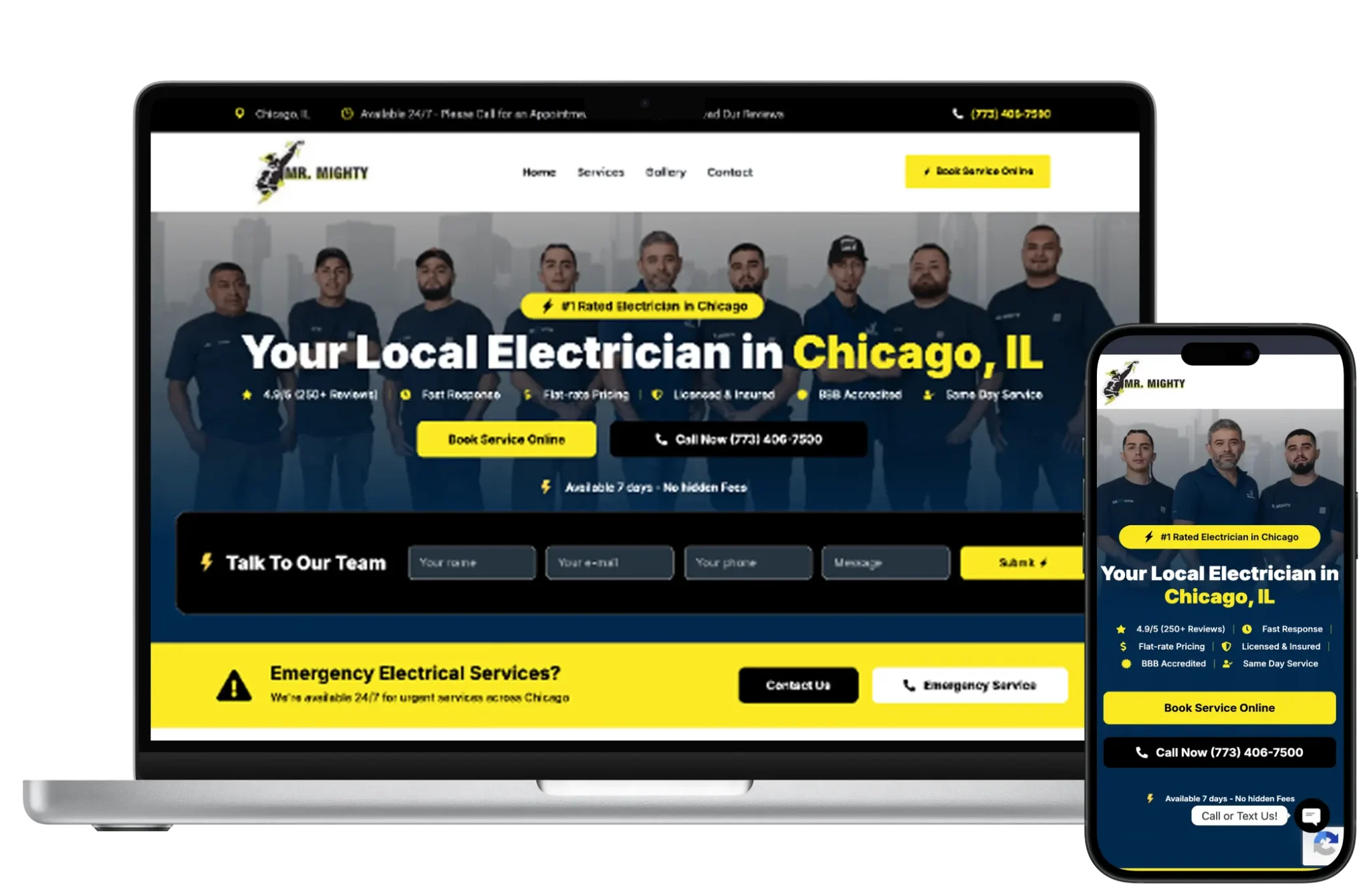
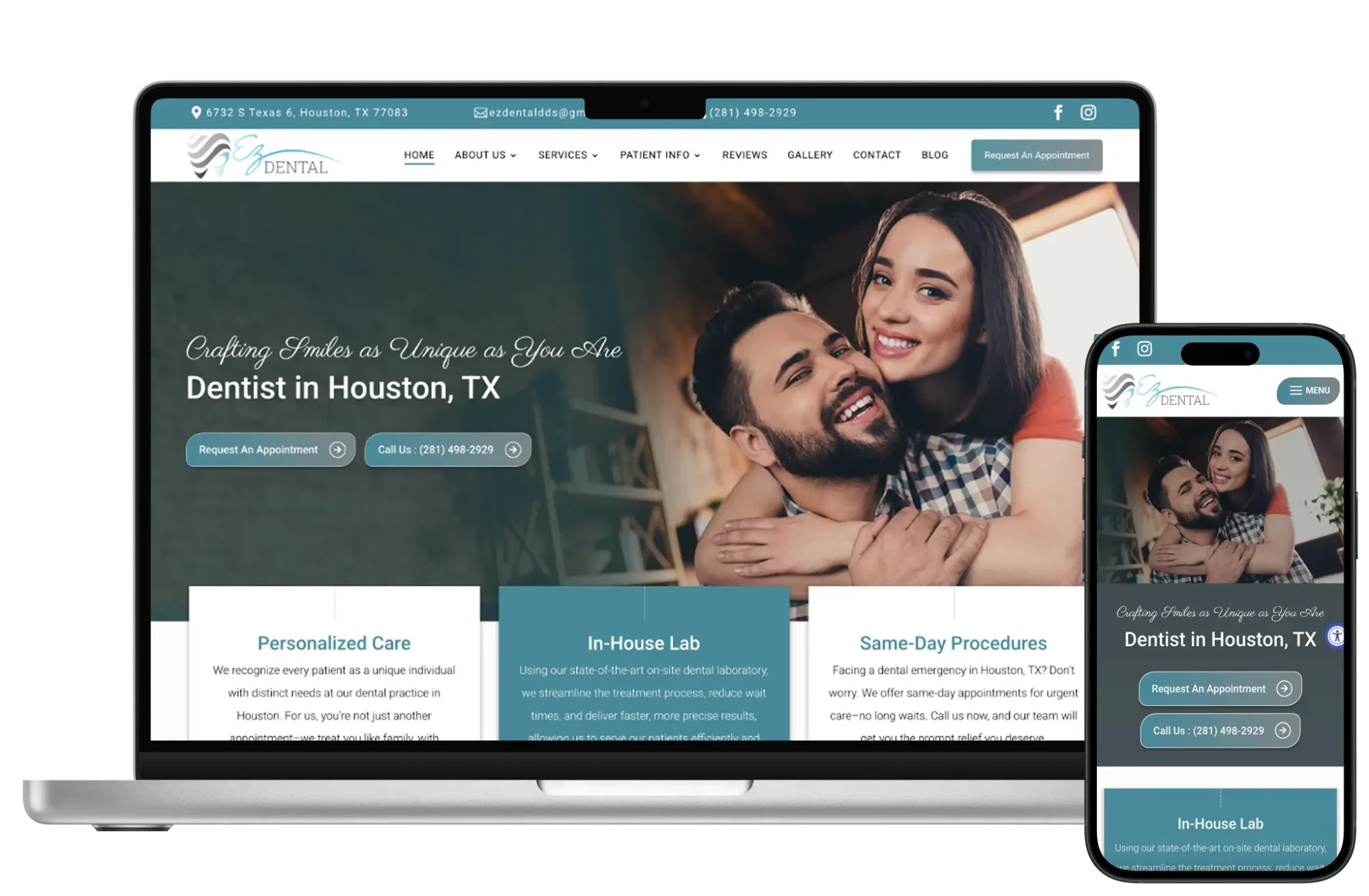
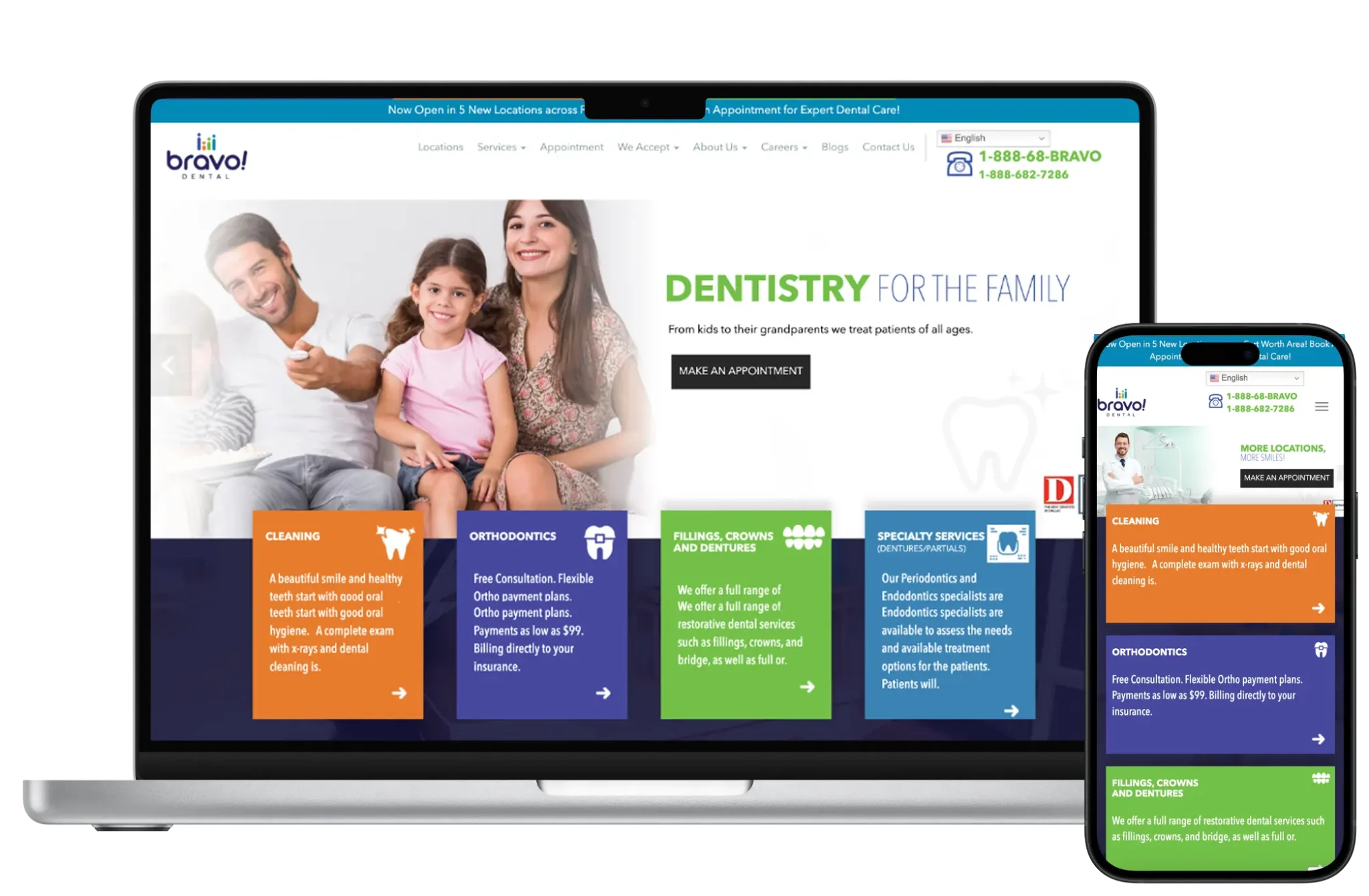
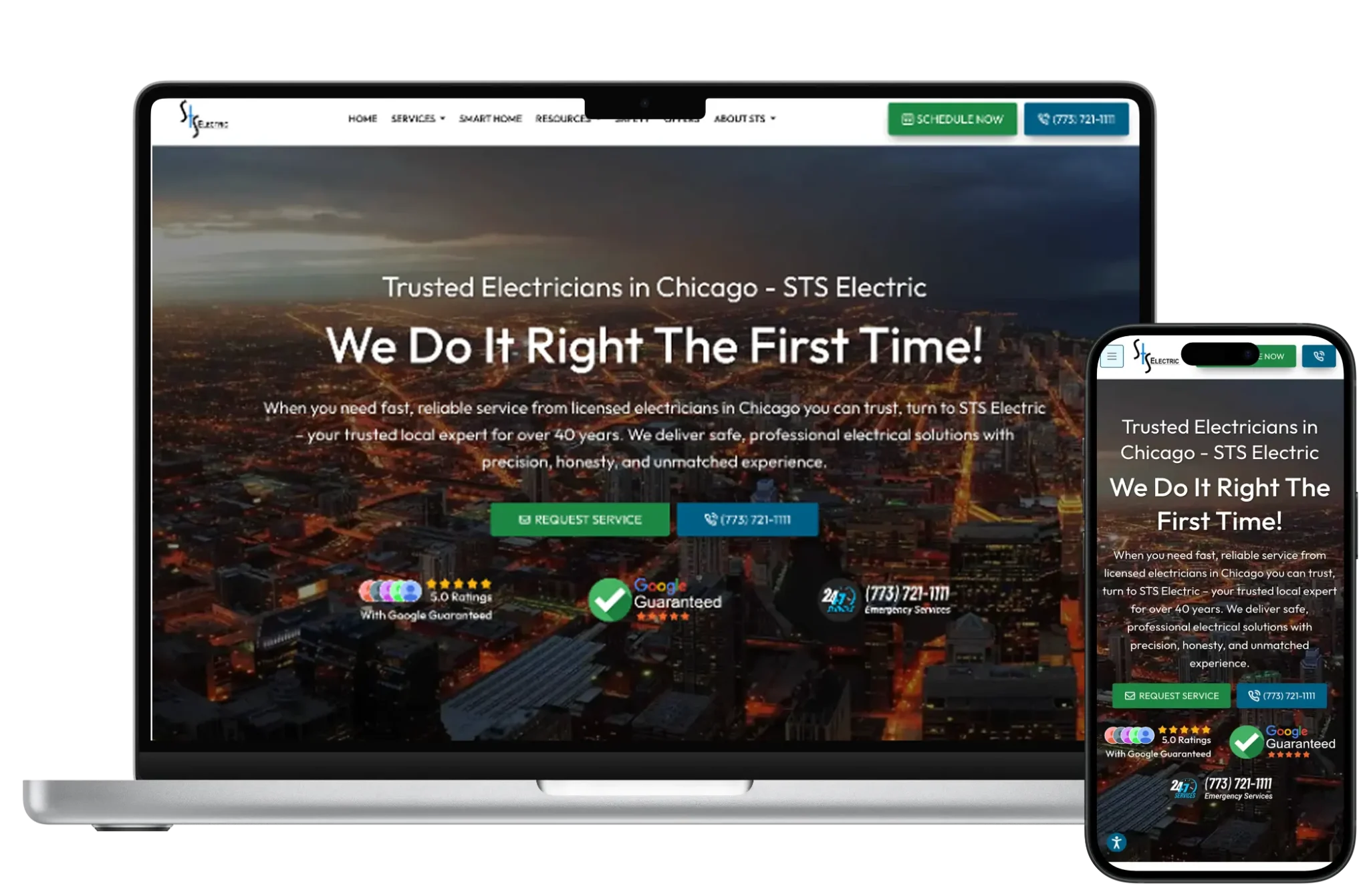
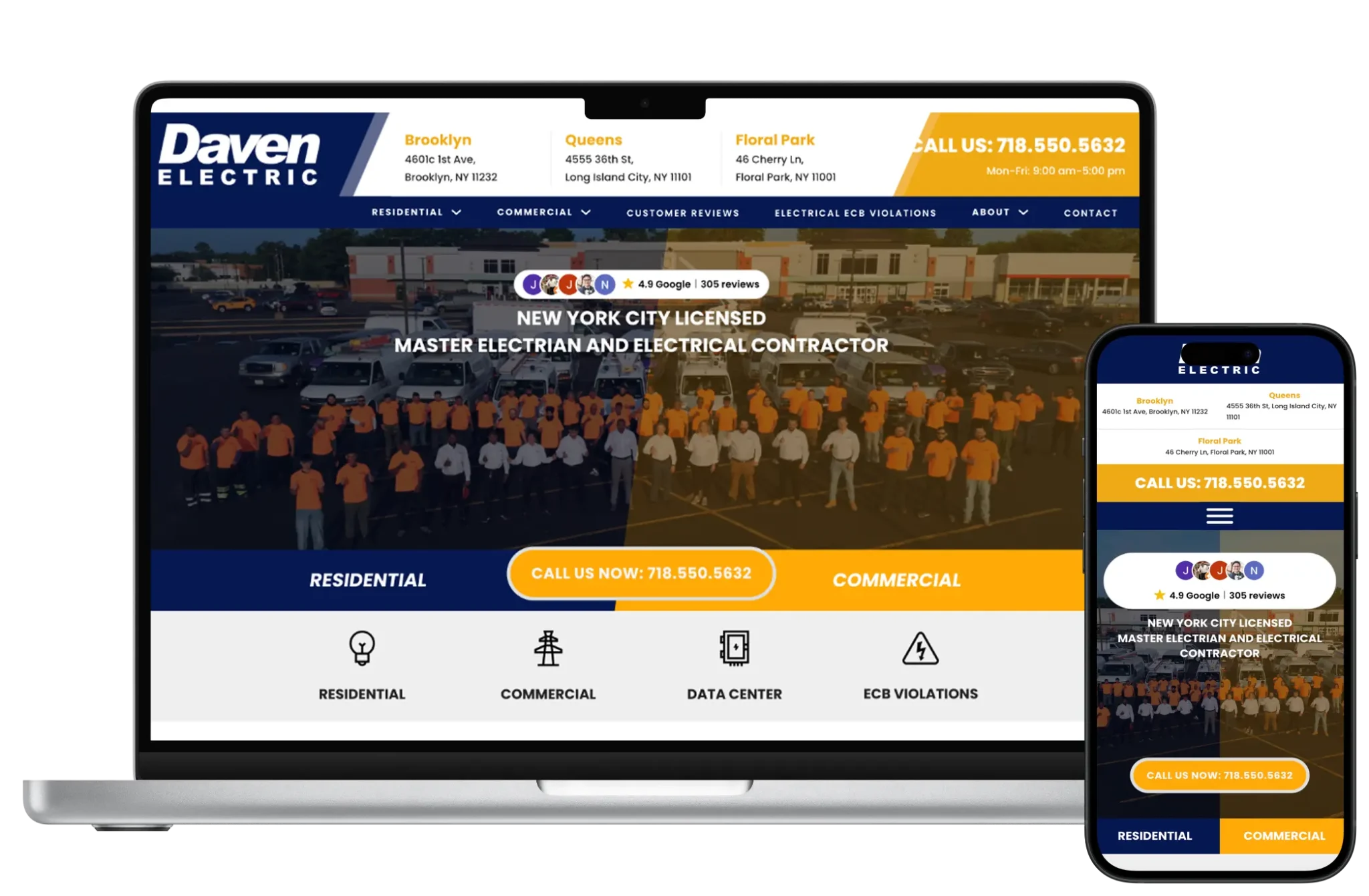
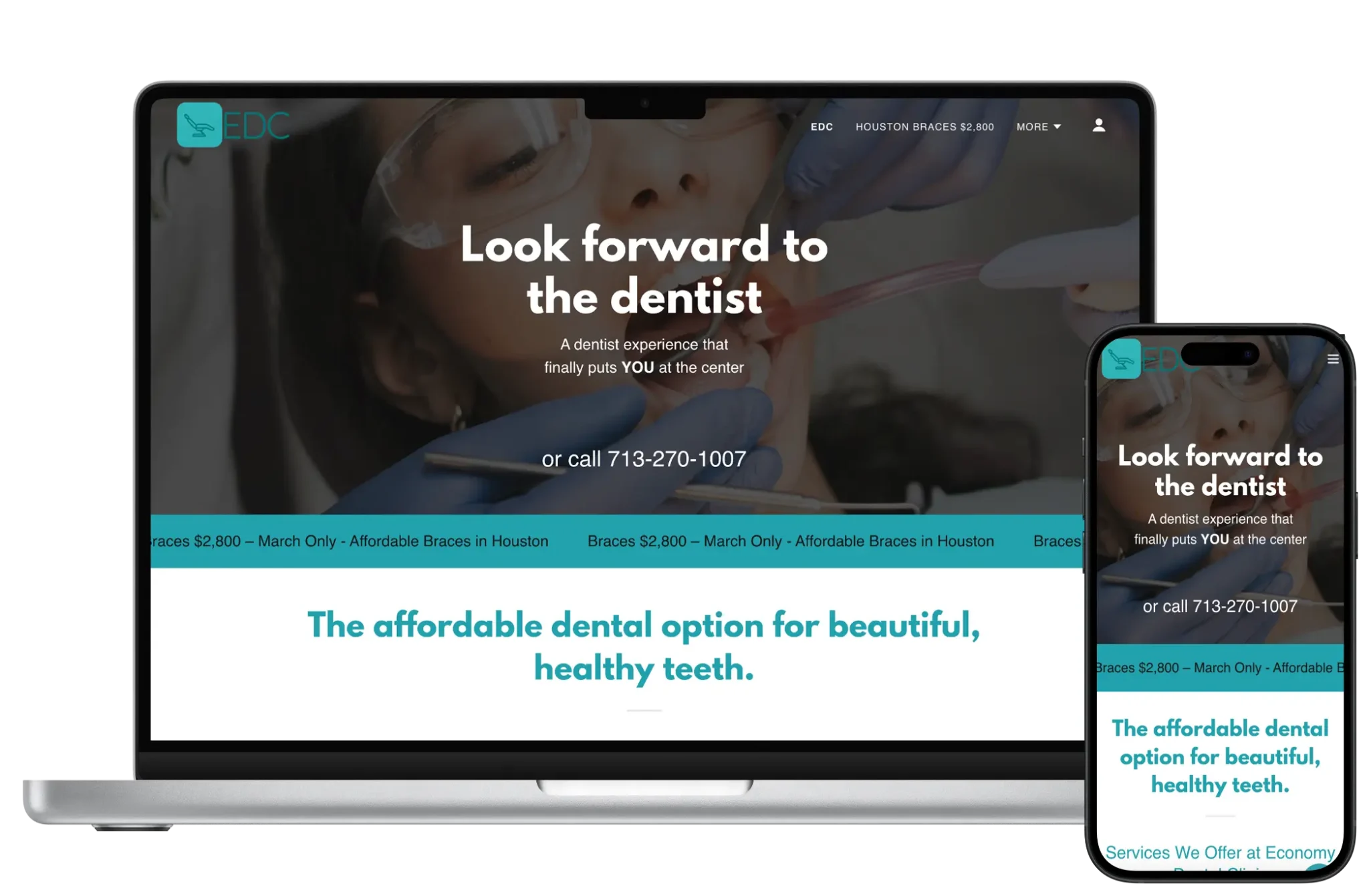
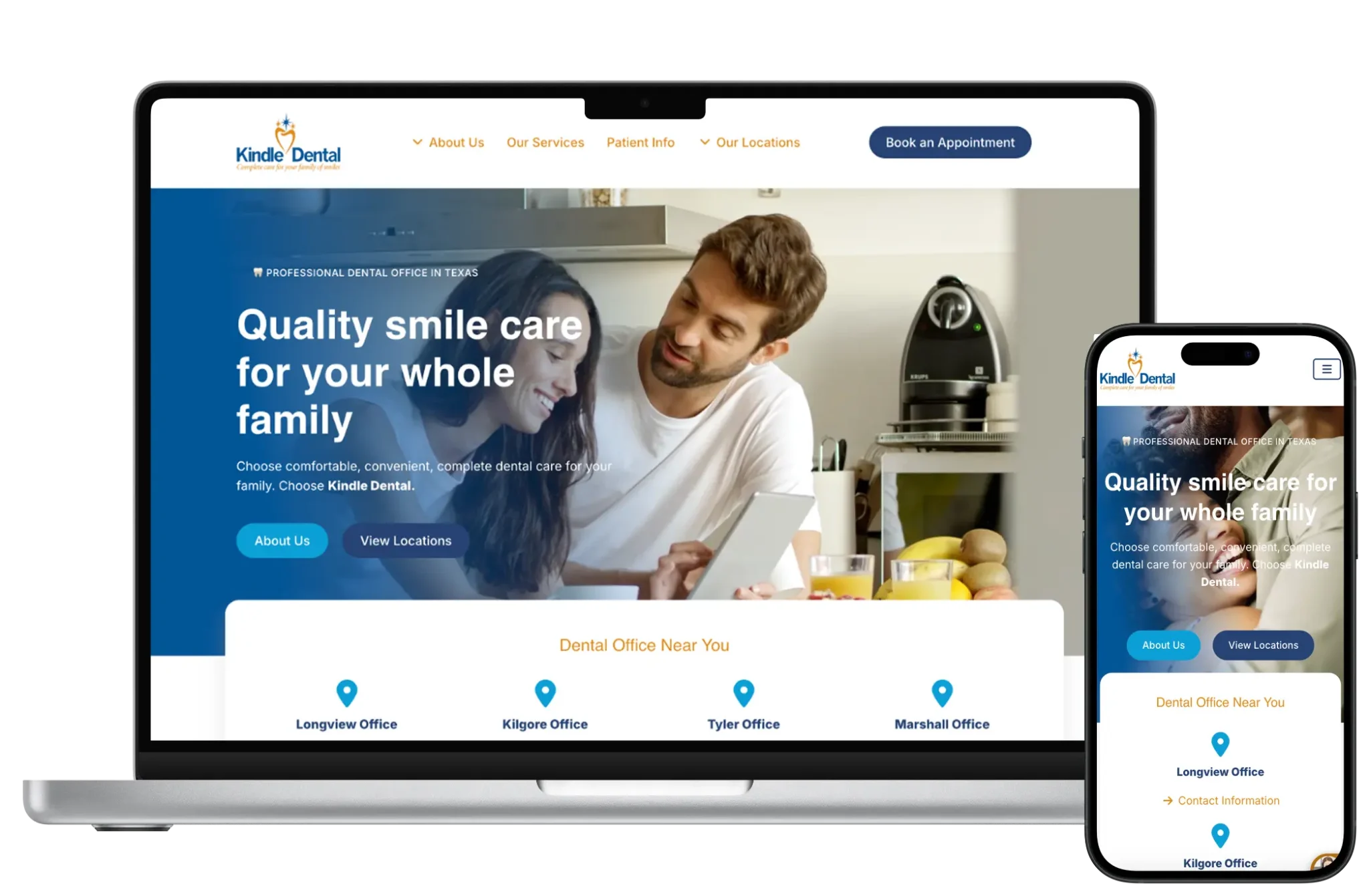
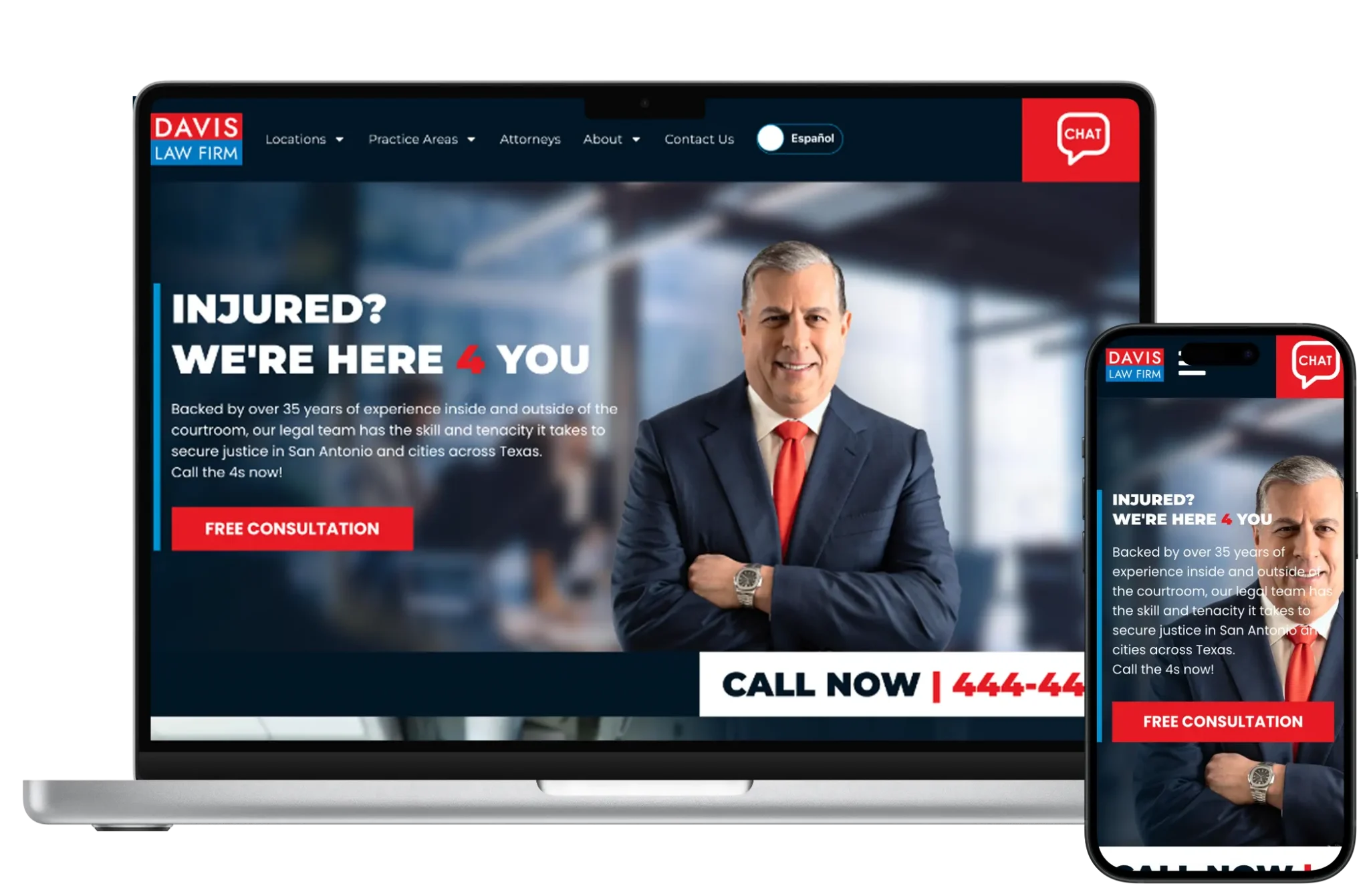
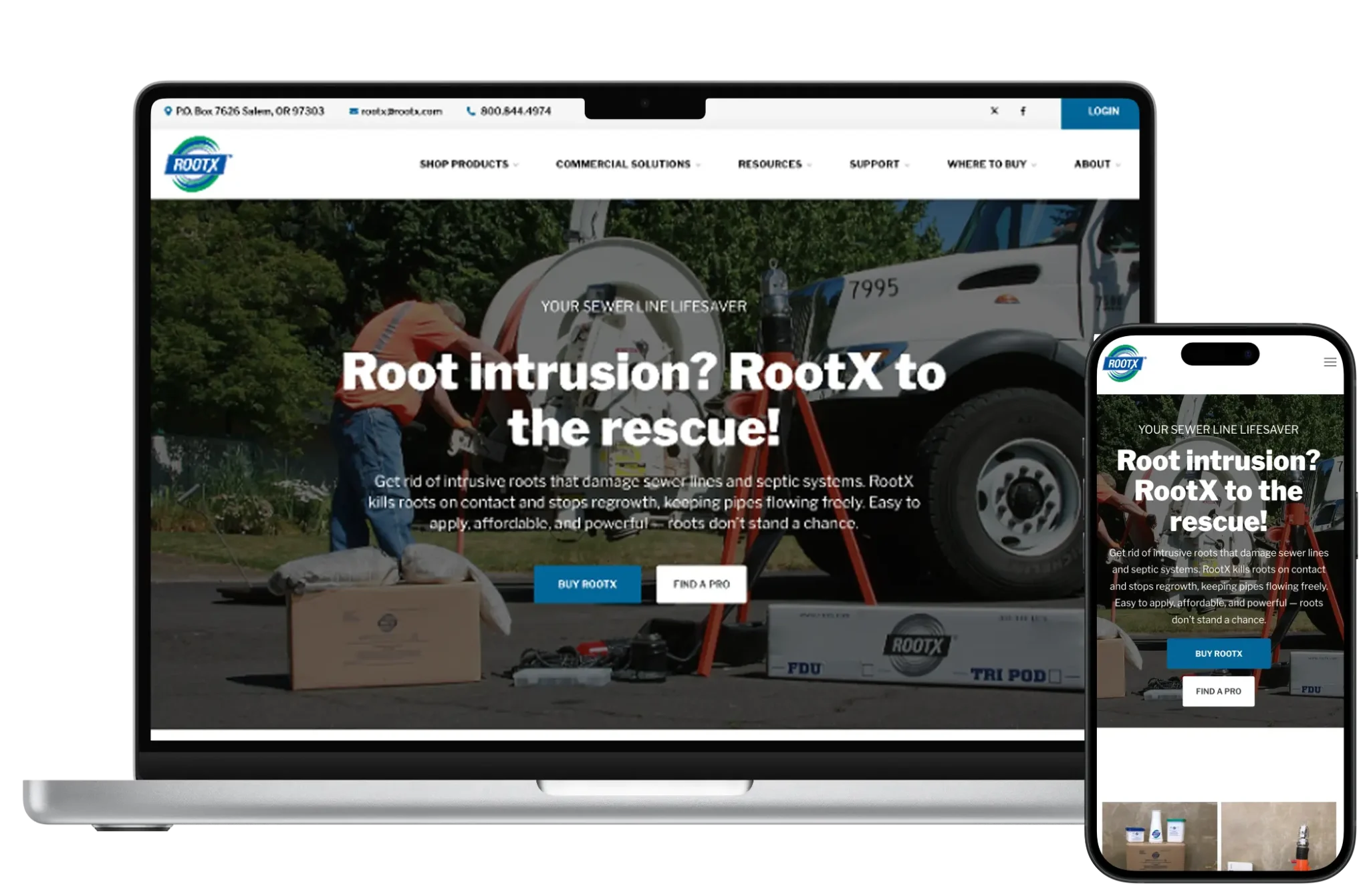
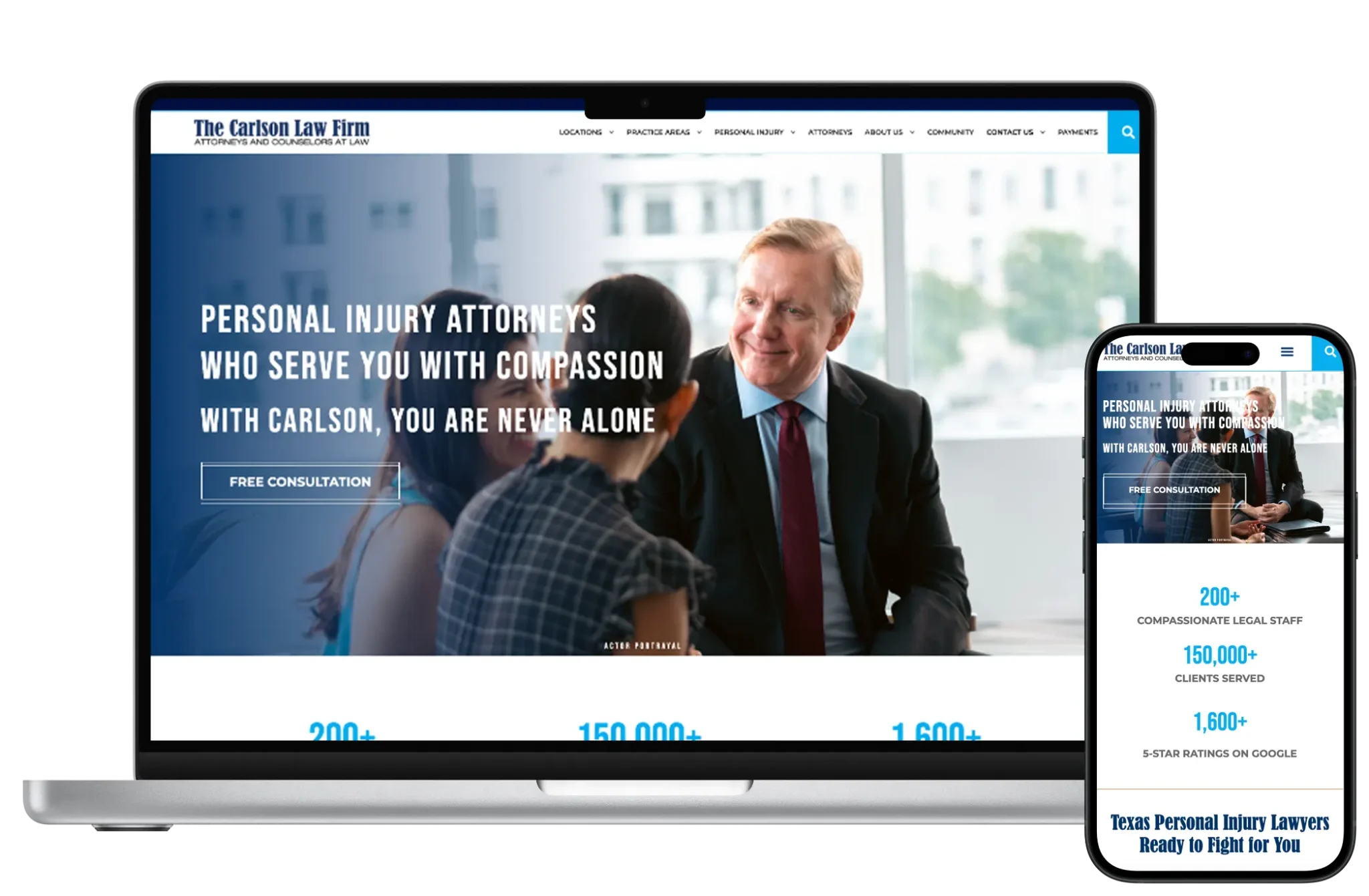
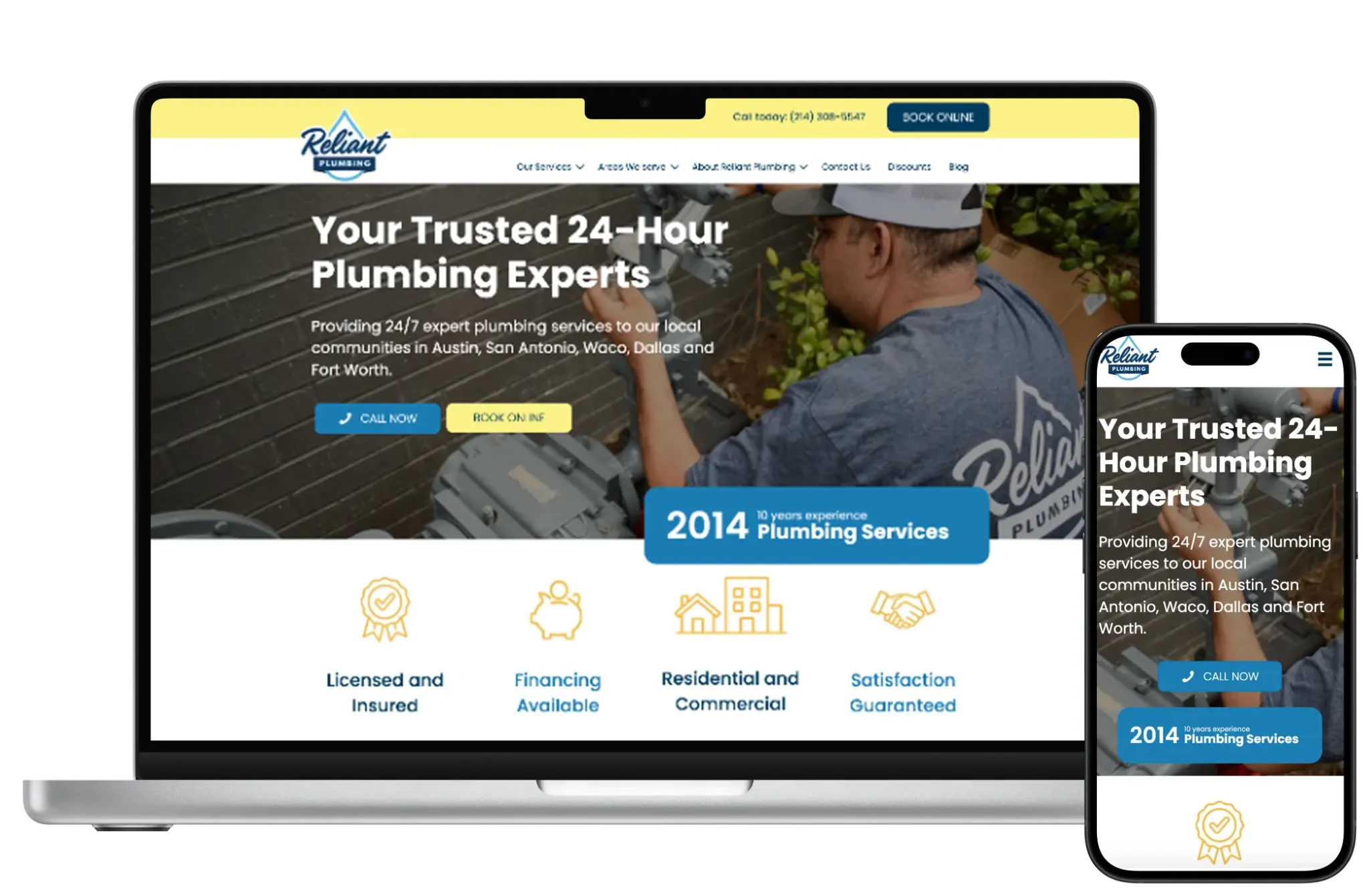
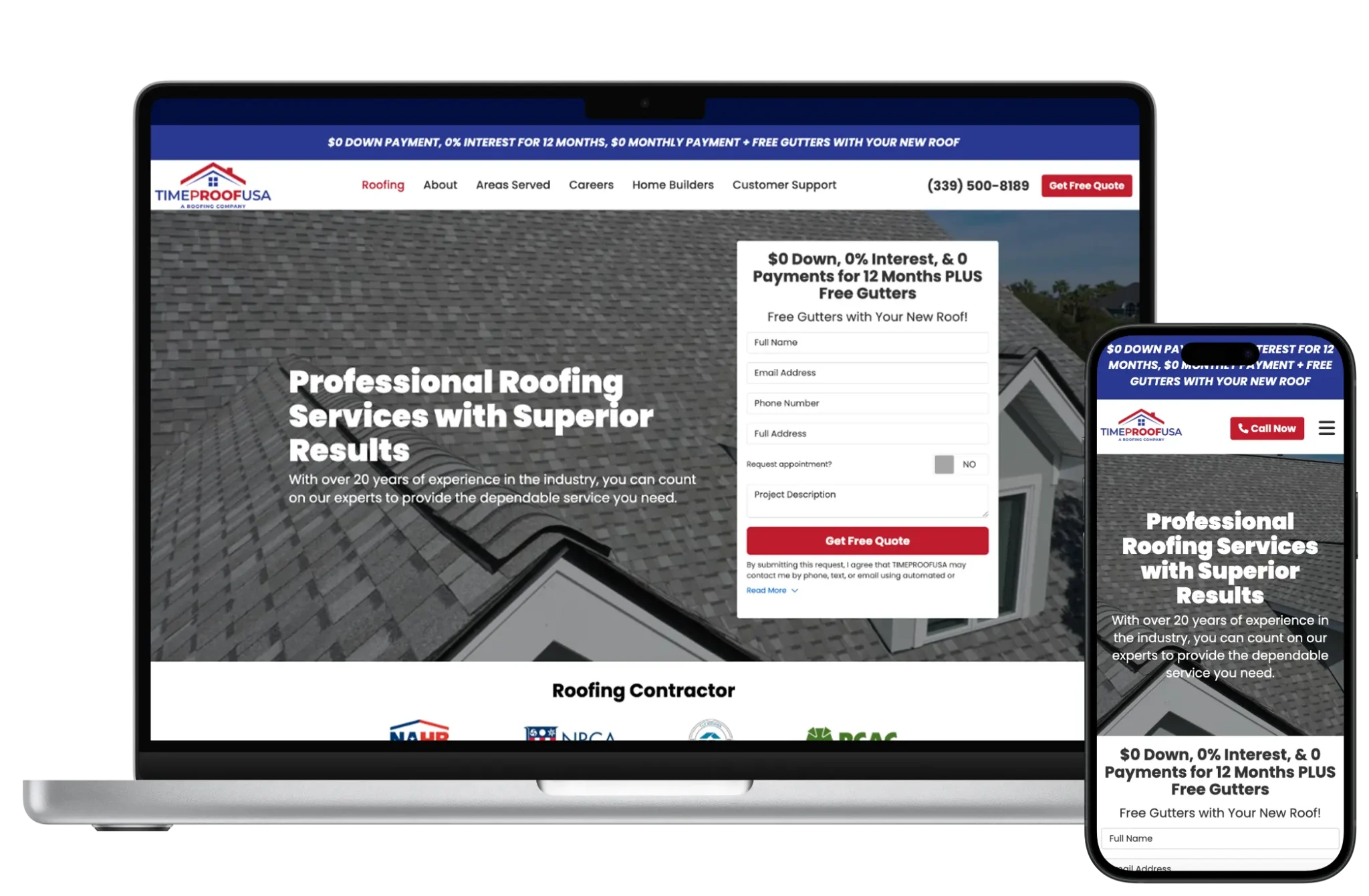
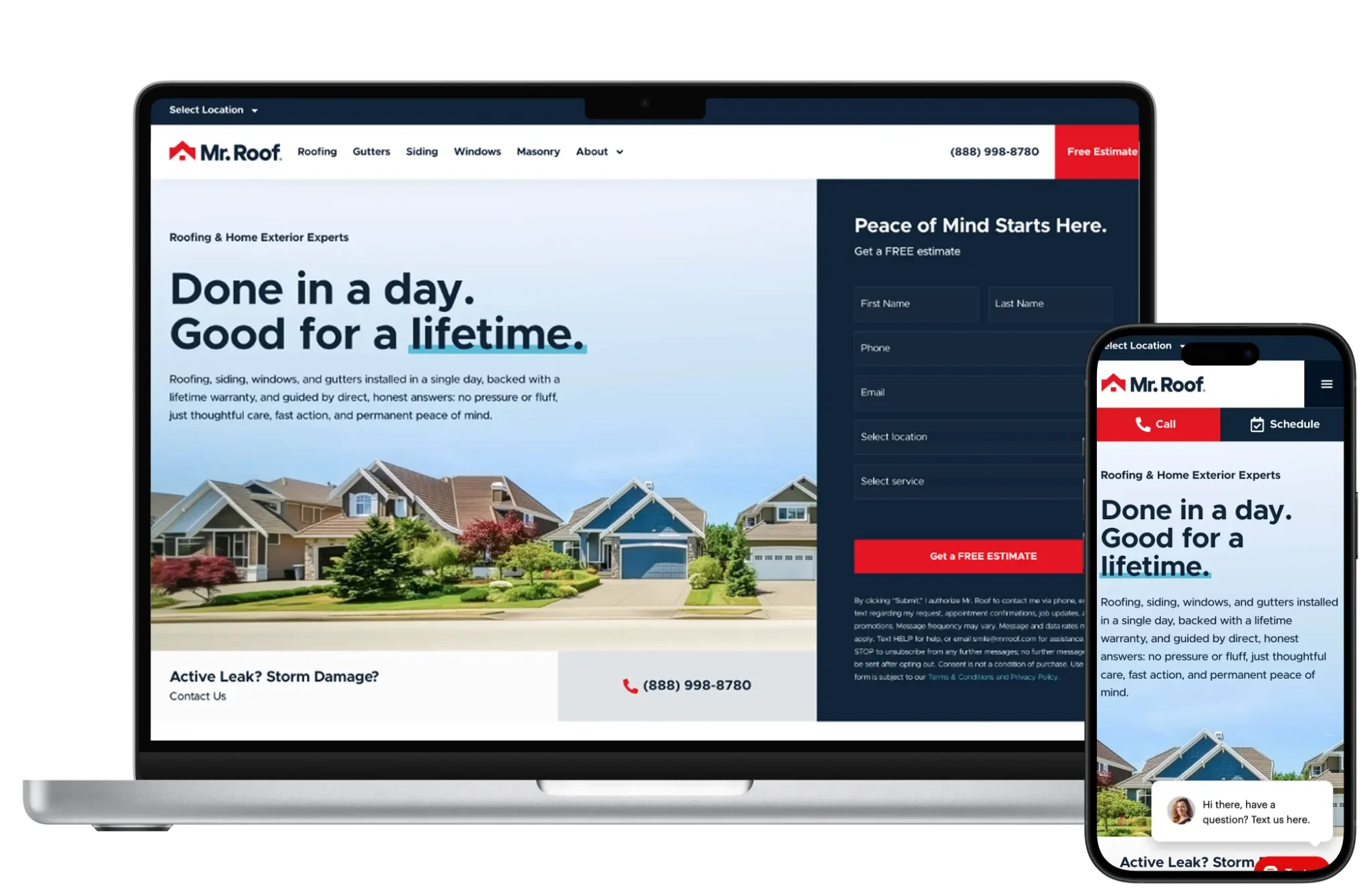
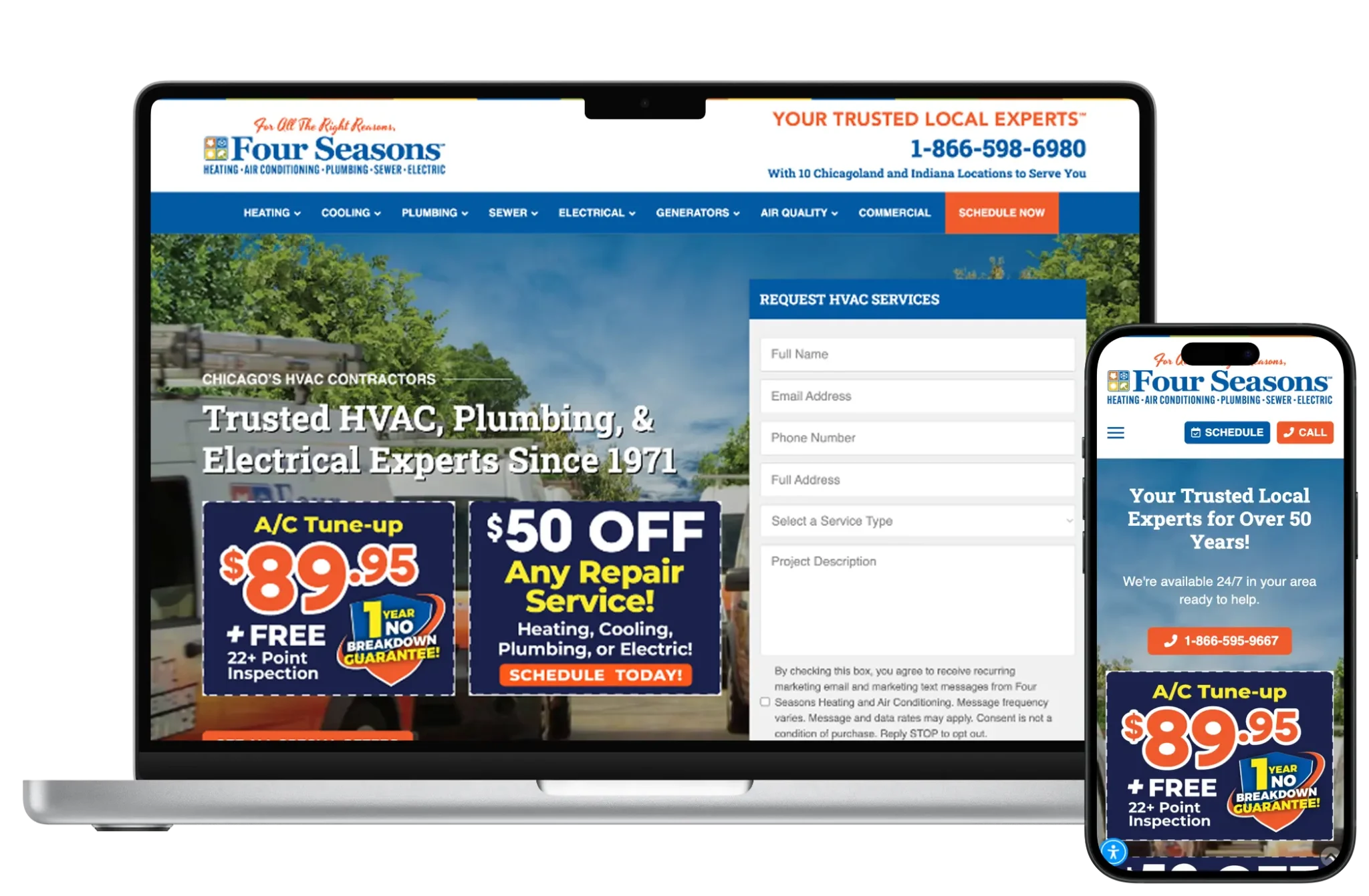
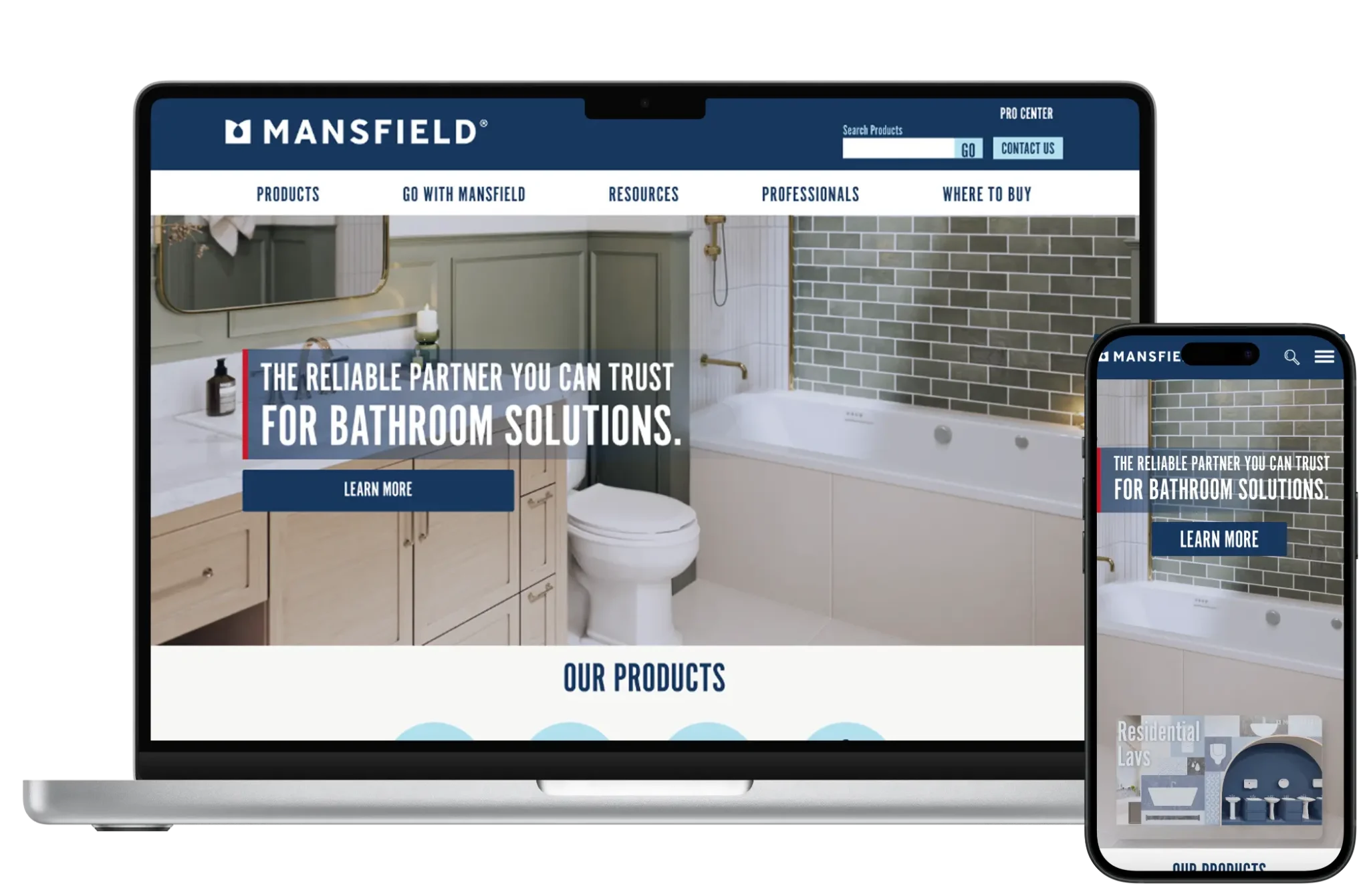
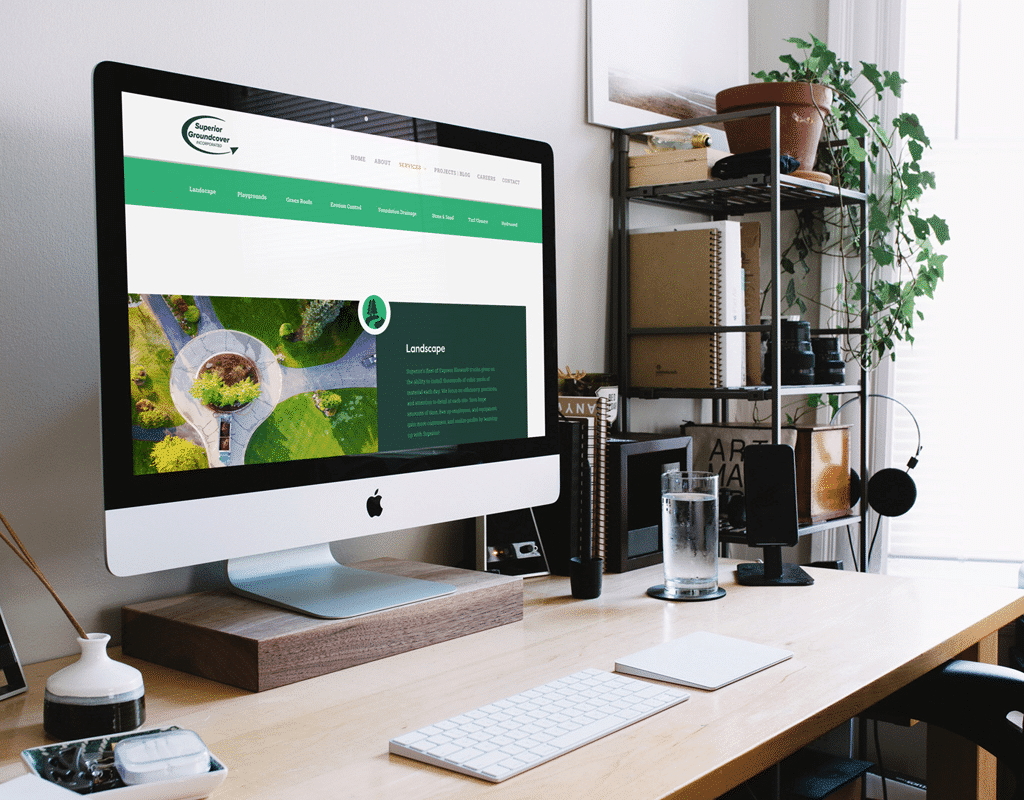
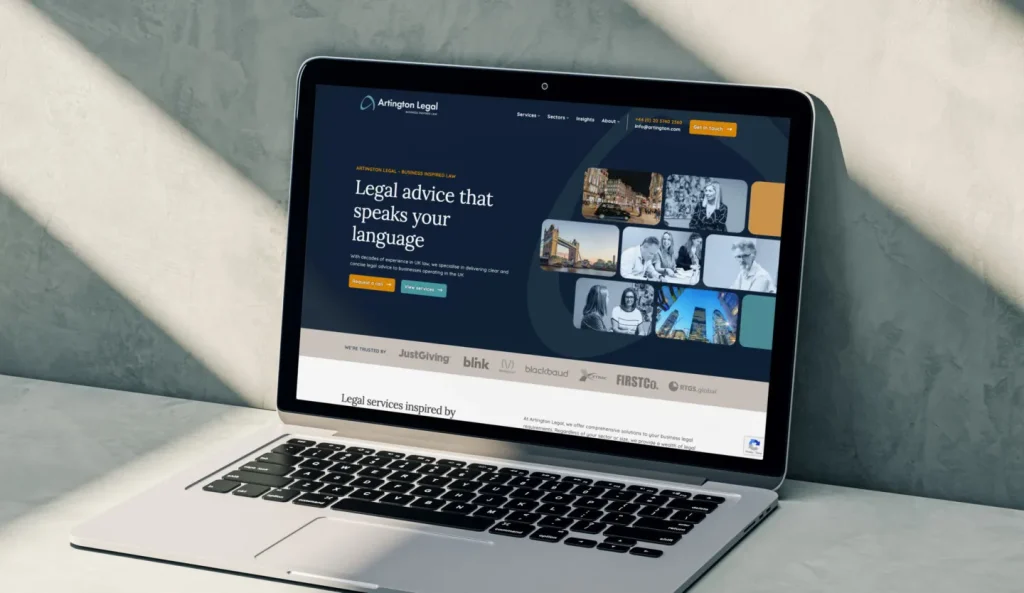
Read more →A look at website designs and layouts we build for service businesses — mockups and project types, not fabricated client claims.
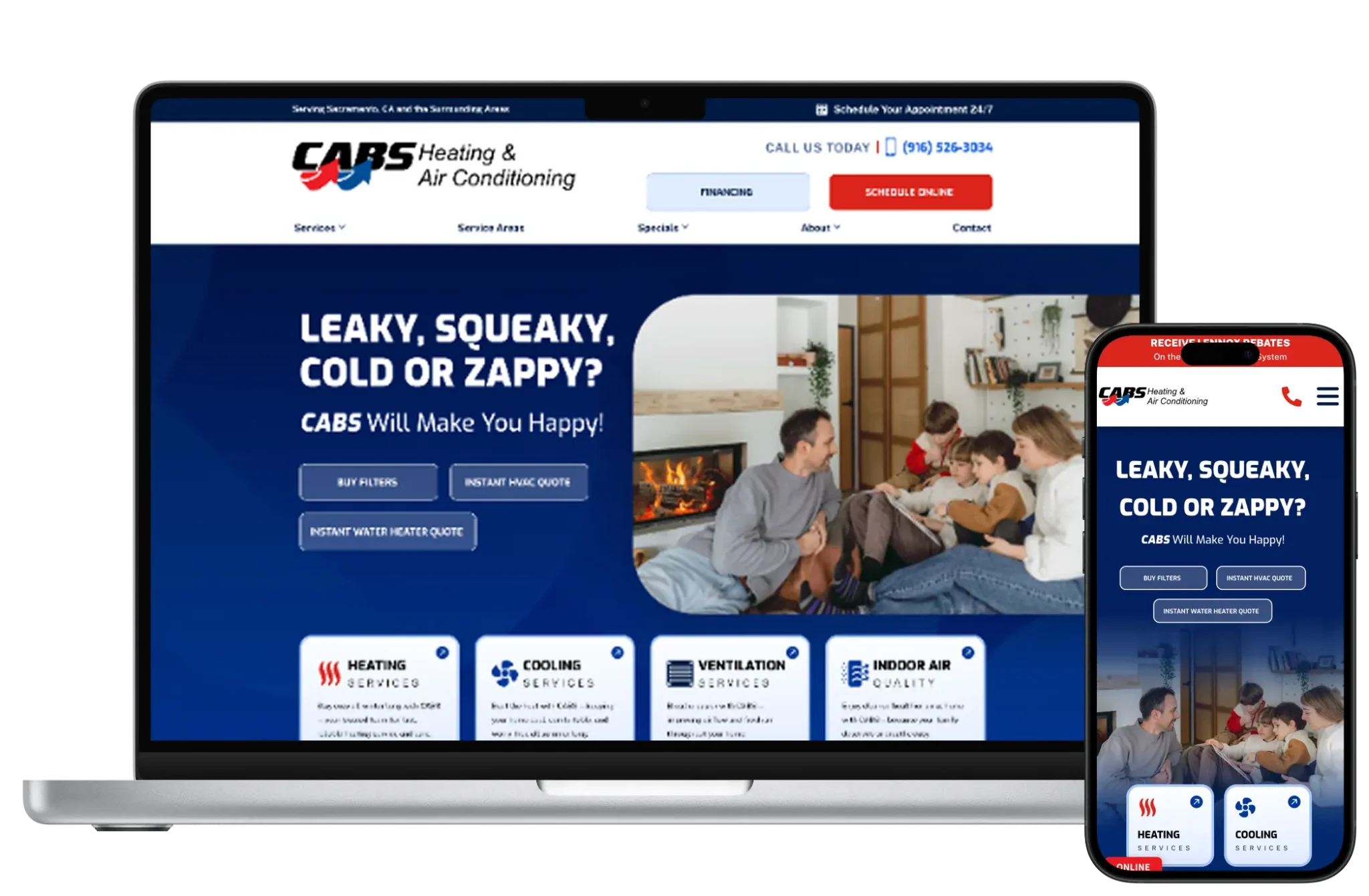
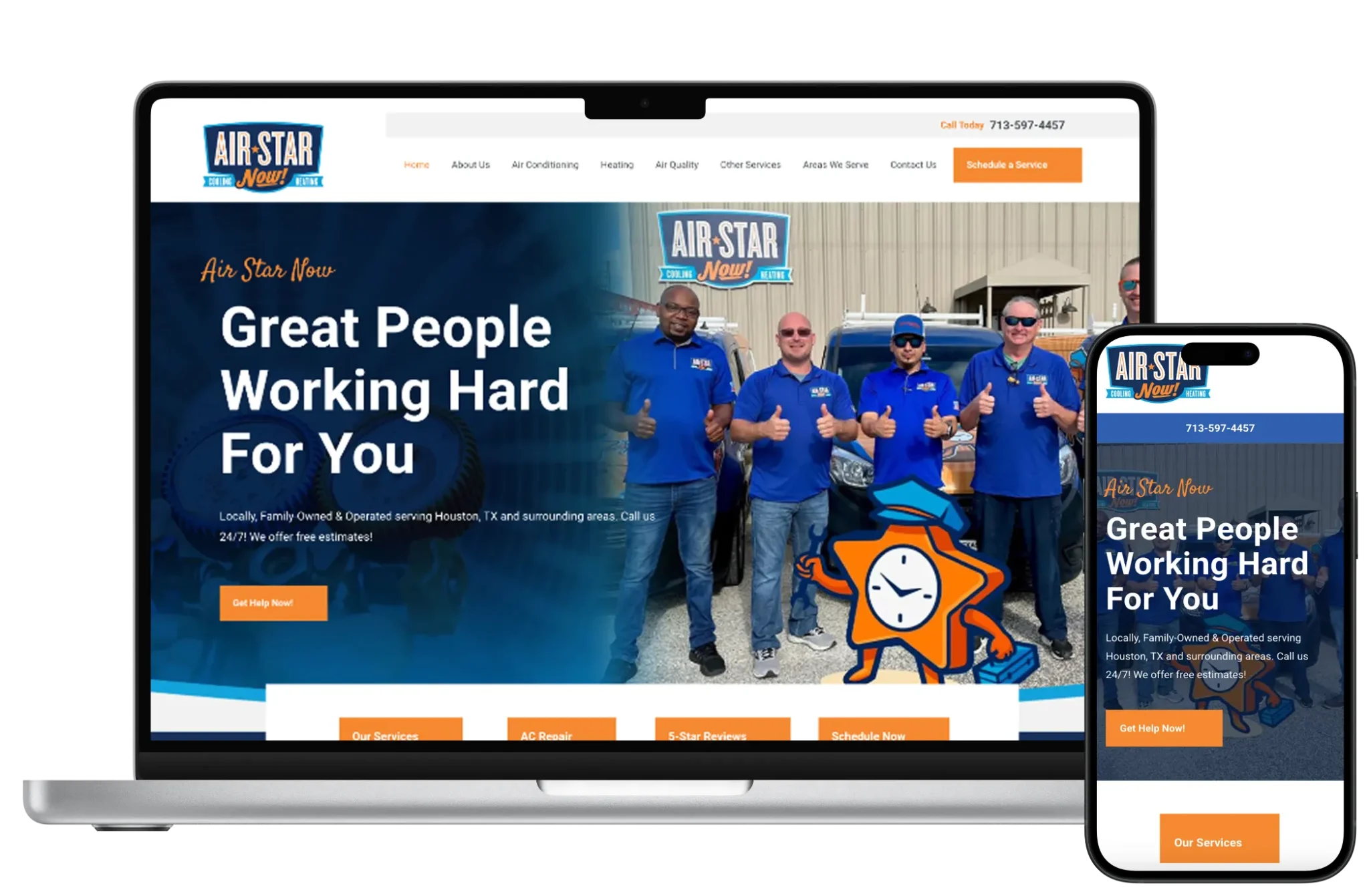
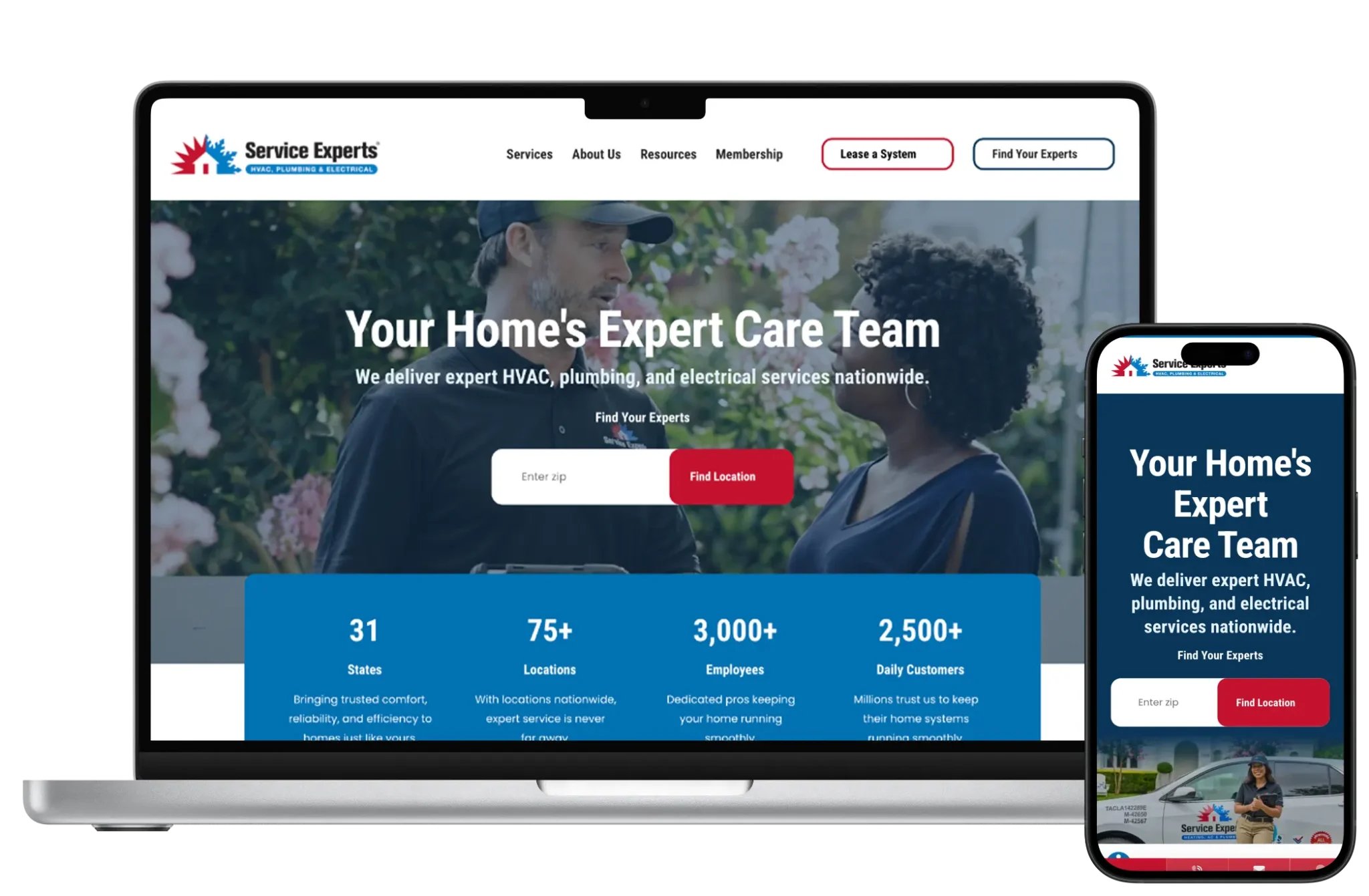
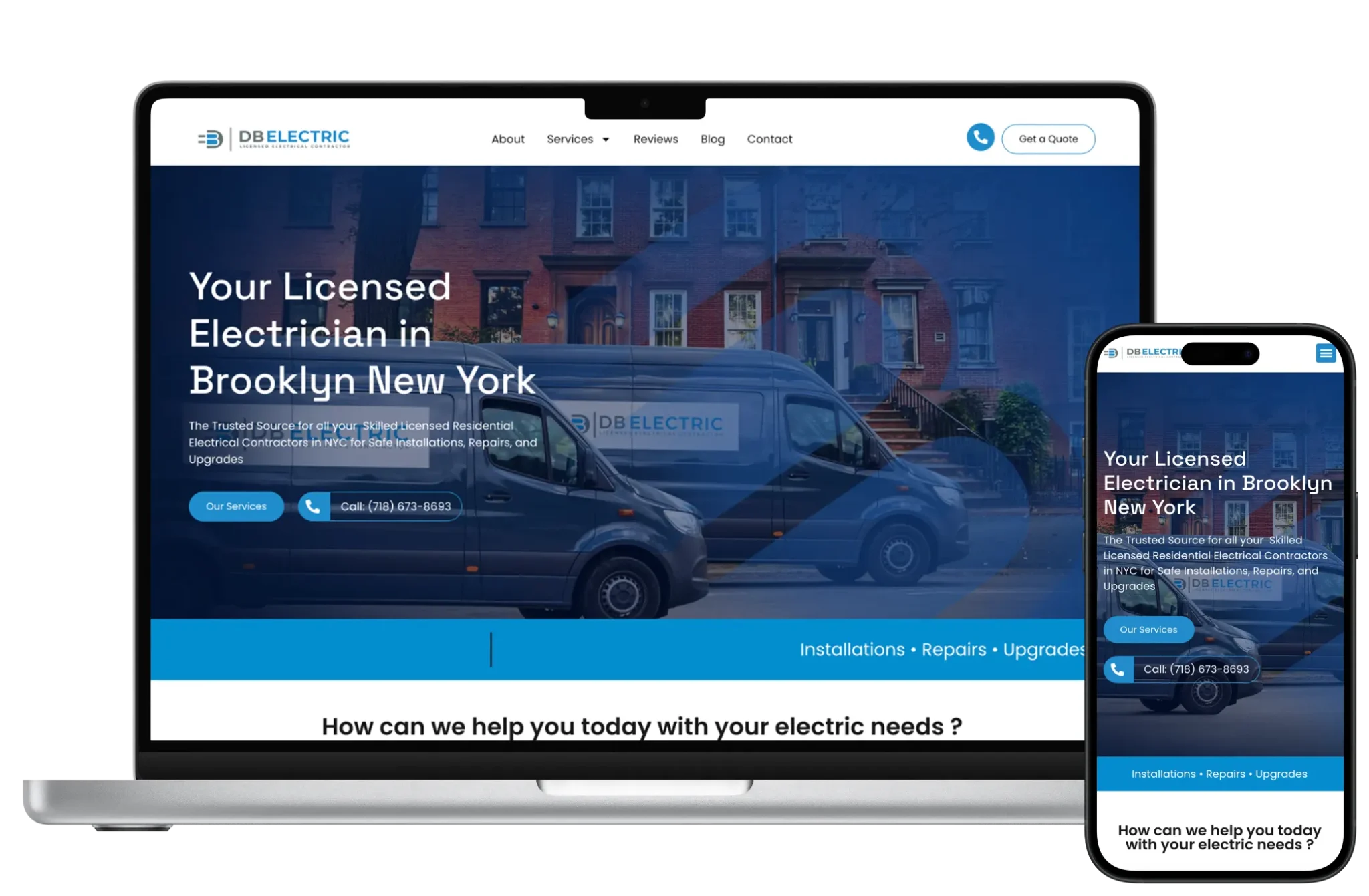



Readable categories, optional filtering for dietary needs, and fast updates.
OpenTable, Resy, Toast, or your stack—wired without CTA chaos.
Venue-specific menus, hours, and schema-friendly location details.
Inquiry forms that capture dates, headcount, and style.
Easy swaps for seasonal dishes under monthly maintenance.
Consistent NAP, menu signals, and profile support—no doorway spam.
Primary conversions are reservations, orders, or event inquiries depending on the concept. Make the primary action unmistakable on mobile.
Secondary conversions—gift cards, newsletter for specials—should not obstruct menu access.
Use waitlist or "walk-in welcome" messaging honestly when reservations are limited.
Local and menu-related queries matter more than national food blog terms. Unique venue pages and menu content help diners and search engines.
Technical SEO includes fast image delivery, mobile usability, and avoiding PDF-only menus when possible.
Content about private dining, seasonal menus, and location stories should be genuine. We do not fabricate awards or rankings.
We connect SEO work to technical SEO, on-page SEO, and — when local demand matters — local SEO. We do not promise specific rankings.
Google Business Profile categories, hours, menus, and photos must match the website. Review responses are part of the local system.
Multi-location brands need clean location pages—not duplicate city spam for neighborhoods you do not serve.
We only recommend location pages when you genuinely serve the area and can add unique value — not doorway-page city spam. See Google Business Profile optimization.

Yearly plans that include design, development, maintenance and SEO foundations — without a large upfront project fee.
For small businesses that need a professional site without a large upfront build.
Best for local and service businesses ready to generate more leads every month.
For growing brands that need ongoing development, SEO and conversion work.
Large sites, complex integrations, multi-location brands and custom applications.
Most lead-focused Restaurants engagements fit Growth ($299/year) when local/organic acquisition matters. Simpler brochure sites may fit Starter ($199/year). Multi-location, custom integrations, or heavier development fit Pro ($399/year) or Enterprise.
Setup fees may apply for redesigns, migrations, or large content builds — always disclosed before kickoff. See transparent subscription pricing and how website subscriptions work.
Full notes for challenges, strategy and supporting pages — so the sections above stay scannable.
Make the first mobile screen answer: where, when, what to eat, and how to book. Everything else is secondary to those jobs.
Structure menus as real web pages (or well-built interactive menus) with categories, prices you choose to show, and dietary notes. Update cadence belongs in the subscription, not in a yearly redesign.
For groups, location-first IA prevents wrong-menu disasters. Each venue needs accurate NAP, menus, and reservation links.
Typical tools and workflows we plan around for Restaurants:
Platform choice often lands on WordPress for service businesses, or Shopify / WooCommerce when commerce is central.
They still click through for menus, hours, and booking. A weak site loses the reservation after the map pack click.
Owned ordering and reservations improve margin and brand control. The site supports both marketplace and direct paths.
No. Local competition and reviews matter. We strengthen consistency and relevance without guarantees.
That is exactly why subscription maintenance exists—menus should be easy to update without calling a redesign project.
Straight answers about scope, pricing, ownership and what a subscription includes for this page.
HTML (or interactive menu modules) is usually better for mobile and SEO. PDFs can supplement print-style menus if kept current.
Yes. We place widgets or deep links so the reservation CTA is obvious without breaking page speed.
Location-first navigation with venue-specific menus, hours, and booking links prevents cross-location confusion.
We can advise on photo direction and implement galleries. Photography itself may be client-provided or separately sourced.
Yes via your POS or ordering vendor. We focus on clear UX and reducing marketplace-only dependency when you want direct orders.
Accurate hours, categories, menus, photos, and review responsiveness—aligned with the website.
Under subscription maintenance, seasonal swaps are a normal monthly task rather than a new project.
Many diners expect them. You choose; we design menus either way and keep them accurate.
Yes—dedicated pages and forms that capture date, headcount, and event type improve sales follow-up.
No. We improve discovery and booking conversion assets; covers depend on hospitality, reviews, and capacity.
Restaurant websites with accurate menus, booking paths, and honest local SEO—maintained monthly.