

Who React is for
React fits product companies, SaaS marketing sites with interactive calculators/demos, design systems shared across web surfaces, and teams embedding…
Read more →React platform
React is a UI library for building component-based interfaces — from interactive marketing sections to full product dashboards. 66sites uses React when the experience needs state, reuse, and…

React is a UI library for building component-based interfaces — from interactive marketing sections to full product dashboards. 66sites uses React when the experience needs state, reuse, and engineering-grade UI that page builders cannot sustainably express.
React alone is not a CMS, host, or ecommerce platform. Teams often meet React through Next.js, a custom Vite app, or embedded widgets inside WordPress/Shopify. That distinction matters: choosing “React” means choosing a front-end paradigm, then still deciding content, data, and deployment.
We reach for React when interaction complexity or design-system scale justifies it. We avoid React when a static or CMS-rendered site would be simpler, faster to edit, and easier to maintain for the same business outcome.
Practical website, conversion and SEO work tailored to how your buyers actually decide.
React fits product companies, SaaS marketing sites with interactive calculators/demos, design systems shared across web surfaces, and teams embedding…
Read more →
Component reuse across pages and products with consistent UX behavior.Rich interactivity: filters, dashboards, multi-step flows, live previews.Huge…
Read more →
Not a content platform — editing and hosting decisions remain separate.Client-side-only React can harm SEO and performance if misused on marketing…
Read more →A look at website designs and layouts we build for service businesses — mockups and project types, not fabricated client claims.
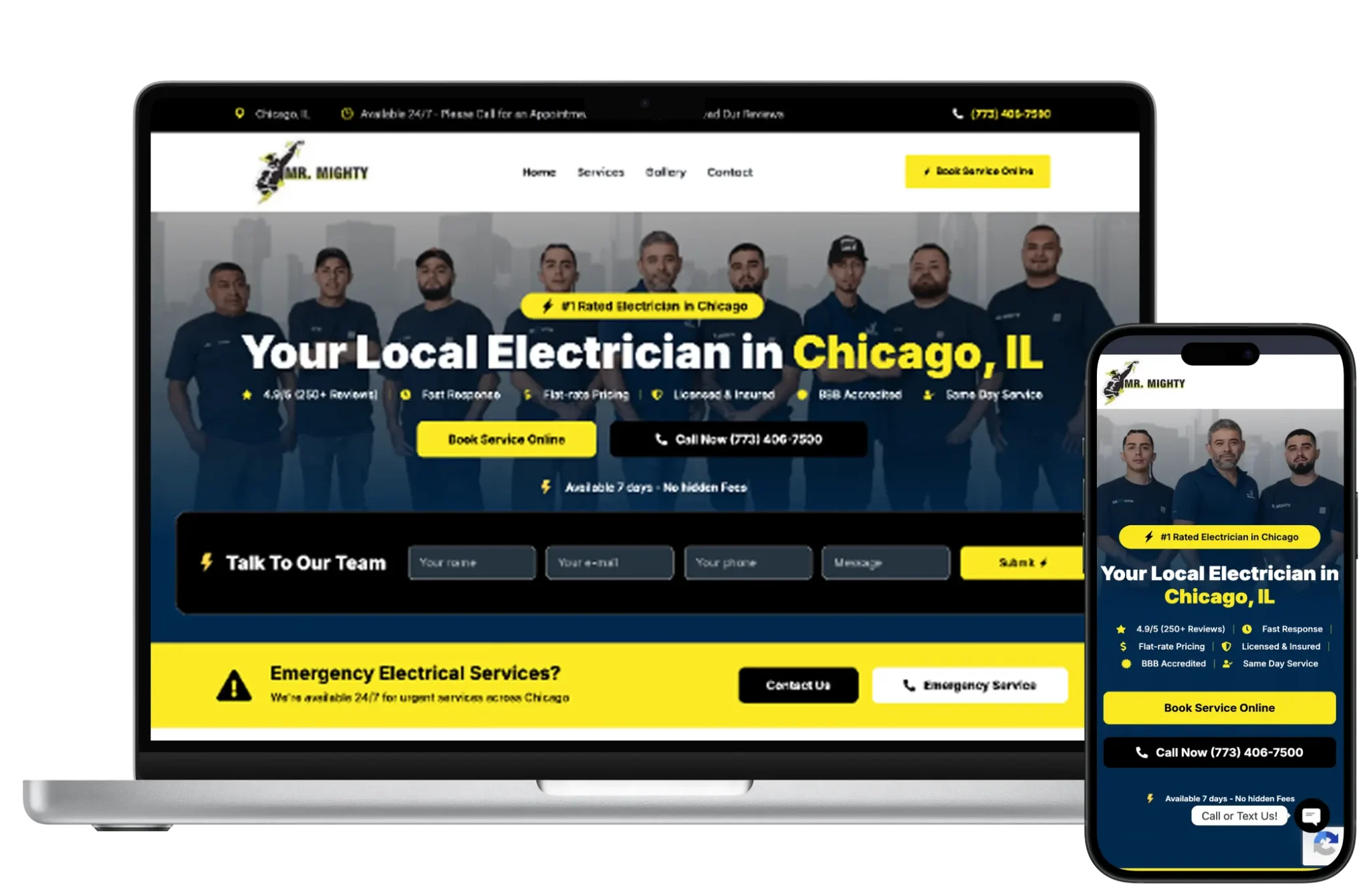
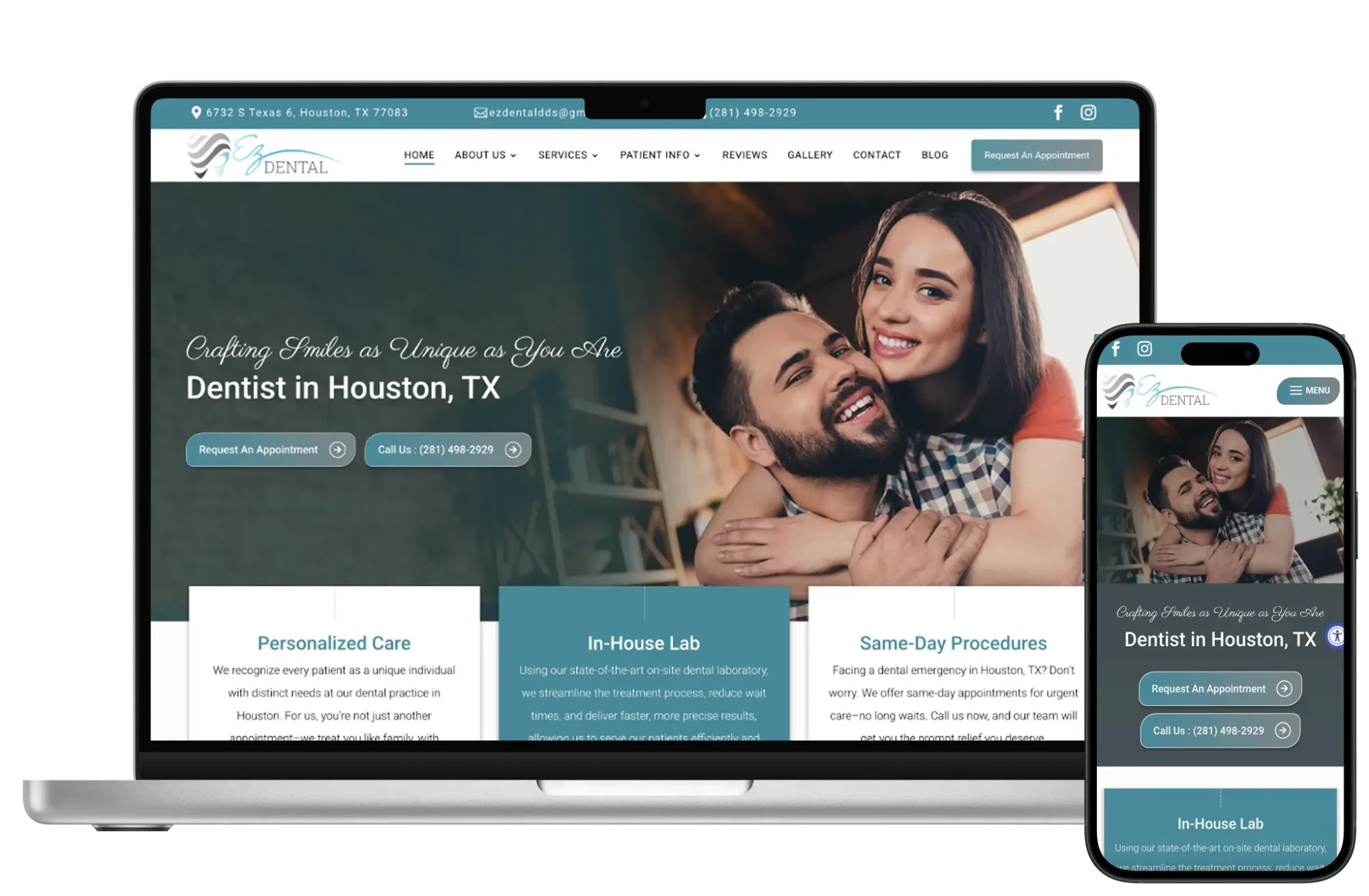
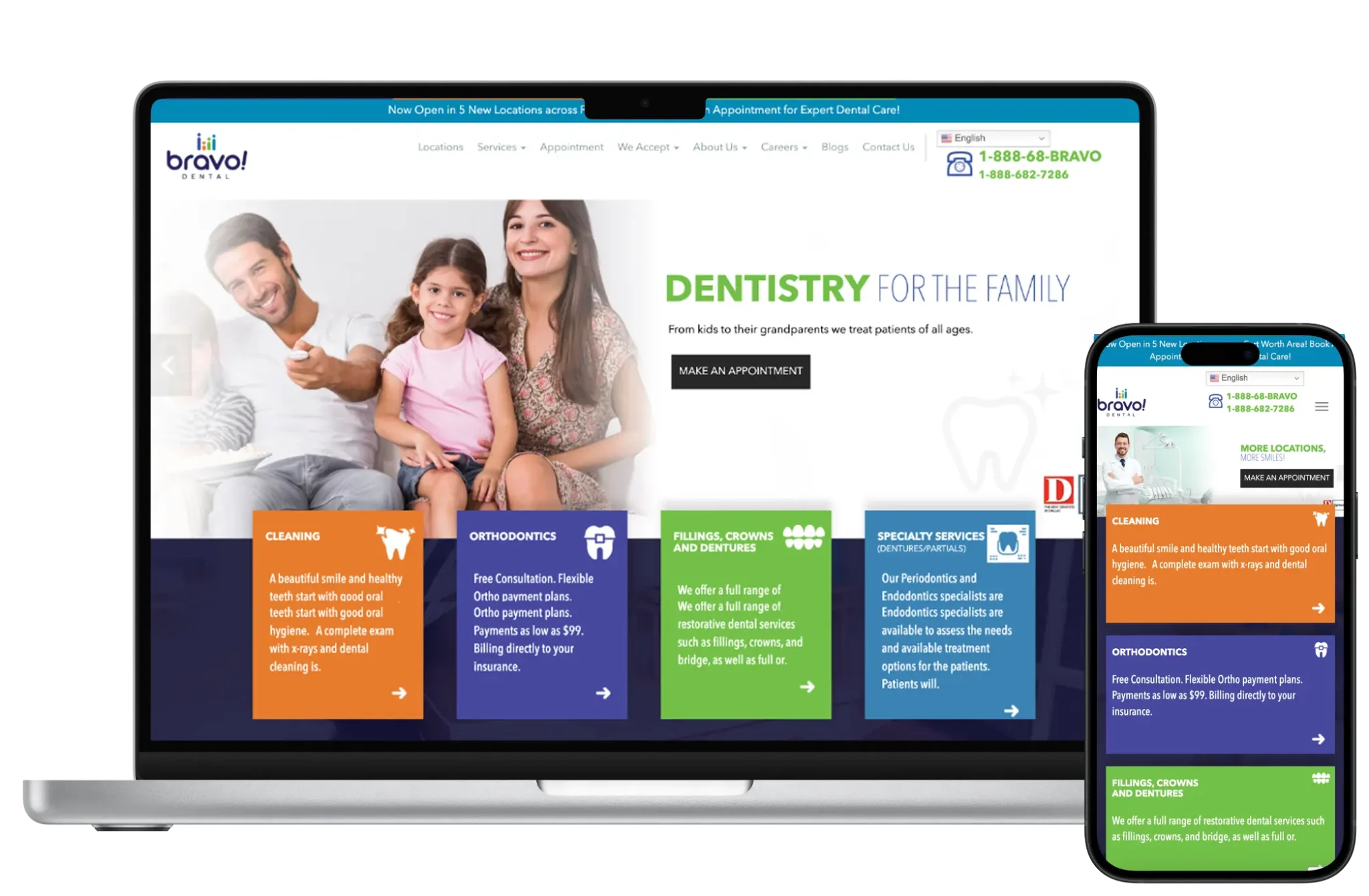
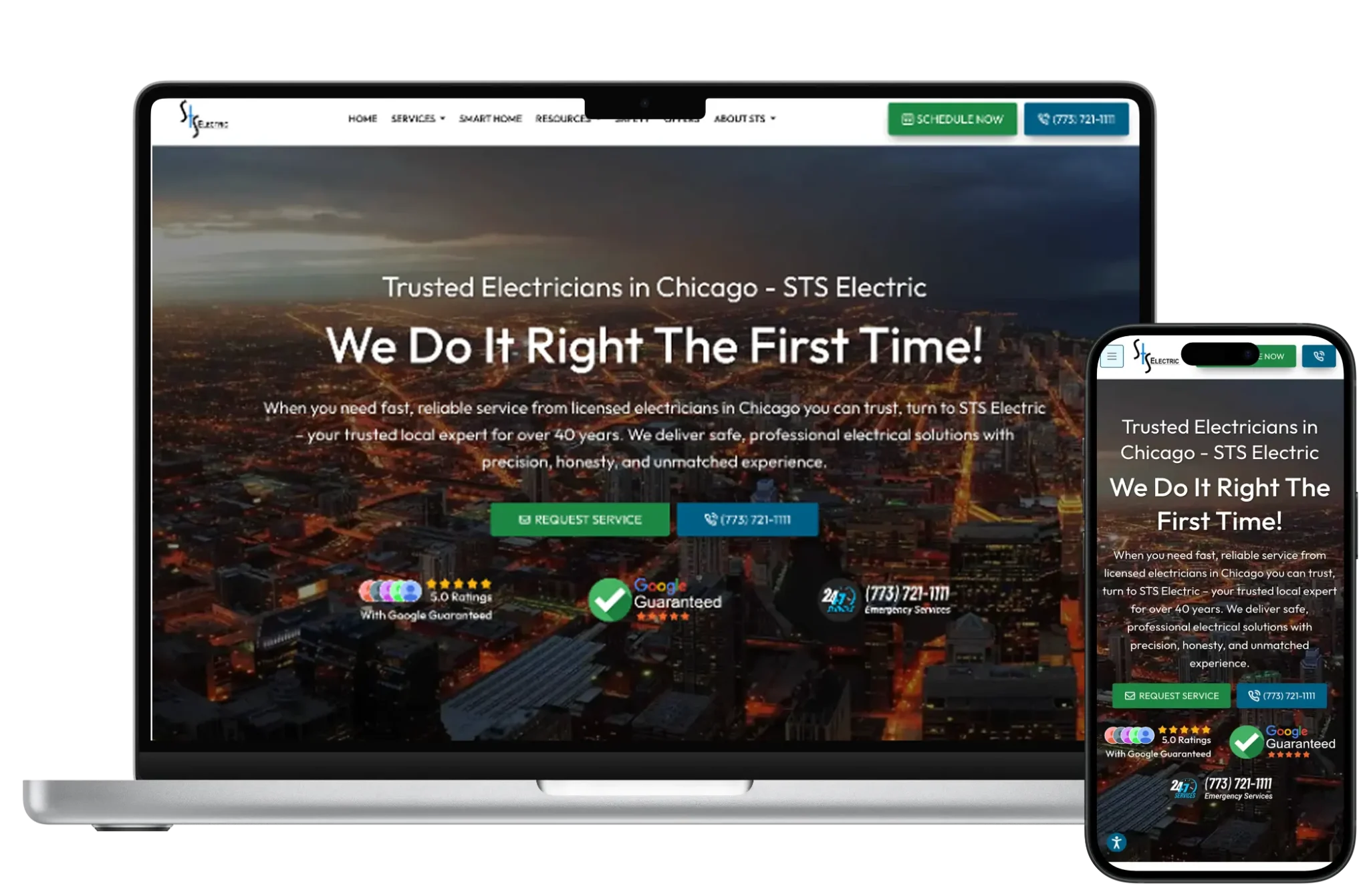

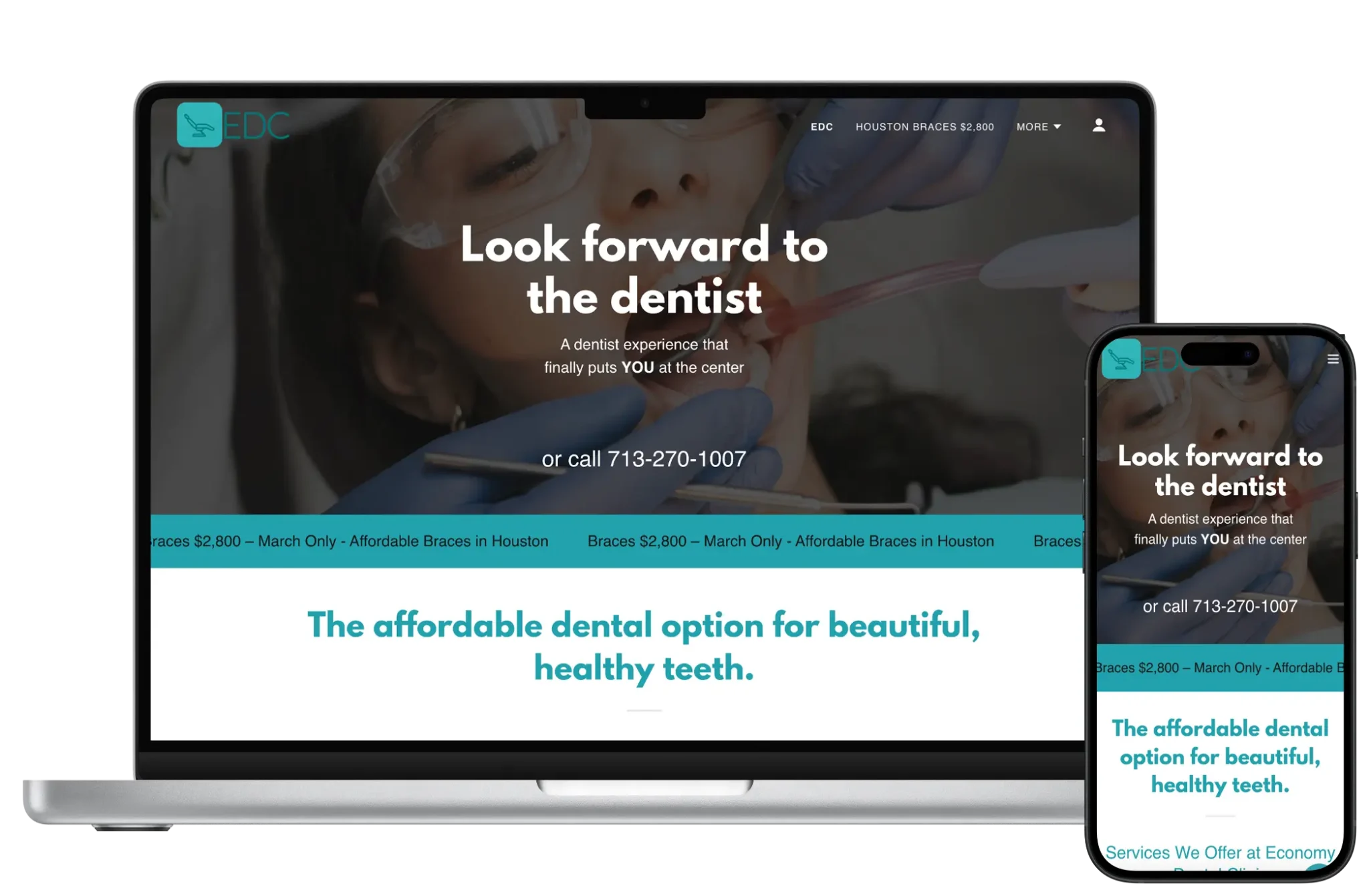
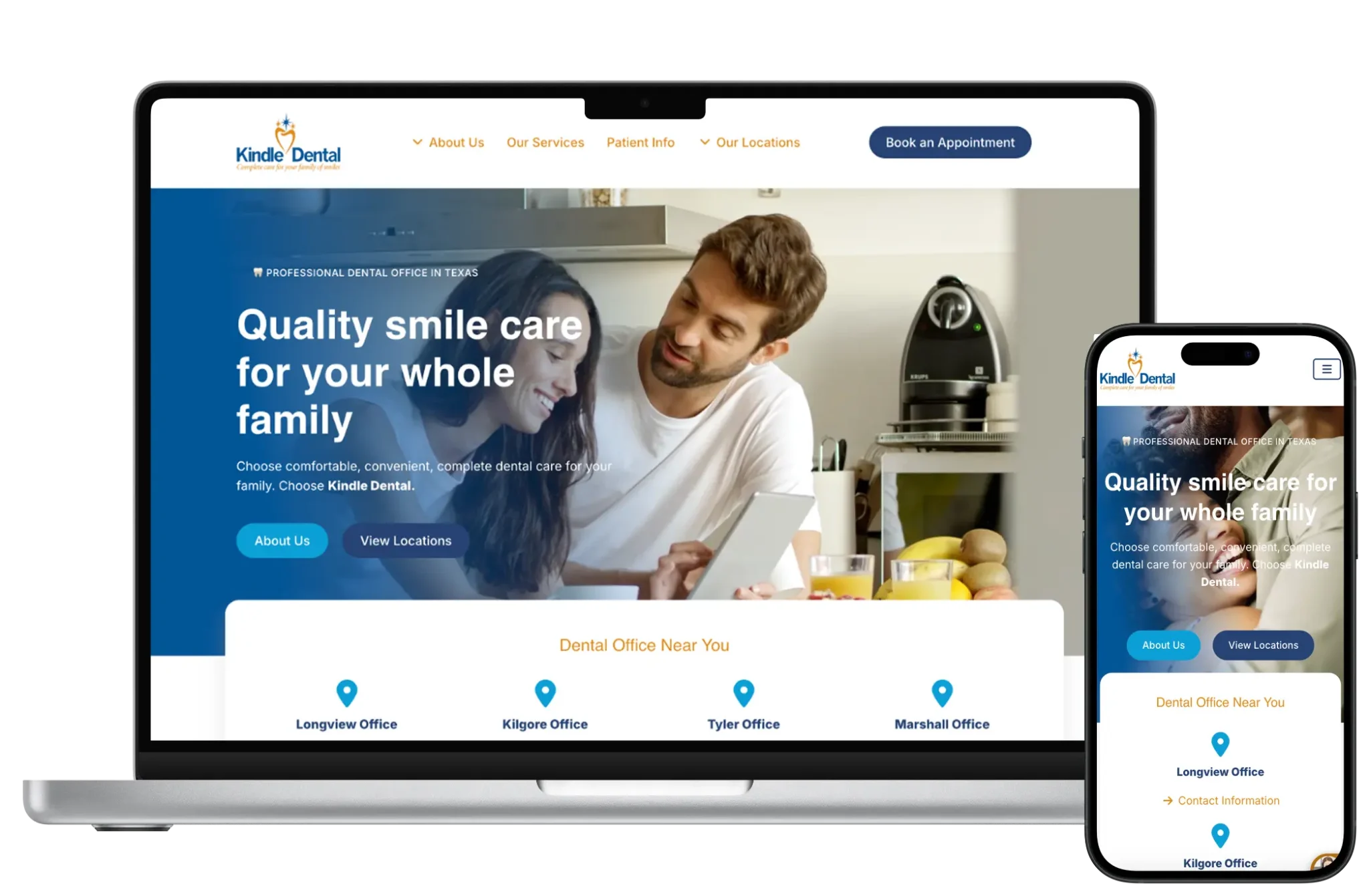

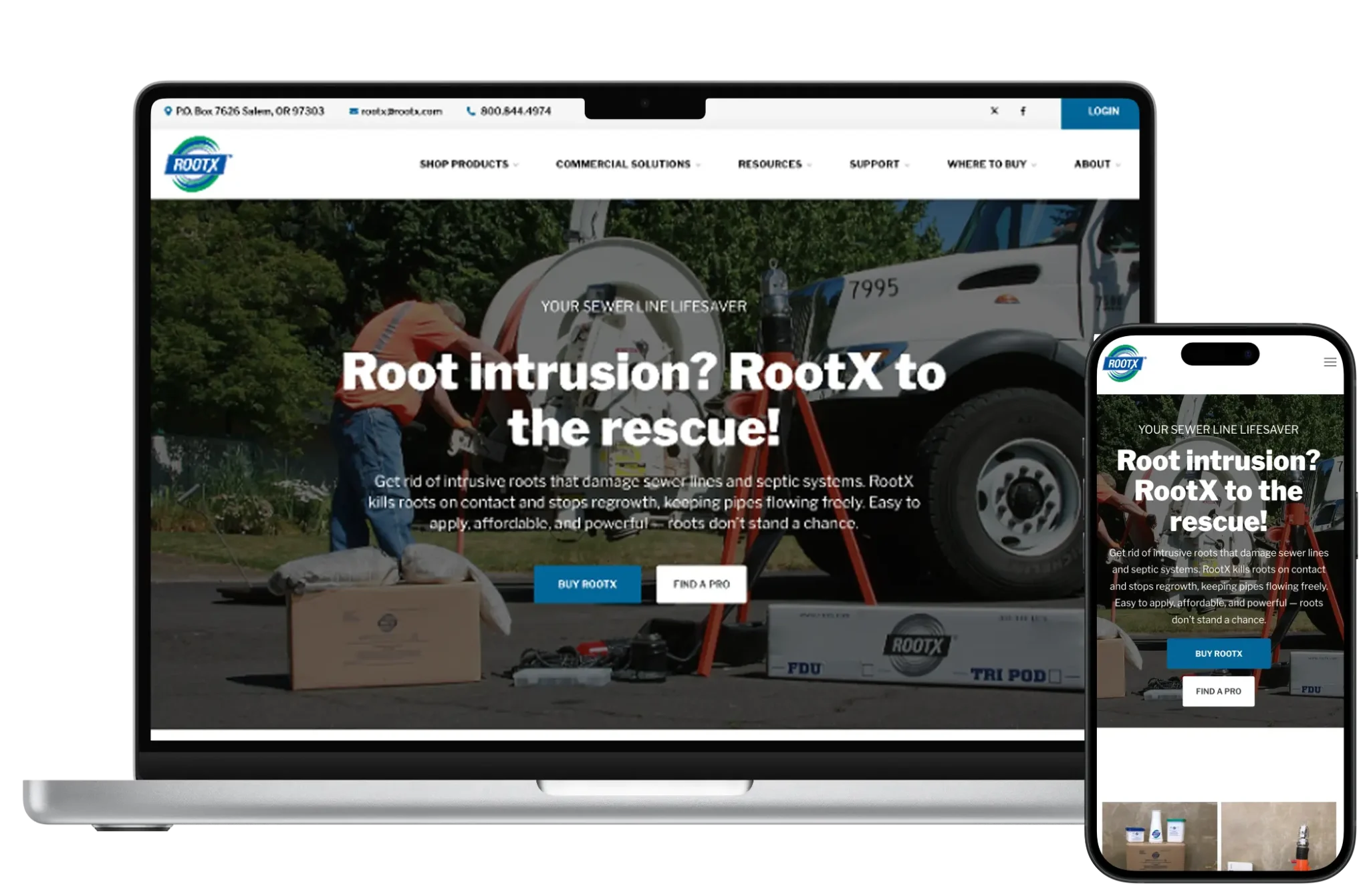
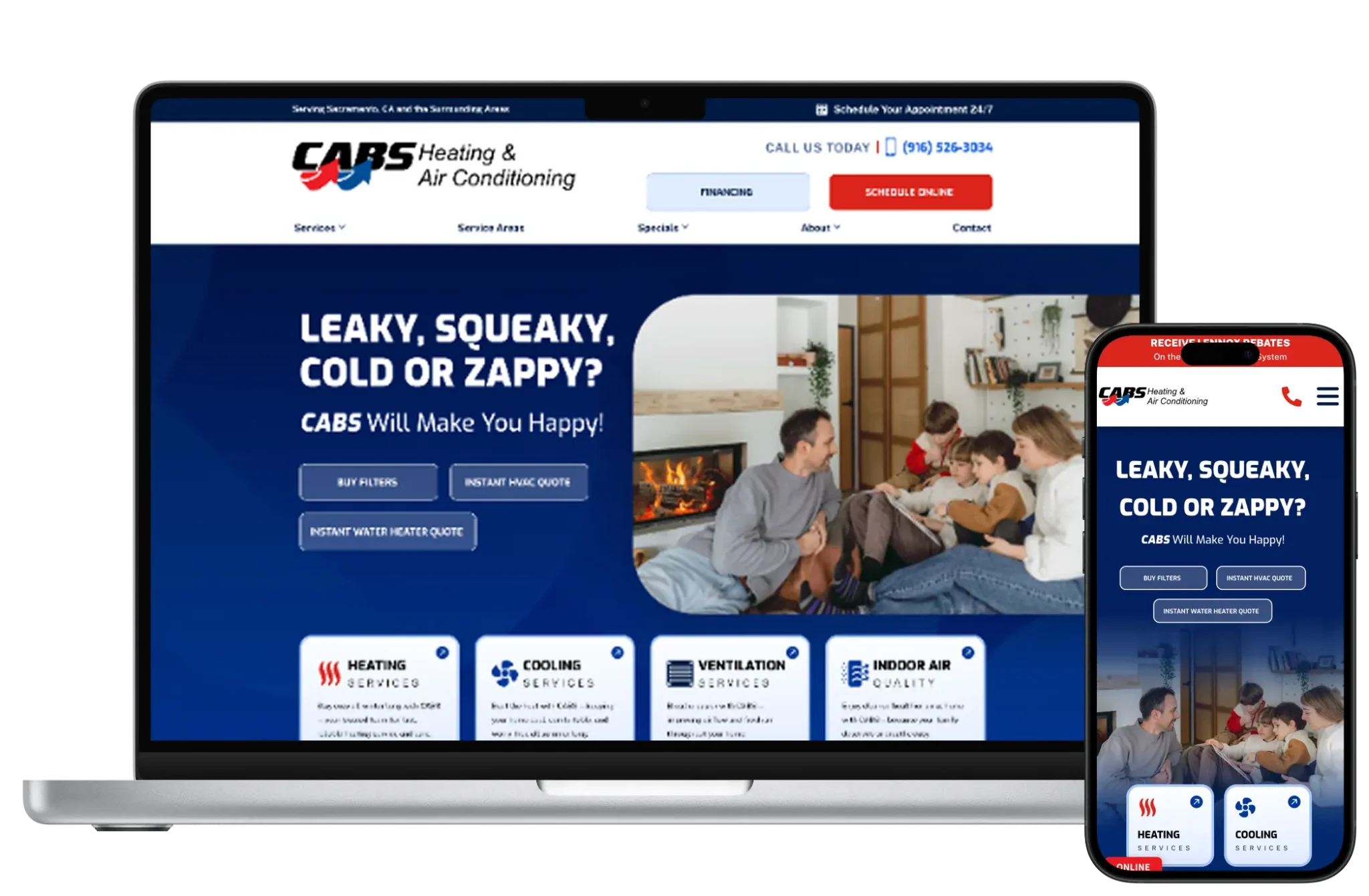
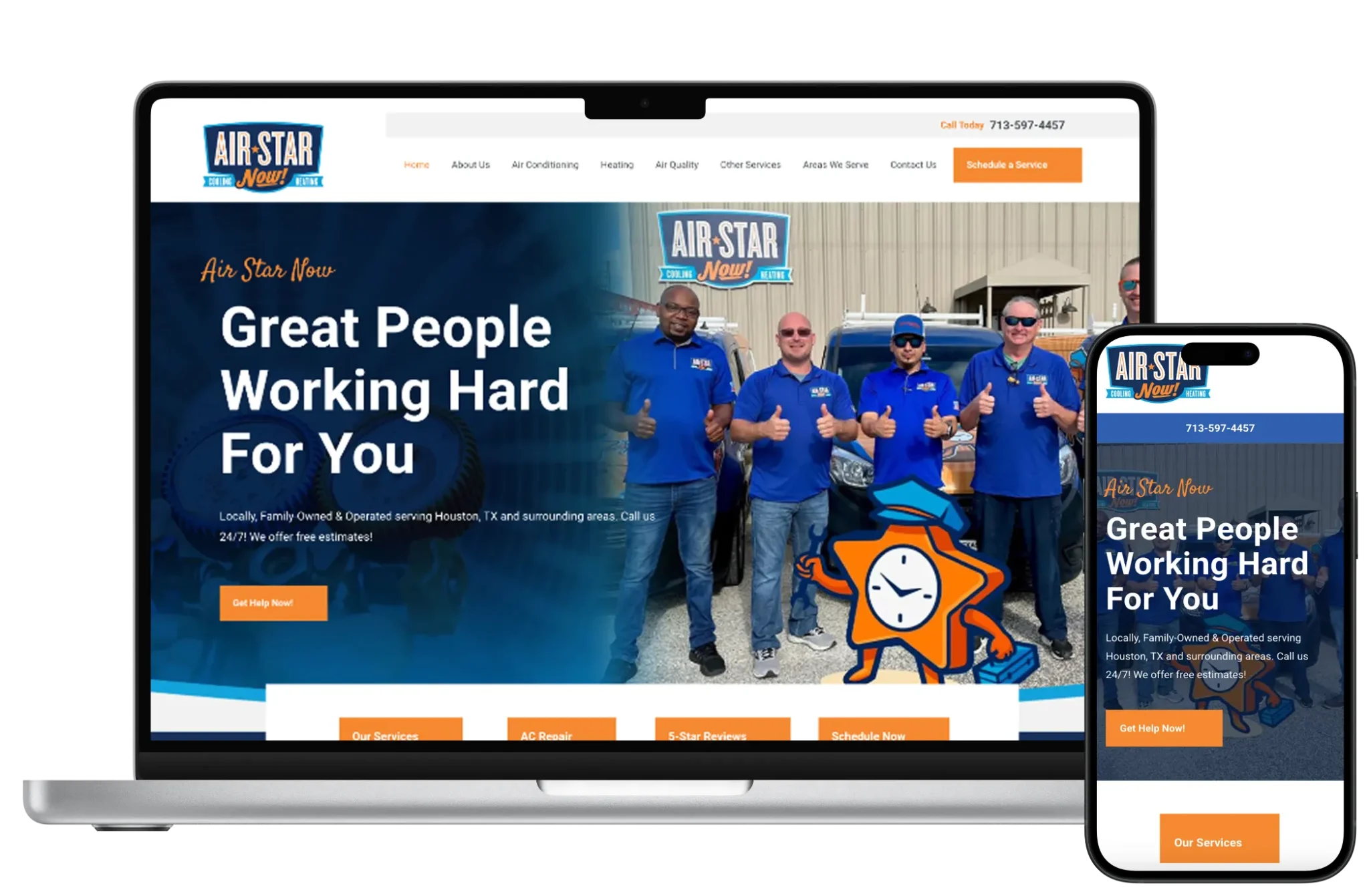
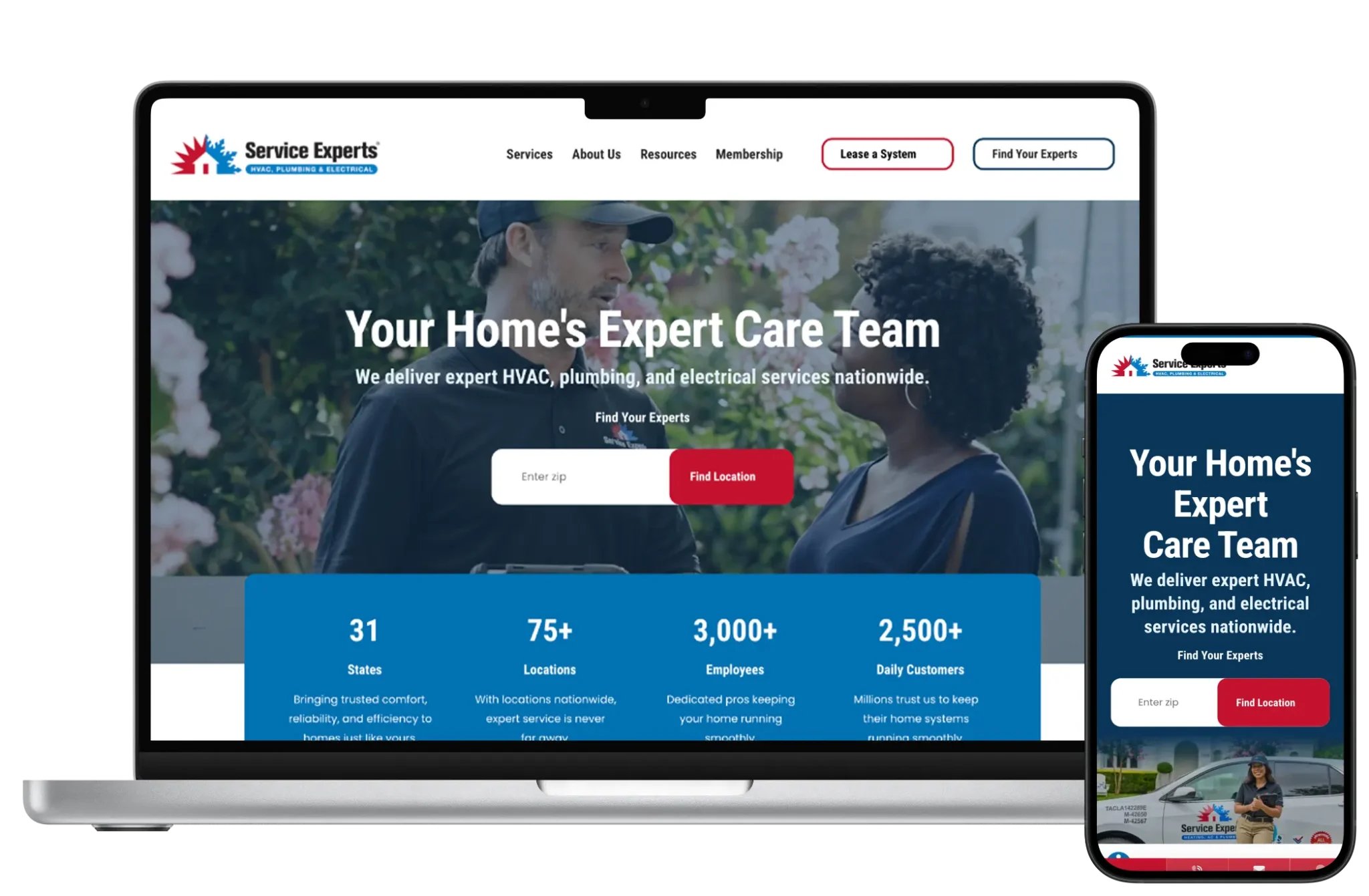
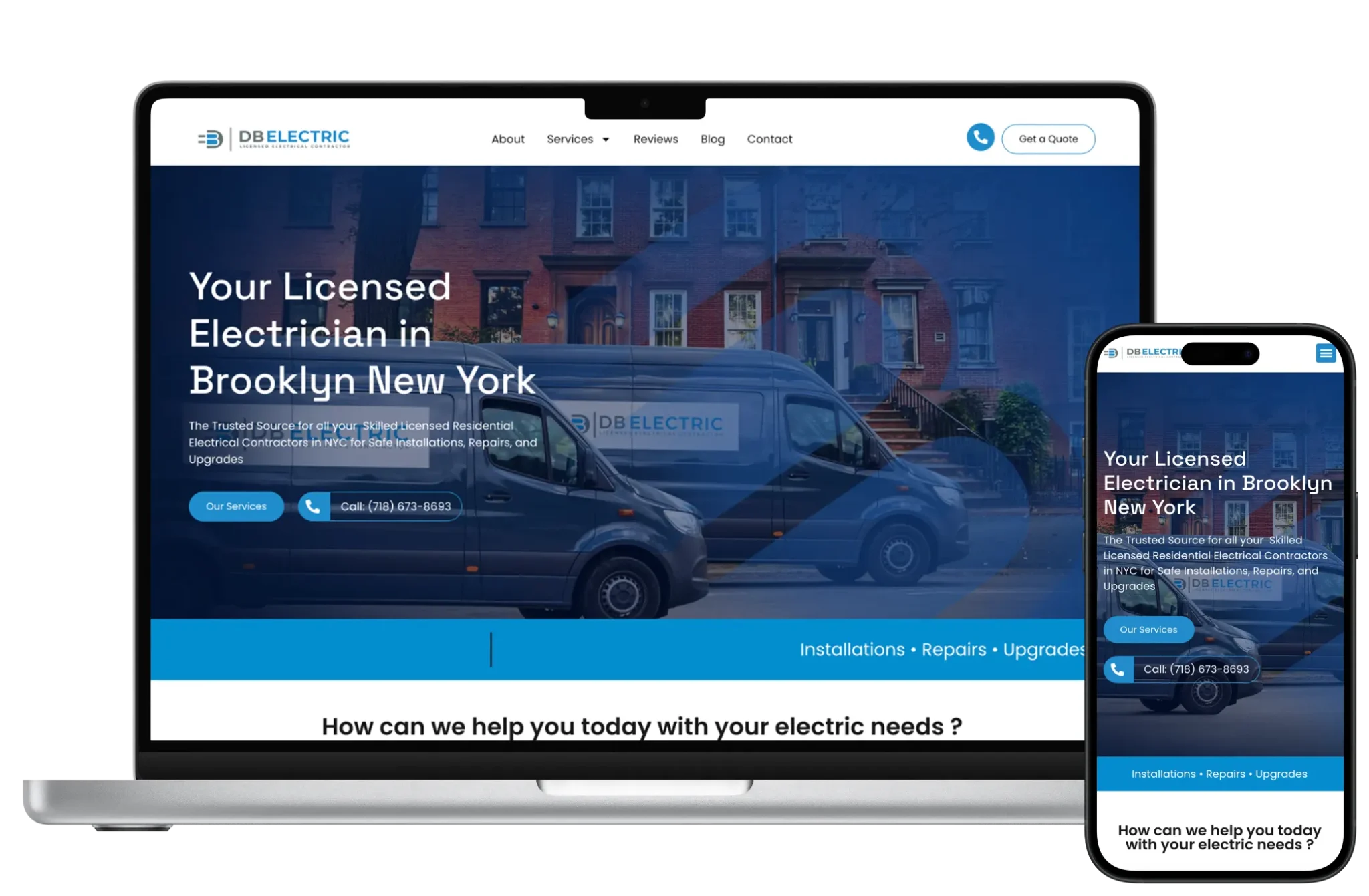




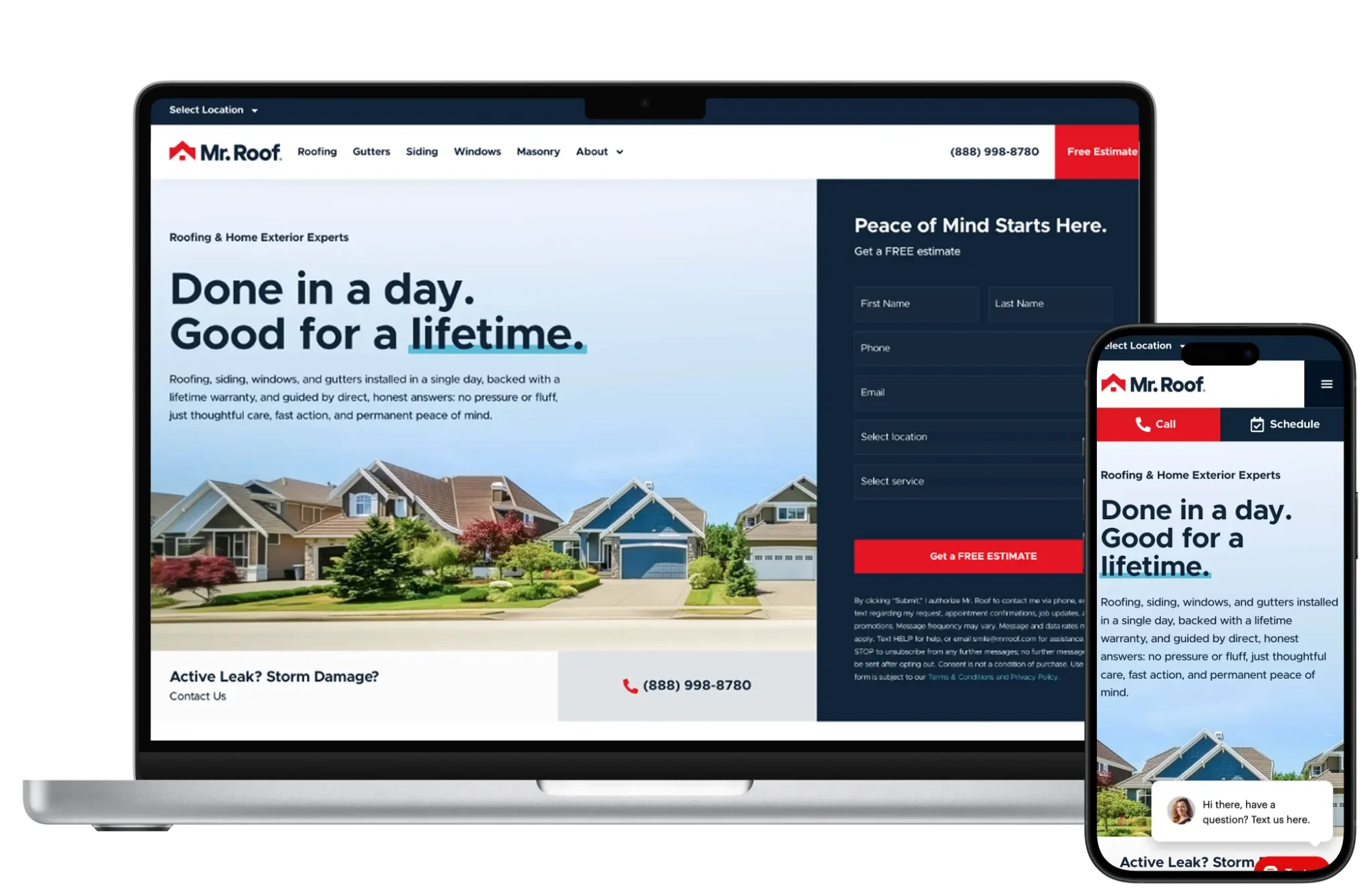




React design work produces component inventories: buttons, forms, cards-for-interaction, navigation states, and motion used sparingly for hierarchy. Marketing surfaces still follow brand-first, uncluttered compositions.
We design for real content states (empty, loading, error) — something static comps often skip and builders rarely model well.
Development emphasizes accessible components, sensible state management, testing where risk warrants, and integration with APIs or CMS content. Next.js is a common wrapper; not every React UI needs a full app shell.
We document props and usage so future engineers (including us on subscription) can extend without rewriting.

For marketing URLs, we prefer server-rendered or statically generated React (often via Next.js) so crawlers see content. Pure client-rendered SPAs are usually the wrong default for SEO-critical pages.
Component structure should preserve semantic HTML and heading order. No ranking guarantees.

Maintenance includes dependency updates, accessibility fixes, UI iteration, and performance budgets as features grow.
Subscription capacity keeps the component library aligned with brand and product changes instead of drifting into inconsistent one-offs.
Yearly plans that include design, development, maintenance and SEO foundations — without a large upfront project fee.
For small businesses that need a professional site without a large upfront build.
Best for local and service businesses ready to generate more leads every month.
For growing brands that need ongoing development, SEO and conversion work.
Large sites, complex integrations, multi-location brands and custom applications.
Hosting, CMS, and monitoring tools are separate vendor costs. React itself is open source.
66sites plans cover UI engineering, design-system implementation, maintenance, and SEO-aware front-end work. Interactive product UI usually lands on Pro or Enterprise with setup fees.
React quality shows up months later in accessibility, performance, and consistency. A subscription keeps a front-end lane open for iteration — not a freelancer disappearing after v1.
66sites connects React UI to the business site strategy: when to use it, when to embed it, and when a CMS page is enough.
Full notes for challenges, strategy and supporting pages — so the sections above stay scannable.
React fits product companies, SaaS marketing sites with interactive calculators/demos, design systems shared across web surfaces, and teams embedding rich UI into existing platforms.
It is unnecessary for many brochure service sites where WordPress, Webflow, or Shopify themes already convert. If nobody on the team can maintain JavaScript, React without a care plan becomes a liability.
Front-end security focuses on XSS hygiene, safe handling of user input, dependency audits, and correct auth token handling when talking to APIs.
Sensitive logic belongs on the server — React should not be treated as a security boundary.
Bundle size, hydration cost, and unnecessary client state are the usual React performance issues. We code-split and keep marketing routes thin.
Measure real templates; “React is fast” is not a strategy.
Adopting React often means rebuilding key interactive templates while leaving a CMS for content. Migrating off React SPAs to more static architectures can improve SEO when interaction was never needed.
We plan cutovers with redirects and parity checklists for critical flows.
Straight answers about scope, pricing, ownership and what a subscription includes for this page.
Often no. Use React when interaction or shared design-system code justifies it. Otherwise WordPress, Webflow, or Shopify may be simpler.
React is the UI library; Next.js is a common framework around it for routing and rendering. Many marketing/app hybrids use both.
Yes — headless WordPress or embedded interactive modules. We choose the integration style based on editing needs.
Not by default. SEO-critical pages usually need server rendering or static generation.
Yes — component libraries with documented usage, accessibility, and brand tokens.
We do under subscription care, with staged updates and regression checks on critical flows.
Through a CMS or structured content layer we set up. Raw React source is not a marketer tool.
UI fixes, feature slices, dependency care, performance work, and SEO-related front-end changes scoped to your plan.
React component systems with accessibility, performance budgets, and monthly engineering care.