

Challenges Software Companies face online
Version history and legacy products clutter navigation.IT buyer requirements (deployment, security) are hidden behind marketing slogans.Reseller or…
Read more →Software product & ISV websites
Software company websites must explain complex products to mixed audiences—end users, IT buyers, and sometimes resellers—without drowning them in feature lists. 66sites builds subscription sites that…

Software company websites must explain complex products to mixed audiences—end users, IT buyers, and sometimes resellers—without drowning them in feature lists. 66sites builds subscription sites that clarify who the software is for, how evaluation works, and where to download, trial, or request a demo.
Unlike pure SaaS PLG motions, many software businesses still ship licensed, on-prem, or hybrid models. We design journeys for those realities, develop resource and release hubs, and maintain SEO as versions and modules evolve.
We avoid fabricated download counts and award badges. Proof and packaging stay truthful.
Practical website, conversion and SEO work tailored to how your buyers actually decide.
Version history and legacy products clutter navigation.IT buyer requirements (deployment, security) are hidden behind marketing slogans.Reseller or…
Read more →
Separate product lines cleanly and give each a coherent evaluation path. Legacy products can live in archives without confusing new buyers.Build…
Read more →
Products / solutions. Entry points for each major offering.Features & modules. Depth for evaluators without homepage overload.Pricing / licensing…
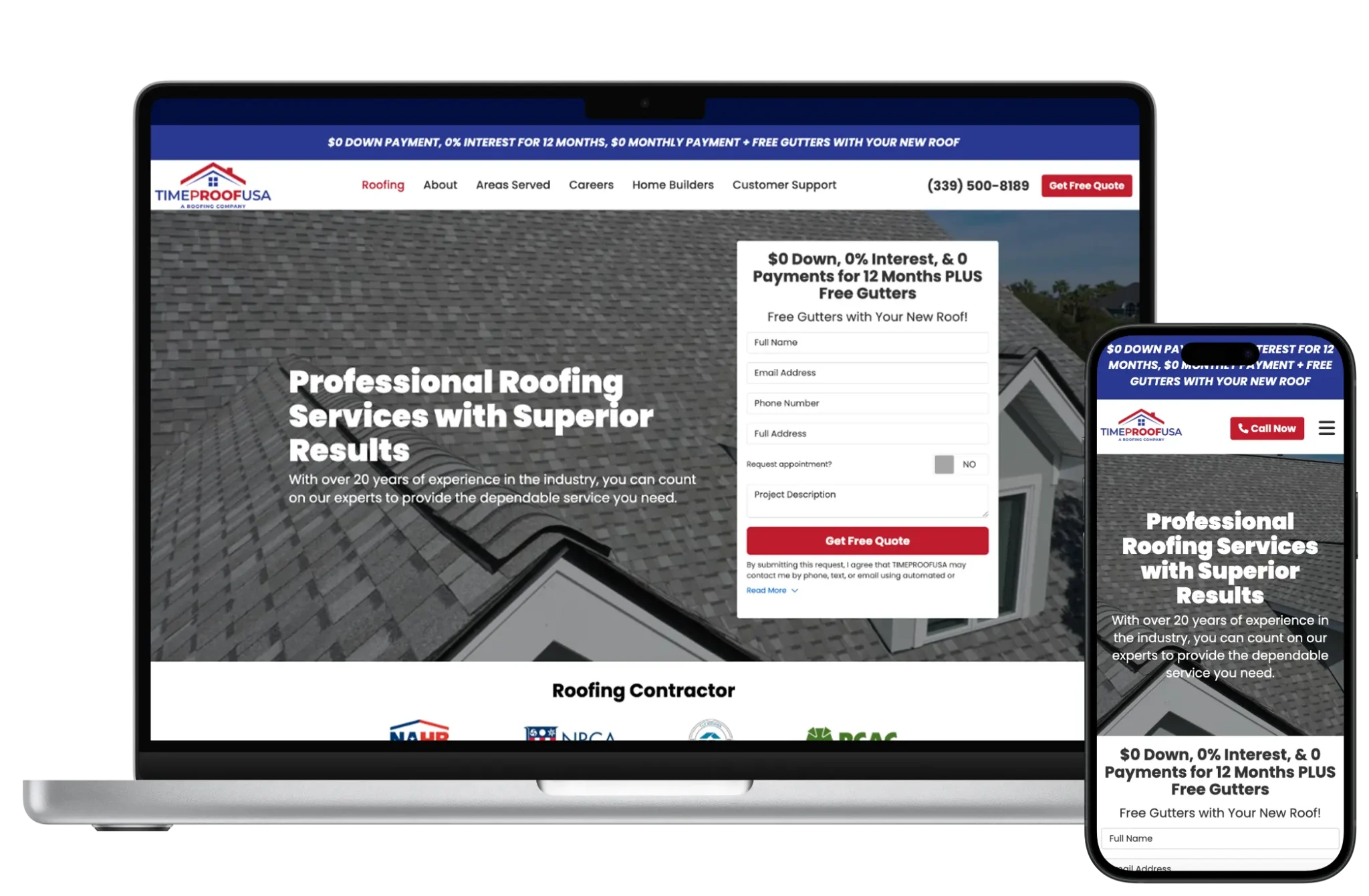
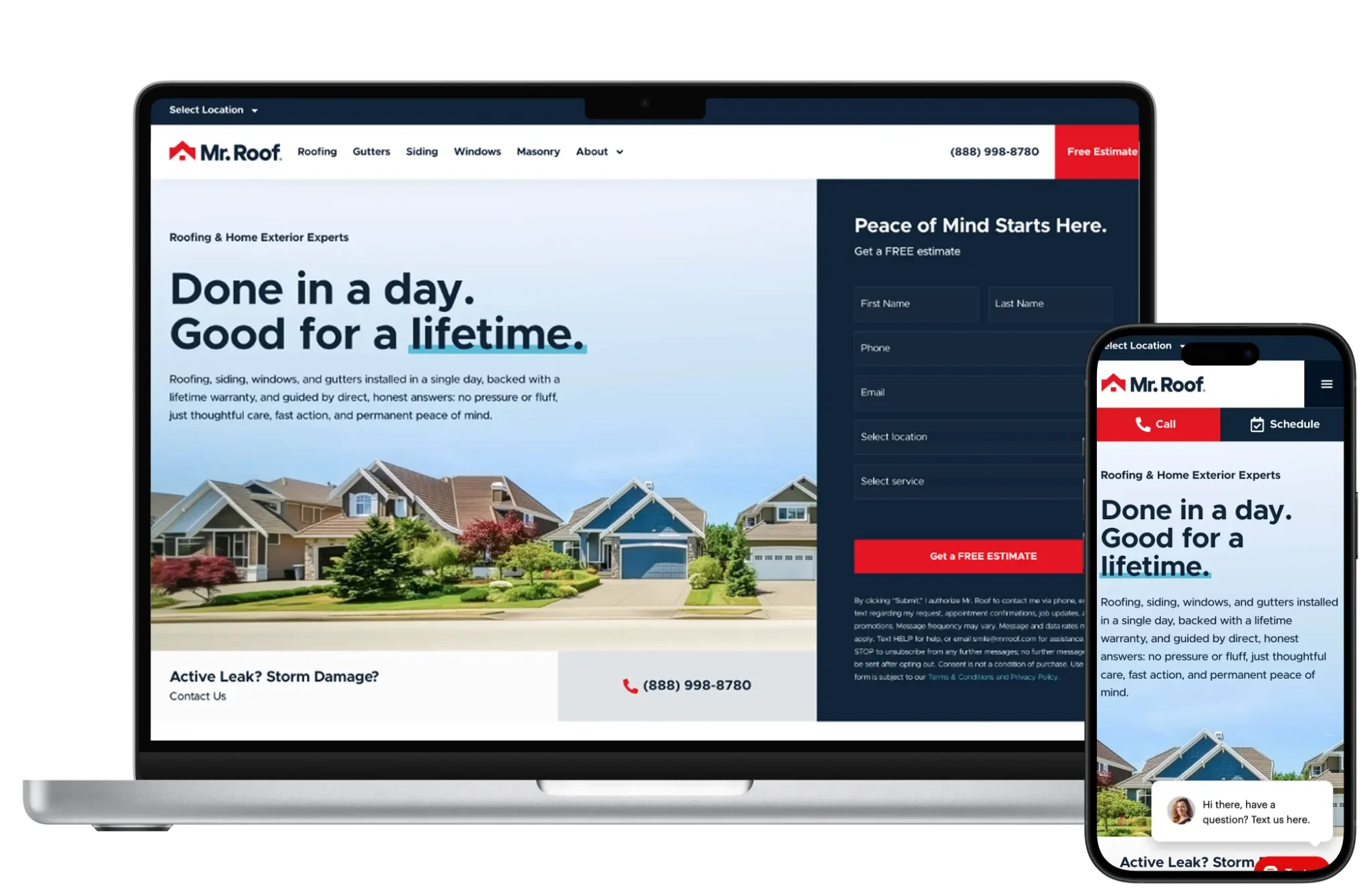
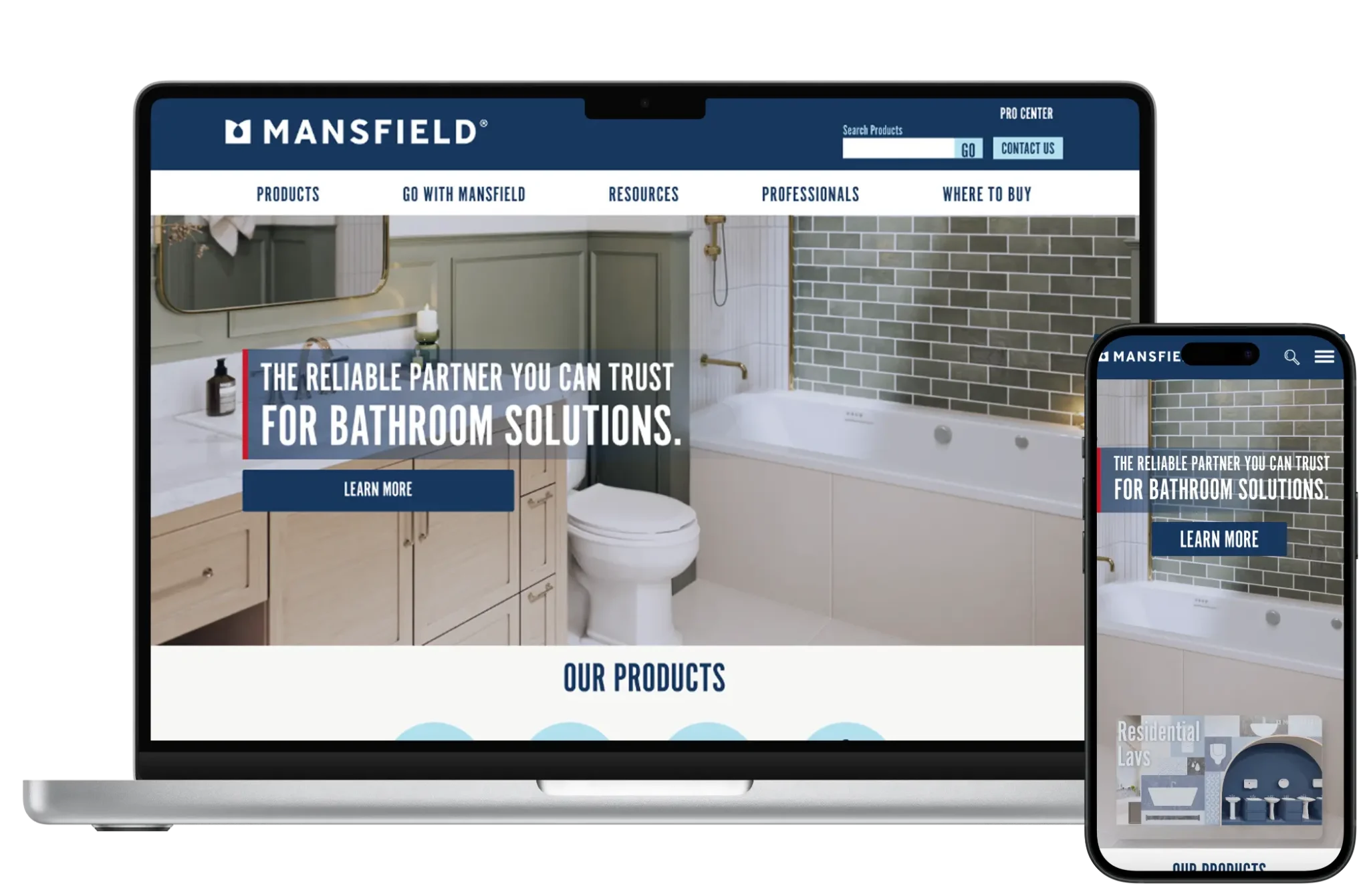
Read more →A look at website designs and layouts we build for service businesses — mockups and project types, not fabricated client claims.

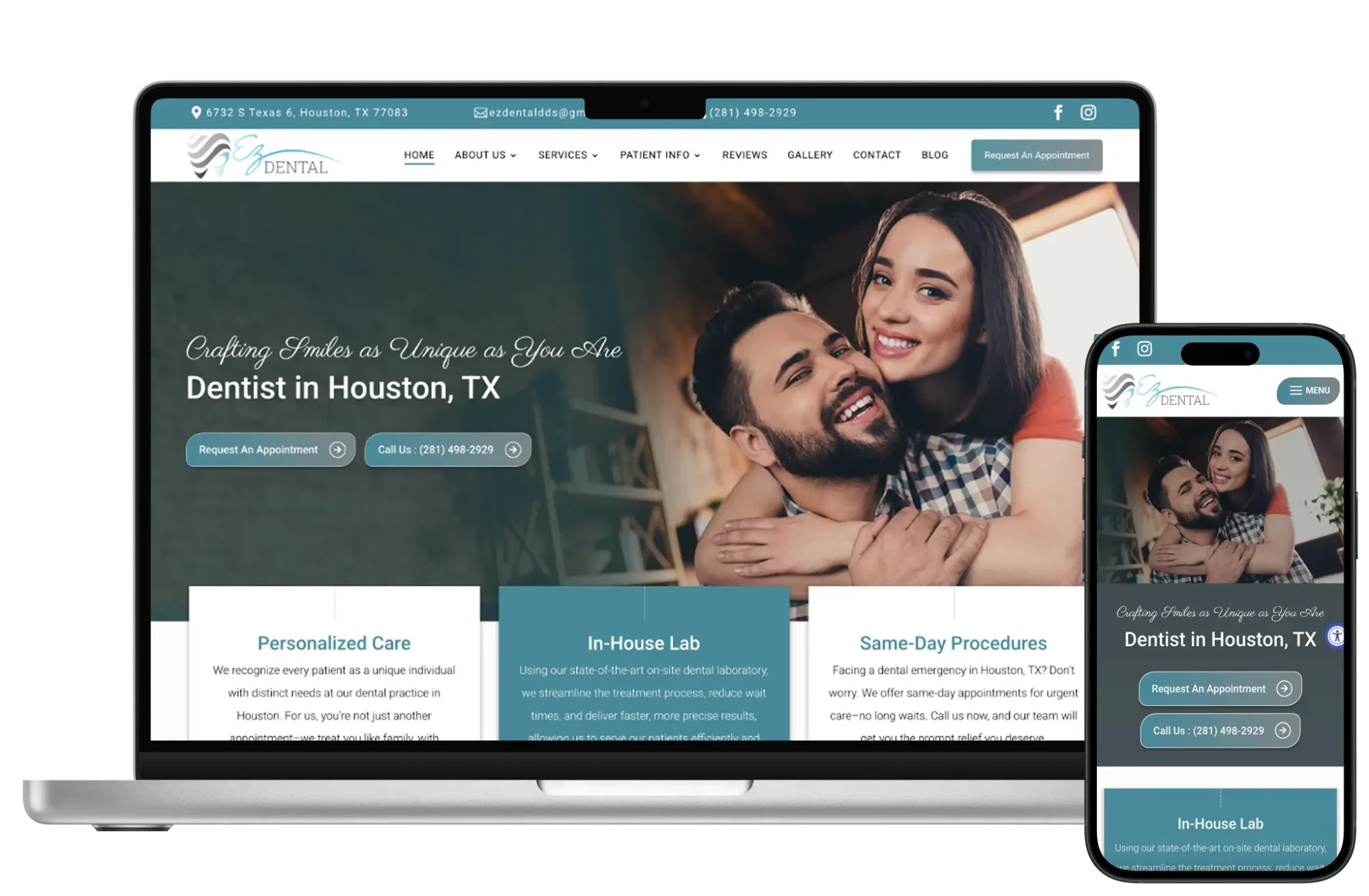
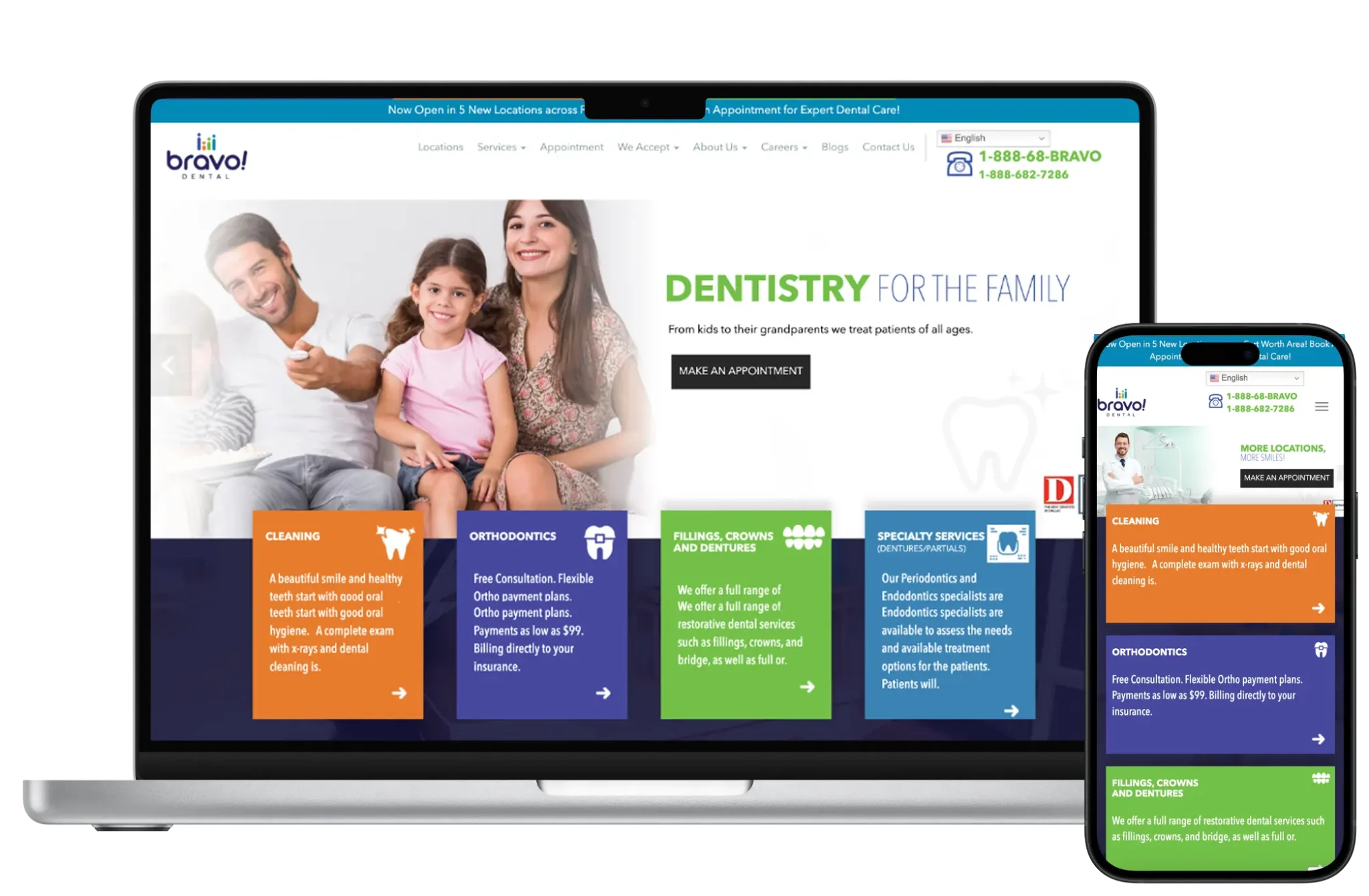
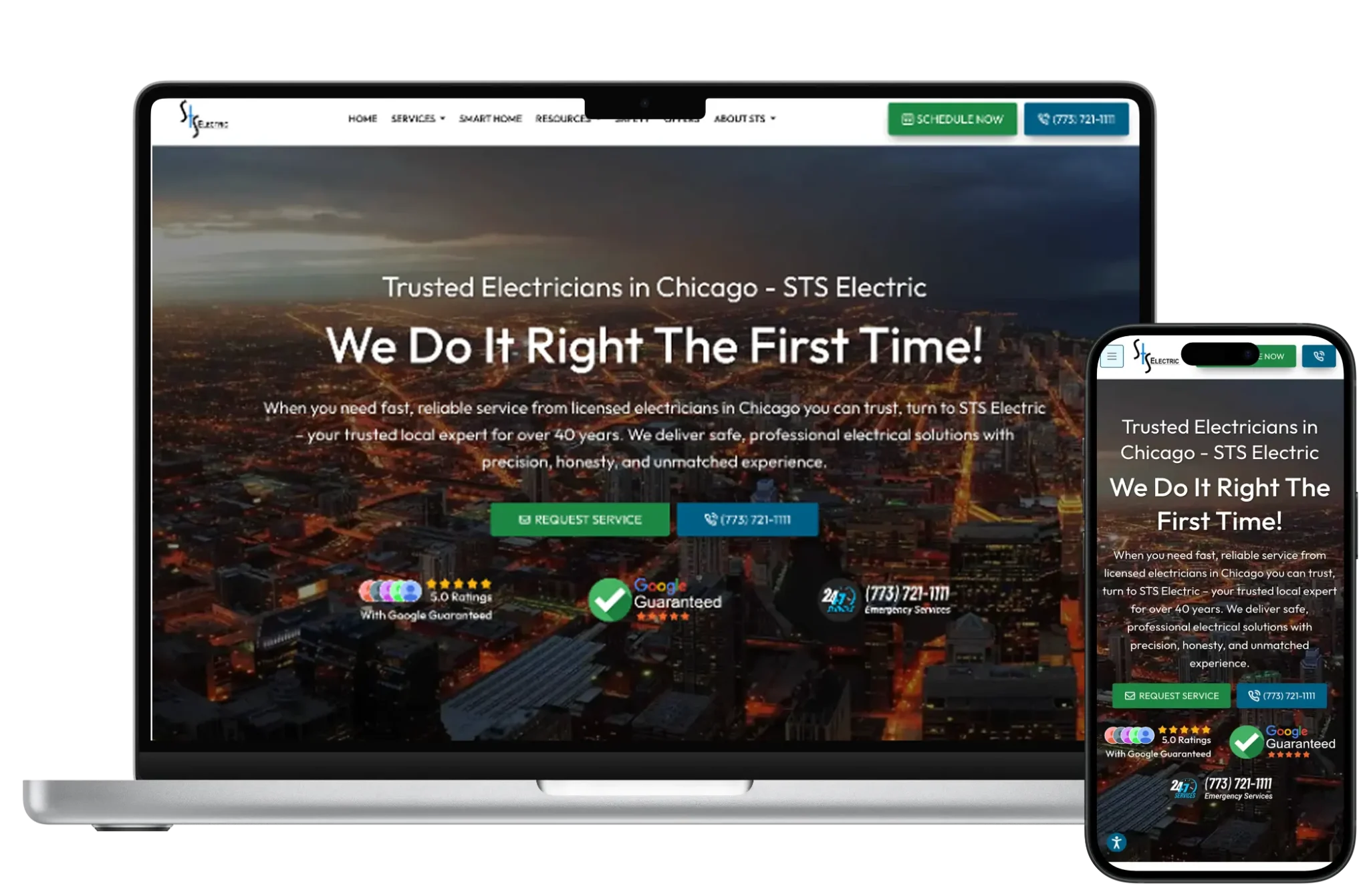
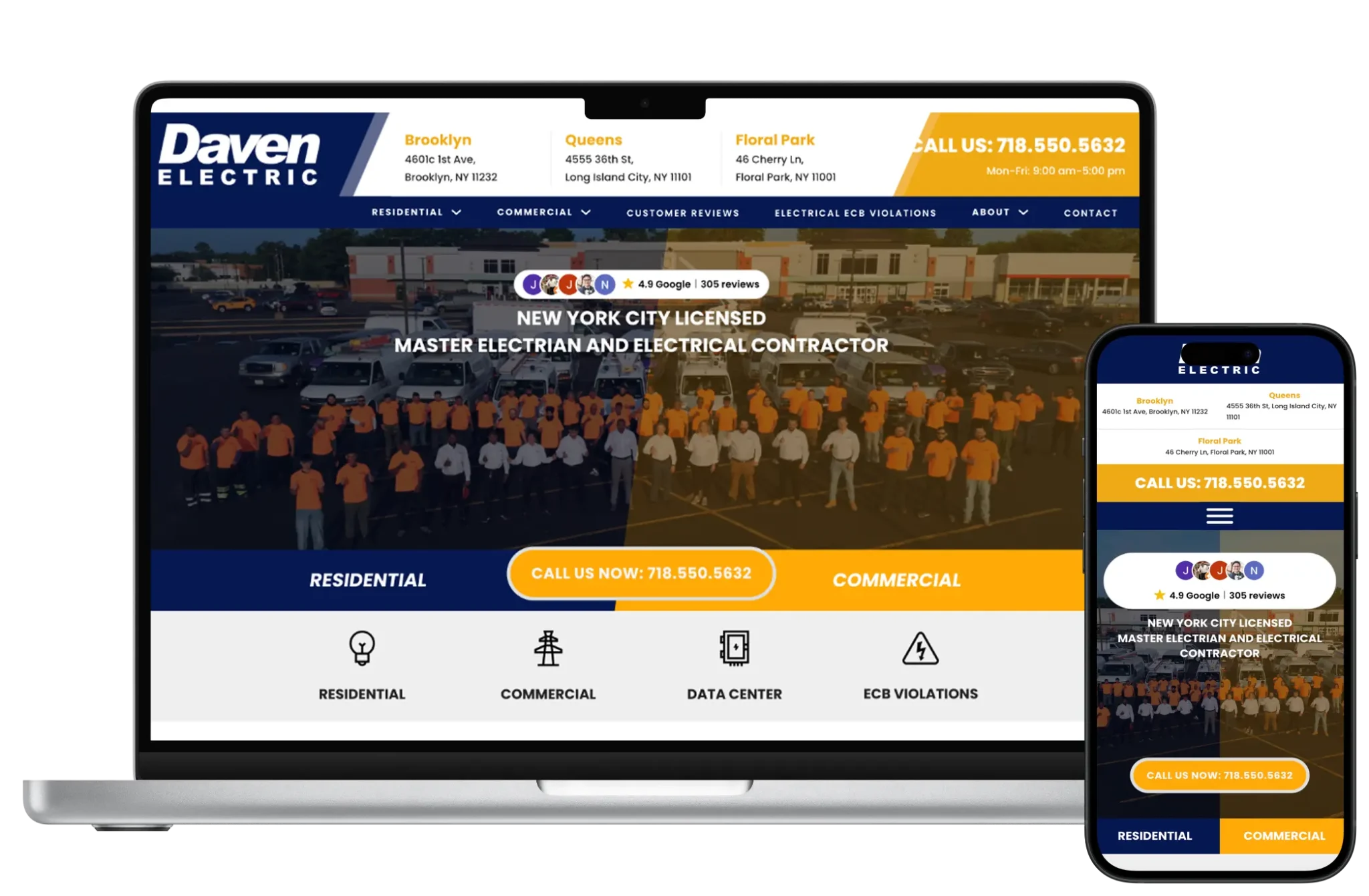
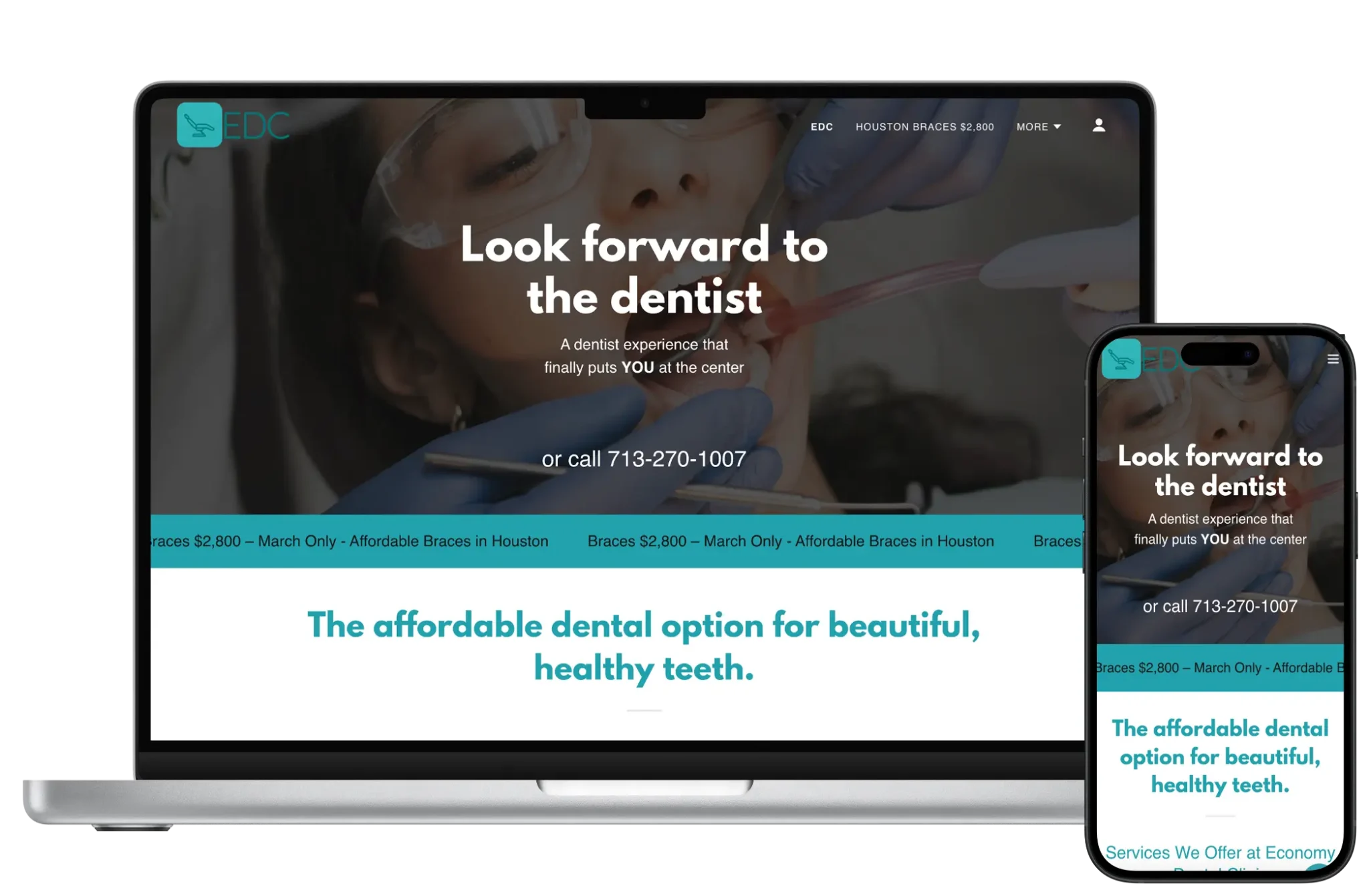
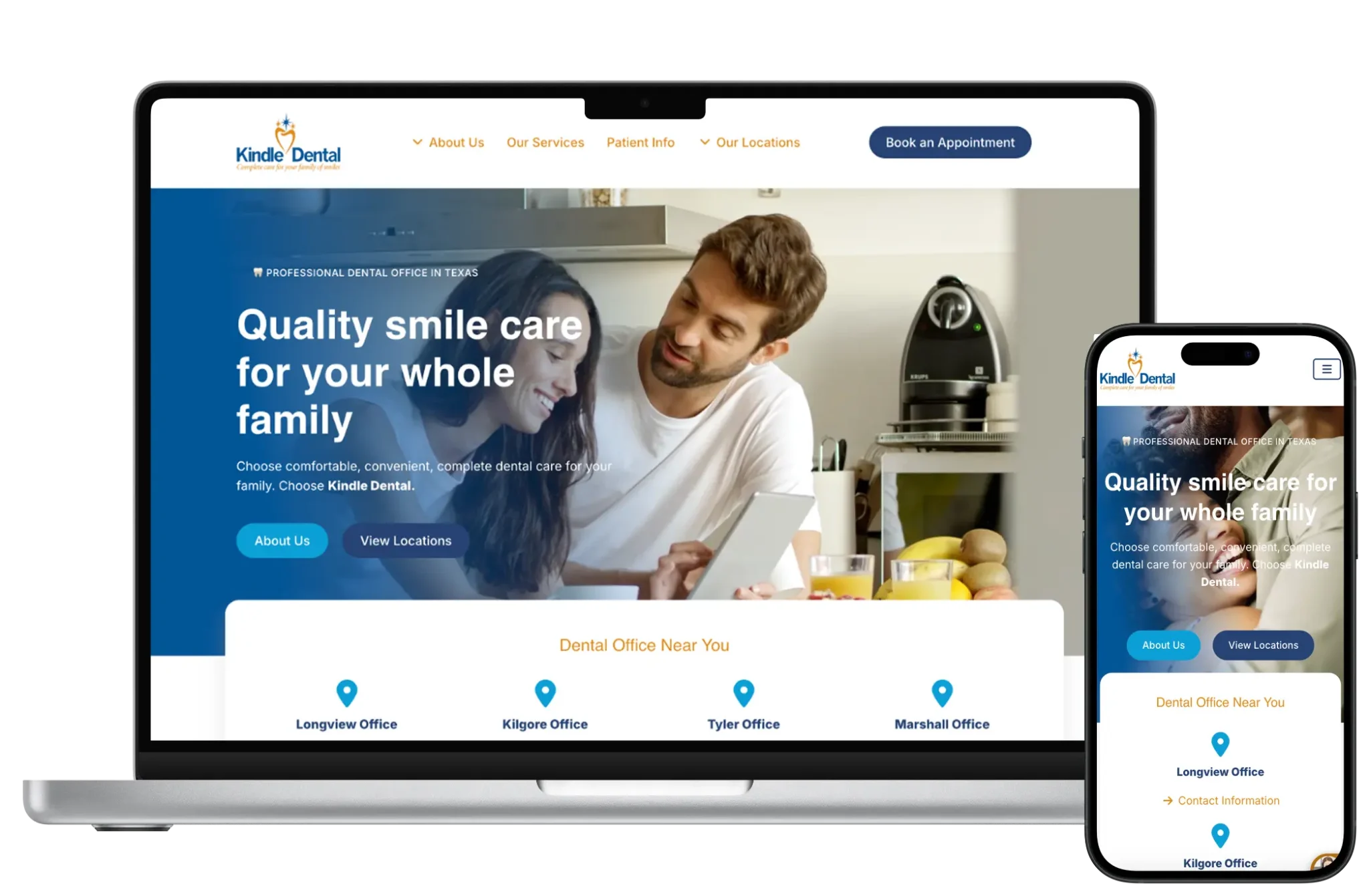

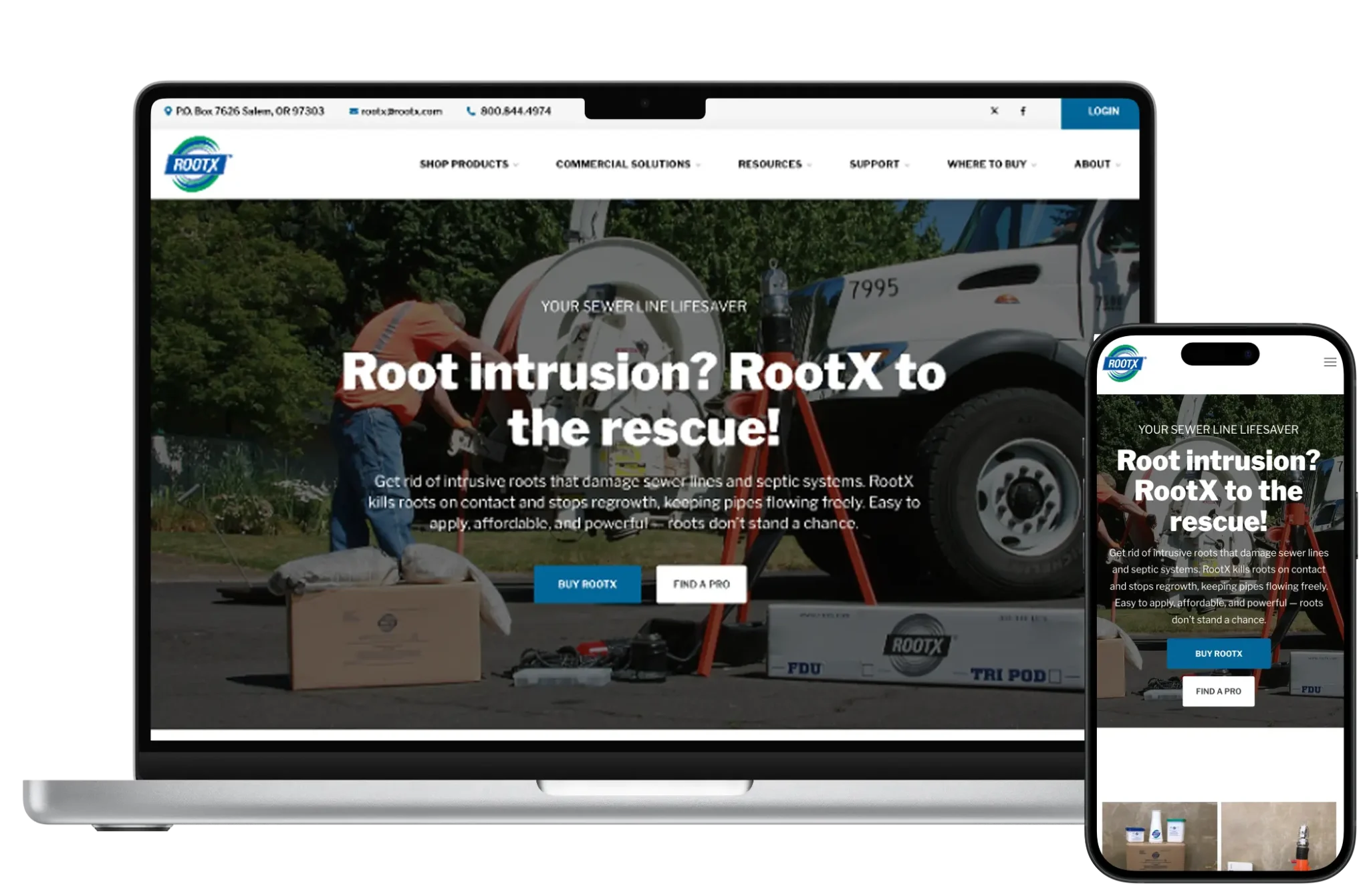
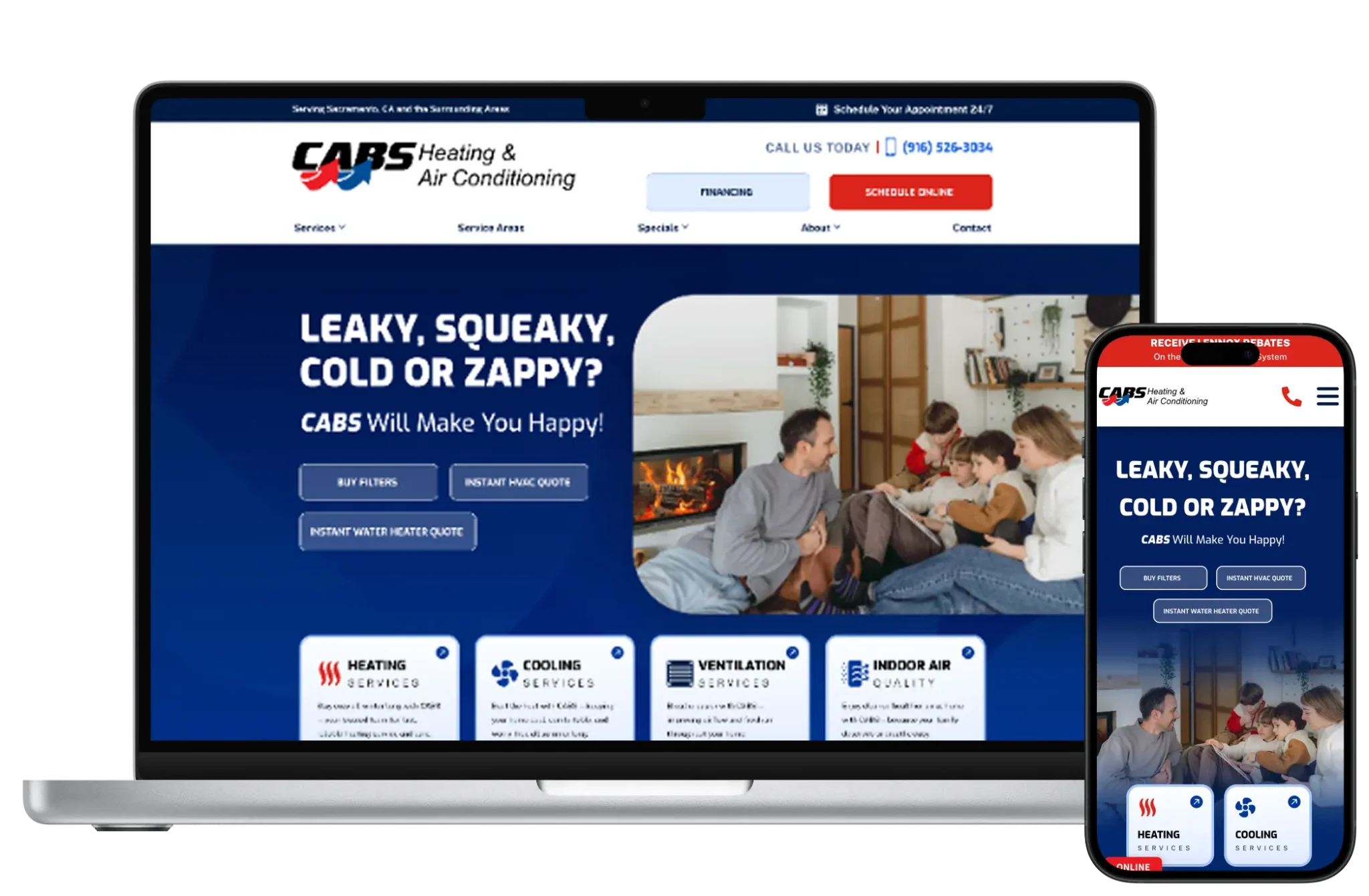

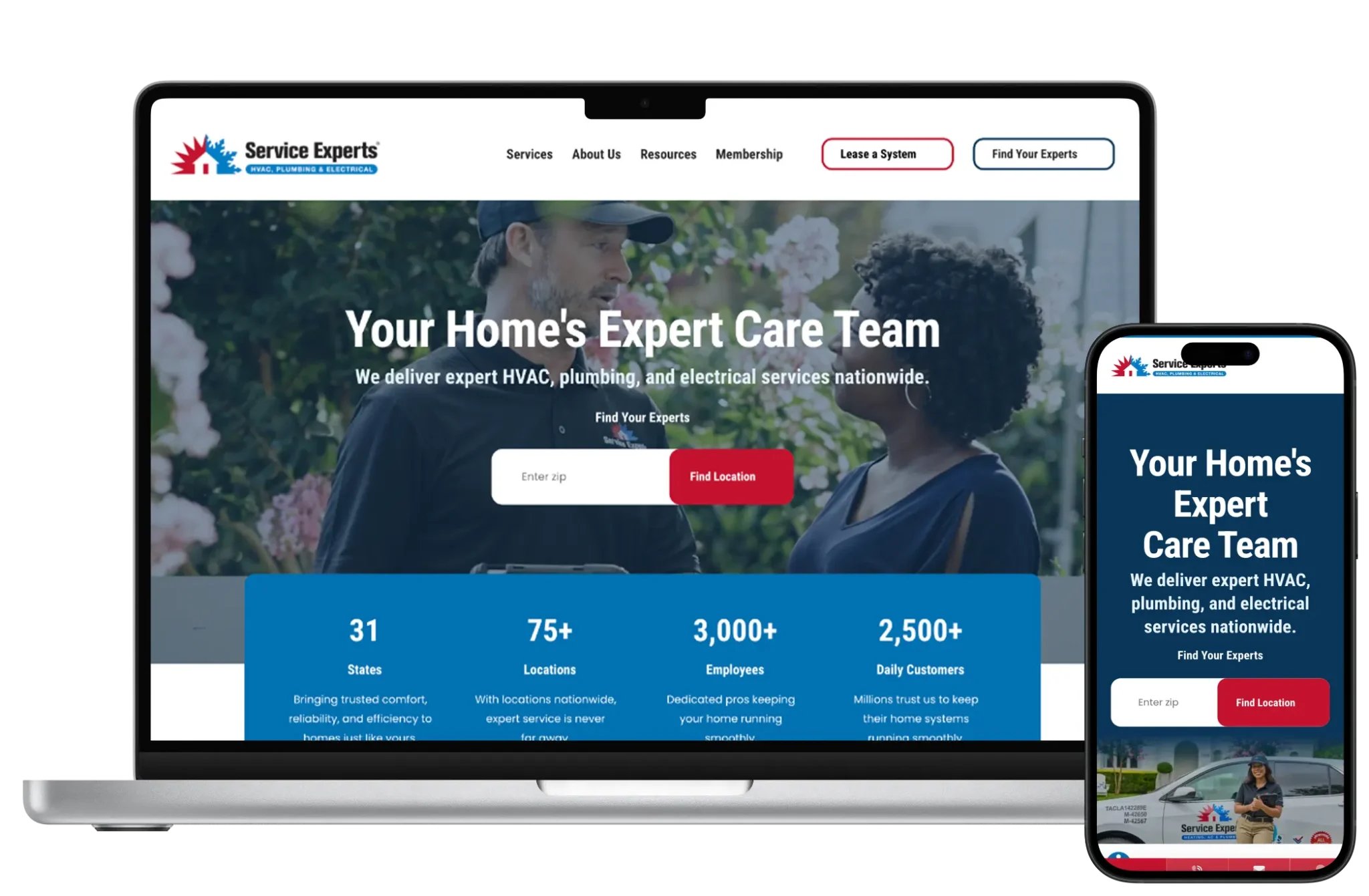
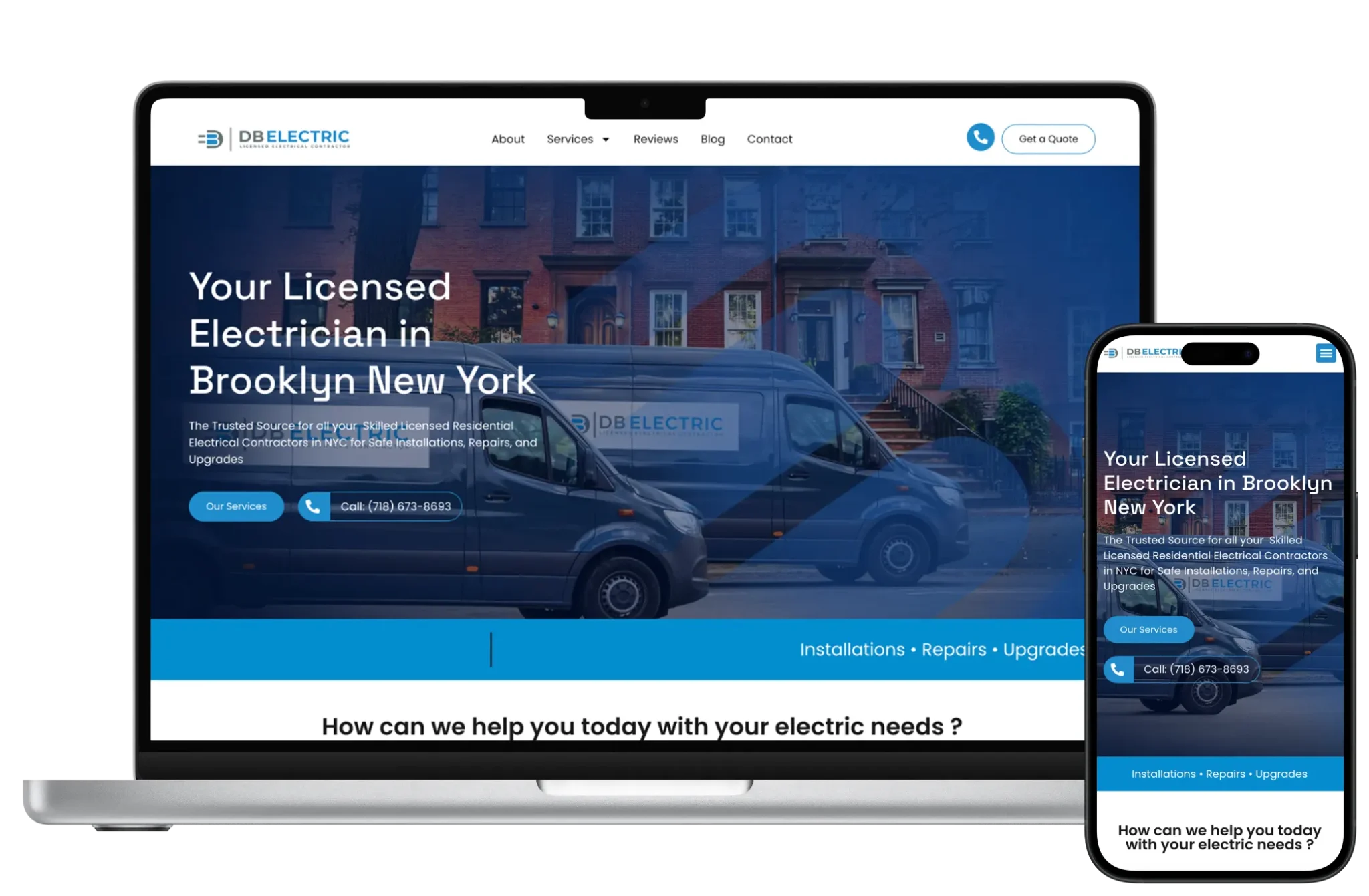

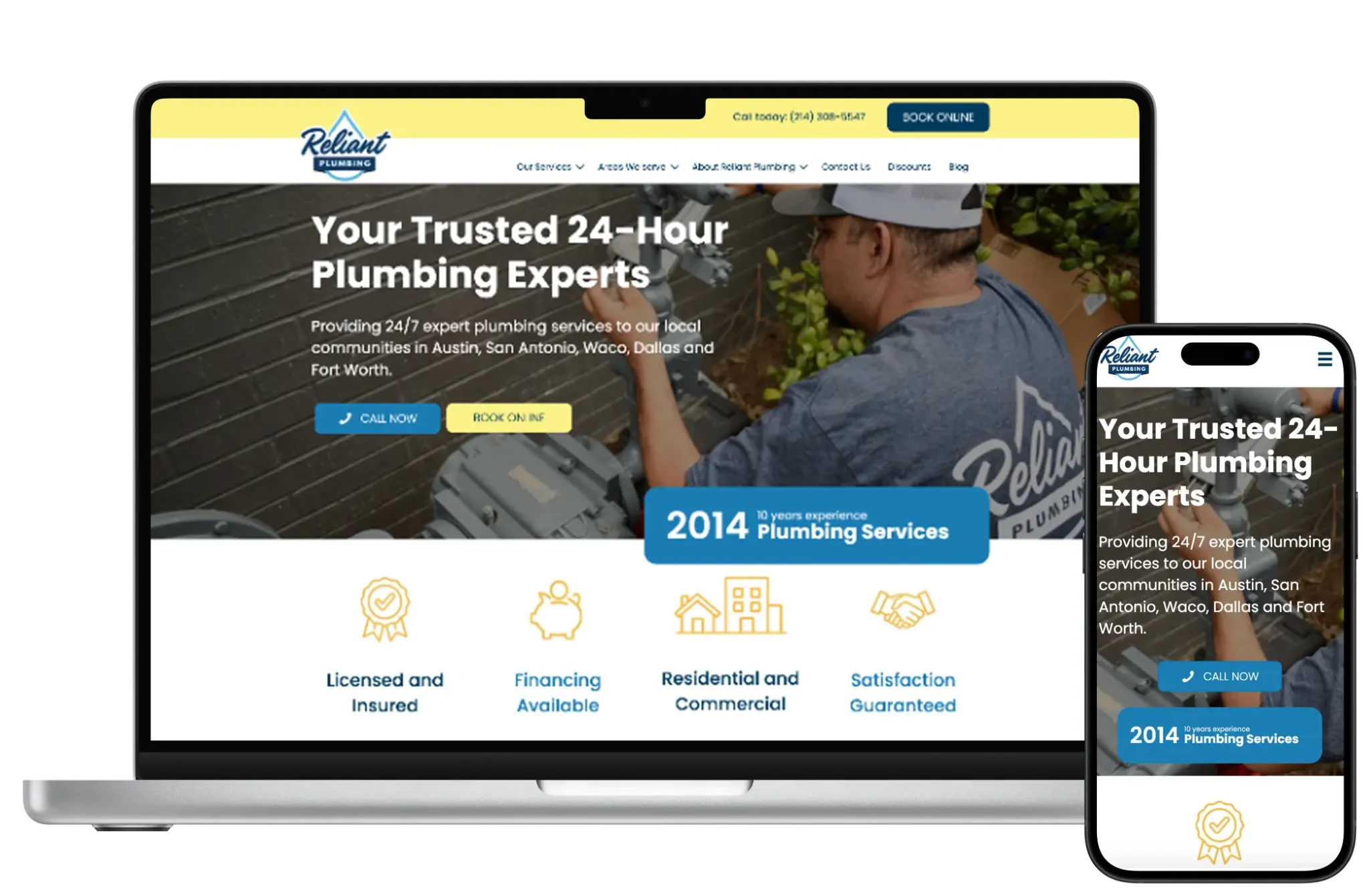
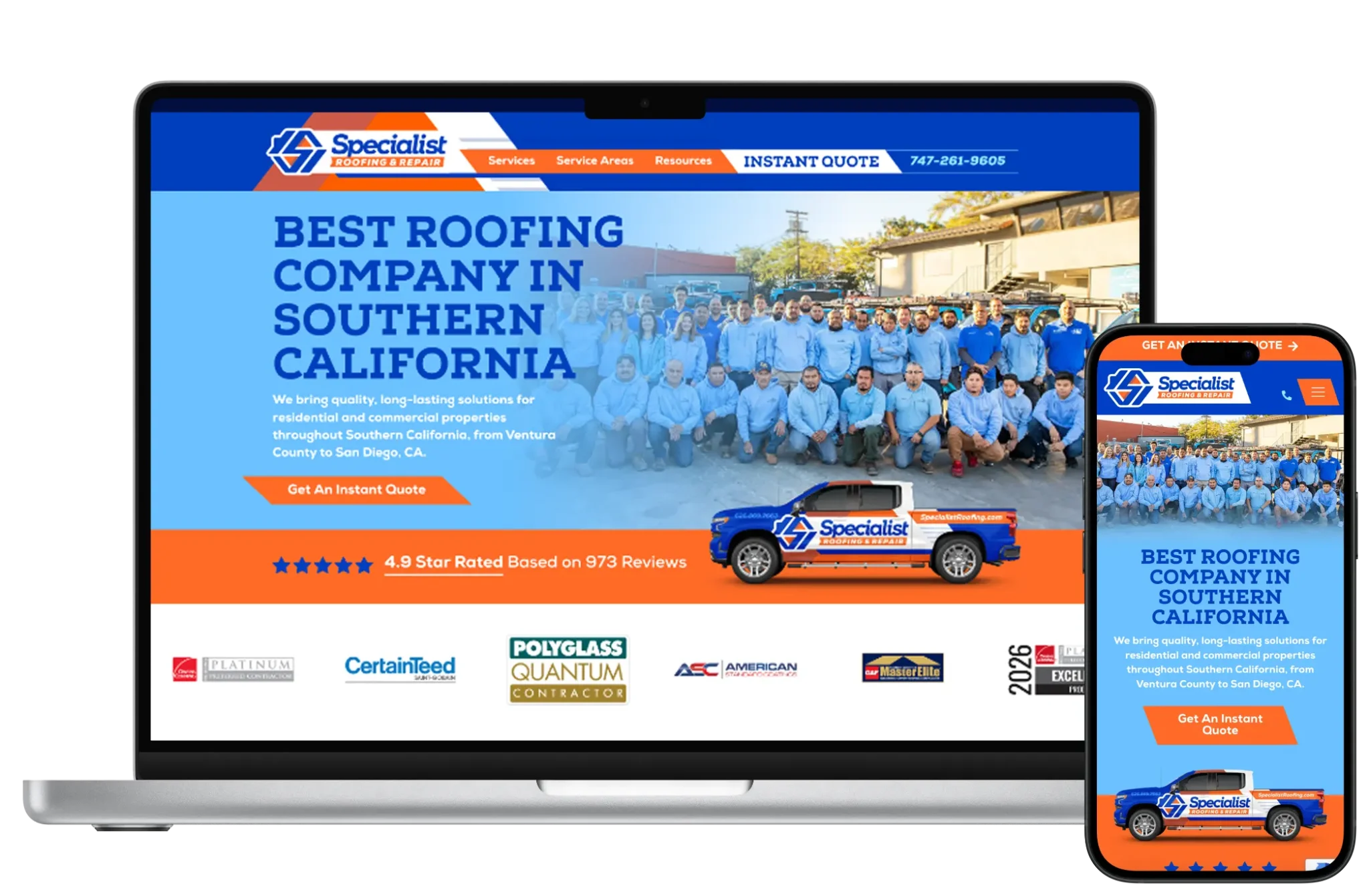



Keep lines distinct with shared design systems.
Download, trial, or demo CTAs matched to each product.
Channel journeys without cluttering end-user UX.
Turn version updates into maintainable SEO assets.
Deployment diagrams and policy modules you approve.
Keep modules, screenshots, and SEO tasks current.

Choose primary activation per product line and measure it. Mixed CTAs without hierarchy reduce clarity.
Capture use case and company size on demo forms; keep download gates light when appropriate.
Support deep links should never look like sales forms.

Target product, alternative, and problem queries with unique pages.
Technical SEO includes careful handling of downloadable assets and documentation sections.
Release notes and guides can rank when written for humans, not only engineers.
We connect SEO work to technical SEO, on-page SEO, and — when local demand matters — local SEO. We do not promise specific rankings.
Typical tools and workflows we plan around for Software Companies:
Platform choice often lands on WordPress for service businesses, or Shopify / WooCommerce when commerce is central.

Yearly plans that include design, development, maintenance and SEO foundations — without a large upfront project fee.
For small businesses that need a professional site without a large upfront build.
Best for local and service businesses ready to generate more leads every month.
For growing brands that need ongoing development, SEO and conversion work.
Large sites, complex integrations, multi-location brands and custom applications.
Most lead-focused Software Companies engagements fit Growth ($299/year) when local/organic acquisition matters. Simpler brochure sites may fit Starter ($199/year). Multi-location, custom integrations, or heavier development fit Pro ($399/year) or Enterprise.
Setup fees may apply for redesigns, migrations, or large content builds — always disclosed before kickoff. See transparent subscription pricing and how website subscriptions work.
Full notes for challenges, strategy and supporting pages — so the sections above stay scannable.
Separate product lines cleanly and give each a coherent evaluation path. Legacy products can live in archives without confusing new buyers.
Build trust pages for deployment models, security, and support policies that IT stakeholders expect.
Use release and resource content as an SEO engine tied to real product language—not generic tech blogging.
Docs serve users; marketing sites serve evaluation and SEO for new demand. Both should connect cleanly.
End customers still research vendors. A clear site supports partner credibility and inbound referrals.
No. We improve discovery and activation UX without volume guarantees.
Straight answers about scope, pricing, ownership and what a subscription includes for this page.
Yes—with IA that prevents cannibalization and keeps activation CTAs clear.
Yes, including version organization and gated or ungated assets as you prefer.
Archive patterns keep them findable for existing customers without dominating new-buyer journeys.
Yes—separate forms and pages for reseller or integrator applications.
Overlaps exist, but licensing, deployment, and download motions often need different templates than pure cloud PLG.
We can help structure public release communication. Engineering accuracy remains yours to approve.
Depends on editorial and engineering preferences—WordPress, Webflow, or modern JS frameworks are all viable.
Versions, screenshots, and packaging change constantly. Monthly care prevents drift.
No. Only recognitions you can substantiate.
Subscription websites for software companies—honest proof, clear downloads/demos, and ongoing SEO.