
Problems this service solves
Theme demos that look great until your real copy and photos land.Inconsistent spacing and type because every page was designed ad hoc.Brand…
Read more →WordPress Web Design
WordPress web design focuses on how your brand expresses itself inside WordPress constraints and strengths: patterns, templates, editor previews and component consistency across service and content pages.
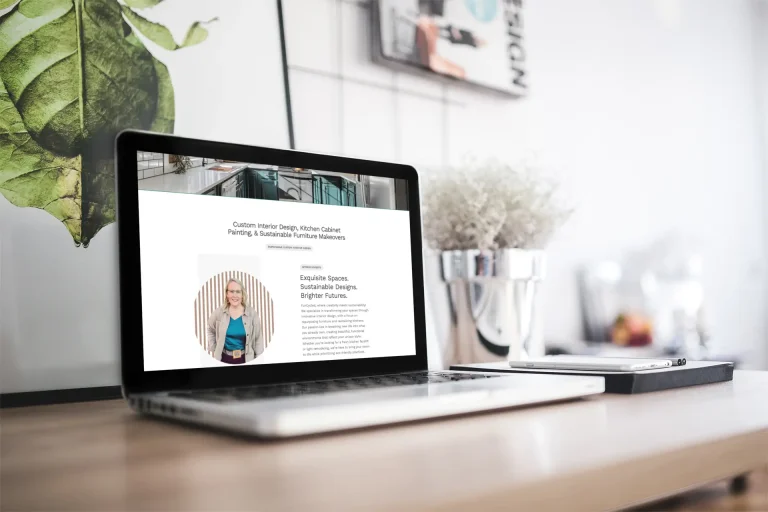
WordPress web design focuses on how your brand expresses itself inside WordPress constraints and strengths: patterns, templates, editor previews and component consistency across service and content pages.
Generic theme skins are easy to spot — mismatched fonts, leftover demo sections and “about us” layouts that never fit a real firm. We design WordPress experiences that feel intentional while remaining editable.
Design work is paired with WordPress development and subscription care so the visual system survives plugin updates, new landing pages and content growth.
Practical website, conversion and SEO work tailored to how your buyers actually decide.
Theme demos that look great until your real copy and photos land.Inconsistent spacing and type because every page was designed ad hoc.Brand…
Read more →
We design a WordPress-native component library: hero variants, proof rows, pricing tables, FAQ accordions, CTA bands and card patterns that map…
Read more →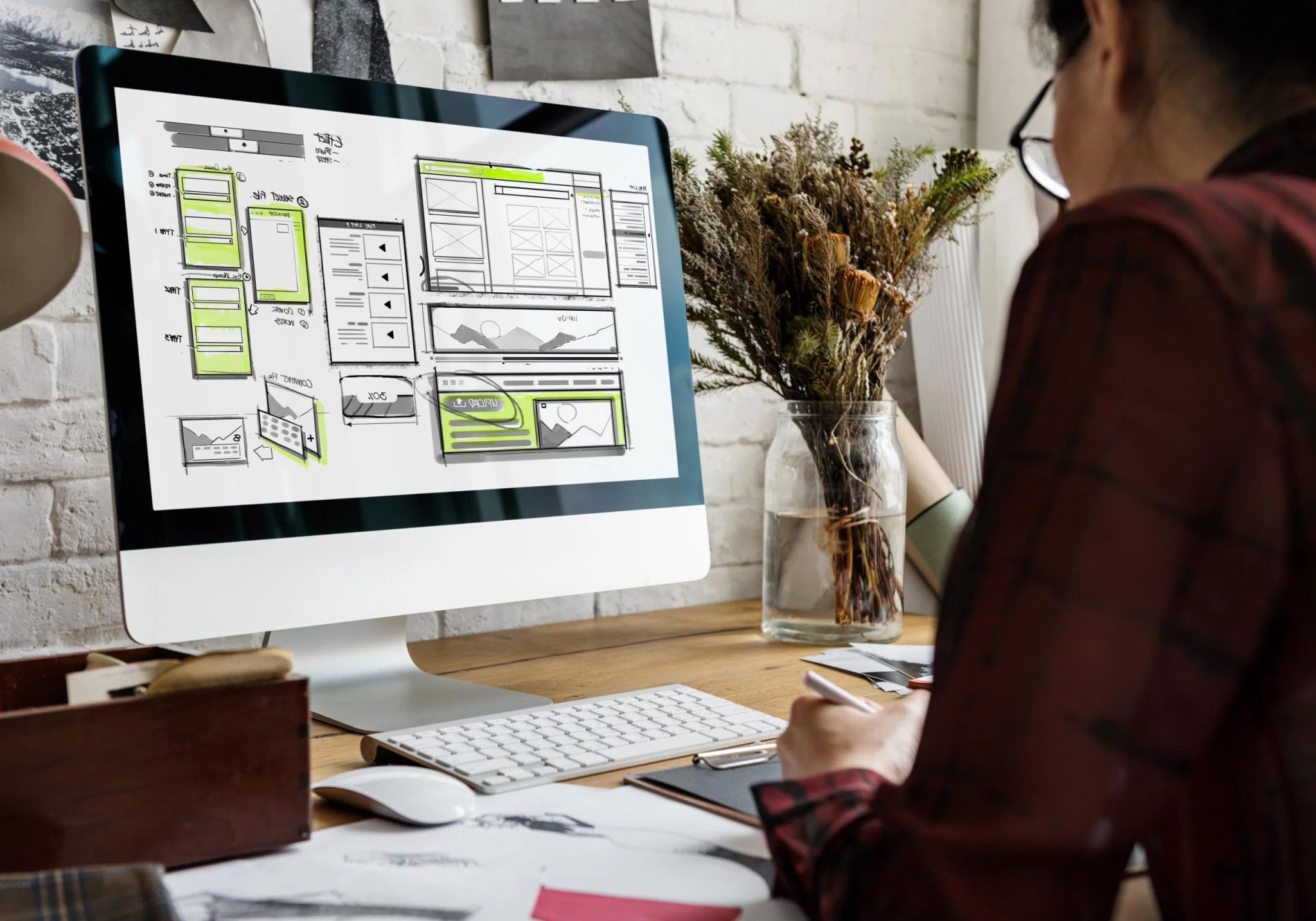
Brand-to-web translationType, color, imagery rules adapted for WordPress UI states.WordPress template designsHome, service, about, resource and…
Read more →A look at website designs and layouts we build for service businesses — mockups and project types, not fabricated client claims.
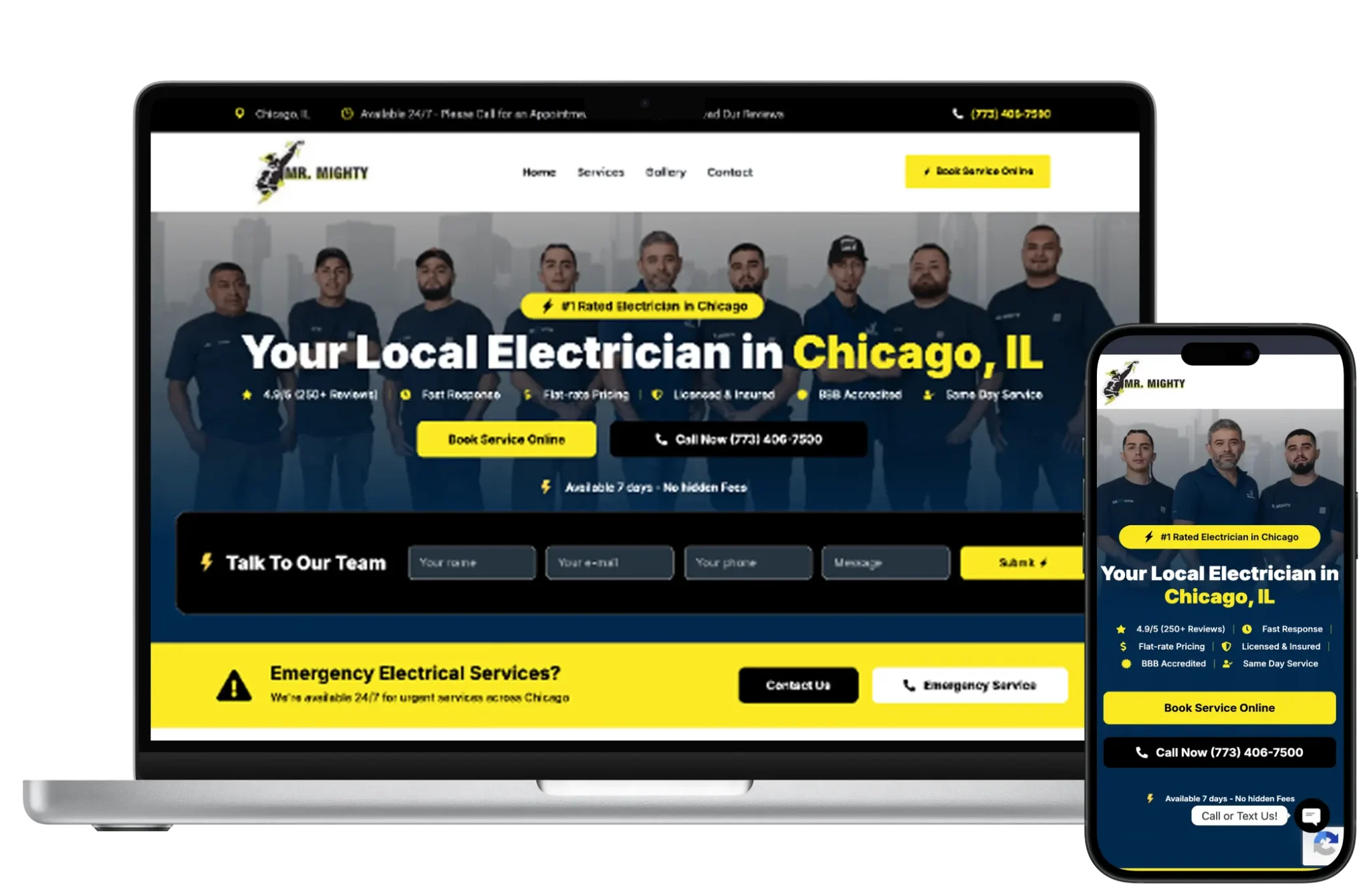
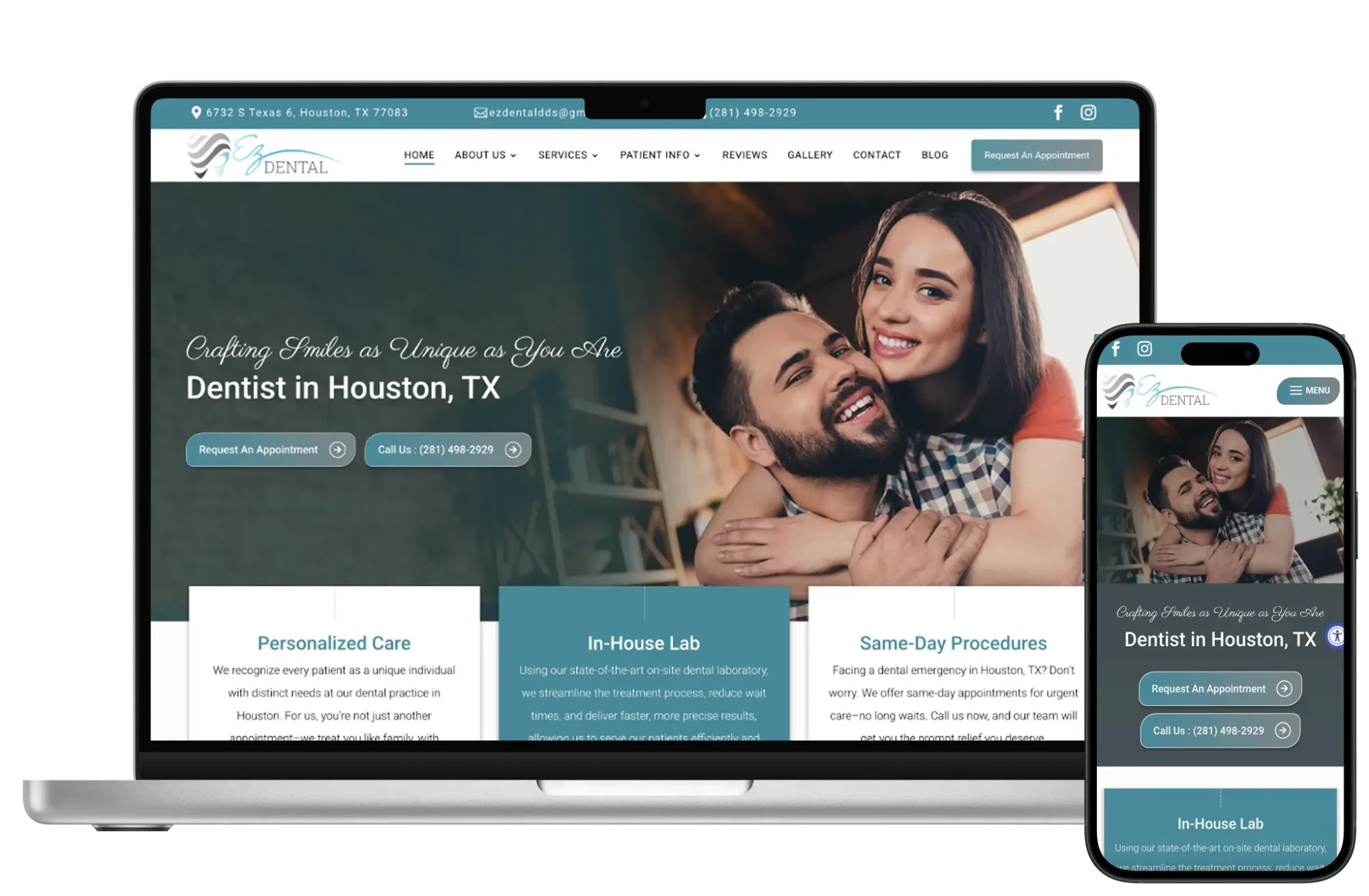
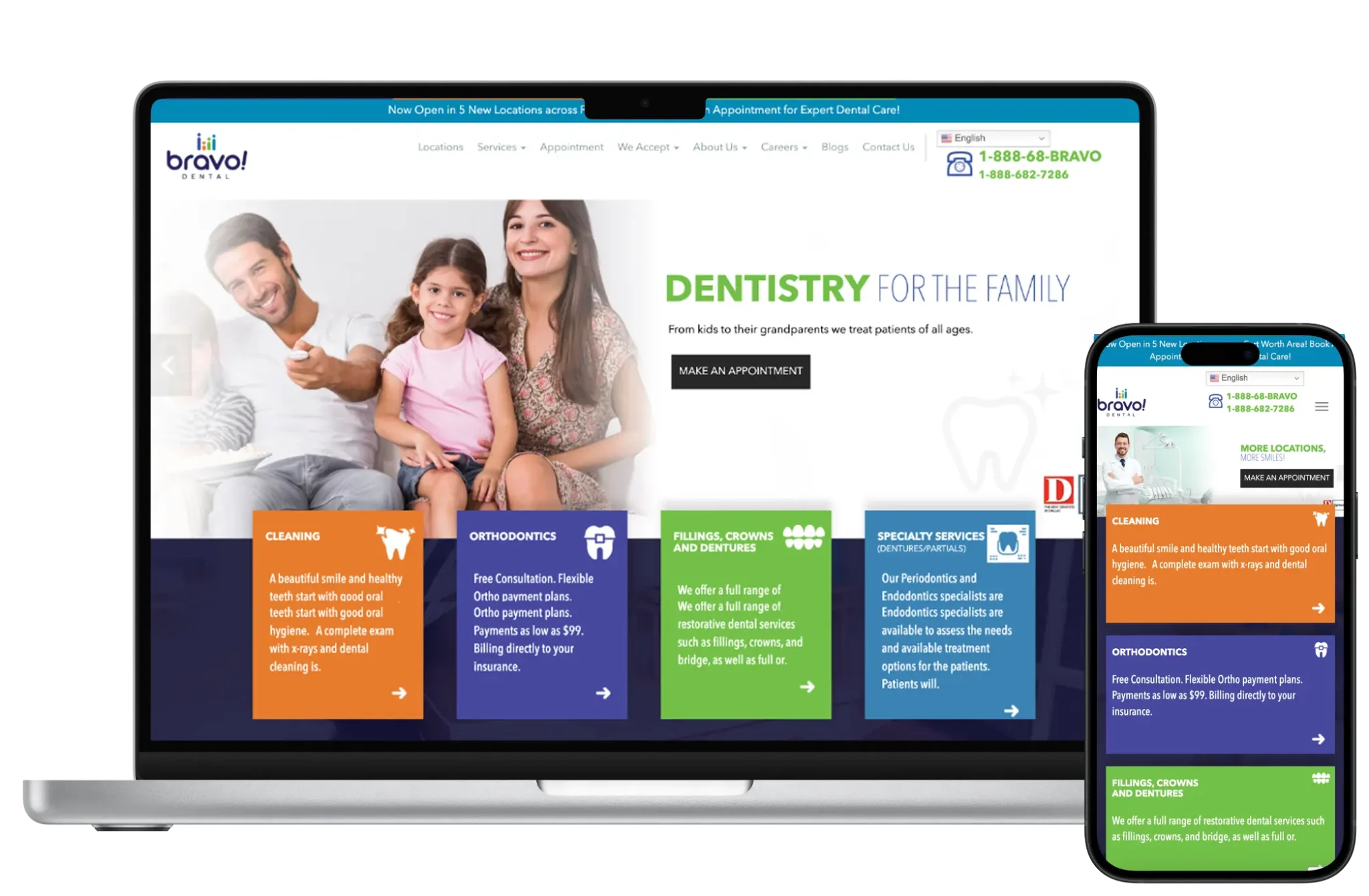
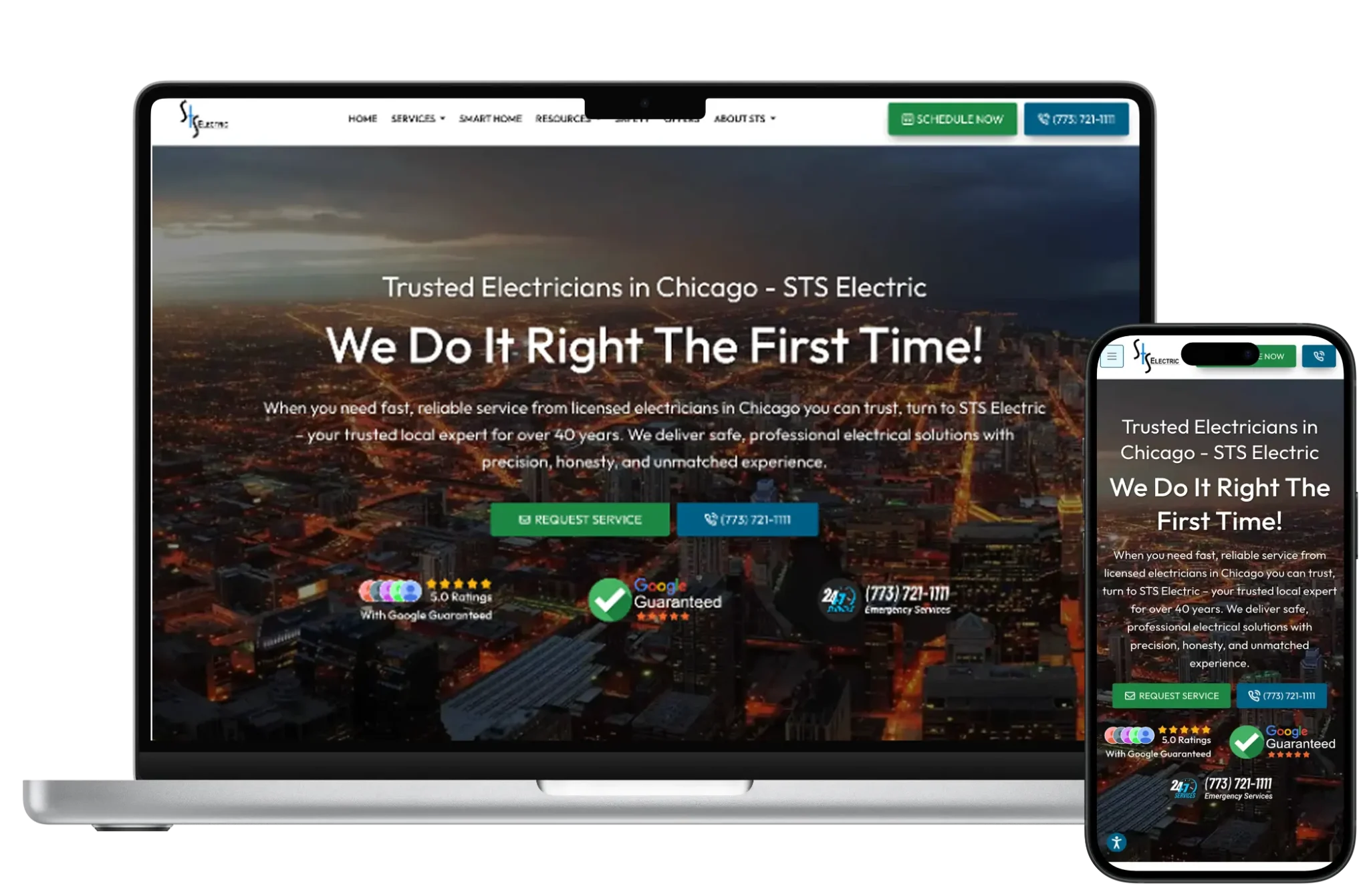
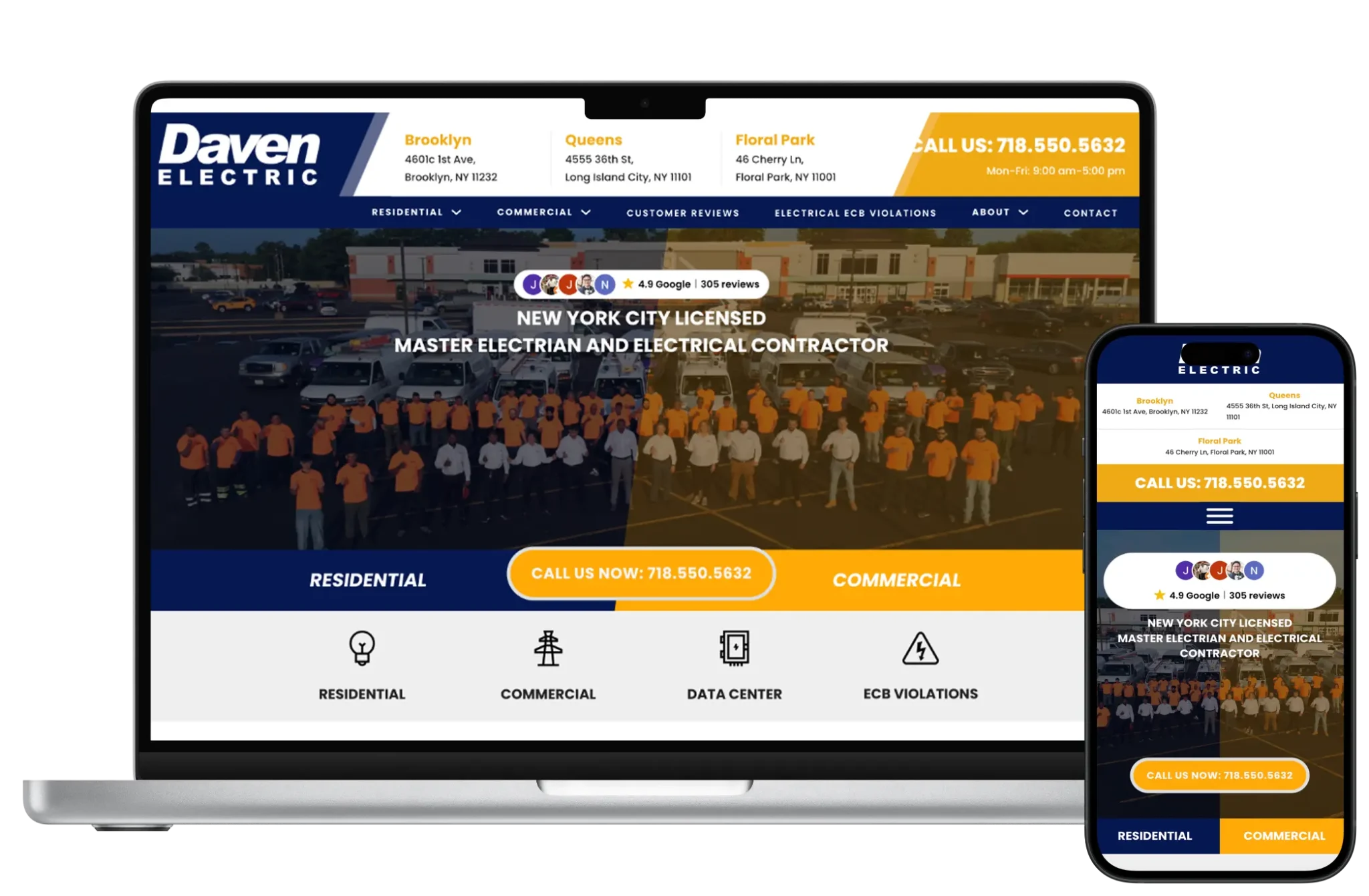
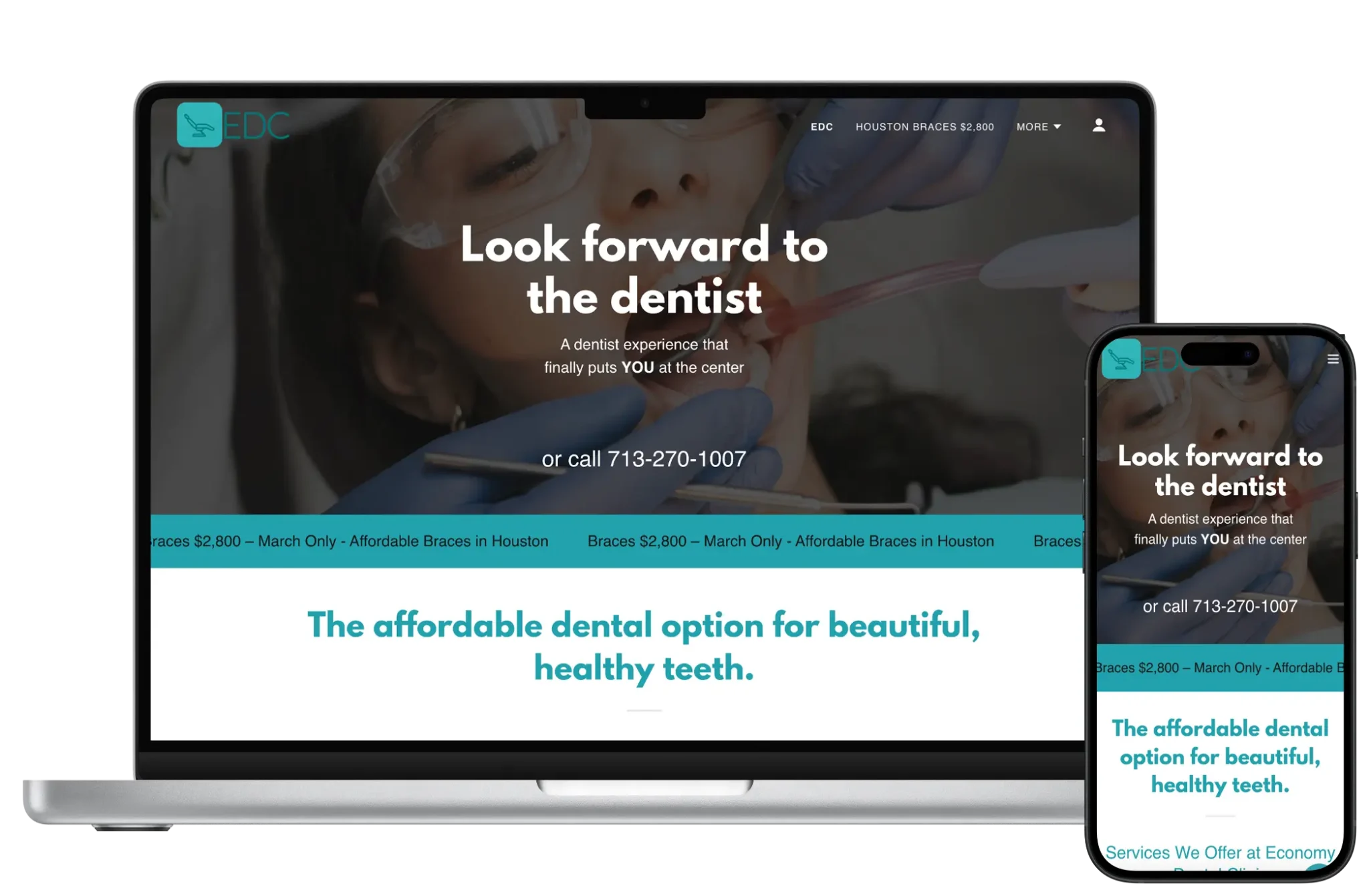
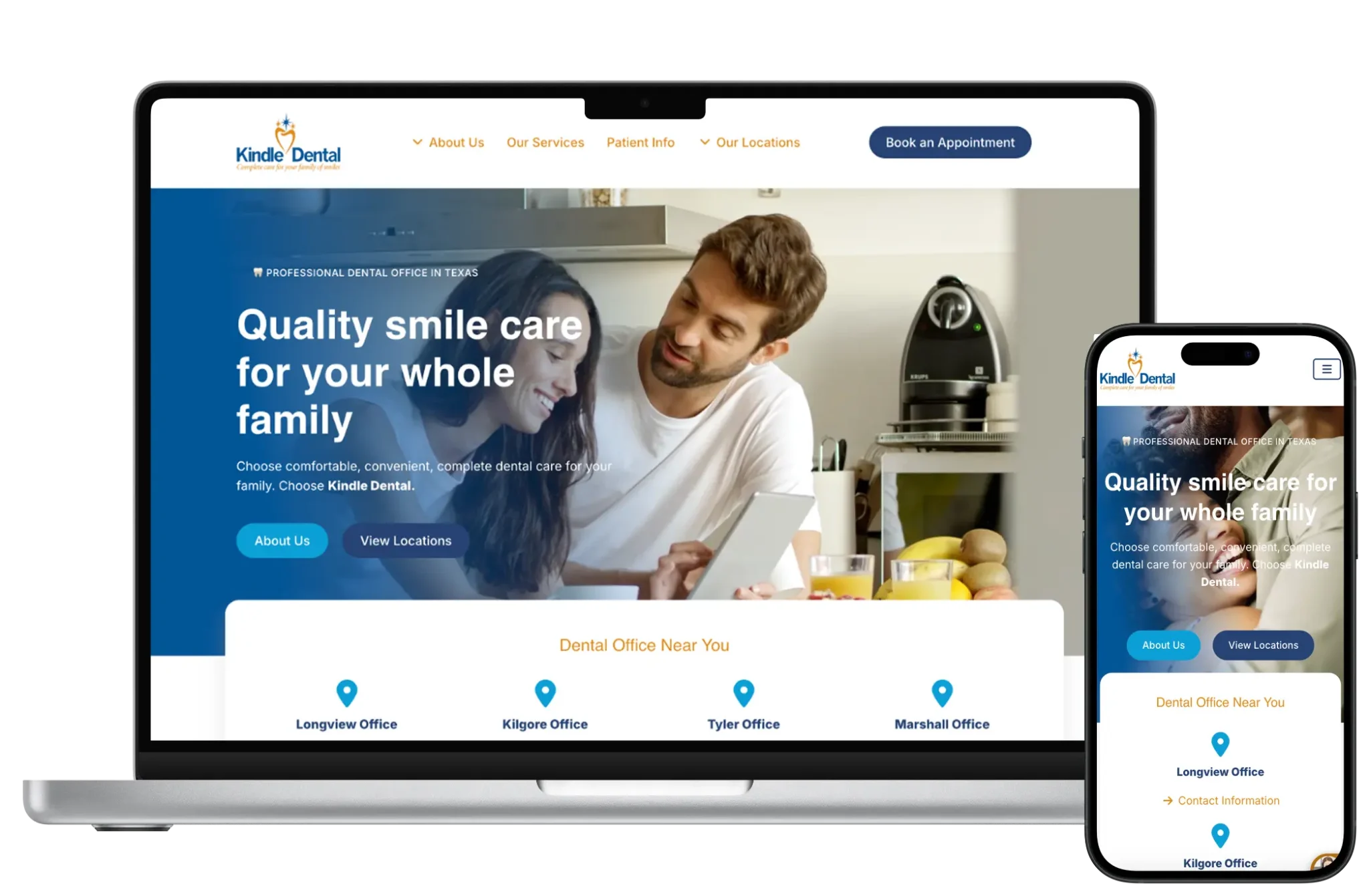
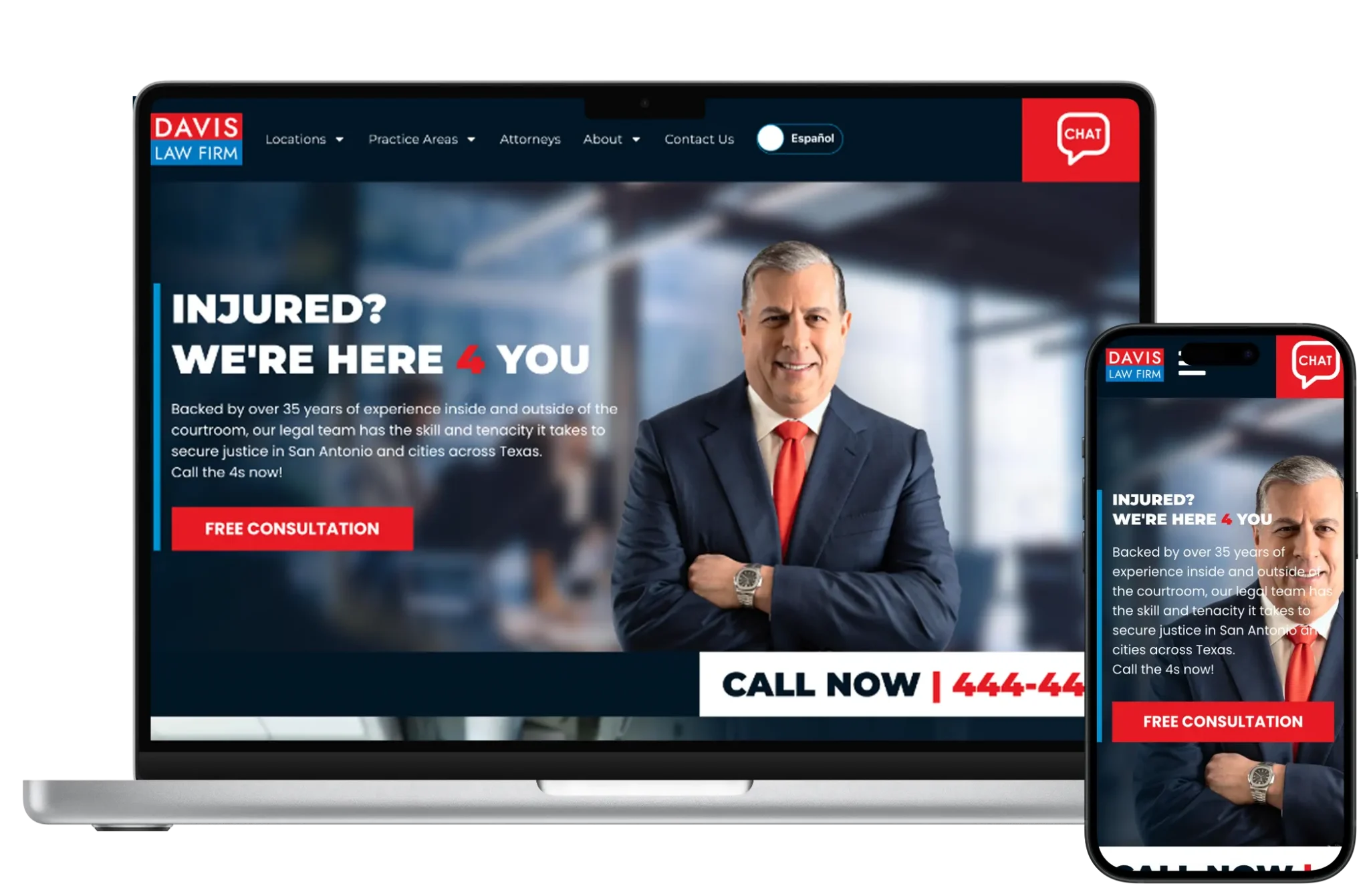
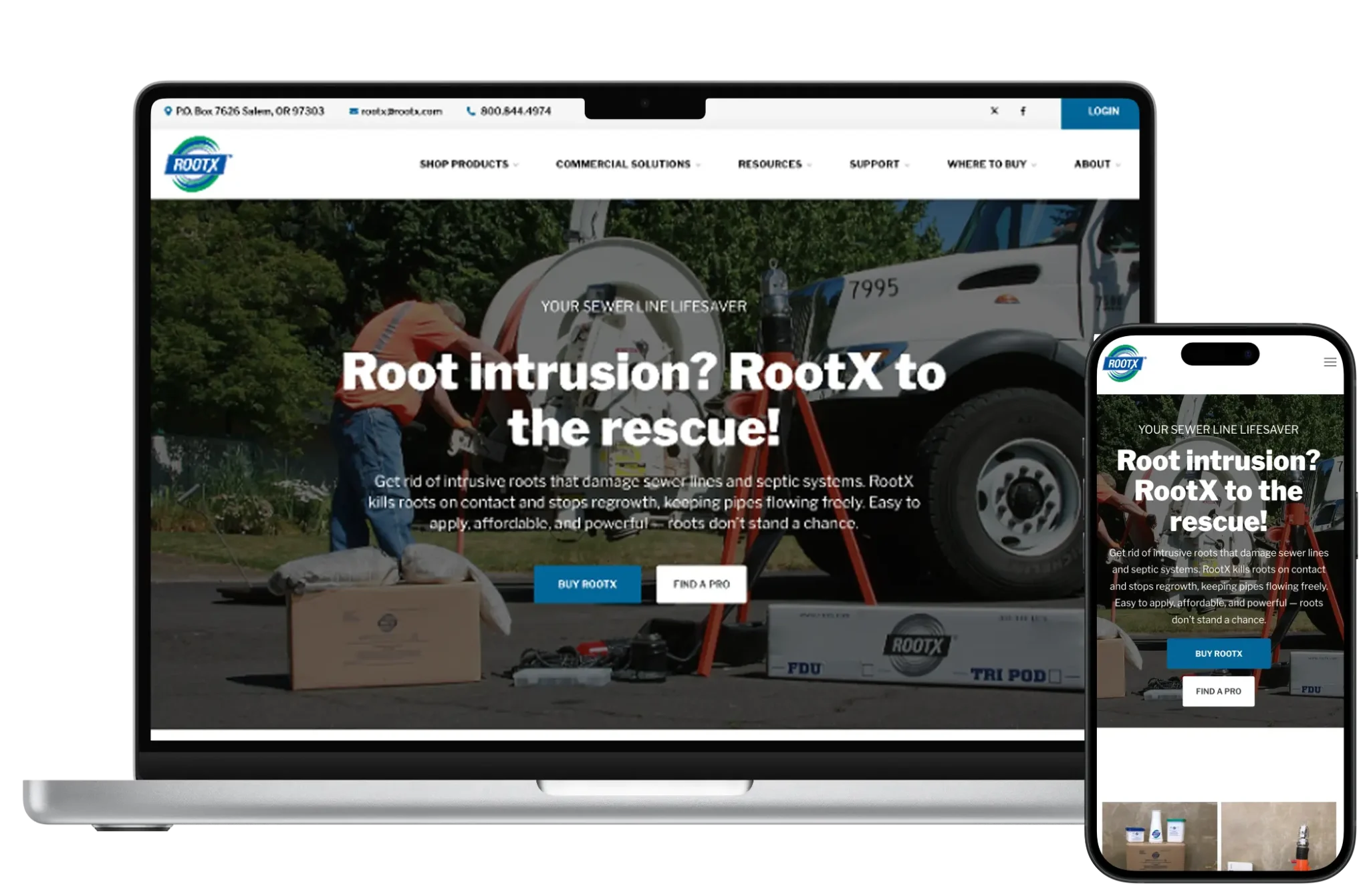
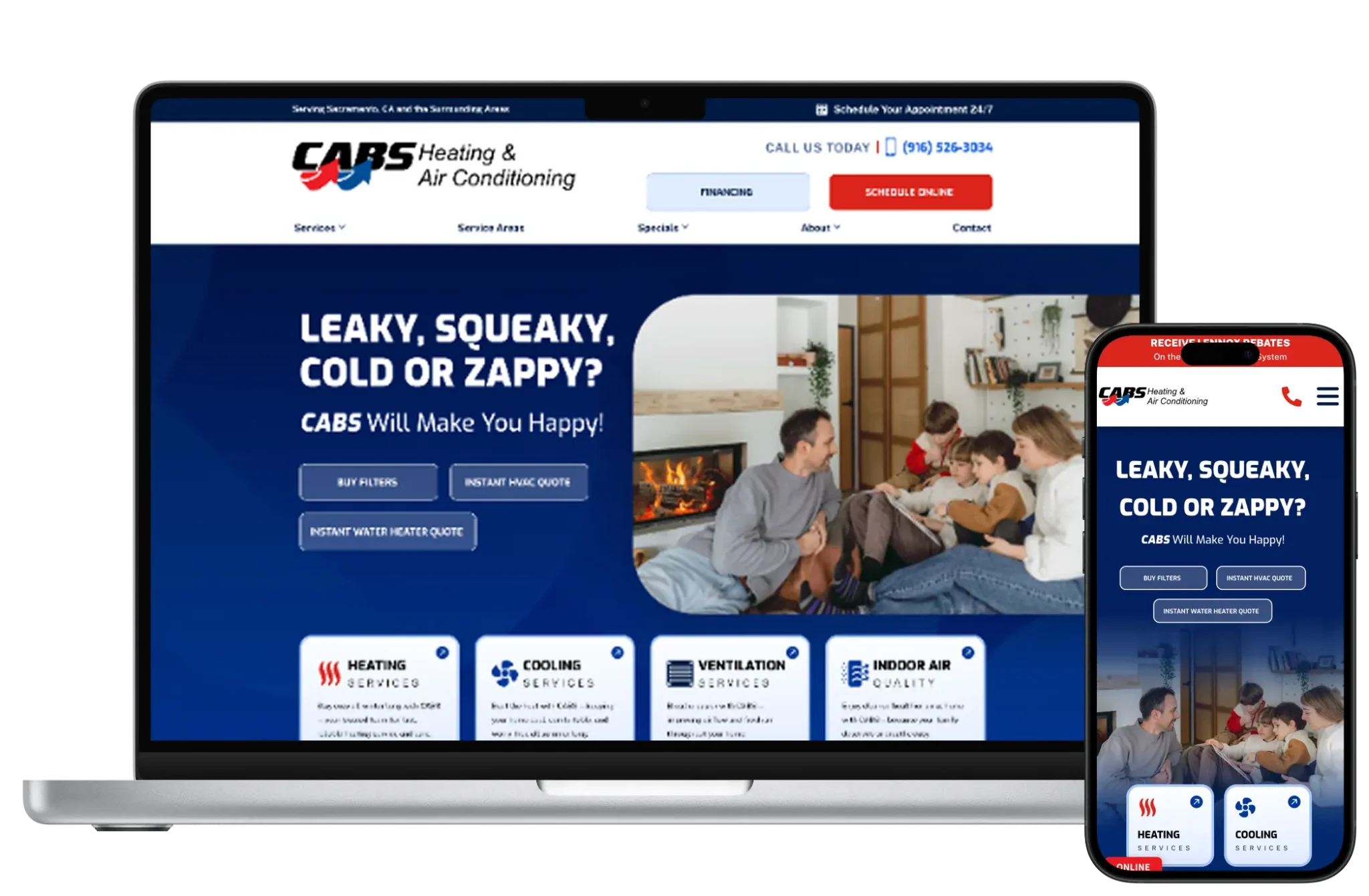
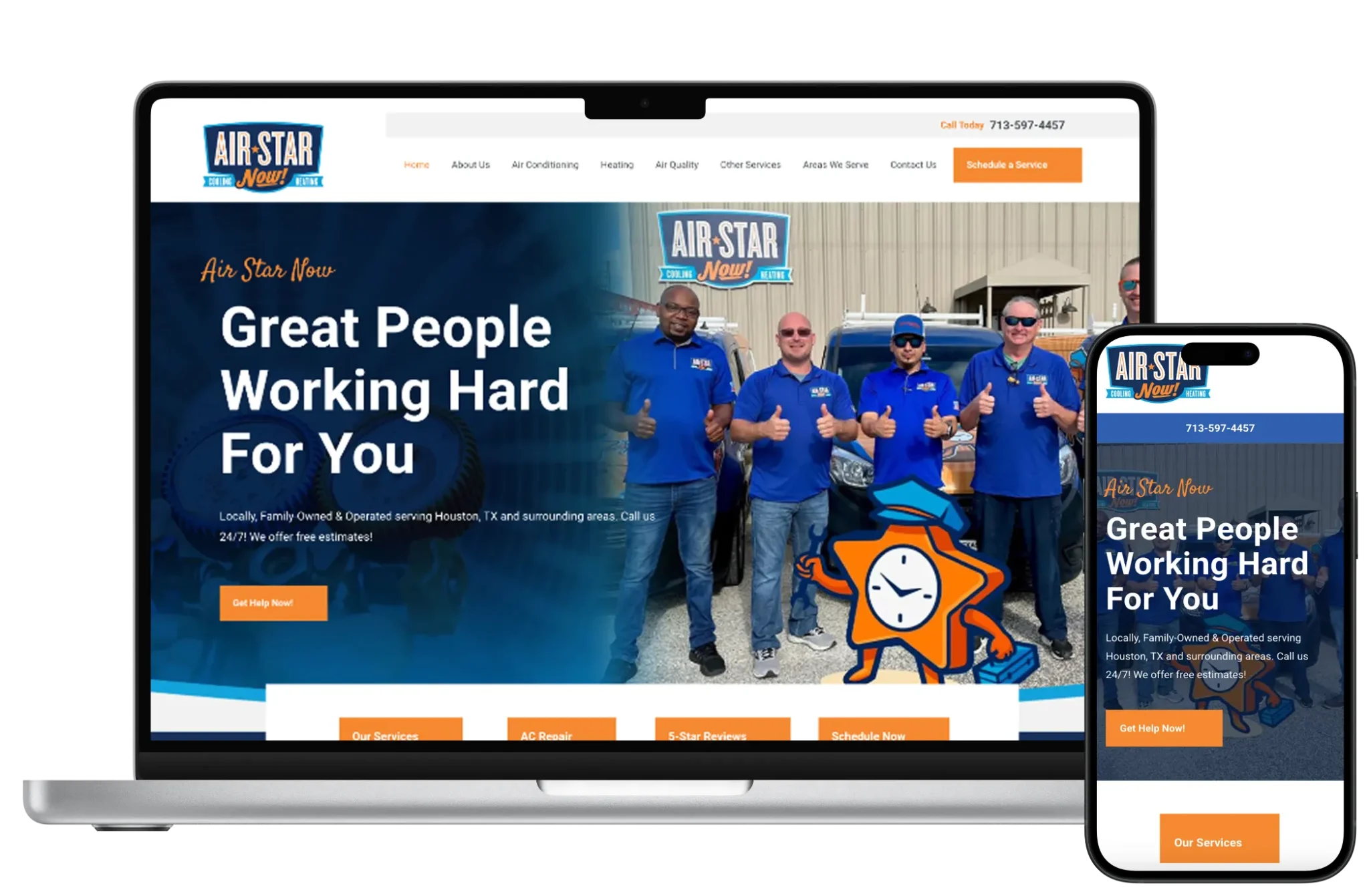
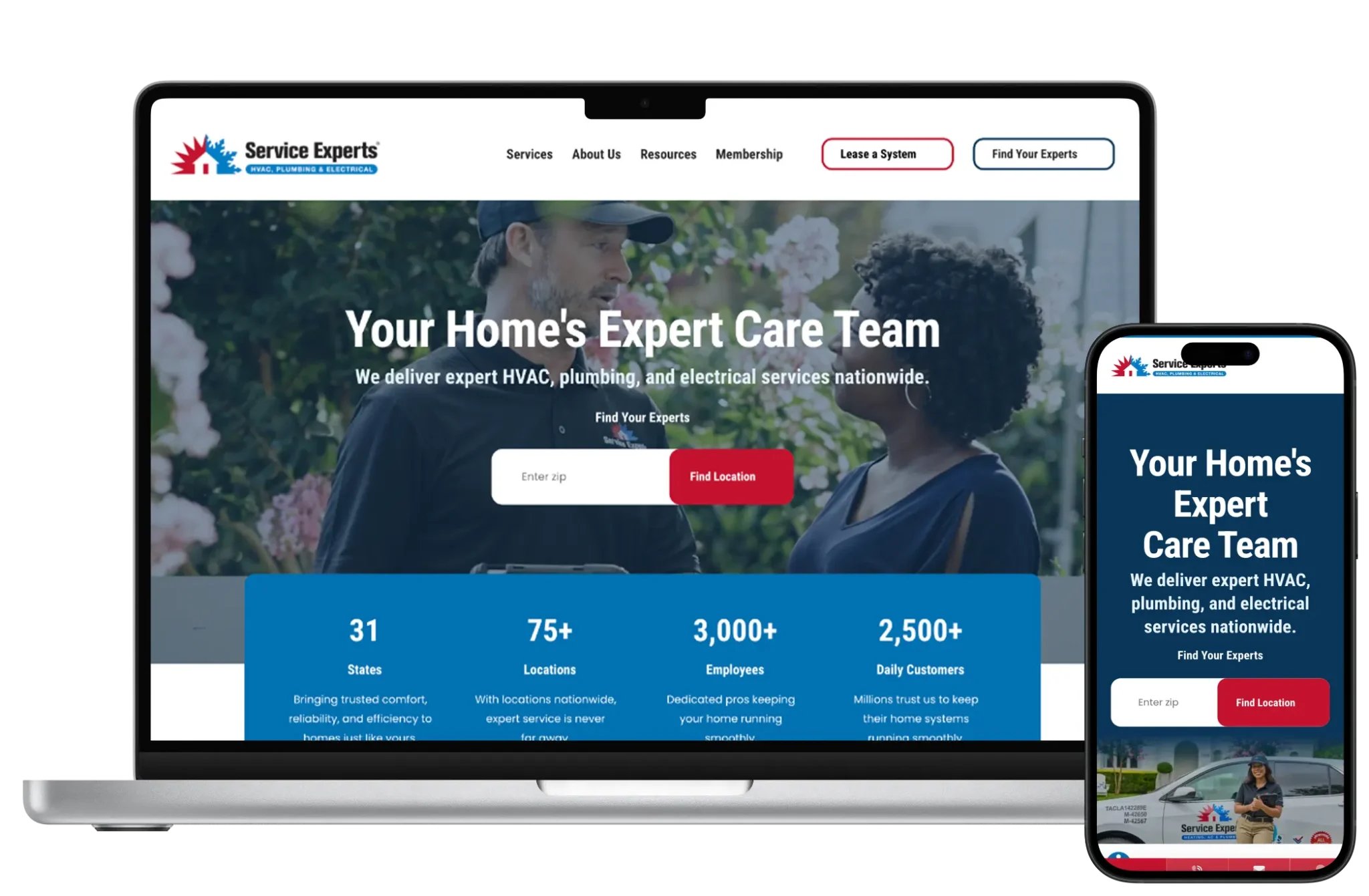
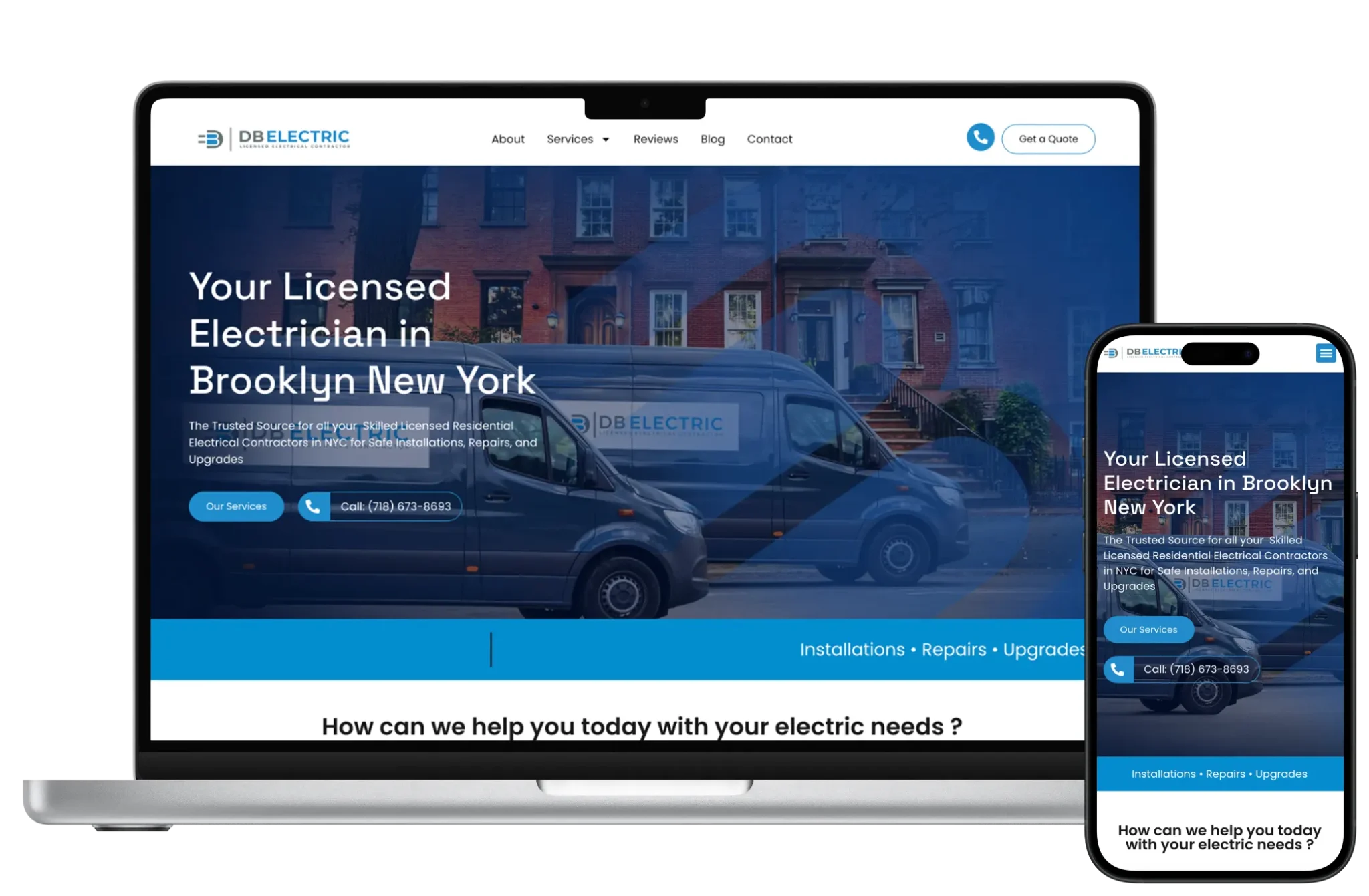
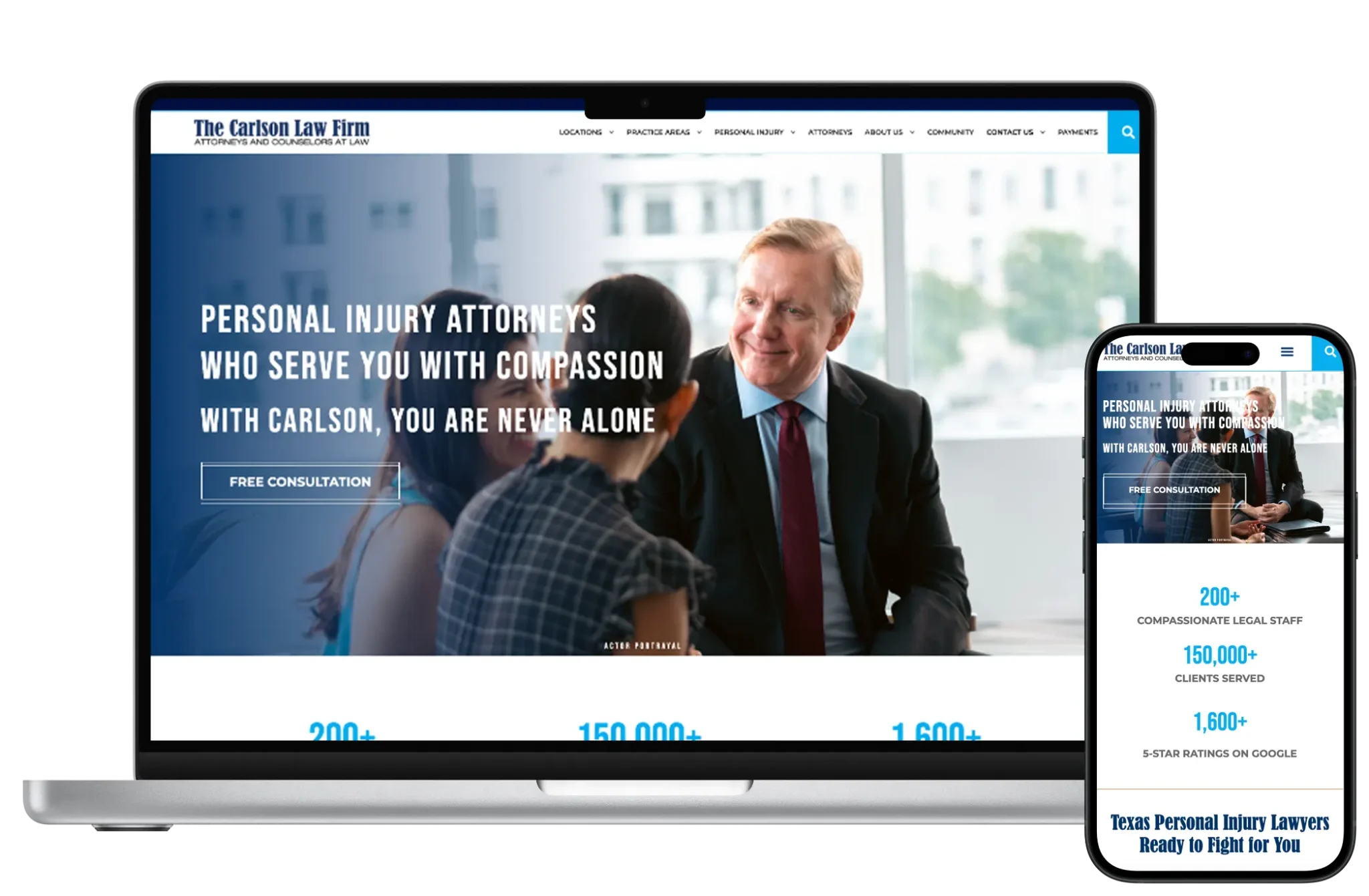
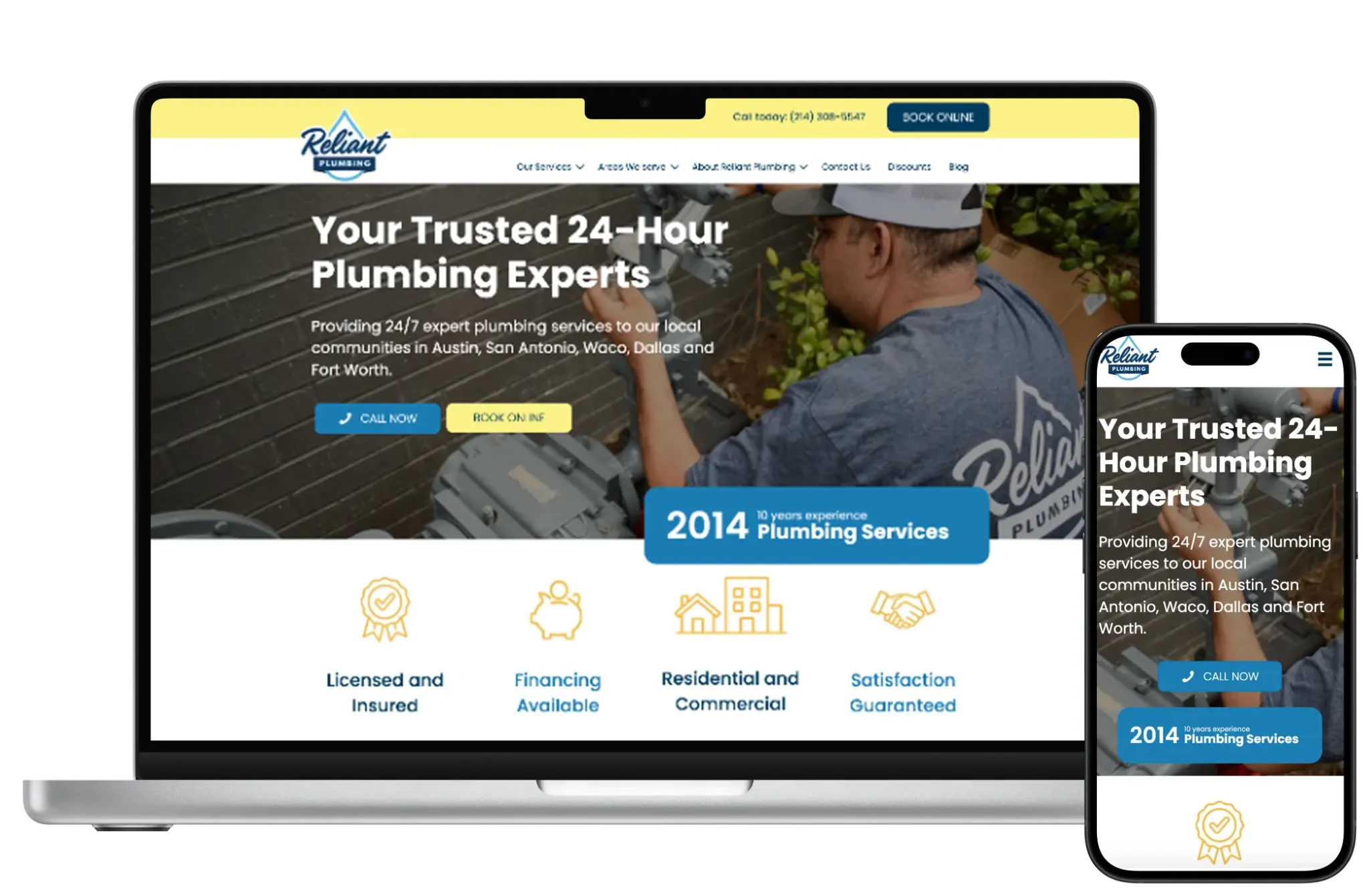
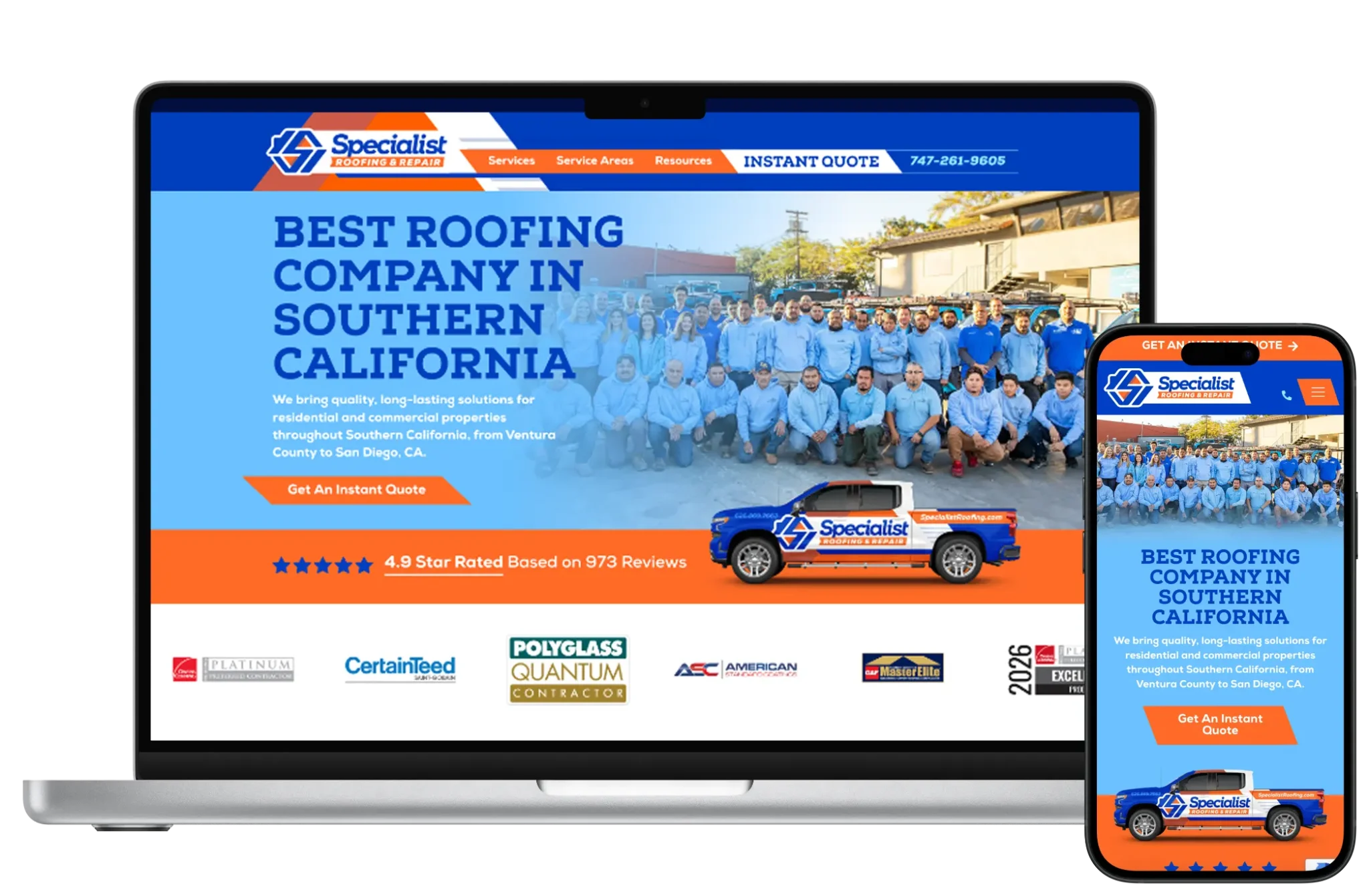
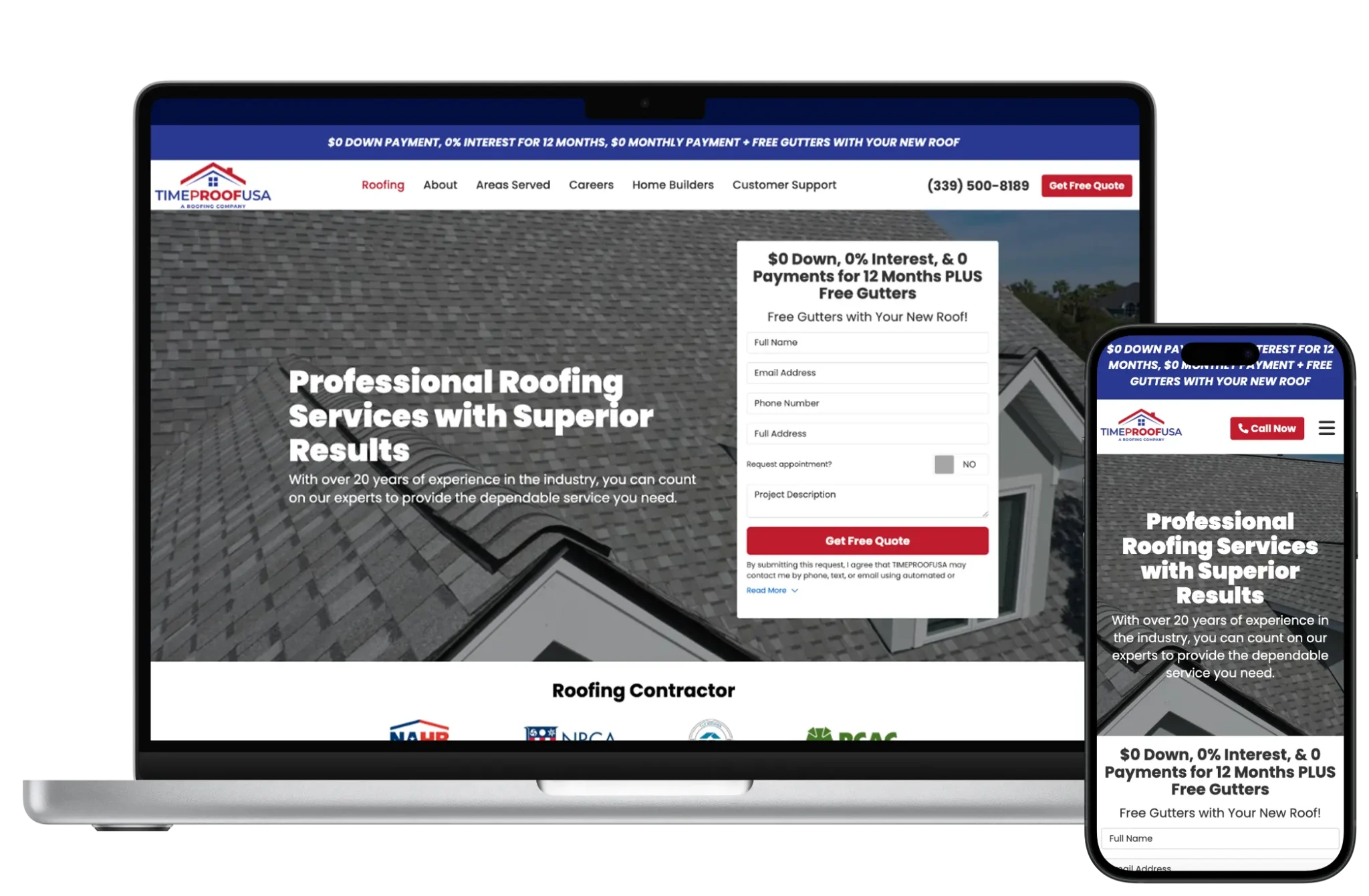
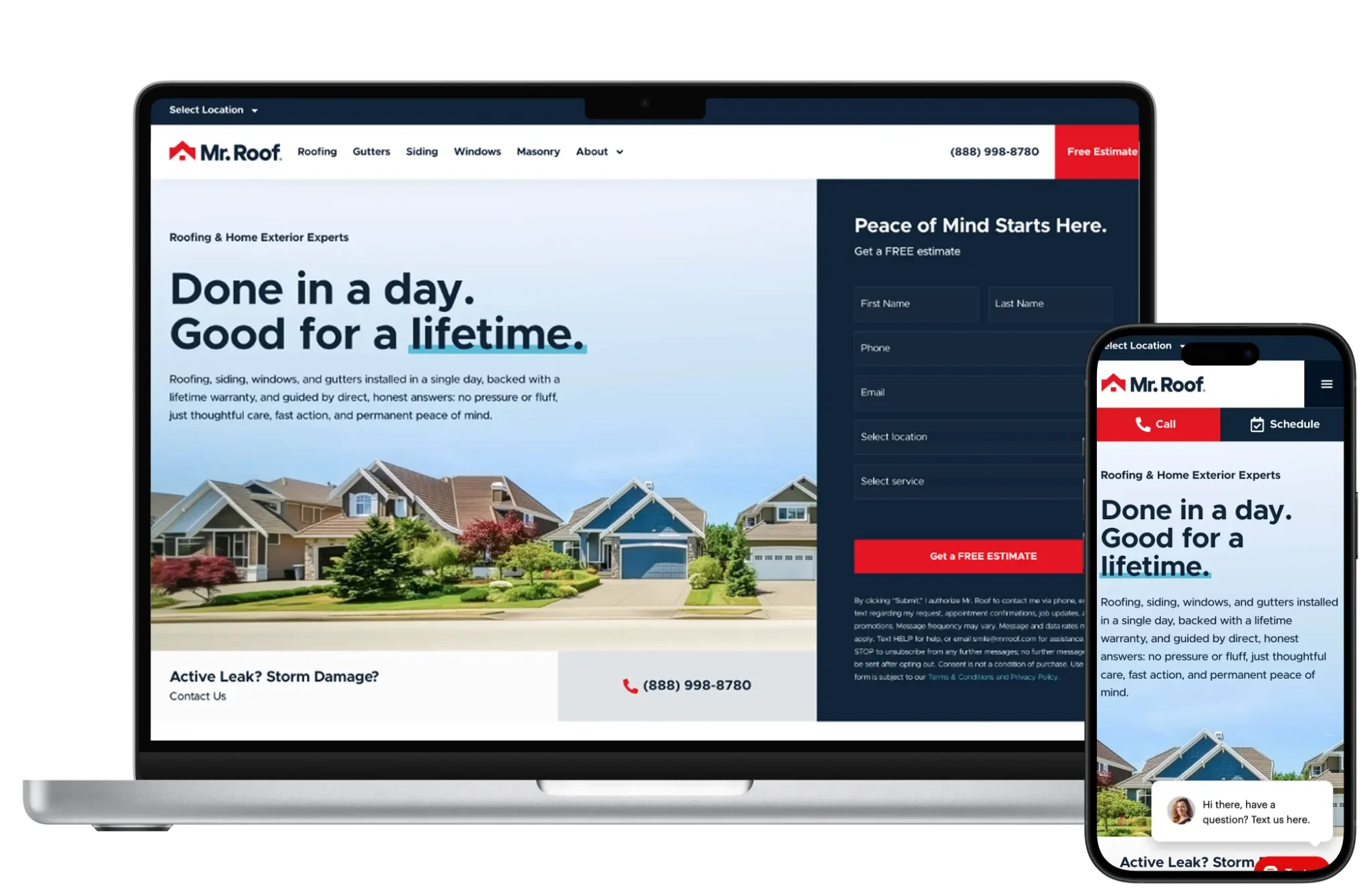
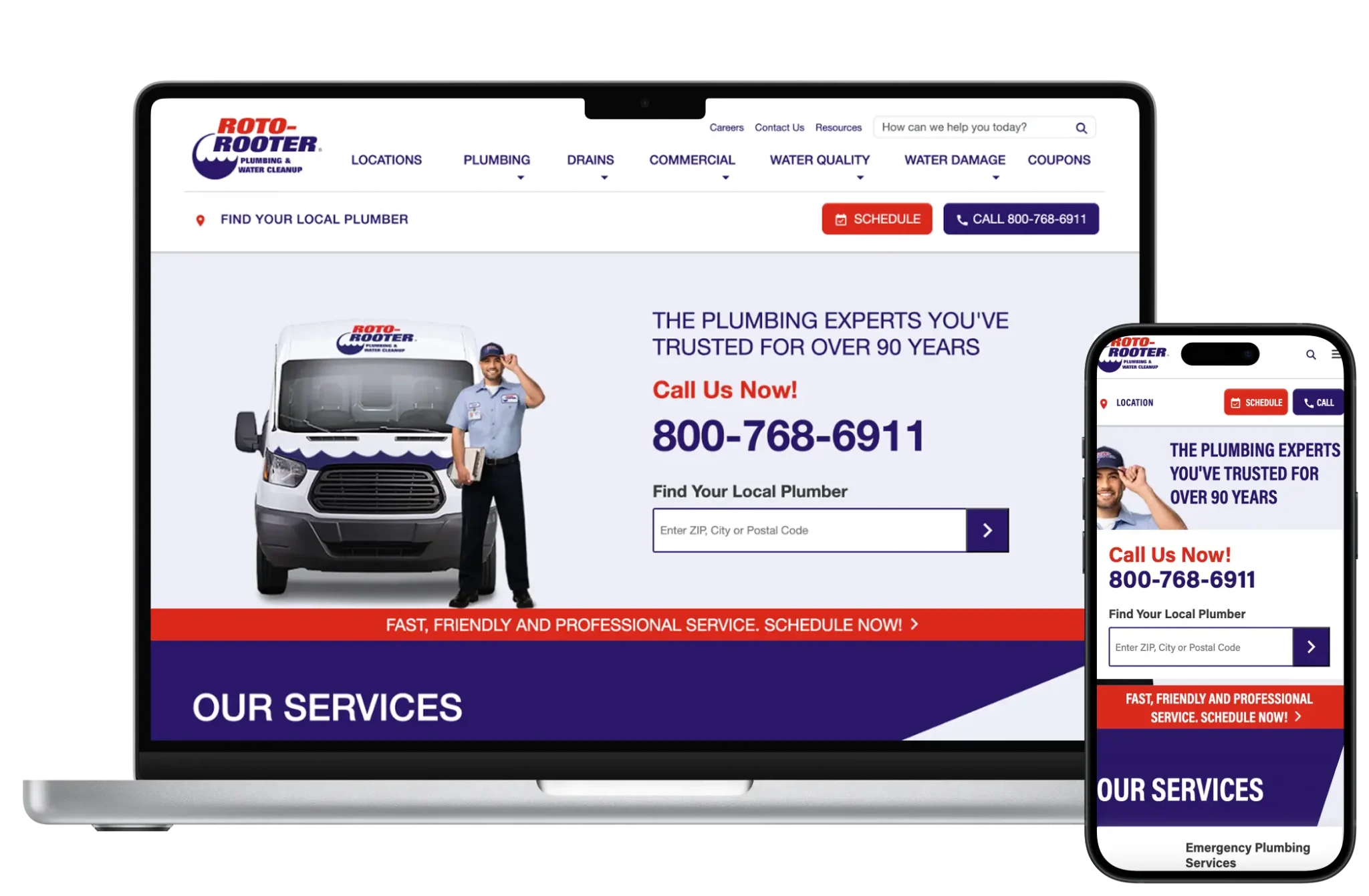

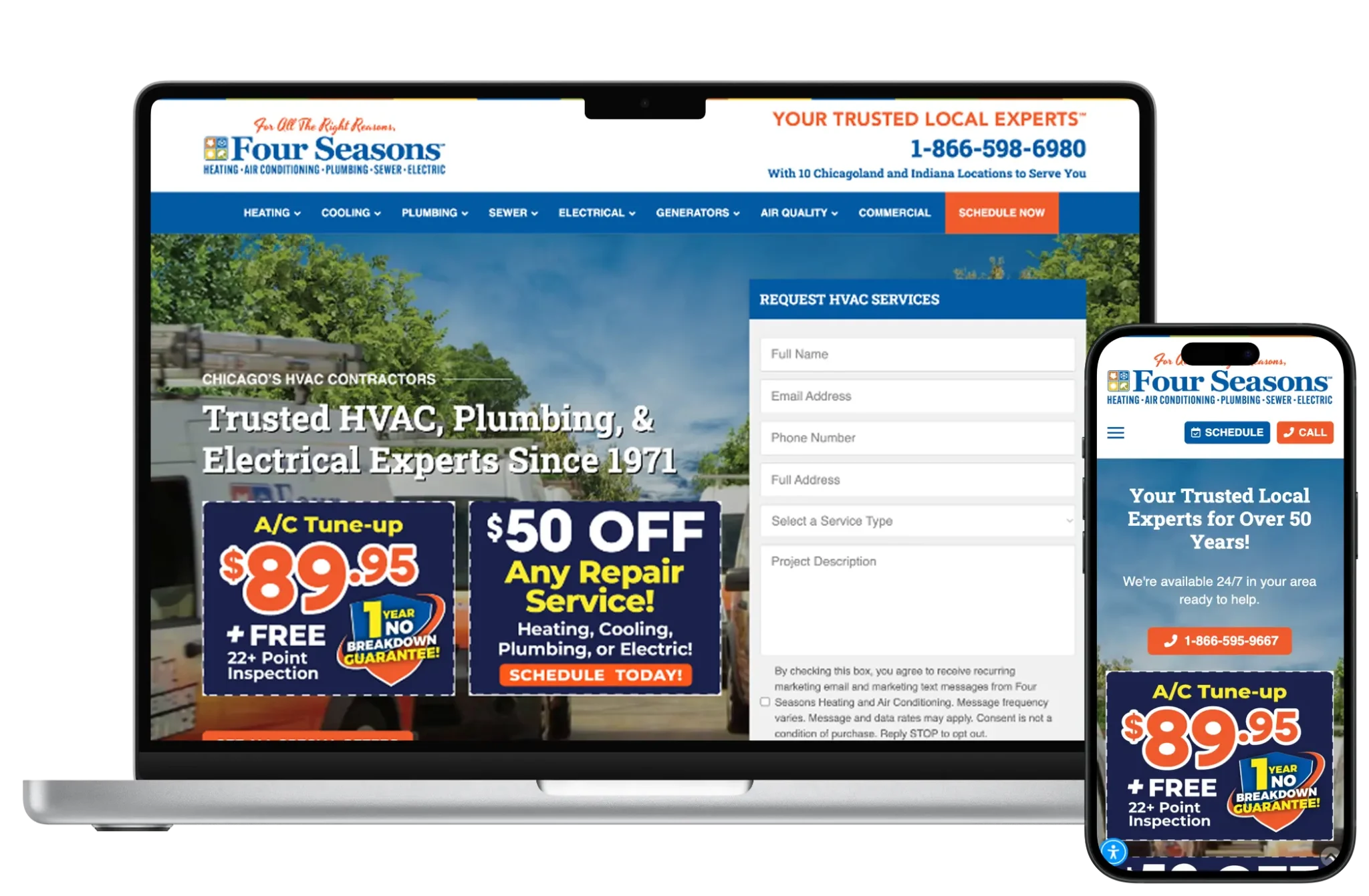
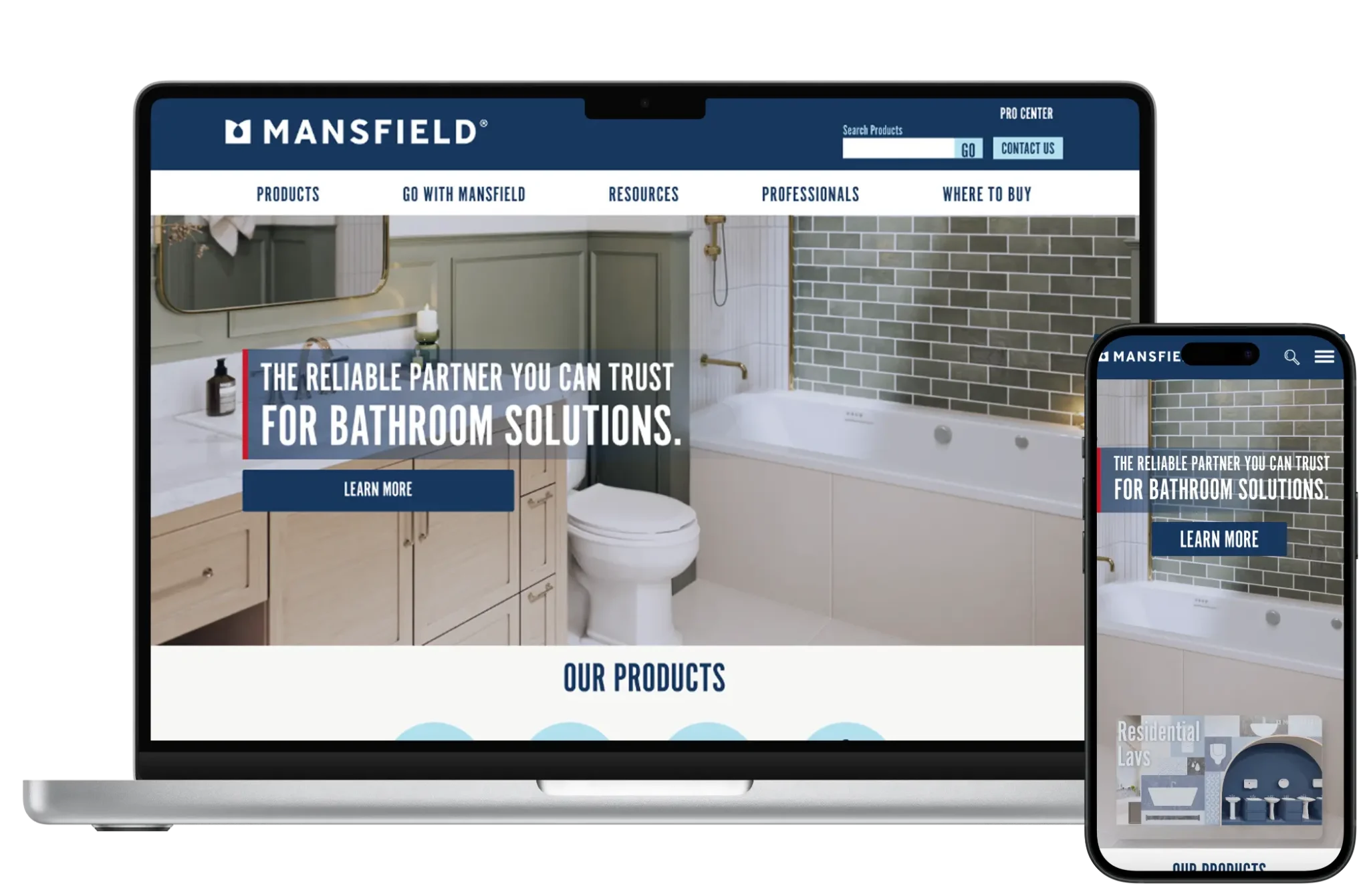
WordPress design templates should leave room for intent-rich copy, FAQ blocks and internal links — not trap key text in background images.
Readable type and clear headings help both users and on-page SEO programs that come later.

Teams committed to WordPress who want a distinctive, conversion-minded look without fighting a marketplace theme every time marketing launches a campaign.

Yearly plans that include design, development, maintenance and SEO foundations — without a large upfront project fee.
For small businesses that need a professional site without a large upfront build.
Best for local and service businesses ready to generate more leads every month.
For growing brands that need ongoing development, SEO and conversion work.
Large sites, complex integrations, multi-location brands and custom applications.
WordPress design systems typically pair with Growth ($299/year) or Pro ($399/year) when custom templates and ongoing design capacity matter. Lighter visual refreshes on existing themes may fit Starter ($199/year). Enterprise supports multi-brand WordPress estates. Setup fees apply for net-new design systems.
Full notes for challenges, strategy and supporting pages — so the sections above stay scannable.
We design a WordPress-native component library: hero variants, proof rows, pricing tables, FAQ accordions, CTA bands and card patterns that map cleanly to blocks or template parts.
Visual hierarchy prioritizes offers and trust on money pages. Blog and resource templates get readable typography and internal link modules that support SEO content programs.
After launch, design iteration continues for campaign pages and CRO tests without abandoning the system for one-off snowflake layouts.
Type, color, imagery rules adapted for WordPress UI states.
Home, service, about, resource and contact patterns.
Reusable sections editors can assemble safely.
Nav, sticky calls and form layouts for small screens.
Designs that survive real CMS editing, not just static comps.
Visual checks after development implements the system.
Straight answers about scope, pricing, ownership and what a subscription includes for this page.
It shares craft, but decisions respect WordPress editing models, template hierarchy and common plugin UI. The output is meant to be implemented and maintained in WP.
Yes — either by restyling a sound theme or replacing it when the foundation is the bottleneck. We recommend based on technical audit, not aesthetics alone.
Yes when that’s the editing strategy. Patterns and constrained blocks usually beat freeform canvas chaos for brand consistency.
Uniqueness comes from offer clarity, typography, photography direction and component composition — not from installing an obscure theme.
We design components that can be implemented efficiently. If a builder is used, we constrain which widgets and nested sections are allowed.
That’s a core benefit of subscription design capacity — new pages extend the system instead of inventing unrelated styles.
Yes in practical web form: components, type scale, color tokens and usage notes developers and editors can follow.
Contrast, focus states, heading order and tap targets are design requirements. Development then implements them; we don’t treat a11y as optional polish.
Custom visual systems editors can actually use — with monthly iteration.